

Cloudy water and persistent algae growth plague many freshwater aquarium owners. These common problems can quickly turn a beautiful tank into a maintenance nightmare. The solution lies in choosing the right filtration system for your setup.
However, many fish keepers struggle with a crucial decision: HOB vs canister filter. Both options dominate the freshwater aquarium market for good reasons. Each filter type offers distinct advantages depending on your specific needs. Also you cannot ignore the suitable filter size for your fish tank.
This comprehensive guide explores both HOB and canister filters in detail. You’ll learn how they work, their performance differences, and which suits your tank best.
Why Filtration Matters More in Freshwater Aquariums
Freshwater aquariums depend heavily on beneficial bacteria to maintain a healthy environment. These microscopic organisms break down toxic fish waste through the nitrogen cycle.
First, ammonia converts to nitrite, then nitrite transforms into less harmful nitrate. This biological process requires adequate surface area within your filter media.
Poor filtration creates several serious problems in freshwater tanks. Waste accumulates on the substrate, creating unsightly debris and releasing harmful compounds.
Algae blooms quickly take over when excess nutrients remain in the water. Fish experience stress and struggle with reduced oxygen levels in poorly filtered environments. A robust filtration system prevents these issues and maintains water quality effectively.
HOB (Hang-On-Back) vs Canister Filter
Understanding the fundamental differences between these two filter types helps you make informed decisions. Both systems effectively clean freshwater aquariums but use different approaches and designs. Let’s explore each filter type and how they function in your tank.
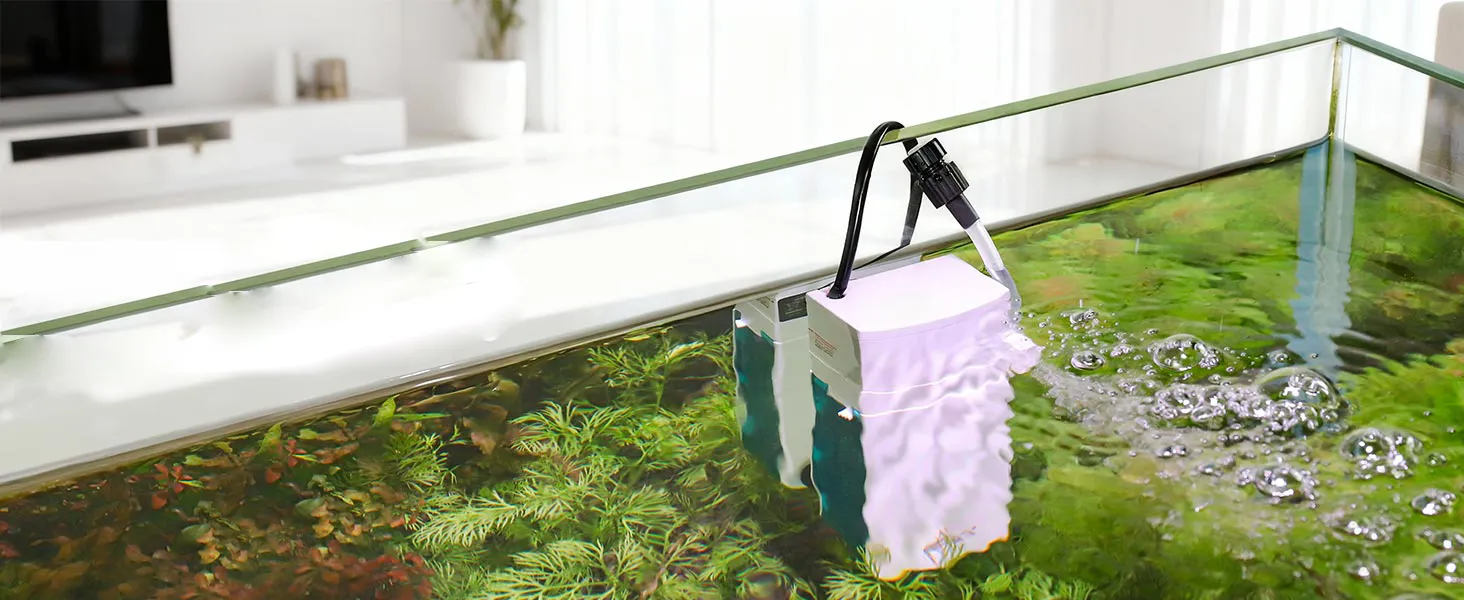
What Is an HOB Filter?
An HOB filter is a compact filtration unit that mounts on your aquarium’s rim. The filter hangs on the back of the tank, keeping most components outside. Water flows through filter media before cascading back into the aquarium.
These filters are incredibly popular among beginners due to their straightforward design. Most HOB filters use replaceable cartridges combined with biological filter media.
How an HOB Filter Works in Freshwater Tanks
HOB filters mount securely on the back glass of your aquarium. An intake tube draws water up from the tank into the filter box. Water passes through various filter media layers for purification and debris removal. The filtered water then returns via a waterfall spillway into the tank. This waterfall effect creates beneficial surface agitation for improved oxygen exchange.
Strengths of HOB Filters in Freshwater Use
HOB filters feature a simple design that makes installation quick and easy. The lower upfront cost makes them attractive for budget-conscious hobbyists and beginners. Accessing the filter for routine cleaning requires no special tools or effort. The waterfall return provides excellent surface agitation that boosts oxygen levels. Maintenance tasks like media replacement take only minutes to complete properly.
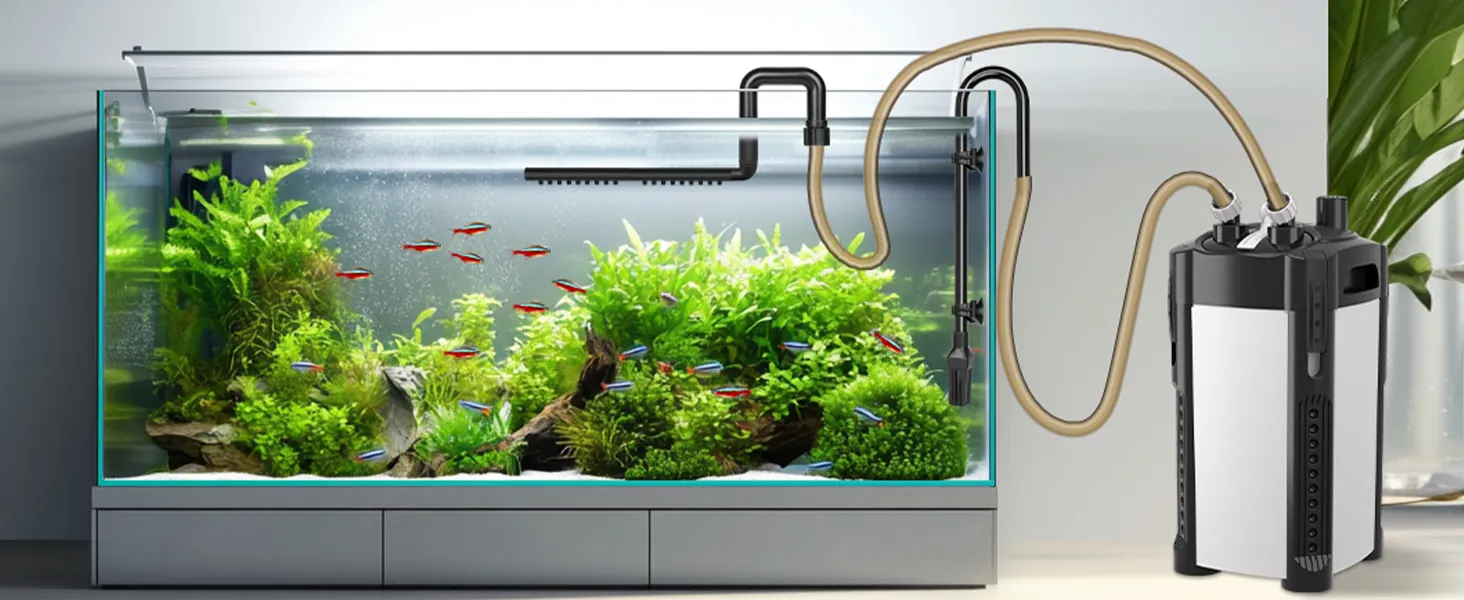
What Is a Canister Filter?
A canister filter is an external filtration system housed in a sealed cylinder. The unit typically sits in the aquarium cabinet below the tank. Canister filters offer multi-stage filtration through stacked media trays or baskets. These filters provide superior filtration capacity compared to most HOB units. They’re the preferred choice for serious aquarists maintaining larger or heavily stocked tanks.
How a Canister Filter Works in Freshwater Tanks
An external sealed canister sits below the aquarium, connected by inlet and outlet hoses. The intake hose draws water from lower tank levels where debris accumulates. Water flows through multiple filtration stages containing mechanical, biological, and chemical media. The filtered water returns to the tank through an adjustable output nozzle. This system allows for even water distribution and minimal surface disturbance.
Strengths of Canister Filters in Freshwater Use
Canister filters provide a large biological media capacity for beneficial bacteria colonization. Excellent mechanical filtration efficiently removes debris and keeps the water crystal clear. The equipment remains hidden in the cabinet, maintaining a clean tank appearance. Adjustable flow rates accommodate various freshwater fish species with different current preferences. Multiple media baskets allow customization for specific water chemistry needs.
Freshwater Tanks That Benefit Most from Canister Filters
Medium to large tanks ranging from 30 to 75+ gallons benefit significantly. Heavily stocked community tanks require the superior filtration capacity that canister filters provide. Goldfish and cichlid tanks generate substantial waste that canister filters handle effectively. Planted aquariums and aquascapes thrive with the gentle, even flow canisters deliver.
How They Perform in Freshwater Tanks
While both filters clean water, their filtration capacity and efficiency differ significantly. Understanding these differences is key to choosing the right option for your freshwater tank. Let’s examine how each filter type performs across various filtration categories.
Mechanical Filtration (Waste & Debris Removal)
Canister filters handle larger debris loads thanks to their spacious filter media compartments. HOB filters fill up faster with waste and require more frequent cleaning. Over time, canister filters maintain better water clarity in heavily stocked tanks. The larger media capacity means longer intervals between maintenance sessions. HOB filters work well for lightly stocked tanks with minimal debris production.
Biological Filtration & Bacteria Stability
Canister filters provide substantially more surface area for beneficial bacteria colonization. This expanded biological capacity better handles ammonia and nitrite processing in larger tanks. HOB filters support smaller bacterial colonies that work well for modest bioloads. During power outages, canister filters maintain bacteria longer due to water retention. The effect of ammonia and nitrite spikes becomes noticeable in heavily stocked setups.
Chemical Filtration Options in Freshwater Tanks
Both filter types accommodate activated carbon for removing tannins and unpleasant odors. Canister filters offer greater media flexibility with multiple customizable baskets and trays. You can layer different chemical media types to target specific water quality issues. HOB filters often rely on proprietary cartridges that limit customization options. Canister filters prove more economical long-term by using bulk media instead of cartridges.
Planted Freshwater Aquarium Considerations
CO₂ Retention and Surface Agitation
Canister filters preserve dissolved CO₂ essential for robust plant growth and health. The adjustable output allows minimal surface disturbance in heavily planted tanks. HOB filters increase gas exchange through their waterfall return, which releases CO₂.
This CO₂ loss can limit plant growth in high-tech planted aquariums. However, the increased oxygen benefits fish in tanks with moderate plant density.
Nutrient Distribution for Plants
Even flow from canister filters helps distribute nutrients throughout the planted aquarium. This circulation prevents dead zones where debris accumulates and algae proliferate. Poor circulation in some HOB setups can lead to stagnant areas.
These dead zones create localized nutrient imbalances that trigger algae outbreaks. Proper flow ensures plants receive nutrients while preventing problematic algae growth.
Noise Level and Daily Living Experience
Noise problem is also an important factor to consider when choosing your filter. Your aquarium should be a peaceful focal point, not a source of irritation. The noise characteristics of each filter type differ significantly in real-world use.
Canister Filter Noise
Canister filters typically run silently when maintained properly and primed correctly. Air trapped in the canister or impeller creates gurgling or rattling sounds. Vibration noise occurs when the unit sits unevenly on the cabinet floor. Regular maintenance and proper installation eliminate most canister filter noise issues.
HOB Filter Noise Issues
HOB filters produce waterfall splashing sounds that some people find soothing. However, this splashing can become irritating in quiet rooms like bedrooms. Noise increases dramatically when water levels drop below the ideal operating range. The exposed motor can also generate humming sounds in older units. Adjusting water levels and maintaining the impeller reduces most HOB noise problems.
Which Filter Is Better for Different Freshwater Setups?
Small tanks and beginner aquariums: HOB filters excel in tanks under 30 gallons. Their simplicity and low cost make them perfect for those just starting. Easy maintenance helps beginners develop good aquarium care habits without feeling overwhelmed.
Medium to large community tanks: Canister filters shine in 30+ gallon community setups. The superior filtration capacity handles diverse fish populations and their waste production. Long-term cost savings offset the higher initial investment for serious hobbyists.
Heavily stocked tanks: Canister filters are essential for tanks with high fish populations. The biological filtration capacity prevents dangerous ammonia and nitrite spikes effectively. Frequent maintenance schedules with HOB filters become impractical in heavily stocked environments.
Planted aquariums: Canister filters work best for high-tech planted tanks requiring CO₂ retention. The gentle flow distributes nutrients without disturbing plant roots or substrate. HOB filters suit low-tech planted tanks where CO₂ supplementation isn’t necessary.
Low-maintenance vs hands-on hobbyists: HOB filters suit those wanting quick, easy maintenance sessions. Canister filters appeal to hobbyists who enjoy customizing media for optimal performance.
Conclusion
In summary, both canister filters and HOB filters effectively maintain freshwater aquarium health. Canister filters excel in larger tanks, heavily stocked setups, and planted aquascapes. HOB filters work perfectly for smaller tanks, beginners, and budget-conscious hobbyists.
The main differences lie in filtration capacity, customization options, and maintenance requirements. Your choice depends entirely on your specific aquarium setup and personal preferences. The best filter maintains a stable and efficient environment for your freshwater fish.
Continue exploring different filtration methods and equipment to enhance your aquarium knowledge. Your fish will thrive when you choose the right filtration for their needs.
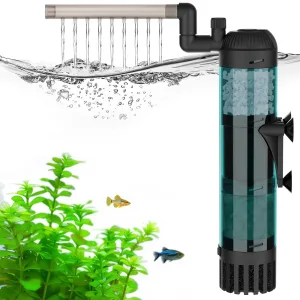
AQQA Aquarium Filter, Dual Sponge, Multi-Stage Filter, 360°...
Original price was: $14.39.$13.49Current price is: $13.49.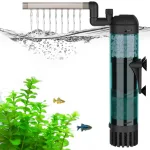

Add comment
You must be logged in to post a comment.