
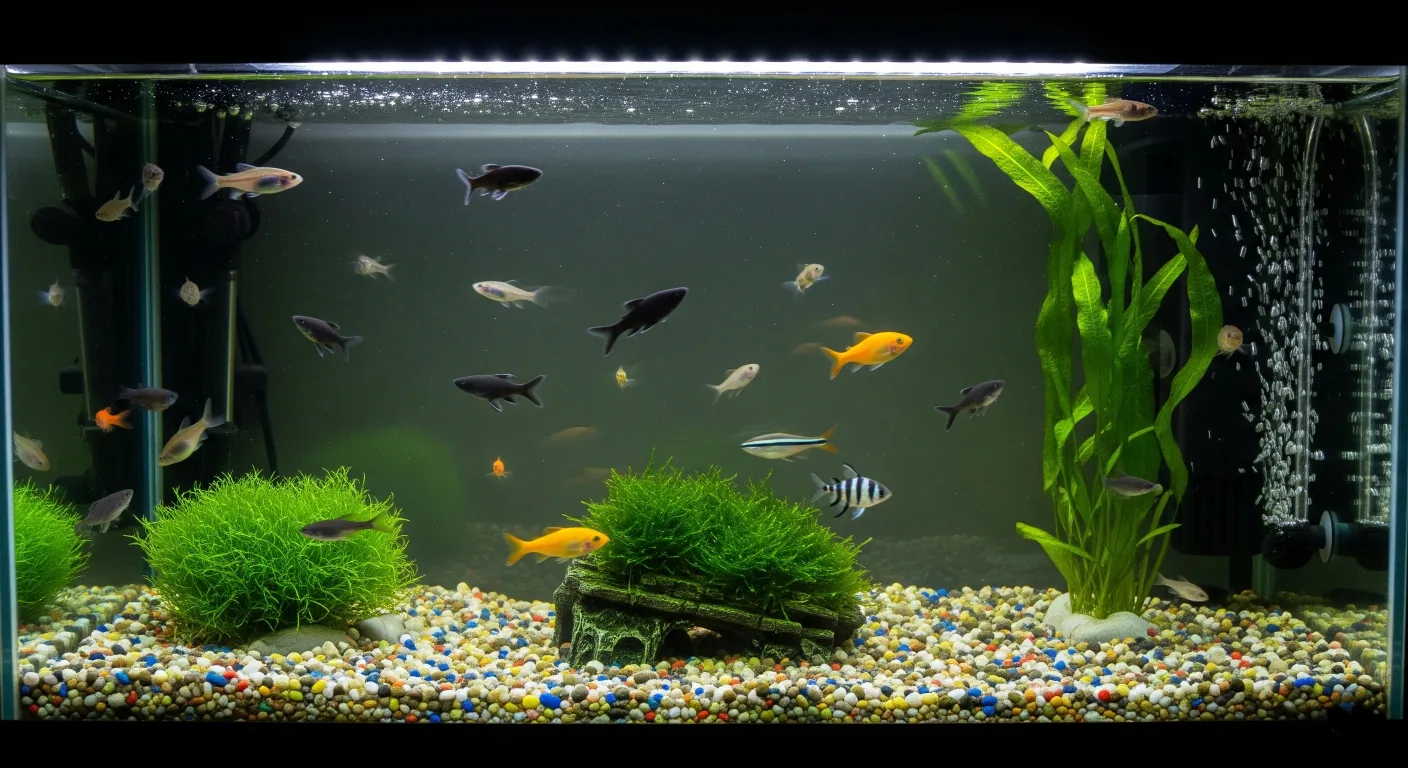
When I had my first ever fish tank, the only thing that I was interested in was getting the colorful gravel, selecting funny guppies, and decorating with pretty plants. Amidst all this, the store clerk nonchalantly reminded me of the filter as well: “You will also need a filter.” I did not even hesitate; I picked the cheapest one on the shelf. A great mistake.
In several days, my crystal-clear water became turbid. There was a funny odor that began to grow. The fish appeared slow-moving moving and the algae were developing faster than I was able to clean them up. I had made an uninformed decision on the kind of filter to use for my tank size and fish load. This forced me to eventually change the whole system of the filter.
The lesson learned that day was that an aquarium filter is so necessary. A filter is so much more than a cleaning device; it is the life support of your tank. It maintains clear water, a stable environment, and healthy fish. Without it, your aquarium stops being a relaxing hobby; it becomes a chore.
In this blog, I will take you through all I have discovered since that initial error about aquarium filters and their various types that exist, and how to select the right one, and the various pitfalls to avoid. Keep reading to create a successful watery world, beginning with a proper filter.
What’s the Benefits of having a filter
Aquarium filters play several very important roles that directly affect the health and life span of your aquatic environment. In the absence of an appropriate filter, the waste builds up, oxygen levels decrease, and the quality of water rapidly degrades. This is unfriendly to both fish and plants.
1. Keep the Water Flowing
Water flow is more than just an aesthetic feature; it is a crucial aspect of evenly distributing heat and avoiding the concentration of detritus in so-called dead zones, and the settling of suspended particles. Water circulation also inhibits the formation of the detrimental algae, which causes green water. And enhances improved distribution of nutrients.
2. Exchange of Gases and Nutrients
The natural process of gas exchange is facilitated by filtration, the influx of oxygen, and the expulsion of carbon dioxide. Fish breathing and organic waste degradation require the proper exchange of gases. It also sustains plant life through a balanced, oxygen-rich environment.
3. Keep Beneficial Bacteria Alive
Healthy filters have a happy population of nitrifying bacteria within their insides. These beneficial bacteria transform the deadly ammonia (fish waste and uneaten food) into nitrite and then into relatively benign nitrate, which is called the nitrogen cycle.
The more oxygenated water flow and stable surfaces to these bacteria that are required are given to them by the filters. In their absence, toxic spikes may ensue rapidly and either stress or kill your fish.

Do Beginners Need an Aquarium Filter?
Yes, absolutely!
Basic setup with a small aquarium will also be worth having a stable filtration system. Fish are continuously generating waste. Without filtration, the presence of poisonous substances such as ammonia and nitrite may increase rapidly, causing stress or even death of the fish. A filter maintains the ecosystem in balance, oxygen-rich and clean, and your fish not only survive, but thrive.
Moreover, a filter will decrease the water changes frequency and volume. It provides the novices with additional time to enjoy their tank other than cleaning it regularly. It also makes the biological cycle easier to understand among individuals who are still learning how to control water chemistry.
Different filters are available, and a new person can have an easy time locating one that fits their system and budget.
What Are The Main Types Of Aquarium Filters?
Here are the five most popular aquarium filters, with pros and cons to help you decide.
1. Hang-On-Back (HOB) Filter
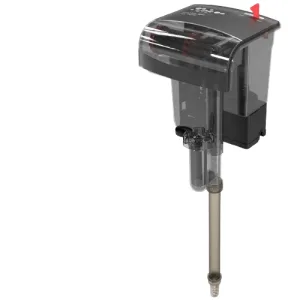
The most common and popular filters among the novices and intermediate hobbyists are HOB filters. They are simple to install, i.e., you just hang them at the back of the aquarium, and usually they do three three-stage filtrations that are mechanical, chemical, and biological.
HOBs are the best in small to medium-sized tanks and provide a compromise between price, performance, and availability. They are not very difficult to maintain, although they may become a little noisy when not primed well.
| Pros | Cons |
| Easy to install & maintain | Can be noisy |
| Offers 3-stage filtration | Visible from the back |
| Great for small to medium tanks | May not handle heavy loads |
2. Sponge Filter
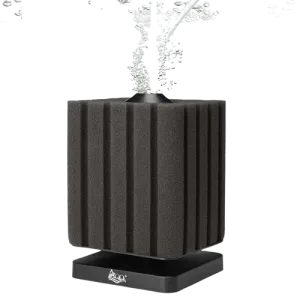
Sponge filters are powered by an air pump and are ideal for breeding tanks, shrimp tanks, or small aquariums under 20 gallons. These filters ensure a soft flow of water, hence useful to fry and vulnerable species. They have limited mechanical abilities, although they perform excellently when it comes to biological filtration. They are, however, cheap, easy to maintain, and very good at cultivating helpful bacteria within a stable environment.
| Pros | Cons |
| Cheap and effective | Requires an air pump |
| Gentle flow – safe for fry | Not suitable for large tanks |
| Excellent biological media | Limited mechanical filtration |
3. Canister Filter
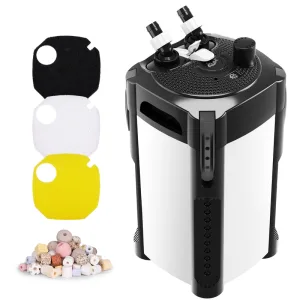
Canister filters are the external filters that are so efficient and have a powerful flow of water that they make them ideal in bigger tanks (30 gallons and above). They provide media trays that are adjustable to mechanical, chemical, and biological filtration. Canisters are very powerful and quiet, but more costly and a bit more complex to clean than other filters, and can be concealed. Thus, making them a favorite of more advanced aquarists and planted tank systems.
| Pros | Cons |
| Extremely powerful | Expensive |
| Customizable filter media | It can be hard to clean |
| Quiet operation | Bulky and space-consuming |
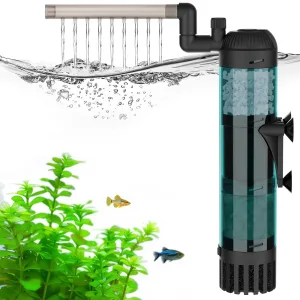
4. Submersible/Internal Filter
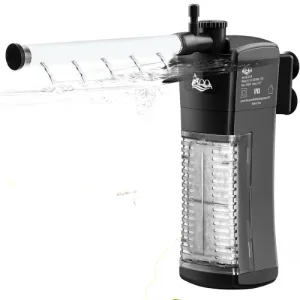
Submersible filtration systems are fitted directly into the aquarium and are the most common in small to medium-sized tanks. They are simple to install, small, and have a good filtration efficiency.
Most of them are adjustable in terms of their flow rate, hence can be used with different types of fish. Nevertheless, they take up tank space and possibly need to be maintained more regularly. They are the most suitable for hobbyists who want things to be simple and convenient.
| Pros | Cons |
| Easy to install | Takes up space in the tank |
| Quiet operation | May lack chemical filtration |
| Affordable | Requires regular cleaning |
What Are the Main Types of Filtration?
Filters are commonly a combination of filtrations. The difference between the two can help you get the most suitable filter to use in your aquarium.
1. Mechanical Filtration
This is the initial phase in the majority of filtration systems. It clears up the water of solid wastes such as uneaten food, fish waste, plant debris, and dust. Common mechanical media include filter floss, sponges, and pads.
It is important to have regular maintenance because clogged media may cause running water and overwork the filter. Although mechanical filtration does not clean the water chemically, it makes it look clean and ready to undergo the next stages of filtration.
2. Biological Filtration
It is the core of a healthy aquarium. The biological filtration is based on the colonies of nitrifying bacteria, which grow on surfaces like bio-balls, ceramic rings, and sponge filters. These bacteria break down ammonia (which is very toxic to fish) and convert it into nitrite and later into nitrate, which is less harmful.
A mature biofilter needs time to develop, but it is necessary to have in the long-term health of fish. In the absence of it, toxic spikes may happen rather rapidly, particularly in tanks that are overstocked.
3. Chemical Filtration
This kind employs the use of activated carbon, zeolite, or phosphate removers to trap and eliminate the dissolved substances in the water. It can be used to remove tannins (available in driftwood), post-treatment drugs, unpleasant odor, or staining.
Chemical filtration can provide an effective back-up tool in cases of poor water quality or poor water clarity, though it is not always required in a well-balanced tank.
Can I Replace Filtration Media in the Filter?
Yes, and you should!
But do it wisely.
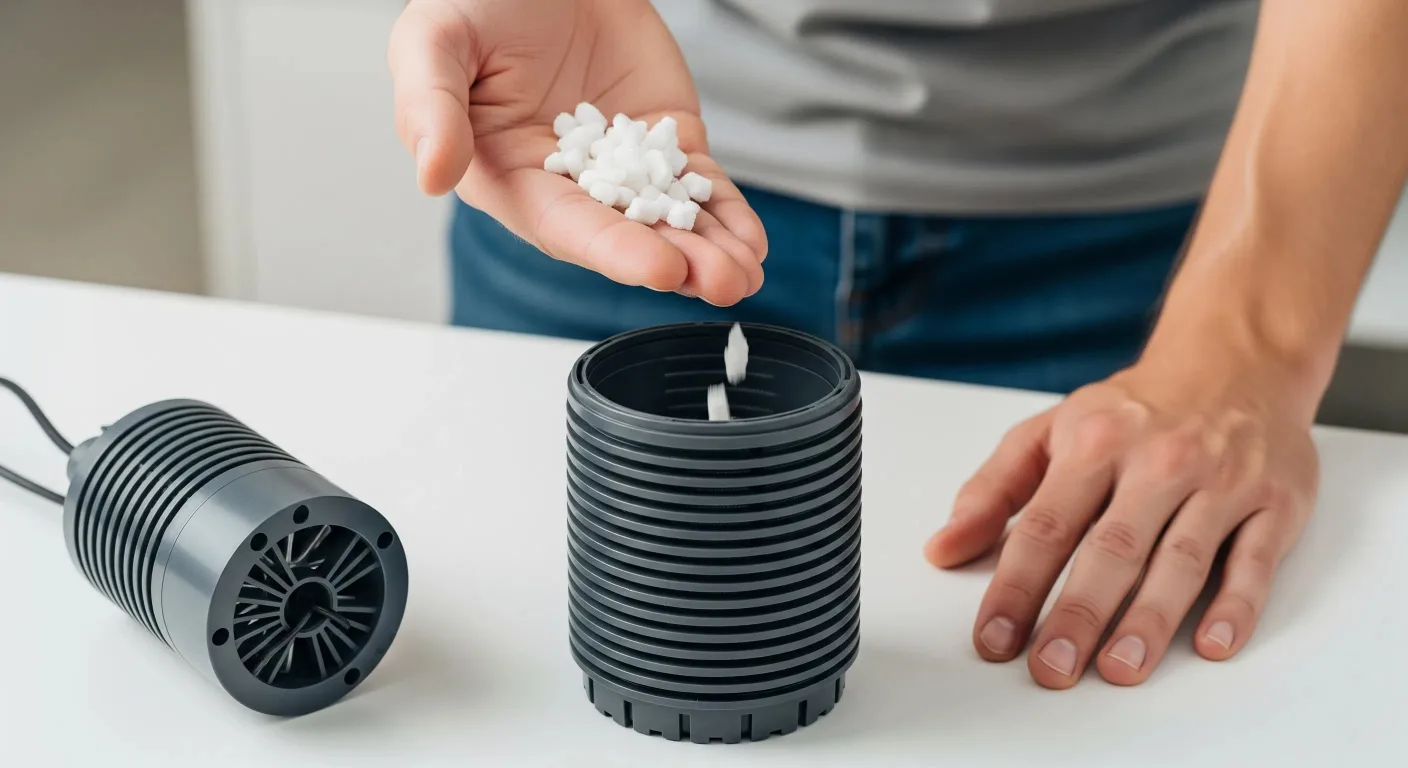
Mechanical media (such as filter pads) must be washed out each week and replaced on a 2-4 week basis. Activated carbon and other chemical media must be changed once a month. However, full replacement of biological media is never advisable; only gentle rinsing with tank water during maintenance is advised to spare the beneficial bacteria.
How to Choose The Right Filter For Different Size Fish Tanks
Choosing a filter by tank size is crucial. Look for filters rated at least 4x the tank volume per hour (e.g., a 40-gallon tank should have a 160+ GPH filter).
Here’s a helpful guide:
| Tank Size | Recommended Filter Type |
| 10 Gallon | Sponge Filter or HOB Filter |
| 20 Gallon | HOB Filter or Internal Filter |
| 30 Gallon | HOB Filter or Small Canister |
| 40 Gallon | Canister Filter |
| 55 Gallon | Canister Filter or Dual HOBs |
| 75 Gallon | Large Canister Filter |
Mistakes When Using Filters
Common mistakes are made when it comes to filters, even among good fishkeepers. These mistakes might result in cloudy water, dead fish, or very noisy filters. One should avoid them by reading manuals and tutorials.
Picking a filter that’s too weak or too powerful
Forgetting to rinse the filter media before first use
Throwing away biological media and losing beneficial bacteria
Skipping maintenance until the filter clogs
Do not prime the filter with water before starting
Conclusion
An aquarium filter isn’t just a nice accessory; it’s a necessity. It keeps your tank:
1. Clean and clear
2. Oxygenated
3. Biologically balanced
To the novices, the study on filters is the passport to a successful future. The suitable filter and a few pieces of knowledge will allow you to establish a healthy and flourishing aquatic world that will be easy to maintain and a pleasure to observe.
When you are starting or when you are upgrading, you should always get a filter that fits your tank size, your budget, and your fish. Research and learn not to make beginner mistakes.
FAQs
1. Is more filter material better?
Not always. The more media, the better the filtration is not true when no water flows through the media. Excessive filling of your filter may decrease the movement of water and oxygen exchange. Concentrate on getting a balance, somewhere between getting too much media to clean properly and not enough to allow free flow.
2. How much does it usually cost to buy an aquarium filter?
Prices vary based on type and tank size:
Sponge Filter: $5–$15
HOB Filter: $20–$50
Canister Filter: $60–$200
Internal Filter: $15–$40
Looking for quality and value? Explore Our Recommended Aquarium Filters
3. Why is my filter not working and is so loud?
It is most likely that you forgot to add some water first before switching it on. A great number of filters, particularly HOB and canister, must be primed with water before starting. Always use the manufacturer’s instructions for set-up. A loud filter may also indicate clogged impellers or the imprisonment of air.
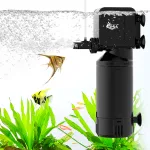
Dual-Use Aquarium Filter Pump For Fish Tank Filtering...
Original price was: $15.99.$9.99Current price is: $9.99.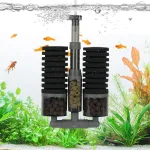
AQQA Aquarium Filter, Dual Sponge, Multi-Stage Filter, 360°...
Original price was: $14.39.$13.49Current price is: $13.49.


Add comment
You must be logged in to post a comment.