

You purchased an aquarium and placed it in the water with a substrate, ornamental plants, and rocks. You put a filter and a heater, and then introduced some bright fish. The fish appear tired after a few days and the water appears cloudy and some of the fish have died. What was the problem?
You failed to cycle the tank.
Cycling a fish tank is arguably the most significant process in the establishment of an aquarium. Yet it is the one that is easily overlooked by newbies. Lack of cycling will result in the accumulation of harmful substances like ammonia and nitrite. This will be very harmful to fish. The nitrogen cycle is a natural and fundamental process of all aquariums. It decomposes harmful compounds into less harmful compounds so that the water remains fit for your fish.
This guide will tell you what cycling is, why it is necessary, and how to do it correctly by two popular methods. Let’s start our discussion with a basic understanding of the cycle.
Table of Content
ToggleWhat Is Cycling: The Aquarium Nitrogen Cycle
Cycling, commonly referred to as the establishment of the nitrogen cycle. It is the process that occurs biologically as the beneficial bacteria multiply and transform harmful chemicals in the water into more harmless elements. Lack of this cycle can lead to a sudden increase in the level of ammonia and nitrite, which endangers fish.

The cycle works like this:
1.Fish waste, uneaten food, or decomposing plant matter enters the tank and introduces ammonia (NH 3 ) into the tank.
2.Nitrosomonas bacteria oxidize ammonia to nitrite (NO₂⁻), which is equally harmful to fish.
3.The nitrite is then transformed into nitrate (NO₃⁻) by Nitrobacter and other bacteria. It is less harmful and can be removed by water changes or utilized by the live plants.
The three-step procedure is referred to as the aquarium nitrogen cycle. It is a natural cycle that occurs during all established aquariums and requires time, about two to six weeks, to fully mature in a new tank.
Benefits of the Nitrogen Cycle
Cycling your tank is not merely technical, but it is a necessity for the health of aquatic life. Firmly established nitrogen cycle brings numerous advantages:
Detoxifies harmful waste products.
Creates a stable and balanced aquatic environment.
Reduces fish stress and disease risk.
Minimizes the frequency of emergency water changes.
Supports long-term aquarium health and success.
After the cycle is established, the tank is self-sustaining since most of the biological filtration is done by beneficial bacteria.
There are two methods in which you can cycle your tank: fish-in or fishless. Both methods multiply the good bacteria, but the techniques and morals vary slightly.
Fish-In Cycle vs. Fishless Cycle
Let’s take a look at the two primary methods of cycling:
Fish-In Cycle
This is done by introducing several tough fish into the tank initially. Since the fish excrete wastes, ammonia is generated, which initiates the nitrogen cycle. Useful bacteria multiply and degrade the waste. However, at the beginning of the process, there is a risk that ammonia and nitrite will become excessively concentrated. Such unsafe conditions may either stress or kill the fish without close observation.
Fish-less Cycle
In this method, the ammonia is added to the tank artificially- either by adding pure ammonia, fish food, or other organic matter. There is no threat of killing the fish during the cycling process because no live fish is there. When the colonies of bacteria are formed and the water parameters are safe, fish are introduced slowly.
We’ll go into detail about how to carry out both methods later in the guide.
What to Prepare Before Cycling
These are some of the things that you require before you get started with cycling.
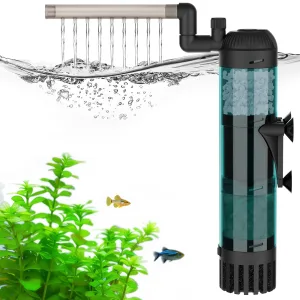
1. An operable filter: Most good bacteria will be found here, in particular, on the biological media. Have the filter constantly in operation; and when the water stands hours without agitation the bacteria fail to grow.
2. A water-test kit: Take a kit of liquid basis, such as the API Freshwater Master Test Kit. It provides a better reading of ammonia, nitrite, nitrate, andpHl of which you will monitor as the cycle progresses.
3. A heater (in case it is necessary): Most nitrifying bacteria thrive when the temperature is 75-80°F (24-27 °C). A constant warm environment accelerates the process even more in a fishless tank.
4. Dechlorinated water: Tap water contains chlorine and chloramine, which, on contact, kill good bacteria, and therefore, you have to condition the tap water with a conditioner such as Seachem Prime or API Tap Water Conditioner.
5. A source of ammonia: In your preferred technique, this can be hardy fish, pure unscented household ammonia (no surfactants), or rotting fish food. Regulate the addition rate so that the level of ammonia does not exceed 4-5 ppm.
6. Bottled Bacteria (Optional): The cycle can be accelerated by using a starter such as Dr. Tims One & Only or Tetra SafeStart.
How to Cycle Your Fish Tank
Cycling a tank may seem intimidating, but once you realize how to do it, it is not bad. Now, we should examine both methods in detail.
Fish-In Cycle: Cycling with Live Fish Safely

This process can be debatable as it can kill fish, but still, the hobbyists adopt this method, particularly when the hobbyists are not able to delay the insertion of fish. The bacteria are normally ready within 4-6 weeks. As soon as the ammonia and nitrite continuously read 0 ppm and you observe an increase in nitrate, the cycle is complete.
If you choose this route, here are the steps to minimize risks:
1. Add only a few hardy fish such as zebra danios, guppies, or white cloud minnows.
2. Feed sparingly to reduce waste and ammonia buildup.
3. Test the water daily for ammonia and nitrite. These should stay below 0.25 ppm.
4. Perform frequent partial water changes (25–50%) to dilute toxins.
5. Use water conditioners like Seachem Prime to neutralize ammonia and nitrite temporarily.
6. Monitor fish behavior Signs of stress include gasping at the surface, clamped fins, or hiding.
A Fishless Cycle: Fast and Fish-Friendly

This is the most appropriate way used by a number of aquarists since risks are not posed on fish. The time required is typically 24-48 days with an increase in temperature and growth activity of the bacteria. It can be accelerated by using bottled bacteria products such as Dr. Tims or API Quick Start.
Here’s how to do it:
1. Set up your tank with a filter, heater, and decor.
2. Add a source of ammonia: either pure household ammonia (without surfactants), fish food, or a shrimp in a mesh bag.
3. Test the water regularly. Ammonia will rise, followed by nitrite.
4. Maintain ammonia levels around 2–3 ppm during the early stages.
5. Wait for nitrite to appear, then continue monitoring both nitrite and nitrate.
6. Once ammonia and nitrite reach 0 ppm and nitrates are present, the cycle is complete.
7. Do a large water change (up to 50%) to reduce nitrate levels before adding fish.
Post-Cycling Maintenance & Tips
You did it, your tank is cycled! Maintenance is necessary to maintain the stability of your aquarium and the wellness of your fish.
Ongoing Testing
Keep on testing your water once a week, in the first few months of cycling. This assists you in detecting any imbalances at an early stage.
Regular Water Changes
Change 20-30 percent of the water once a week to avoid accumulation of nitrates and supplement vital minerals. You should always use the Dechlorinated water.
Filter Maintenance
Wash your filter media under the old tank water, not under the tap water, so as not to kill the colony of beneficial bacteria.
Don't Overstock
A tank that has just been cycled is in the process of stabilizing. Fish should be added gradually and not overstocked. This allows the bacteria time to adapt to the new bio-load.
Conclusion
The first step in cycling your tank may appear daunting and laborious but it is the basis of a healthy tank. No matter whether you use the fish-in or fishless method, you are trying to achieve the same objective: create good bacteria that will help to keep your water safe.
The fish-in cycle starts with live fish. You must monitor it daily and replace the water some few times a week to keep it healthy.
The fishless cycle is more humane, and it is usually quicker.
The fishless method is normally advised for the beginner aquarist. It makes it less stressful to all, including the fish itself. Make sure you go slowly, monitor your water tests, and have fun creating a prosperous aquatic ecosystem early on.
FAQ
1. What cycling method is more recommended?
The fishless cycle is more ethical and safer, particularly to the novice. It does not put the fish’s health at risk. But still develops the desirable bacteria to achieve long-term success.
2. Will water changes affect nitrogen cycling?
No, water changes are not harmful when done right to the bacterial colonies. Partial water changes in the fish-in cycle increase the safety of fish in the environment because toxic ammonia and nitrite levels are controlled.
3. What should I do if there is no sign after a week?
Don’t panic. In some cases the growth of bacteria is slower when there is temperature, source of ammonia or chlorine. Ensure that the water used is dechlorinated and warm (75-80 F). Adding bottled bacteria or some substrate of an older tank may be an option to get the process going.
Key Terms Table
| Term | Definition |
| Cycling | The process of establishing beneficial bacteria in an aquarium. |
| Nitrogen Cycle | A natural process that converts fish waste into less harmful substances. |
| Ammonia (NH₃) | A toxic compound produced by fish waste and decaying matter. |
| Nitrite (NO₂) | A toxic intermediate byproduct in the nitrogen cycle. |
| Nitrate (NO₃) | A less toxic end product of the nitrogen cycle, removed via water changes. |
| Fish-In Cycle | A method of cycling a tank using live fish to generate ammonia. |
| Fishless Cycle | A method of cycling without live fish, using added ammonia or fish food. |
| Beneficial Bacteria | Microorganisms that break down toxic waste in an aquarium. |
| Dechlorinated Water | Water treated to remove chlorine and chloramine, which harm beneficial bacteria. |
Related Reading
Related Products For Your Reference
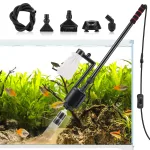
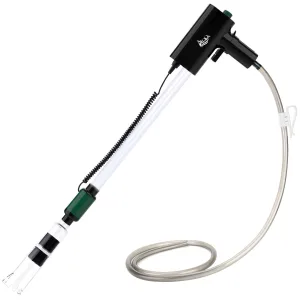
AQQA 5-in-1 Aquarium Gravel Cleaner Set For Removing...




Add comment
You must be logged in to post a comment.