

You might wonder: since fish live in water every day, do they need air? The answer is yes. Have you ever noticed a small device with tubes running to your aquarium and wondered what it does? Often placed outside the tank, this is an aquarium air pump. It plays a crucial role in the health of your fish by supplying the necessary oxygen to their underwater environment.
In this article, we will talk about the functions of an aquarium air pump, why it is necessary, and why newbies might not need it. Keep reading to determine whether your tank needs one.
Table of Content
ToggleWhat is an Aquarium Air Pump
An aquarium air pump is a machine that is designed to allow air into your fish tank to enhance water flow and increase oxygen levels. It does not directly oxygenate the water. Instead, it drives the air stones, filters, and other air-driven devices. This brings up surface agitation that facilitates gas exchange, i.e,. Releasing carbon dioxide and absorbing oxygen. For the novice, air pumps can be particularly useful in small or densely populated tanks. So, you can expect a little natural oxygen exchange.
How Does an Aquarium Air Pump Work
Aquarium air pump functions by pulling in the air from the outside and pumping into the tank through the tubing. It usually employs a diaphragm or a piston mechanism, which is activated using electricity. The air is then put through an air stone/ diffuser, where bubbles are created to be pushed to the surface. This vertical movement is used in stirring the surface of water increasing oxygen exchange. In setups with sponge filters, the pump also helps to suck water through the sponge and gain mechanical and biological filtration.

Aquarium Air Pump Features
Adjustable Flow Rate: Many air pumps have control over the air flow. You can Adjust depending on the size of your tank and the needs of your inhabitants.
Quiet Operation: Some of the modern models have certain noise reducing features such as rubber feet, double walled or double chamber design.
Multiple Outlets: Indeed, advanced air pumps can have more than one outlet. They will allow you to use several devices simultaneously.
Compact Design: The majority of them are small and easy to hide; a very good feature for aesthetic aquariums.
Energy Efficient: Air pumps use little electricity, making them a cheap addition to most tank systems.
Why Use an Aquarium Air Pump
Aquarium air pumps indeed provide much more than simply making bubbles in your tank. For beginners, understanding their purpose can be helpful to establish a healthier, more stable environment for fish. Let’s explore three key functions:
1. Gas Exchange (Oxygenation)
Promoting oxygen exchange at the water surface is one of the most important responsibilities of an air pump. Both the fish and beneficial bacteria in your aquarium require oxygen to survive, and any still water will quickly lose oxygen. When the air pump forces bubbles up through an air stone/ diffuser, it agitates the surface through rising bubbles.
This movement is enabling carbon dioxide to go away, and fresh oxygen enters the water. In tanks where surface movement is not good, especially those with tight-fitting lids or little water flow. In which an air pump becomes essential in ensuring proper oxygen levels.
2. Water Circulation
Even though air pumps do not move the water like the powerheads or the internal filters, they do help the water movement. This is particularly useful in dead zones, zones where debris tends to accumulate because of poor flow in the tank.
Air pump, when attached to a sponge filter or bubble wand, keeps circulating the water from the bottom to the top. Hence avoids stagnation and spreads nutrients and temperature equally. It is very helpful in tall or narrow tanks where circulation is more difficult to achieve.
3. Powering Air-Driven Equipment
Air pumps are necessary to run the air-driven equipment. This includes sponge filters, under-gravel filters, bubble decorations, and protein skimmers in saltwater tanks.
Sponge filters tend to be a popular choice for a beginner due to their low price, efficiency in biological filtration, and subtle flow. They are therefore appropriate for small tanks, fry, or shrimp. Without an air pump, these devices cannot operate properly.
Does Aquarium Need Air Pump?
Yes, the necessity of air pumps is not a must for all aquariums. But there are certain conditions under which they are greatly recommended or even necessary to maintain a healthy underwater environment.
Air Pumps Benefit Diverse Tanks & Fish
Certain types of fish need or prefer greater oxygen levels. They greatly benefit from the additional aeration that an air pump provides. For example:
Goldfish: Create heavy waste and consume large amounts of oxygen. In small or overstocked tanks, oxygen is fast depleted, resulting in stress and diseases. An air pump can counter this because it guarantees constant oxygenation.
Betta fish: They possess labyrinth organs for breathing surface air. But bettas still need water movement. Stagnant water may cause the proliferation of bacteria and high levels of ammonia. A light bubble flow enhances water quality for fish without stressing them.
Livebearers (guppies, mollies, platies): These active social fishes prefer an active environment. Abundant oxygen promotes their metabolic processes. Plus, it also secures them from being suffocated in overcrowded tanks.
Bottom dwellers (corydoras, kuhli loaches, bristlenose plecos): These fish are commonly found in oxygen depleted lower parts of the tank. Air pumps increase circulations that provide oxygen-rich water to the lower layers. That is where these species live most of the time.
Recommended Air Pump Setups
Some aquarium designs and filtration systems restrict the exchange of natural gas or the movement of water. Air pumps make a good alternative in ensuring the best tank health.
Sponge filter-based tanks: Common in breeding, fry, and shrimp setups, the sponge filters completely depend on air pumps. They provide excellent biological filtration with low suction danger. Hence, the best option is for fragile or young aquatic life.
Tall or hexagonal tanks: These tank styles have a reduced surface-area-to-volume ratio, thereby reducing natural gas exchange. Air pumps prompt vertical circulation of water, bringing oxygen-rich water from up above to the bottom and preventing stratification.
Sealed or tightly fitting lid tanks: Air exposure limiting lids can trap the CO₂ and limit diffusion of oxygen. Air pumps break the water surface. Thus, they enhance the process of oxygen intake and excretion of CO₂ even in very congested surroundings.
Hospital or quarantine tanks: These short-term setups usually employ basic equipment to reduce stress and cross-contamination. Gentle, constant oxygenation in sick or injured fish can be ensured. This is done by air-powered sponge filters that help maintain immune function and the recuperative process.
Stagnant or Low-Oxygen Conditions
When fish come near the surface or gasp for air, this is usually an indication of low dissolved oxygen. High temperature tanks (over 78◦F) lessen the solubility of oxygen. Thereby making air pumps significant in heated tropical arrangements.
For emergency instances such as cases of power outages, battery-operated air pumps can save fish lives by creating a minimal flow of oxygen. This is used in cases when filters may have failed to work.

Are Air Pumps Necessary for Beginners?
It is normal for beginners in the aquarium hobby to confuse: do i need an air pump for my fish tank? Although it is not an absolute necessity in all cases. Some important aspects determine if you should get an air pump for your aquarium installation.
Factors for Air Pump Use
Now we know the air pump is important for fish keepers, it’s time to learn how to use air pump properly.
1.Tank Size and Stocking Levels: Smaller tanks (10-20 gallons) and fewer fish may not need an air pump. Especially if they have sufficient filtration. However, large tanks or crowded aquariums tend to have a rapid decline in oxygen volume and air pump use. Thus, it is required to keep the water quality good and the fish healthy.
2. Fish Species: Species of fish, such as goldfish, koi, and large cichlids, produce more waste and consume more oxygen. On the other hand, more resilient fish, such as bettas or shrimp, tend to be able to live without additional aeration. However, bettas even need a little gentle water movement, which can be achieved with an air pump.
3. Filtration System: If you are using a canister filter or a hang-on-back filter. These usually have sufficient surface agitation to oxygenate the water. Thus, an air pump is unnecessary. However, sponge filters or even simple internal filters might require the assistance of a pump in helping with circulation and oxygenation.
Beginner Tanks Without Air Pumps
Small tanks (5-20 gallons): Suitable for beginner hobbyists with minimal care and space.
Betta fish tanks: Betta fish live in slow-moving water and a small tank. A mild filter generally provides sufficient filtration without the use of an air pump.
Guppy and neon tetra tanks: These peaceful, small creatures prefer a low-flow environment. A hang-on-back (HOB) filters may deliver sufficient amounts of oxygenation.
Lightly stocked aquariums: Low stocking levels minimize the demand for oxygen and the basic filtration systems can do well for them.
Water temperatures below 78°F: The sufficiently cooler water can retain Oxygen in excess amounts, reducing the need for aeration.
Low-maintenance setups: Aquariums with few species or stocking levels can work effectively without air pumps. Particularly with frequent water changes.
Risks of No Air Pump
Overcrowded tanks: High fish density will cause increased oxygen use depleting very fast and causing stress. Fish can swim at the surface or exhibit such signs as fast gill movement, struggling to breathe.
Insufficient filtration: The oxygen levels decline in the absence of filter. The water quality worsens, ammonia levels are accumulated, and stress occurs.
High water temperatures (above 78°F): Warmer water will contain less oxygen thus it will be difficult for fish to breathe. Fish may gasp at the surface and this can lead to poor quality of water.
Low water circulation: The stagnant water in ill-circulating tanks decreases oxygen flow, promotion of harmful bacteria growth and stress.
Planted tanks at night: Live plants consume oxygen at night, hence reducing oxygen levels. In the absence of an air pump, fish will be at risk of lacking enough oxygen, causing diseases or death.
Stress and disease: Lack of oxygen and poor circulation in fish weakens fish immune systems, exposing them to diseases. An air pump supports stable oxygen levels and healthy conditions, particularly as stocking grows.
How to Choose the Right Air Pump for Beginners
Selecting the correct air pump is a critical factor in providing good health and longevity for your aquarium. Beginners need to bear in mind things such as the size, power, levels of noise, and its compatibility with your tank arrangement. The following is the breakdown of the considerations:
1. Size and Power Considerations
Choosing the right size and power for your air pump will depend on the size and stocking density of the tank. If a too weak air pump is used, oxygenation will suffer. An overpowered pump can appear too rough, stressing your fish.
Here is the table to consider the specific size for the desired needs.
| Tank Size | Recommended Air Pump Power | Air Pump Type |
|---|---|---|
| 5-20 gallons | 1-2 watts | Small Internal Air Pumps |
| 20-40 gallons | 2-4 watts | Medium-Sized Air Pumps (Suitable for sponge or under-gravel filters) |
| 40-75 gallons | 4-8 watts | Larger Air Pumps with multiple outputs (for multiple devices) |
| 75+ gallons | 8+ watts | High-Power Air Pumps for large aquariums or multiple tanks |
2. Types of Air Pumps Available
There is a wide range of different air pumps depending on specific needs and the fit of the tank setup:
Standard Air Pumps: A typical feature for small to medium tanks, which has reliable oxygenation. Best for tanks that have non-complicated filter arrangements.
Sponge Air Pumps: Suitable for breeding purposes or fry tanks. The air pump is used to run a sponge filter that is ideal for gentle filtration of aquarium fishes without any disturbance to the fragile ones.
Linear Air Pumps: Good for larger setups or multiples of tanks. These pumps have a high flow which is able to accommodate several filters or devices at once.
Diaphragm Pumps: These are generally quieter and power-savers, which are best suited for small tanks or tanks that contain minimal gadgets.
3. Noise Levels and Energy Efficiency
Noise problem of air pump is a possible issue especially in more powerful air pumps. For starters, you might want to take note of noise levels if you are to position the tank in a bedroom or the living room. Search for quieter models or the ones that have noise-reducing designs such as rubber feet or sound insulation.
Energy efficiency is another consideration. Select low-energy air pumps that are designed to run for a continued period as this would help in the reduction of electricity bills in the long run.
4. Compatibility with Your Tank Setup
Make sure that the air pump is fit to work with the filtration system in your tank and other gears. Consider factors like:
Number of devices: If you have a sponge filter, and air-driven decorations, make sure the air pump is able to support multiple outlets.
Water flow preference: Species such as betta require gentle flow of water, while species such as goldfish do well with robust oxygenation. Select a pump that can be adjusted in terms of flow for added flexibility.
If you still don’t have a clear goal after referring to the above table and conditions, you can check our air pump to view our most popular ones.
Final Thoughts
Air pumps are very beneficial for increasing oxygen levels and water circulation. They make air-operated devices such as sponge filters work better. Although air pumps are not necessary, they are still a device that beginners need to be aware of.
For those who are new to fish keeping, they should measure their tank’s size, the oxygen requirements of their fish breed. Also, the configuration of their filtration system is used to determine if an Aquarium air pump is required. Overcrowding, poor water movement, and increased temperatures will sometimes require their use to maintain a healthy aquatic environment.
We hope that you enjoyed reading this beginner’s guide to aquarium air pumps. If you have other questions or need more specific advice, please do not hesitate to leave a message or download the manual to know more.
FAQ
1. How can I test the oxygen in my fish tank?
You can test the oxygen levels in your fish tank using either a dissolved oxygen test kit or a dissolved oxygen meter/probe.
2. Does an air pump give CO2?
No, an air pump does not give CO2. An air pump is designed to add oxygen to the water and create water movement.
3. Can i use air stone only without air pump?
No, an air stone cannot be used on its own. An air stone is a porous device that requires an air pump to force air through it, which then creates a stream of fine bubbles.
4. Does saltwater aquarium need air pump?
No, a dedicated air pump is not strictly necessary for most modern saltwater tanks. Adequate gas exchange (oxygenation) is typically provided by equipment like protein skimmers, sumps, and especially powerheads/wavemakers which create vigorous surface agitation. Air pumps are often avoided in reef tanks.
5. I’ve got a filter. Do I need an air pump for my fish tank if I have a filter?
Generally, no, you likely don’t need a separate air pump and air stone if you have a good filter.
However, whether you need a separate air pump and air stone depends on your filter’s performance. A separate air pump is helpful or necessary if your filter is old or weak and doesn’t move the surface much, if your tank is heavily stocked, if you are running a sponge filter (which requires an air pump to function), or when treating the water with medications.
Related Reading
Related Products For Your Reference
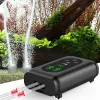
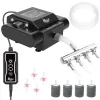
AQQA Adjustable Aquarium Air Pump, 4-Outlet Oxygen Aerator...






Add comment
You must be logged in to post a comment.