
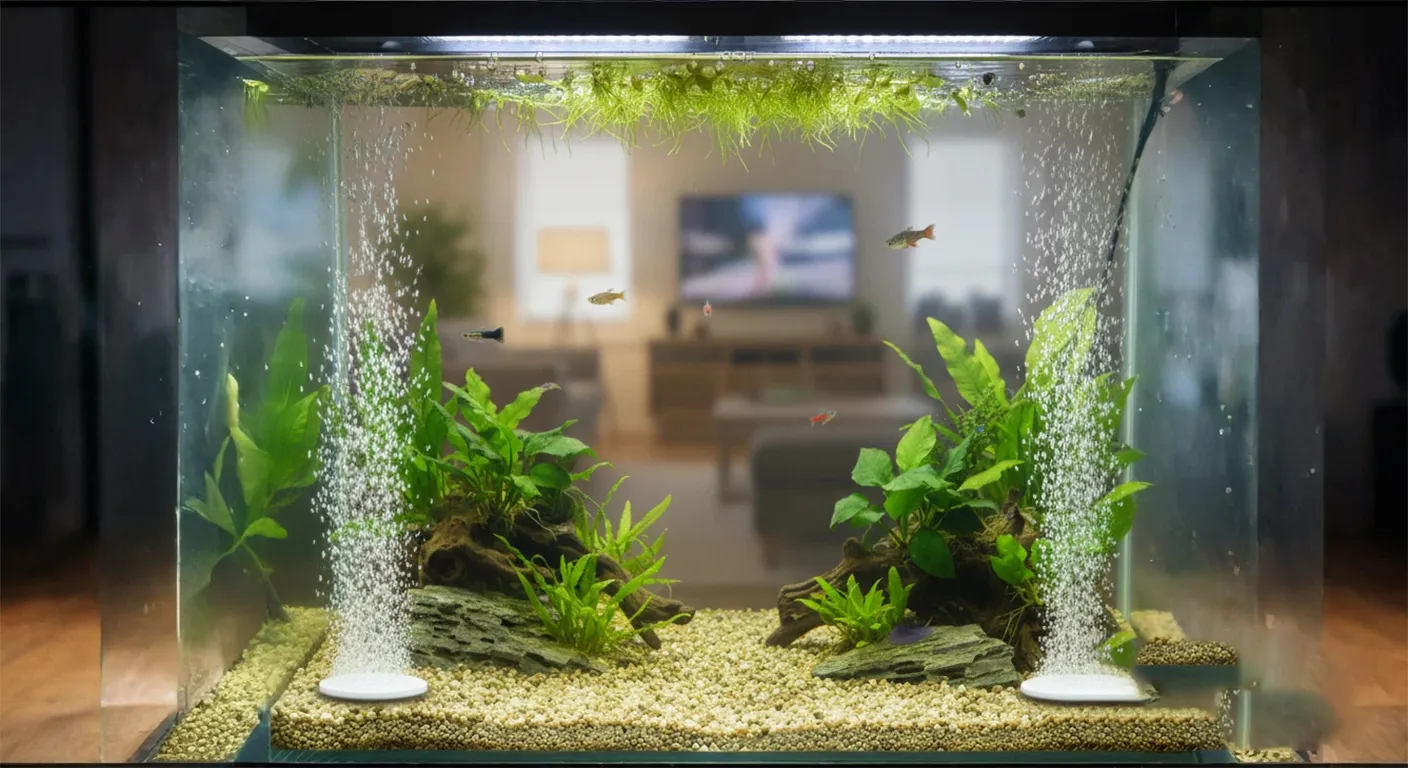
Every fish keeper goes through the same things step by step. And they all get stuck in certain scenarios. Most people do understand quickly that fish need oxygen in the water to survive. But they also get confused with questions like do I need an air pump? An air stone? Or both? Both seem super important, and its hard figure out what each one actually did without understanding.
An air pump is basically the machine that pushes air into your tank. The air stone is just this small porous block, takes that air and breaks it down into tiny bubbles. Those fine bubbles are way better at getting oxygen into the water. Air stones really help with circulation and keeping your tank environment healthy for your fish.
You’ll usually need one if your aquarium doesn’t have much surface movement, the water flow sucks, or you’ve got fish that need tons of oxygen.
Keep reading because, in this article, we’ll break down how air stones actually work, when you really need one, how to pick the right size, and some easy ways to safely boost oxygen levels in your tank.
Table of Content
ToggleWhat is an Air Stone
So what exactly is an air stone (some people call them bubblers)? It’s basically this small porous thing made from stuff like ceramic, wood, or sintered glass. You hook it up to an air pump with a tube. It breaks the air into tiny bubbles that go up through the water. This gets more oxygen in there and gets the water moving better.
Those bubbles break up the surface tension of the water. This means oxygen gets in and carbon dioxide gets out. Pretty simple gas exchange. Your fish stay comfortable. Your water stays healthy. And your tank looks way more lively.
Key Features and Benefits:
Increases oxygen exchange: Gets more dissolved oxygen in there. Your fish and beneficial bacteria need this.
Improves circulation: Stops your water from just sitting there. Spreads nutrients around evenly.
Reduces CO₂ buildup: Keeps your pH stable by getting rid of extra carbon dioxide.
Enhances aesthetic appeal: Makes this cool curtain of bubbles that makes your tank look active.
How Does an Air Stone Works
Here’s how an air stone actually works. It takes air from your pump and pushes it through its porous surface. This creates tiny microbubbles. Those bubbles rise up through the water and create more surface movement. This gets oxygen into the water. The smaller your bubbles are, the more surface area they have. That means more oxygen dissolves into the water way more efficiently.
Tip: Put your air stone near the bottom of your tank. The bubbles travel farther up this way and help circulation even more. The size and material of your stone matter too. Fine-porous stones make smaller bubbles that work better. Coarser stones make bigger bubbles that work better for tanks that need stronger flow.
Air Stone Vs Air Pump: Waht’s the Difference
Both air stones and air pumps play roles in oxygenation, but they are not the same thing. But we know it’s not easy to understand differences. So we created a table below to help you understand what these two actually are.
| Feature | Air Stone | Air Pump |
| Main Function | Diffuses air into fine bubbles | Supplies air pressure and flow |
| Oxygenation | High efficiency due to bubble size | Depends on the air stone or outlet |
| Noise | Silent (passive accessory) | Can be noisy depending on the model |
| Tank Size | Suitable for all sizes when paired properly | Varies by pump capacity |
Do You Need An Air Stone
While it’s good to get an air stone, but it’s not always mandatory. Your filter and surface agitation already get some oxygen in there. But when your tank doesn’t have enough movement or you’ve got more fish, air stones become pretty essential.
You’ll need an air stone if:
Your tank has low surface agitation (the water’s just sitting there calm).
You keep fish that need tons of oxygen, like goldfish or cichlids.
Your aquarium is deep or you’ve got it heavily stocked. This limits natural gas exchange.
You use sponge filters or breeding setups. The extra aeration really helps fry and bacteria.
Bottom line, air stones keep things balanced and oxygen-rich. This benefits all your aquatic life.
How to Choose the Air Stone
Picking the right air stone is all about your tank size, shape, and how much oxygen you need. Here is our guide on choosing.
For Different Tank Sizes
Small (1–10 gal): Use a single small round air stone or nano bubbler.
Medium (10–30 gal): A 3–5 inch bar-style stone spreads bubbles evenly.
Large (40+ gal): Go with multiple air stones or a long bar to cover more area.
Choose Shape and Material
Long bar: Works best for spreading bubbles across wide tanks.
Round: These are compact and perfect for those small aquariums.
Ceramic or sintered glass: Lasts longer, works efficiently, and cleans up easy.
Still not sure which one fits your tank? Check out our air stone collection to learn more about specific models designed for every aquarium size and setup.
Steps to Add Oxygen in Your Fish Tank
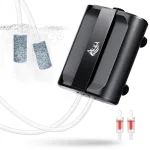
Connect the air tubing from your air pump to the check valve.
Attach the check valve (prevents water backflow into the pump).
Connect the air stone at the other end of the tubing.
Place the air stone at the bottom of your tank.
Turn on the air pump and adjust the bubble flow for smooth operation.
More About Oxygen in Fish Tank
Oxygen isn’t just important for your fish. Your entire aquarium ecosystem needs it. Fish use their gills to pull dissolved oxygen. Along with this, the beneficial bacteria relies on it to break down waste and keep the nitrogen cycle running. When there’s not enough oxygen, both your fish and bacteria struggle. Then you start facing all the problems that leave you scratching your head.
Signs of Low Oxygen
Fish staying at top of tank: When the oxygen content in the water drops, fish will instinctively swim to the surface where the oxygen concentration is highest. If you find them hovering at the surface or panting, this is a sign of low oxygen levels in the aquarium.
Loss of appetite: Low-oxygen environments slow down the metabolism of fish, leading to reduced activity and decreased appetite.
Rapid gill movement: Fish breathe faster to try and pull more oxygen from the water when levels are low. When their gills flaring and moving rapidly, it means a clear stress sign that they’re struggling to get enough air.
If you see these signs, bump up the aeration right away. Clean your filters, add air stones, or lower your water temperature a bit to help oxygen dissolve better.
Conclusion
Oxygen matters way more than most people realize. Your fish need it to survive. Your beneficial bacteria need it to break down all the waste. Without enough oxygen, stuff starts going downhill fast. When you grab an air stone that actually matches your tank size and how you’ve got things set up, you’re basically creating a space where everything can actually thrive instead of just survive.
If you’re new to keeping fish, this is one upgrade you shouldn’t pass on. It’s cheap, super easy to set up, and honestly makes a noticeable difference. Throw an air stone in your tank and you’ll see what I mean. Your water stays cleaner, and your fish act way more lively.
Fishkeeping is always something more for you to learn. You should never stop learning about the environment; these species want to stay happy. As long as you keep expanding your knowledge, you will keep yourself away from unexpected problems in your tank.
FAQs
1. Do I need an air stone if I have a filter?
Not always. Your filter already moves water around. However, if your tank doesn’t have much surface movement or you’ve got a lot of fish then add an air stone for extra oxygen.
2. Can I use an air stone without pump?
No, it definitely needs a pump to push air through it. Without it? it just sits there doing nothing.
3. Can I use air stone to replace bubbler?
An air stone IS a bubbler. Same thing, different names.
Related Reading
Related Products For Your Reference
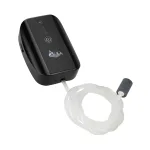
Multifunctional Rechargeable Aquarium Lithium Battery Air Pump (1.7W)
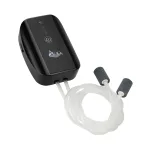
Multifunctional Aquarium Lithium Battery Air Pump (2.5W/5W) with...



Add comment
You must be logged in to post a comment.