
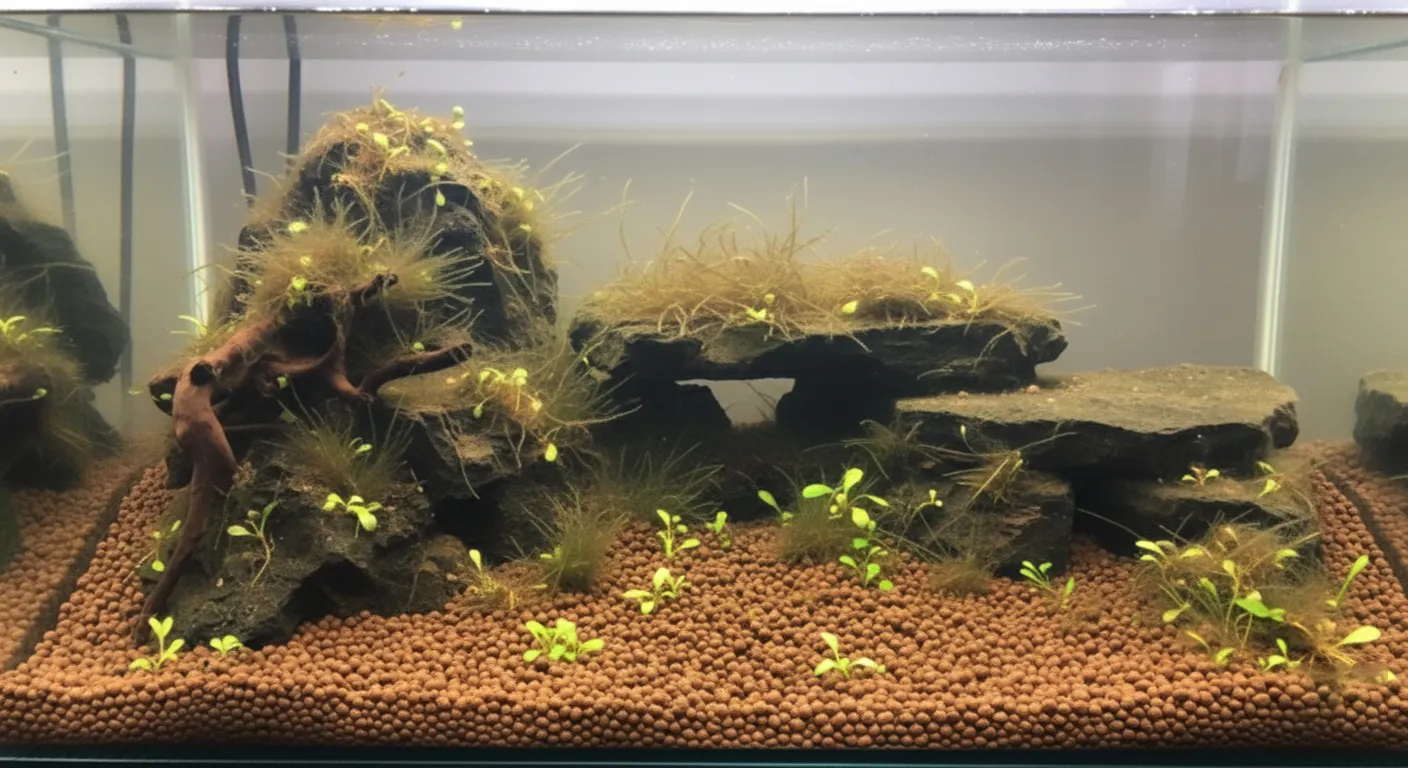
I recall the fun I had when I established my first aquarium. The grass seemed green, the fish were swimming gracefully, and the water was sparkling in the sunlight. Everything appeared fine until one day, when I saw that something was wrong; there was a coating of thin brown coating covering the glass, decorations, and leaves.
The brown algae or diatoms grow in tanks where the conditions are unstable, nutrients are excessive, or silicates are overabundant. Fortunately, after several experiments, I came up with an easy and decent method of getting rid of them.
In this guide, we’ll go through the three practical steps to get rid of brown algae:
1. Manual Removal of Brown Algae
2. Water and Nutrient Control
3. Introducing Natural Competition and a Clean-Up Crew
You will also get to know how to keep them out, what the majority of beginners disregard, and the most appropriate maintenance schedule to keep your aquarium clean and healthy.
What is Brown Algae
Brown algae consist of microscopic organisms called diatoms, which normally thrive in fresh and saltwater tanks. They also create a brown dusty coat that coats the glass, plants, rocks, and ornaments. This coating may be an environmental hazard, but in most cases, it is not harmful and is simple to get off as long as you know what caused it.
The specialty of diatoms is that the walls of their cells are composed of the natural substance, silica, which is present in sand, tap water, and some substrates. With the presence of high volumes of silicate, they multiply at a fast rate because the silicate is used as a source of food. They usually occur in recently formed tanks that are yet to complete the full cycle, where the water chemistry is still in equilibrium.
The positive thing is that in the majority of cases, brown algae are temporary. The growth of these planktons will diminish naturally as such when your aquarium grows and stabilizes. Nevertheless, their early removal will assist in stopping their invasion of your tank and influence the health of plants.

Why Brown Algae Matters
On the one hand, brown algae are not harmful to your aquarium by themselves, but on the other hand, they may have adverse implications on the aquarium ecosystem. Their formation causes the formation of the dusty layer that hinders photosynthesis since light can no longer reach the plants. This eventually cripples the growth of flora and gives way to algae.
Moreover, dense growth of algae will reduce the amount of oxygen available to the water surface. This situation may induce stress in your fish that may result in slow movement or lack of appetite. An algae-covered tank also contributes to the lack of visibility, which lowers the fun of watching your aquatic pets.
Controlling brown algae is not all about appearances. It is concerned with keeping the environment stable and rich in oxygen, where fish and plants thrive along with the useful bacteria.
Brown algae can be easily mixed with other kinds. This can be a problem, especially for people who are new to the aquarium. The following are the ways to determine them:
Brown Algae: Looks like a powdery, dusty coating that easily wipes off surfaces.
Green Hair Algae: Appears stringy and fibrous, forming long, thin strands around plants and rocks.
Cyanobacteria (Blue-Green Algae): Feel slimy to the touch and form colored mats, often producing a foul smell.
If your tank has a brown, dusty film that wipes off with a finger, you’re dealing with brown algae.
Main Causes of Brown Algae
Before you attempt to take them away, it is vital to know the cause of them. The cause of brown algae is primarily caused by the disparity in the water quality and surplus nutrients.
1. Excess Silicates
The major component that acts as the driving force of brown algae growth is silicates. They find their way to your tank mostly in tap water, substrates, or aesthetic sand. There are also aquarium products that release silicates through the first few weeks of utilization. Due to high levels of silica, diatoms multiply quickly since they use silica in constructing their cell walls.
2. Excess Nutrients
Algae brown prospers in high levels of nitrate and phosphate. Nutrient buildup occurs due to overfeeding, decomposition of plants, and ad hoc water replacement. With the increase in nitrates, algae are easier to spread.
3. Low Light and Poor Circulation
Unlike other algae, diatoms grow well in dim or low-light conditions. Poor water movement also contributes, allowing silicates and debris to settle at the bottom, where algae flourish.
Step-by-Step Guide: Get Rid of Brown Algae
Now that you understand the reasons they exist, it is time to take the 3 steps to eliminate them.

Step 1: Manual Removal of Brown Algae
Manual cleaning is your first line of defense. It removes visible algae quickly and gives your tank a clean start.
1. Cleaning Tank Surfaces
Glass: Clean the glass using an algae scraper, or magnetic cleaner, or a soft sponge, and wipe the glass gently. Anything sharp should not be used as this may scratch it.
Decorations and Rocks: Wipe under warm water by means of a clean brush. Should never use soap or detergents, which are bad for fish.
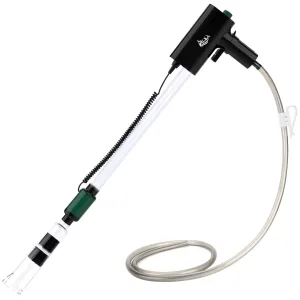
Substrate or Sand: A gravel vacuum can be used when changing water. Slow it down through the sand to vacuum algae, waste, and unconsumed food.
2. Cleaning Plants
Softly brush the leaves of the plant using a soft toothbrush or an algae pad. This eliminates the thin film without harming fragile leaves. When the leaves of certain trees are extensively coated, cut them off to stimulate the growth of new leaves.
Note: The manual cleaning will not prevent the appearance of brown algae, but it is also a required step before making any changes in the water quality.
Step 2: Water & Nutrient Control
This measure is aimed at stabilizing the chemistry of your aquarium and preventing diatom growth.
1. Find the Root Cause
Brown algae are present when the concentration of silicate, nitrate, or phosphate is excessively great. They are also usually found in tanks, which are yet to grow. This is how you should determine which state your arrangement would be in.
2. Testing & Adjusting Water Parameters
Silicates: Test your tap or tank water by using a silicate test kit. When readings are high, then water changes must be done with reverse osmosis (RO) water. Silicate-removing resin filters also assist in the reduction of accumulation.
Nitrates & Phosphates: These are enhanced as a result of unconsumed food, fish waste, and the disintegration of plants. Water changes should be done at 20-30 per cent weekly, and should not be overfed. Clean filters on a regular basis, but never change all the media simultaneously.
Temperature & pH: Keep your tank temperature stable (24–26°C for most tropical fish). Maintain a neutral to slightly acidic pH (6.8–7.2). Sudden fluctuations stress fish and promote algae growth.
Regular water testing ensures your tank remains stable, reducing the chance of algae outbreaks.
Step 3: Introduce Natural Competition & Clean-Up Crew
When you are ready to keep your tanks clean and the water parameters are balanced, you will see the need to add natural helpers.
1. Add Algae-Eating Species
There are invertebrates and fish that adore feeding on brown algae. They’ll make you stay in a clean world.
Freshwater Tanks: Introduce Otocinclus catfish, Amano shrimp, or Nerite snails. They are non-violent, as well as very efficient in eliminating diatoms.
Saltwater Tanks: Consider Turbo snails, Nassarius snails, or Lawnmower blennies. The species are continuous grazers that ensure the surface is clean.
2. Out-Compete with Plants
Some plants grow rapidly, such as hornwood, water wisteria, and Vallisneria, which absorb the excess nutrients, and algae have little to absorb. The healthier the plants, the less the chances that brown algae would recur. You can use root tabs or liquid fertilizers to keep them strong.
3. Optimize Lighting
Light plays a crucial role in algae growth. Both excessive and inadequate lighting can trigger problems.
Light Duration: Keep your aquarium light on for 6–8 hours a day. Longer durations encourage unwanted algae.
Light Intensity: Use moderate-intensity LED lights suited for your tank size. Avoid placing your aquarium in direct sunlight.
A consistent lighting schedule helps maintain balance and prevents sudden algae growth.
Additional Tips
To make your tank truly stable and resilient, here are some extra tips that most beginners overlook:
Promote Beneficial Bacteria: These bacteria consume ammonia and nitrite, reducing food sources for algae. Use bio-media or bacterial supplements to maintain healthy colonies.
Avoid Overcrowding: Too many fish increase waste and nutrient levels. Maintain a balanced population for your tank size.
Improve Water Circulation: Add a small powerhead or air stone to keep water moving. This prevents debris buildup and improves oxygenation.
Feed Wisely: Feed only what fish can eat within 2–3 minutes. Overfeeding is one of the leading causes of nutrient imbalance.
Seasonal Adjustments: During winter or cloudy months, lighting intensity may drop. Adjust light duration slightly to maintain plant growth without promoting algae.
How to Prevent Brown Algae
Once your tank is clean, prevention becomes your top priority. Follow these simple habits to keep it algae-free:
Use Clean, Low-Silicate Water: Always use RO or distilled water for top-ups and changes.
Regular Maintenance: Change 20–30% of the water weekly and vacuum debris from the substrate.
Proper Filtration: Choose filters that provide strong mechanical and biological filtration.
Monitor Nutrients: Test nitrate and phosphate levels regularly. Keep nitrates below 20 ppm for a healthy balance.
Maintain Light Discipline: Avoid keeping lights on longer than needed. Use a timer for consistency.
Clean Equipment: Wipe filter tubes, heaters, and thermometers to prevent biofilm buildup.
Conclusion
The brown algae are typical, particularly in new or unbalanced aquariums, but disperse with time. Their occurrence is primarily caused by high silicates, too much nutrition, and disturbed water conditions.
With these three simple steps of manual removal, nutrient control, and natural cleaner addition, you will be able to reestablish beauty in your aquarium. This regular testing, good feeding, and constant light will make this tank prosper.
Aquariums consist of live ecosystems. They need patience, equanimity, and regular attention. Once you master these basics, brown algae will no longer be a problem — your fish and plants will thank you for it.
FAQ
1. How long does it take to remove brown algae completely?
Usually, within two to three weeks, depending on tank size, water quality, and maintenance routine.
2. Are brown algae harmful to fish?
Not directly, but they reduce light and oxygen, stressing plants and fish over time.
3. Can chemical algaecides be used safely?
It’s best to avoid them. They can disrupt bacterial balance and stress sensitive fish species.
4. Why does brown algae keep returning?
It usually reappears when nutrient levels remain high or silicates aren’t removed properly.
5. What are the best algae-eating species for my tank?
For freshwater tanks: Otocinclus catfish, Nerite snails, or Amano shrimp.
For saltwater tanks: Turbo snails, Nassarius snails, or Lawnmower blennies.

Aquarium Strong Magnetic Cleaner Brush with 2 Detachable...
Original price was: $11.99.$11.24Current price is: $11.24.

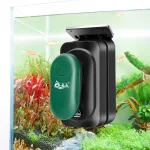
AQQA Aquarium Strong Magnetic Cleaner Brush, Algae Magnet...
Original price was: $20.69.$19.54Current price is: $19.54.




Add comment
You must be logged in to post a comment.