
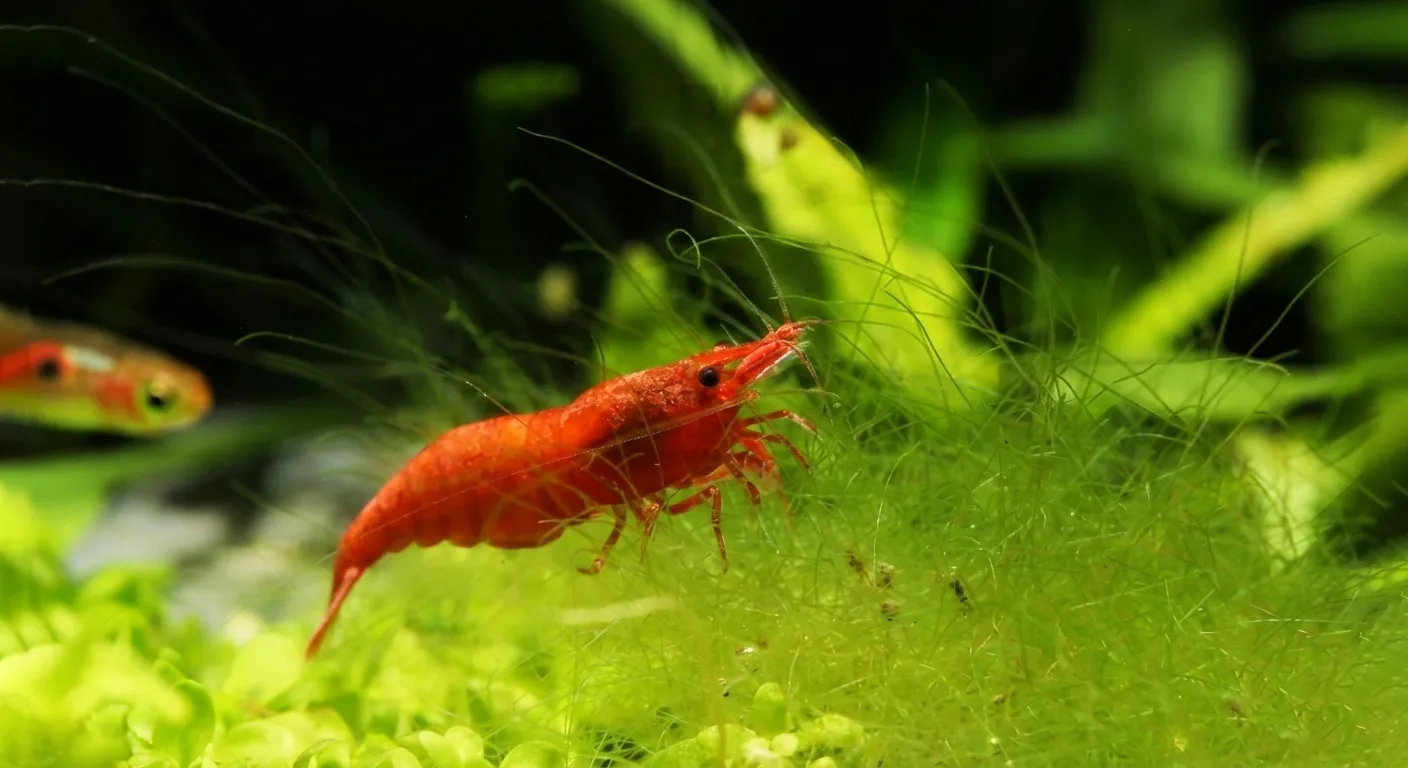
When I first started keeping fish, I picked a simple freshwater tank and thought everything was going fine. One day, while feeding my fish, I saw these thin green strands stuck on my decorations. It looked like wet hair or something. I didn’t really care about it at first. Seemed harmless to me. But then after a few days, those strands started spreading everywhere. On my plants, on the driftwood, even on the filter intake.
What was just a small green spot quickly covered my whole tank. This is super common for people who keep freshwater fish. Happens a lot if you’re just starting out. Hair algae can show up suddenly, and it grows really fast. The good news is you can fix this problem. There are many ways to remove it and also prevent it from coming back.
In this guide, we’ll explain what hair algae is, why it appears in your tank, how it’s different from other algae types, and most importantly, 6 methods that work well to get rid of hair algae safely and effectively.
What is Hair Algae
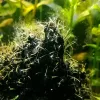
Hair algae is a filamentous algae that looks like long, soft threads. You’ll see it stuck on your plants and decorations. Also on driftwood and equipment. The strands wave around when water flows past them. Most of the time, they’re bright green. Sometimes darker green, though. They grow in bunches and get pretty long if you don’t deal with them.
This stuff loves when your tank’s messed up. It could be too much light. It could be excess nutrients. When everything’s just right for it, hair algae takes off like crazy. It covers your plants and blocks their light. Debris gets stuck in there, too. Your fish will be fine around it. But your water quality tanks if it spreads everywhere. And it’s telling you something in your setup isn’t working right.

Is Hair Algae And Green Algae The Same Thing
Lots of people mix these up. Hair algae is green algae. But green algae isn’t always hair algae. Green algae is the whole group. Hair algae is just one type of algae. In the same way, a poodle is a dog, but you wouldn’t call every dog a poodle.
| Feature | Hair Algae | Green Algae |
| Appearance | Long thread-like strands look like wet hair | Thin film, dust, or spots on surfaces |
| Texture | Soft and stringy, waves in water | Varies from powdery to slimy film |
| Where it Grows | Plants, decorations, driftwood, equipment | Glass, substrate, plant leaves |
| Growth Speed | Grows very fast when conditions are right | Medium to fast growth |
| Main Causes | Excess nutrients, too much light, and a CO2 imbalance | Highlight, excess nutrients |
| Harm to Fish | Doesn’t harm fish directly, but affects water quality | Generally harmless to fish |
| Difficulty in Removing | Moderate, needs consistent effort | Easy to wipe off glass, harder on plants |
| Common in | Established tanks with imbalances | Most aquariums at some point |
Why Hair Algae Appears In Aquarium
Hair algae shows up when your tank’s out of balance. It’s not usually one big mistake. More like a bunch of small things going wrong that algae jumps on fast.
Unstable Tanks
New tanks get hair algae all the time. In those first few weeks, your biological system hasn’t settled yet. Makes it super easy for algae to grab onto excess nutrients and wonky conditions.
During the first 4 to 8 weeks after you set up your tank, beneficial bacteria are still building up. These bacteria break down waste. But until they’re fully established, nutrients spike randomly. Natural algae blooms happen during cycling. Hair algae is one of the fastest to pop up when things are unstable.
Plant Stress
When your plants get stressed, they can’t fight algae anymore. They just lose that ability. Here’s what causes plants to leak nutrients:
Leaves die back right after you plant them
Nutrients leak out from damaged or melting tissue
Roots don’t establish properly
Sudden changes in water or lighting hit them
Light Imbalance
Lighting problems cause a ton of hair algae growth. Algae react to light faster than plants do. Especially when you’ve got too much light, or it’s inconsistent.
Long photoperiods give algae more time to grow. Inconsistent schedules mess with plant growth cycles. Hair algae loves it when the light is stronger than what your plants need. This happens a lot in tanks with slow growers or newly planted stuff. If you suddenly upgrade to brighter lights, you’ll probably get an outbreak. Plants need time to adjust. Algae doesn’t.
Nutrient Instability
Hair algae goes crazy when nutrients swing around too much or get unbalanced. Common nutrient problems include:
Big or frequent water changes cause rapid nutrient swings
Over-cleaning or aggressive filtration drops nutrients to zero
Uneaten food sits there and breaks down into waste
- Decaying stuff gets trapped in the substrate or decorations
Early Warning Signs of Hair Algae
Hair algae doesn’t just appear overnight. You usually get clues before it takes over.
Fine green threads start forming on plant edges or hardscape
Soft strands wave gently in the water flow
Algae collects on filter intakes or tubing
Plants slow down growing while algae spreads
Decorations get fuzzy or stringy coatings on them
6 Proven Methods to Remove Hair Algae
You can’t get rid of hair algae with one quick trick. The best way is to combine physical removal with fixing your environment and keeping things balanced long term. These six methods are in order on purpose. Starting with the safest and most basic stuff, then moving to more targeted fixes.
1. Manual Removal (Your First and Safest Step)
Manual removal should always be what you do first when hair algae breaks out. It cuts down algae mass right away without adding chemicals or messing with your beneficial bacteria.
Tools and techniques
Use tweezers, a toothbrush, or a small algae pick to twist and pull hair algae off plants and hardscape gently.
Go after the heavily affected spots first. Especially those fast-spreading strands.
Do this during water changes so you can siphon out the loose algae.
When and how often
Manual removal works best when you do it weekly. Especially during early or moderate outbreaks. It won’t fix the root cause by itself. But it weakens the algae big time and stops it from spreading while your other fixes kick in.
Limitations
Hair algae comes back if the underlying problems stay. Manual removal controls it. It doesn’t cure it.
2. Improve Flow & Circulation
Bad water circulation lets nutrients and waste settle down. Creates perfect conditions for hair algae to grow.
Signs of insufficient flow
Debris piling up in dead zones
Plants gently collapsing instead of swaying
Hair algae growing in specific stagnant spots
Corrective actions
Adjust your filter outputs to create gentle surface and mid-water movement
Add a small circulation pump if you need to. Especially in planted tanks.
Test flow by watching how plants move and tracking fine particles
Better circulation spreads nutrients evenly. Stops algae from getting localized advantages.
3. Trim & Strengthen Aquarium Plants
Healthy plants are your best long-term defense against hair algae.
Corrective plant actions
Remove heavily infested or damaged leaves completely
Don’t try to save algae-covered leaves. They usually keep leaking nutrients anyway.
Add hardy, low-demand plants that establish quickly
Increase plant mass gradually to compete better for nutrients
Strong plant growth starves algae of the excess nutrients it needs.
4. Adjust Lighting (Duration Over Intensity)
Lighting issues are one of the biggest triggers for hair algae outbreaks.
Key lighting adjustments
Cut photoperiod down to 6 to 8 hours per day
Keep a consistent daily lighting schedule
Don’t make sudden changes in lighting duration or strength
Light duration matters way more than intensity
Blackouts are rarely needed. They usually stress plants more than algae. Consistency works way better than drastic moves.
5. Spot Treatment (Targeted, Not Aggressive)
Spot treatments can help when algae sticks around in specific areas after you’ve fixed the balance.
When spot treatments make sense
Algae is localized and not everywhere
Manual removal alone isn’t cutting it
Plants and livestock are otherwise healthy
Hydrogen peroxide overview
Used in small targeted doses
Applied directly to affected areas with the flow temporarily turned down
Whole-tank dosing is risky. Not recommended
Important cautions
Stay away from sensitive plants and livestock
Never rely on chemicals alone
Spot treatments should support mechanical removal and balance. Do not replace them
6. Algae Eaters (Support, Not a Solution)
Algae eaters can help with control. But don’t rely on them as your main solution.
They help by:
Grazing on soft algae growth
Preventing regrowth after you manually remove it
Keeping surfaces cleaner between maintenance sessions
Algae Eaters NOT Suitable for Hair Algae Control
Chinese Algae Eater: Gets aggressive as it matures. Unreliable algae eater.
Common Pleco: Grows way too large and produces tons of waste
Florida Flagfish: Can damage plants and bother tank mates
| Animal | Tank Maturity | Effectiveness | Shrimp Safe | Notes |
| Nerite Snails | Mature | Moderate | Yes | Excellent grazers, won’t overpopulate |
| Amano Shrimp | Mature | High | Yes | One of the best hair algae consumers |
| Otocinclus | Mature | Moderate | Yes | Sensitive, needs stable tanks |
| Siamese Algae Eater | Established | High | No | Effective but outgrows nano tanks |
The Long-Term Prevention
After you get rid of hair algae, long-term success comes from keeping things stable. Not reacting to every tiny change. A consistent routine stops hair algae from coming back and keeps your tank balanced.
Weekly routine:
Do partial water changes to clear out excess nutrients.
Manually remove any early algae strands before they spread.
Check your plants and trim damaged or shaded leaves.
Watch fish behavior and feeding to avoid overfeeding.
Monthly tasks:
Rinse filter media gently in tank water to keep beneficial bacteria alive.
Check lighting equipment and make sure timers are still accurate.
Review water parameters to catch slow nutrient drift.
Look at the flow again and adjust the equipment if dead zones show up.
Stocking & planting balance:
Don’t overstock fish. More fish means more waste and nutrients.
Keep enough healthy plant mass to beat algae in competition.
Add livestock or plants slowly. Let the system adapt.
Pick species that match your tank size and how much maintenance you can do.
Common Mistakes Beginners Will Make
A lot of hair algae problems stick around, not because people don’t try. It’s because beginners react too hard or too inconsistently. These mistakes usually create new imbalances instead of fixing the original problem.
Chasing ratios and numbers:
Constantly tweaking nutrients or parameters without watching how plants respond.
Copying fertilization schedules that don’t fit your tank size or lighting.
Focusing on test results instead of overall tank behavior.
Over-cleaning filters:
Washing filter media in tap water and killing beneficial bacteria.
Cleaning filters too often and messing up the nitrogen cycle.
Replacing all filter media at once instead of doing it in stages.
Overusing chemicals:
Relying on algaecides as the main fix.
Treating the whole tank instead of just targeting problem spots.
Ignoring what’s actually causing the algae growth.
Making too many changes at once:
Adjusting lighting, nutrients, and flow all at the same time.
Not waiting to see results from a single change.
Creating repeated stress for plants and fish.
Conclusion
Hair algae in freshwater tanks is common and totally solvable, especially for beginners. Once you understand what hair algae is, why it shows up, and how it relates to tank stability, lighting, plants, and nutrients, you can handle it calmly instead of panicking.
Here’s the thing. Hair algae is rarely from dirty water or a single mistake. Most times, it’s from an imbalance. It could be unstable cycling. It could be inconsistent lighting. It could be stressed plants or nutrients bouncing around. By following the six methods in the right order and starting with manual removal and tank balance instead of chemicals, you can remove hair algae effectively without hurting your fish, plants, or beneficial bacteria.
Long-term success comes from small, consistent actions. Not quick fixes. Watch your tank weekly. Make gradual adjustments. Give the tank time to respond. With patience and proper maintenance, hair algae will fade on its own. Your freshwater tank will become clearer, healthier, and more stable over time.
FAQ
1. Do ghost shrimp eat hair algae?
Ghost shrimp might nibble on very fine or soft hair algae, especially when food is limited. But they’re not reliable hair algae eaters. Better to think of them as general scavengers instead of your main algae control. Manual removal, plant health, and tank balance work way better.
2. I got some hair algae in black—can I get rid of it using the methods in this guide?
Yes. Black hair algae gets confused with black beard algae sometimes. But you can manage it using the same core principles from this guide. Improve flow, stabilize lighting, strengthen plants, and use spot treatments when needed.
3. Can I follow these guides to get rid of hair algae in a saltwater tank?
Not directly. The concept of imbalance applies to both systems, sure. But saltwater tanks work very differently. Different lighting, different nutrients, different filtration, different livestock. The methods in this guide are made for freshwater tanks. Saltwater systems need separate, specialized approaches.
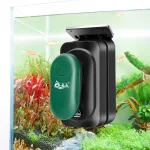
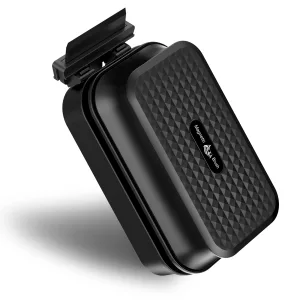
Aquarium Strong Magnetic Cleaner Brush with 2 Detachable...
Original price was: $11.99.$11.24Current price is: $11.24.
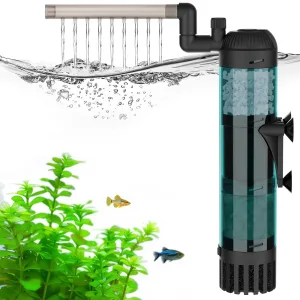
AQQA Aquarium Strong Magnetic Cleaner Brush, Algae Magnet...
Original price was: $20.69.$19.54Current price is: $19.54.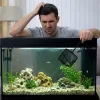

Add comment
You must be logged in to post a comment.