
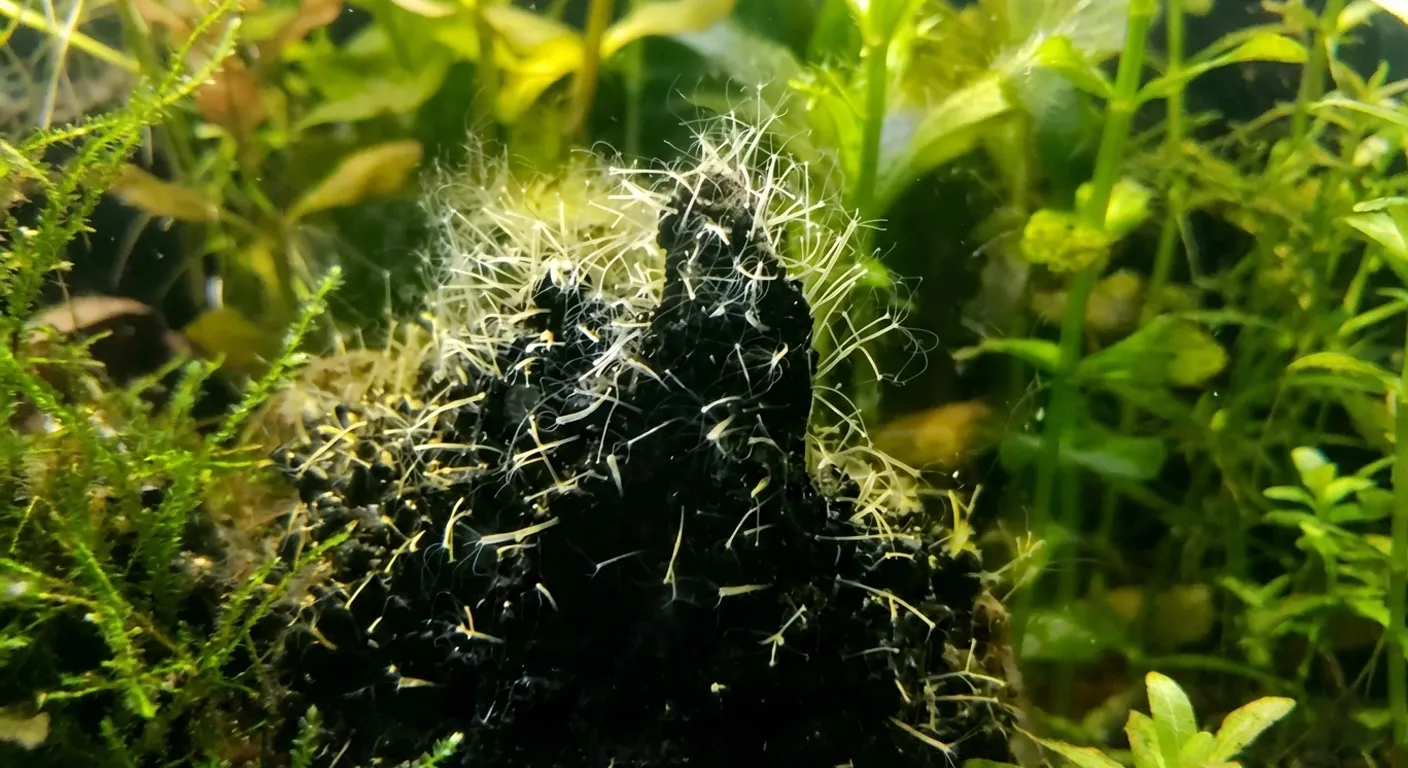
I still remember the first time I saw them. I was feeding my 5-gallon betta tank when I noticed these tiny transparent tentacles waving on my moss wall. Honestly, I thought it was just debris floating around. A week later, my baby shrimp started disappearing. And those tentacles? They were everywhere now. What started as one tiny hitchhiker had completely covered my tank.
Those little tentacles are Hydra. It’s a freshwater predator that gets into your tank without you knowing. Nano aquariums get hit the worst. Too much powdered food, and small creatures multiply fast in small tanks. This makes the perfect place for hydra to grow like crazy.
In this guide, we’ll go through what hydra are and why they love nano tanks. How to check if you actually have them. When you should just watch versus when you need to do something. And four ways that work to remove them without killing your whole aquarium.
What is Hydra
Hydra are these small freshwater creatures with a tube-shaped body. They have a sticky foot that sticks to surfaces and around 6 to 12 tentacles for catching food. They reproduce super fast by budding. They love calm water that has lots of nutrients.
At first, you can barely see them. But once they start multiplying, they become a real problem. Especially for shrimp babies and fish fry.

Why Hydra Thrives in Nano Tanks
Nano tanks make every small mistake bigger. You drop one pinch of fried food that doesn’t get eaten? The nutrients shoot up immediately. This creates ammonia spots, and tons of tiny organisms start growing everywhere. Hydra love this setup because they can clone themselves every single day through budding.
Small water volume. Low water flow. Powdered foods. Not much filtration. All of these things together make the perfect place for Hydra to breed like crazy. In bigger tanks, these problems get diluted by more water. But in nano tanks? Everything builds up really fast.
Confirming Hydra Before You Act
You need to look carefully before doing anything. A lot of tank problems look like hydra, but they’re not. If you get it wrong, you might treat your tank for no reason or even make things worse.
Factors That Need To Be Observed
Translucent stalks that grow up to around 0.4 inches tall
6 to 12 thin tentacles that pull back when you touch them
Green color on some hydra, which means they have algae living with them and can survive longer without food
Rule Out the Following
White fuzz that’s actually bacterial growth with no tentacles
Planaria, which have flat bodies and no stalk
Detritus worms that wiggle around but have no tentacles
When to Treat
Treat: Your shrimp babies keep disappearing, and hydra numbers are doubling every week
Observe: You have less than 20 hydras, and your tank only has fish in it
4 Ways to Remove Hydra in Nano Aquariums
Once you confirm you have hydra, pick a treatment that matches how bad the problem is and how sensitive your tank is.
Method 1: Precision Feeding
Hydra grow like crazy when there’s too much micro-food around. Especially powdered fried food and shrimp food. In nano tanks, even feeding just a little too much can keep a huge hydra population alive. So controlling how you feed is the best first step you can take.
Feed powdered foods for only 10 seconds per day maximum. And only feed in one specific spot. Use airline tubing to make a ring that stops food from spreading all over the tank. This keeps the food away from the hydra but still feeds your fish or shrimp properly.
Nano-Specific Tweaks
Put your feeding ring right above your sponge filter so leftover food gets sucked into the filter
Add a small powerhead around 50 GPH to:
Push hydra off your plant leaves and rocks
Stop food particles from sitting in corners where water doesn’t move much
If you keep feeding this way consistently, hydra numbers usually drop a lot within 1 to 2 weeks.
Method 2: Syringe Spot Treatments
Spot treatment goes after the hydra you can see without putting chemicals in your whole tank. This method uses direct contact on specific spots. It works really well for nano aquariums.
Use a turkey baster or syringe to apply the solution right onto where the hydra are growing. You’re not dosing the entire tank. Just hitting the problem areas.
Tools
3 ml syringe or turkey baster
10% saltwater or 1:10 lemon juice solution (one part lemon juice, ten parts water)
Application Method
Gently suck up hydra patches with the solution or spray it on them
Keep the solution touching them for about 5 minutes
Do this again every 48 hours if you need to
Treat the glass surfaces first, then go for the plants
This method is pretty safe for nerite snails and your established biofilm if you’re careful and only treat small areas.
Why It Works in Nanos
Goes straight for the hydra without changing your whole water chemistry
Small tank size means you see results fast
Less stressful than treating the entire tank
Easy to do again, and you control exactly where it goes
Method 3: Nano-Sized Natural Predators
Some small animals actually eat hydra polyps. They bring down the population slowly while making your tank more interesting to watch. In nano setups, you can only use really tiny predators, though.
These predators won’t kill all the hydra in one night. But they thin out the population steadily over 7 to 21 days.
Best Options
3 to 5 juvenile spixi snails around ¼ inch in size
1 to 2 baby Endler guppies
Deployment
Acclimate them slowly over about 2 hours
Feed them lightly so they go hunt for hydra instead
You should see the hydra going down within 7 to 10 days
Population Control
Take out snail eggs every week
Move guppy babies to another tank when they grow bigger
This keeps long-term control without stuffing too many animals in your tank
Method 4: Filter Upgrades + Quarantine
This method focuses on removing what the hydra eats instead of killing the hydra directly. When you do it right, filter upgrades and quarantine can cut down re-infestation to below 5%. This makes it one of the most reliable ways to deal with hydra in nano aquariums.
Install a washable sponge filter.
Catches more of the floating tiny organisms that hydra feed on
Creates a gentle water flow all the time, which stops dead spots where the hydra stick
You can squeeze and rinse it every week to get rid of trapped microorganisms
Safe for shrimp, fry, and nano fish compared to strong hang-on filters
Soak aquatic plants in a special solution.
Stops you from bringing hydra back that are hiding on moss, roots, and plants with tiny leaves
Kills invisible polyps and eggs that survive normal rinsing
Super important for plants that come from shrimp tanks or outdoor containers
Do this before every new plant goes into your nano aquarium
Use a fixed feeding ring and check decorations.
Keeps powdered food in one spot instead of floating all over your glass and rocks
Stops food from sinking into cracks where hydra set up their feeding areas
Decorations with holes, grooves, or biofilm need to be scrubbed or boiled if you can take them out
Feeding rings also make it obvious right away when you’re feeding too much
All methods require a layered application.
Filtration by itself won’t get rid of hydra colonies that are already there
Quarantine stops them from coming back, but doesn’t remove the ones you have now
Best results happen when you combine feeding control, spot treatments, and filtration
Using multiple methods at once stops them from coming back, even in really small nano tanks
Here’s a quick table to understand better.
| Method | Time to 90% Clearance | Cost (USD) | Effort (1-5) | Reinfestation Risk | Ideal Nano Type |
| Controlling Feeding | 2–4 weeks | $0–5 | 2 | Medium | Shrimp-focused nanos |
| Syringe Spot | 5–10 days | $5–10 | 3 | Low | Planted nano tanks |
| Predators | 1–3 weeks | $5–15 | 2 | Medium | Open, lidless nanos |
| Upgrades/Quarantine | Long-term | $10–25 | 3 | Very Low | All nano aquariums |
Risk Assessment: Treat or Watch?
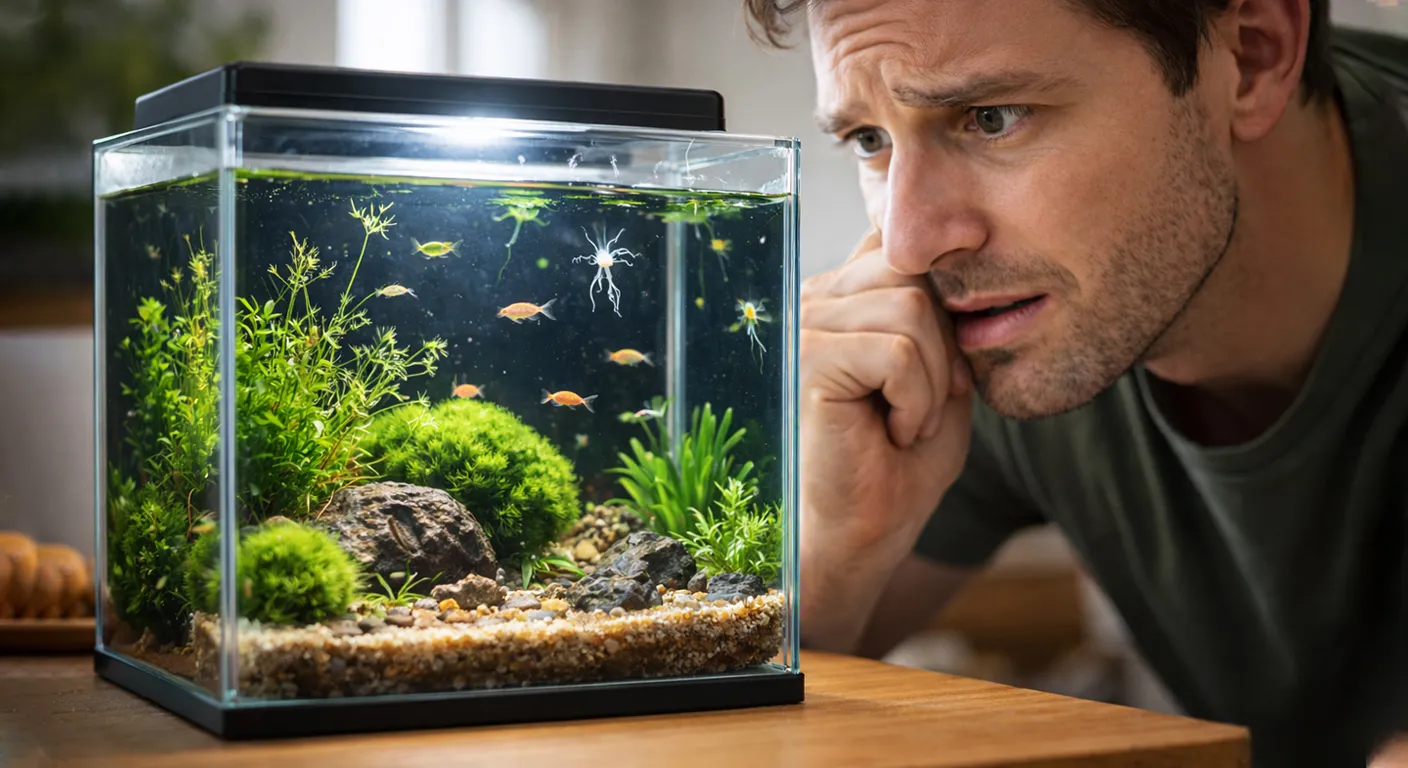
If your hydra numbers stay the same and your fish or shrimp look fine, sometimes just watching the tank is the safest thing to do. Not every hydra you see needs treatment right away. Careful monitoring helps you avoid treatments that might stress your shrimp, fish, or plants when you don’t really need them.
Watch List:
Less than 20 hydra in your tank
Hydras are stuck in just one spot, like a moss wall or one decoration
No shrimp or fry are getting caught
Your livestock looks healthy, eats normally, and swims like usual
Population stays about the same for 1 to 2 weeks without growing fast
Treat Triggers:
Population growing fast, where numbers double every week or spread to more decorations
Shrimp or fry disappear for no clear reason, or you see them getting eaten
Hydras show up in multiple places and cover plants heavily
Your livestock looks stressed, like being lazy, not eating much, or acting weird
Escalation Path:
Start with precision feeding and removing them by hand if numbers start going up
Bring in spot treatments or natural predators to target specific areas
Upgrade your filter or start quarantine steps if Hydra keeps multiplying
Add methods one at a time, slowly and watch your livestock’s health at each step so you don’t shock them
Conclusion
Hydra might be tiny, but they can cause big problems in nano aquariums. Learning how to spot their shape, how they act, and what risks they bring is really important for keeping your shrimp, fry, and delicate tank safe.
The four removal methods we talked about here let you pick treatment based on how bad your problem is. Mild cases usually get fixed with methods 1 to 3, like controlling feeding, spot treatments, and natural predators. No need for harsh chemicals.
Watch your tank carefully. Write things down. Act with a plan. Understanding how tiny ecosystems work in your aquarium is one of the best skills you can learn as a fish keeper.
FAQs
1. How big is a hydra?
Most hydra grow between 0.1 and 0.4 inches when they stretch out fully.
2. What does a hydra eat?
Hydra eat micro-organisms, baby shrimp, fish fry, and tiny zooplankton.
3. Will using these methods to remove hydra harm the shrimp?
When you do it right, precision feeding, syringe spot treatments, and predators are safe for shrimp. Especially in nano tanks.
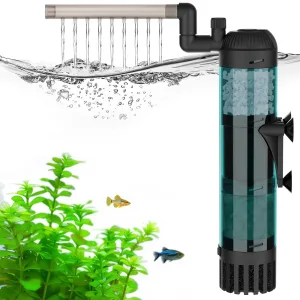
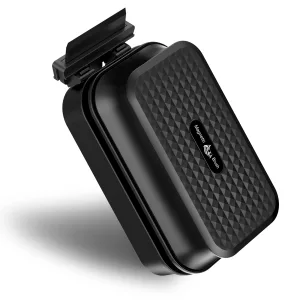
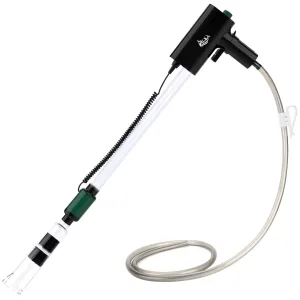
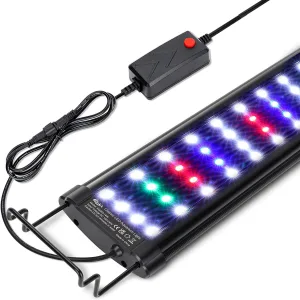
AQQA 5-in-1 Aquarium Gravel Cleaner Set For Removing...
Original price was: $35.59.$32.39Current price is: $32.39.


Add comment
You must be logged in to post a comment.