
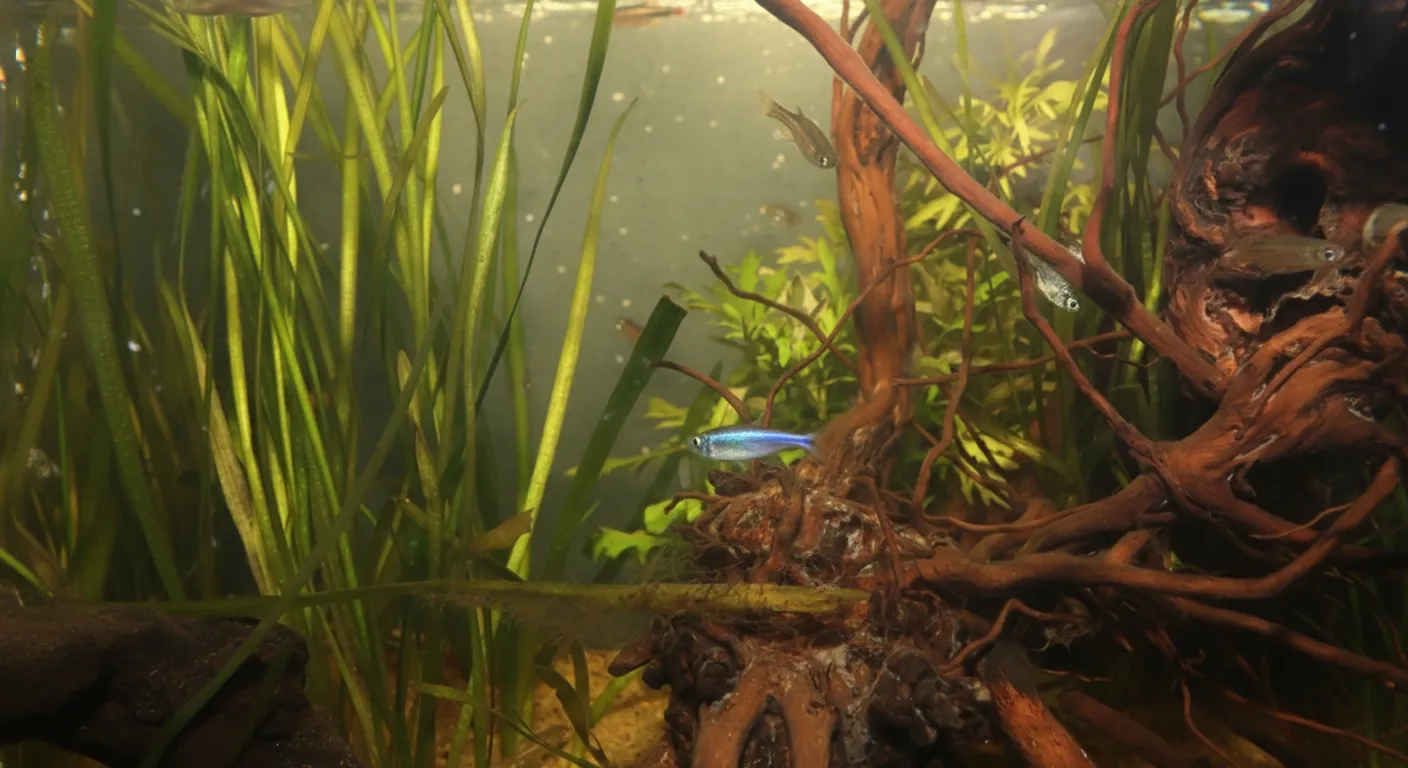
So nano tanks are really cool for beginners. They’re small and look nice. You can fit them in any corner of your room. The thing is, many people just buy a small tank and start putting fish in it. No planning at all. And that’s when problems start showing up. The tank gets overcrowded fast. Water becomes dirty and unstable. Nano tanks are usually around 5 to 10 gallons. You can keep fish in there, also shrimp and snails.
But because the space is so limited, you can’t just throw any fish inside. You need species that stay really small. They should be fine with regular water conditions. Plus, they need to be peaceful with tank mates. Otherwise, it becomes a mess. When you pick the right species, your tank will look amazing. And honestly, it’s not that hard to maintain.
This guide will show you 10 species that work great in nano tanks. I’ll also share some beginner rules that actually help. You’ll see simple stocking examples. And we’ll go through common mistakes so you don’t waste time and money on them.
Nano Tank Essentials Before Stocking
So before you add any fish, you need to set up your tank properly. Small tanks are pretty.
Filtration: Sponge filters are your best bet here. They’re gentle and don’t stress out small fish. Hang-on-back filters work too, but sometimes they push water too hard. You might need something to slow down the flow.
Substrate: Just get fine sand or small gravel. Nothing fancy. If you’re keeping plants, then yeah, grab substrate that has nutrients mixed in.
Lighting: This depends on your plants. Some plants are fine with 6 to 8 hours of light. Others want more like 10 to 12 hours. Just be consistent with the schedule.
Plants: Throw in some live plants. They help keep water stable, and fish feel safer when there are places to hide.
Heating: Get a heater that’s between 25 and 50 watts. Depends on your tank size. Most fish need a steady temperature, so don’t skip this.
Nitrogen Cycle: Okay, this is important. Bacteria in your tank change ammonia into nitrite, then that becomes nitrate. With small tanks, it all happens quickly. So buy test kits and actually use them.
Here’s a table to understand this better.
| Component | Recommendation | Why It Matters for Nanos |
| Tank Size | 5 – 10 Gallons | Small tanks are visually appealing but more sensitive |
| Filter | Sponge or gentle HOB | Provides safe filtration without stressing fish |
| Heater | Adjustable 25–50W | Maintains stable tropical temperatures |
| Plants | Java Moss, Anubias, Anacharis | Reduce nutrient spikes, provide hiding spots |
| Test Kit | Ammonia, nitrite, nitrate | Detect water quality issues early |
Beginner-Friendly Setup Rules For Nano Tanks
These rules will help keep your tank stable and your fish healthy.
Always use a water conditioner: It removes chlorine and detoxifies heavy metals. Don’t skip this step.
Don’t chase pH numbers: Stability matters more than hitting perfect numbers. Fish adapt to stable water easier.
Keep tanks lightly stocked: Overcrowding creates stress and makes water quality bad. Less is better.
Add plants: Fast-growing plants stabilize water chemistry. They also give fish places to hide.
Feed sparingly: Too much food causes ammonia spikes. Your fish don’t need as much as you think.
Check daily: Spend 5 to 10 minutes looking at your fish behavior and plants. You’ll catch problems early.
Add animals slowly: Quarantine new fish or shrimp before adding them. This prevents diseases from spreading.
10 Easy Species for Nano Freshwater Tanks
Let’s get into the species that actually work well in small tanks. These are beginner-friendly and won’t give you headaches.
1. Betta Fish (Single-Fish Setup)
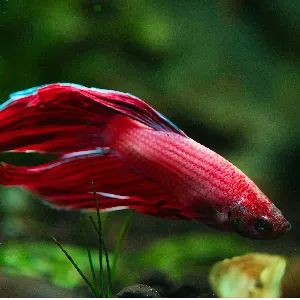
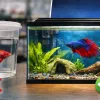
Betta fish are super popular for nano tanks and for good reason. A 5-gallon tank is enough space for one male betta. They’re hardy, colorful, and they actually respond when you come near the tank.
Adult size: They grow to around 2.5 inches, not too big
Minimum tank: 5 gallons works fine for one betta
Temperament: Pretty territorial, so better keep them solo
Temperature: Keep it between 76°F and 80°F
Feeding: Give them betta pellets, sometimes frozen foods as treats
Beginner tip: Seriously, don’t try adding tank mates in small tanks, it never ends well
2. Male Endler’s Livebearer
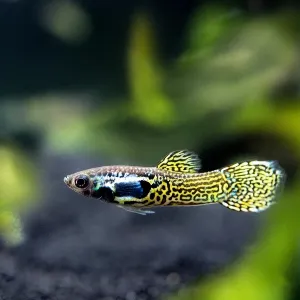
Endlers are really small and colorful. They breed a lot, but they’re tough fish. Great choice if you have a 5 to 10-gallon tank because they don’t produce much waste.
Adult size: Tiny guys, just 1 to 1.5 inches when full-grown
Minimum tank: You can start with 5 gallons
Temperament: Peaceful, and they’re always zipping around
Temperature: Anywhere from 72 to 82°F is good
Feeding: Basic flakes work, or get micro pellets
Beginner tip: Keep 3 to 6 males together, and if you get females, they’ll need hiding spots because breeding happens fast
3. White Cloud Mountain Minnow
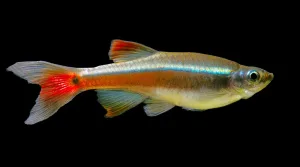
These fish don’t need heaters like most tropical fish. They actually prefer cooler water. Super active and easy to keep alive. Good choice if you want low-maintenance.
Adult size: Around 1 to 1.5 inches
Minimum tank: 5 gallons, but they appreciate more space
Temperament: Peaceful, loves being in groups
Temperature: 64 to 75°F, way cooler than tropical fish
Feeding: Regular flakes work, and sometimes give frozen foods
Beginner tip: Get 5 or 6 minimum so they school properly, looks much better that way
4. Ember Tetra
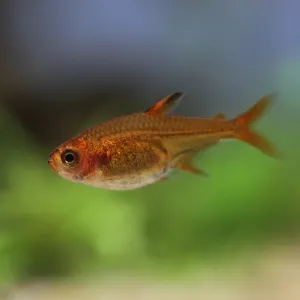
Tiny orange fish that stand out in planted tanks. Always moving around in groups. If you want color without getting a betta, these work great.
Adult size: Super small, just 0.8 to 1 inch
Minimum tank: 5 gallons is enough for a group
Temperament: Peaceful, won’t cause problems
Temperature: 72 to 79°F works
Feeding: Micro flakes because their mouths are small, frozen foods too
Beginner tip: Don’t buy fewer than 6, or they’ll hide constantly, add floating plants so they don’t feel exposed
5. Pygmy Corydoras
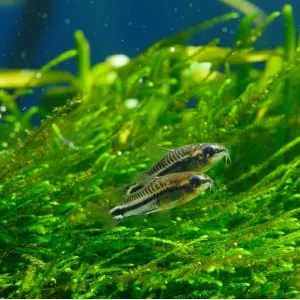
Small catfish that hang out at the bottom. They’re always searching for food and cleaning up. Entertaining to watch, honestly. Need sand substrate, though.
Adult size: Only gets to 1 or 1.2 inches
Minimum tank: 5 gallons works for a small group
Temperament: Peaceful, social fish
Temperature: 72 to 79°F is fine
Feeding: Sinking pellets mainly, frozen foods as treats
Beginner tip: Keep 4 or more together, use sand, not gravel, because sharp edges damage their barbs.
6. Zebra Danio
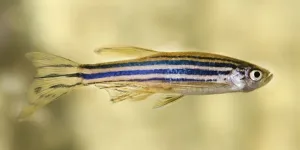
Super active and hardy fish. These guys add a lot of movement to your tank. Good choice if you’re just starting out because they handle mistakes better than sensitive fish.
Adult size: Grows to about 1.5 to 2 inches
Minimum tank: 5 gallons minimum
Temperament: Peaceful, and they are in school
Temperature: 65 to 77°F, pretty flexible
Feeding: Regular flakes or micro pellets
Beginner tip: Keep 5 or more together so they school properly
7. Nerite Snail
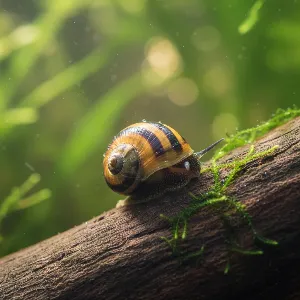
Best snail for algae control, and they won’t breed like crazy in your tank. Super easy to care for.
Adult size: About 1 inch
Minimum tank: Fine in 5 gallons
Temperament: Peaceful, minds their own business
Feeding: They eat algae, biofilm, and sometimes give them vegetables
Beginner tip: Make sure your water has enough calcium, or their shell gets weak
8. Mystery Snail
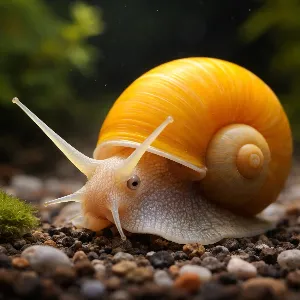
Colorful snails come in different colors. They clean up algae and leftover food. Pretty chill addition to nano tanks.
Adult size: Get bigger, around 2 to 3 inches
Minimum tank: 5 gallons works, but they need space
Temperament: Peaceful
Feeding: Algae, blanched vegetables, sinking pellets
Beginner tip: Never use treatments with copper in them, as they kill snails fast
9. Amano Shrimp
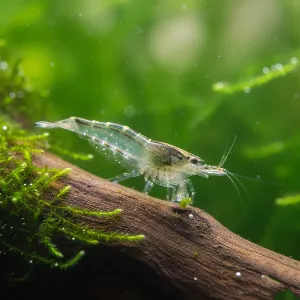
Really popular for planted tanks. They eat algae like crazy and help keep everything clean. Bigger than cherry shrimp.
Adult size: Around 2 inches
Minimum tank: 5 gallons minimum
Temperament: Peaceful
Feeding: Algae, biofilm, frozen foods sometimes
Beginner tip: Give them hiding spots when they molt, and keep water parameters stable, or they stress out
10. Cherry Shrimp (Neocaridina)
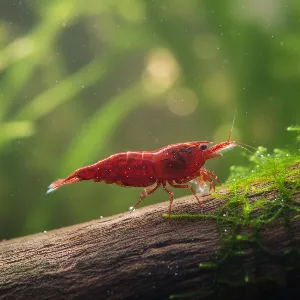
Bright red shrimp that are super hardy. They breed easily and look great in planted tanks. Best shrimp for beginners, honestly.
Adult size: Small, just 1 to 1.5 inches
Minimum tank: 5 gallons is fine
Temperament: Peaceful
Feeding: They eat biofilm, algae, and sinking pellets
Beginner tip: Keep water stable, and they’ll breed like crazy, you’ll have babies everywhere
Table for Stocking Examples
Tank Size
| Easy Stocking Plan |
| 5 Gallon | 1 Betta + 2–3 Amano Shrimp + 2 Nerite Snails
|
| 5 Gallon | 6 Ember Tetras + 4 Pygmy Corydoras |
| 10 Gallon | 8 Endler’s Livebearers + 6 Cherry Shrimp + 2 Nerite Snails
|
| 10 Gallon | 10 White Cloud Mountain Minnows + 6 Pygmy Corydoras + 4 Amano Shrimp |
| 10 Gallon | 6 Guppies + 6 Cherry Shrimp + 2 Nerite Snails |
Common Beginner Mistakes
Everyone makes mistakes when starting out. Here are the ones I see all the time that you should avoid.
Overcrowding tanks: Putting too many fish in a small space causes ammonia to spike. Your fish get stressed and sick. Less is always better.
Adding fish too quickly: When you dump new fish in without quarantine, you’re asking for disease. Plus, it messes up your nitrogen cycle. Take it slow.
Ignoring the water conditioner: Tap water has chlorine and heavy metals in it. This stuff will kill your fish. Always treat the water first.
Over-cleaning filters: I know it sounds weird, but don’t clean your filter too much. You’ll kill the good bacteria that keep ammonia and nitrite down. Then everything goes bad.
Overfeeding: This is probably the biggest mistake. People eat too much, and the extra food just sits there rotting. Creates ammonia spikes and algae everywhere.
Choosing the wrong species: Some fish are aggressive or grow too big. They’ll stress out or eat your smaller fish. Do research before buying.
Skipping plants: Plants aren’t just decoration. They absorb nutrients and give fish places to hide. Without them, your tank struggles.
Conclusion
We covered 10 species that work great for nano tanks. All of them stay small, handle regular tap water, and do fine in 5 to 10-gallon setups if you don’t overstock. The thing with nano tanks is that they’re less forgiving than big aquariums. You overstock a little bit or overfeed once too many times, and your water goes bad fast. Small mistakes hit harder in small tanks.
Stick to the right species. Don’t cram too many fish in there. Keep your routine consistent. That matters way more than trying to squeeze in extra fish just because it looks cool. Start with one simple stocking plan. Let your tank cycle properly and mature. Don’t rush it.
As you get more experience, you can try different things. Watch how your fish behave. Test your water regularly. Make changes slowly. Do this, and your nano tank will stay healthy and look amazing for a long time.
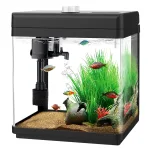
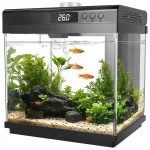
3.7 Gal Aquarium Kit: Filter, 10-Color Light, Self-Cleaning,...
Original price was: $81.99.$77.39Current price is: $77.39.












Add comment
You must be logged in to post a comment.