
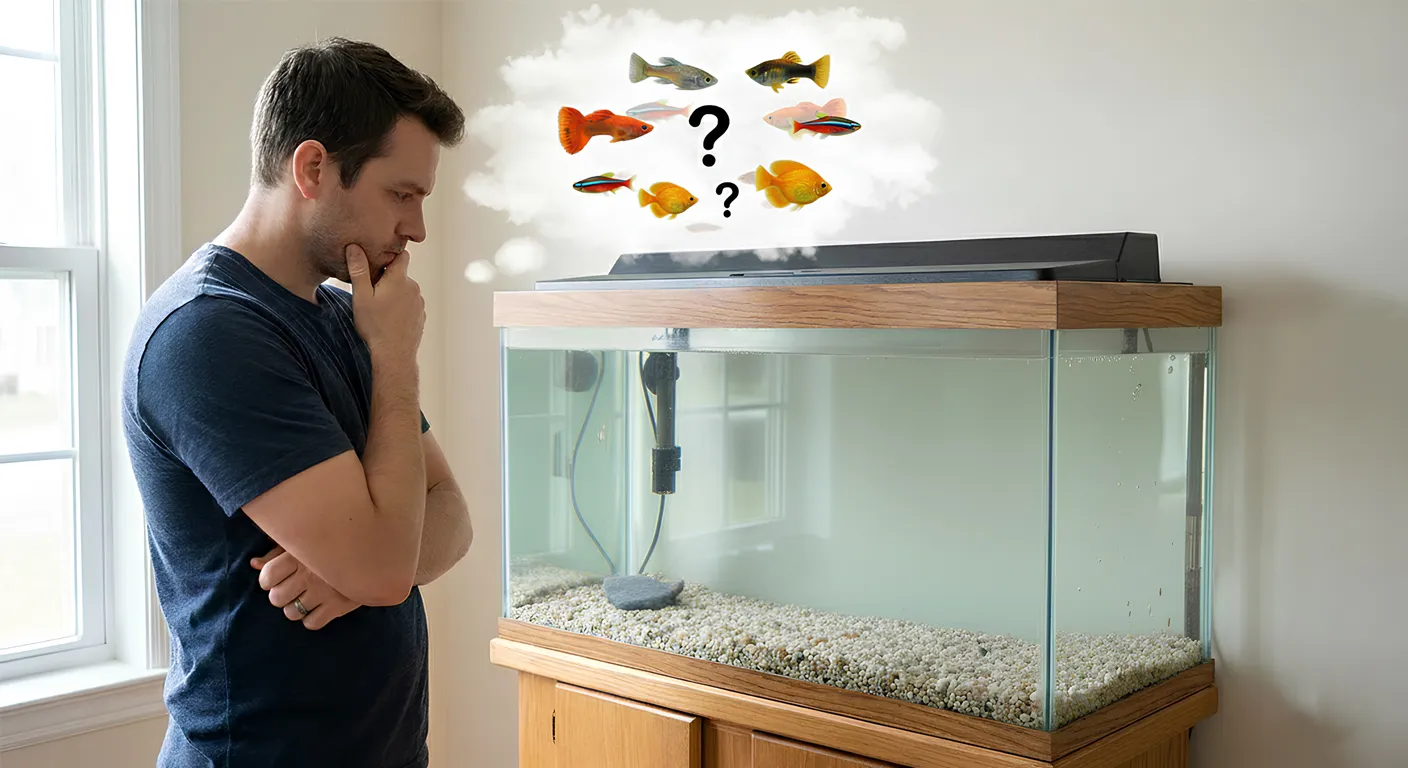
This may be true because, in the initial few days, your fish tank may appear to be in perfect condition with crystal clear water, active fish, and everything in control. A few weeks later, however, trouble will tend to creep in. Fish begin to shy, the cleanliness of water decreases gradually, algae grows more quickly than anticipated, and maintenance becomes tougher than anticipated. The problem in the majority of instances is not poor filtration, bad fish food,d or a bad aquarium.
The actual problem is normally poor planning before the fish is added. Most aquarium keepers select fish only because it looks nice or are a certain size in the store, without taking into account the adult size, compatibility, behavior, or the actual size of the tank.
In this guide, you will learn to make an appropriate stocking plan for various types of aquariums to avoid overstocking in the beginning and how prudent planning will result in healthier fish and much easier maintenance in the long term.
Understand Your Aquarium Type and Limits
There are natural limits to the aquariam and these limits differ very much, depending on the kind of tank you maintain. Freshwater community tanks are set up with peaceful species, which do not disturb the common space. Whereas planted aquariums depend on living plants to help in controlling nutrients and stabilizing the water.
Tanks of goldfish handle enormous challenges owing to high generation of wastes, while nano tanks have minimal room to make mistakes. Saltwater aquariums, particularly the reef systems, require more conservative planning owing to their sensitivity.
Knowledge about the kind of aquarium is the basis of any good stocking strategy, as both environments have a different approach to the fish load.
1. Tank Size and Water Volume
Total water volume is crucial when considering the number of fish to be planned, compared to the shape or look of the tank. A taller tank might appear large, but it will have a small amount of water, whereas a long tank will have a larger area to use in swimming.
Naturally, smaller aquariums are not as stable and therefore waste accumulates more quickly,r and temperature or water chemistry can vary rapidly.
A small tank with ten gallons will cause an additional fish to overstretch the system. But bigger tanks will dilute the wastes better and can have a bigger safety margin. Always make your stocking choices depending on the real volume of water instead of the tank size that is printed on the box.
2. Filtration and Maintenance Capacity
In most cases, filtration is significant in the number of fish that a tank can support, although it does not kill the requirement of proper stocking. The filter graded for a larger tank is generally better suited for a smaller aquarium, as oxygenation and mechanical waste removal are enhanced.
Nonetheless, more intense filtration is not a reason to crowd, since the growth of biological waste production does not decrease despite the addition of a single fish.
It is also important in maintenance habits. A tank that has very few stocks can be ruined in case of water changes, and a fairly stocked tank can be stable with regular attention.
3. Freshwater vs. Saltwater Differences
The degree of stocking in freshwater and saltwater aquariums is very different. Freshwater systems are more lenient, and they recover more readily when minor errors occur.
Saltwater tanks, however, must be stocked conservatively since the marine fish usually generate more waste, and they need a constant, stable environment.
The extra challenge of taking care of delicate corals makes reef tanks an extra burden since they do not respond well to excessive nutrients. This means that saltwater stocking plans must never take chances.
Stocking Guidelines for Different Aquarium Sizes
Here’s a table for your reference:
| Aquarium type | Typical size range | Stocking style | Notes on risk of overstock |
| Freshwater community | 10–75 gal | Moderate and layered | Medium risk if adult sizes are ignored |
| Planted tank | 10–55 gal | Light to moderate | Risk increases before plants establish |
| Goldfish | 20–125 gal | Very light | High risk due to heavy waste |
| Cichlid tank | 30–125 gal | Controlled heavy | High risk without frequent water changes |
| Nano tank | 5–15 gal | Minimal | Very high risk due to instability |
| Marine reef | 20–200+ gal | Conservative | Extremely high risk if overcrowded |
Key Factors That Determine Stocking Limits
In determining the number of fish that a tank can reasonably sustain, other underlying factors are much more important than a mere visual space. Such boundaries dictate whether an aquarium will be healthy over time or it will gradually deteriorate.
1. Adult Fish Size
Stocking is one of the most common errors of fishkeeping, but the mistake is to stock according to juvenile size and not according to adult growth. Fish in the stores are mostly young and much smaller than they are going to be.
Angelfish, plecos, goldfish, and most cichlids soon outgrow new aquariums, causing overcrowding in a few months. Always do research on the adult size of a species prior to purchasing, since growth does not happen accidentally; it cannot be inhibited by the size of the tank.
2. Fish Behavior and Territory
The action of fish contributes significantly to the stocking decisions. Schooling species are also numbers dependent and must never be confined in pairs or as a solitary. Fish need their personal space, and when they are in a crowd, they get stressed.
Semi-aggressive and aggressive species mark their territories and protect them from others in a limited space. When there is overcrowding of tanks, peaceful fish are the most affected because they are usually chased off food or hiding places. Knowledge of behavior avoids persistent stress and chronic illness.
3. Bioload and Waste Production
The level of waste that fish generate by respiration and digestion to ammonia is known as bioload. Heavy feeders and burrowing fish cause greater waste than small and delicate fish.
Good examples of high-bioload fish that severely decrease the stocking capacity include goldfish and large cichlids. When fish are kept in large numbers, even small-sized fish overload a tank. The actual limit of any stocking plan is the management of bioload.
How to Build a Stocking Plan Step by Step
Once you understand the limits of your aquarium, the next step is turning that knowledge into a clear and practical plan that prevents impulse decisions.
Step 1. Choose a Tank Theme
The subject of your aquarium dictates the course of all the stocking decisions that you make. Community tanks are concerned with compatibility and peaceful coexistence. The species-only tanks emphasize the behaviour and requirements of one kind of fish.
Biotape-like systems entail natural ecosystems recreated with species from the same area. A pre-selected theme avoids the possibility of inappropriate fish mixes and reduces the effort of maintaining them in the long term.
Step 2. Select a Centerpiece Fish
The fish that you have placed in the center is the key to your stocking plan and the character of the aquarium. With smaller tanks, this can be a betta or a dwarf gourami. Angelfish, gouramis, or peaceful cichlids are also common in medium tanks.
Huge tanks are home to discus, bigger cichlids, or stunning schooling fish. After the centerpiece has been selected, all the other stocking decisions are supposed to work in support of its requirements.
Step 3. Add Schooling and Bottom Fish
Once the primary fish is selected, the schooling species provide movement and equilibrium in the aquarium. Such fish are to be kept in the right groups to minimize stress.
Both bottom-dwelling and bottom-dwelling fish, such as corydoras or loaches, need enough room on the floor and have to have the right substrate. One should not crowd a single level of the tank because it is better to distribute fish in various places to enhance harmony.
Step 4. Plan the Stocking Order
Even a well-planned stocking list may not work if fish are added too fast. Good bacteria require time to adapt to more waste. Gradual addition of fish permits stabilization of the nitrogen cycle and prevents ammonia spikes to fish. Long-term success is often achieved through patience when stocking.
Drafting Stocking Plans for Different Aquarium Types
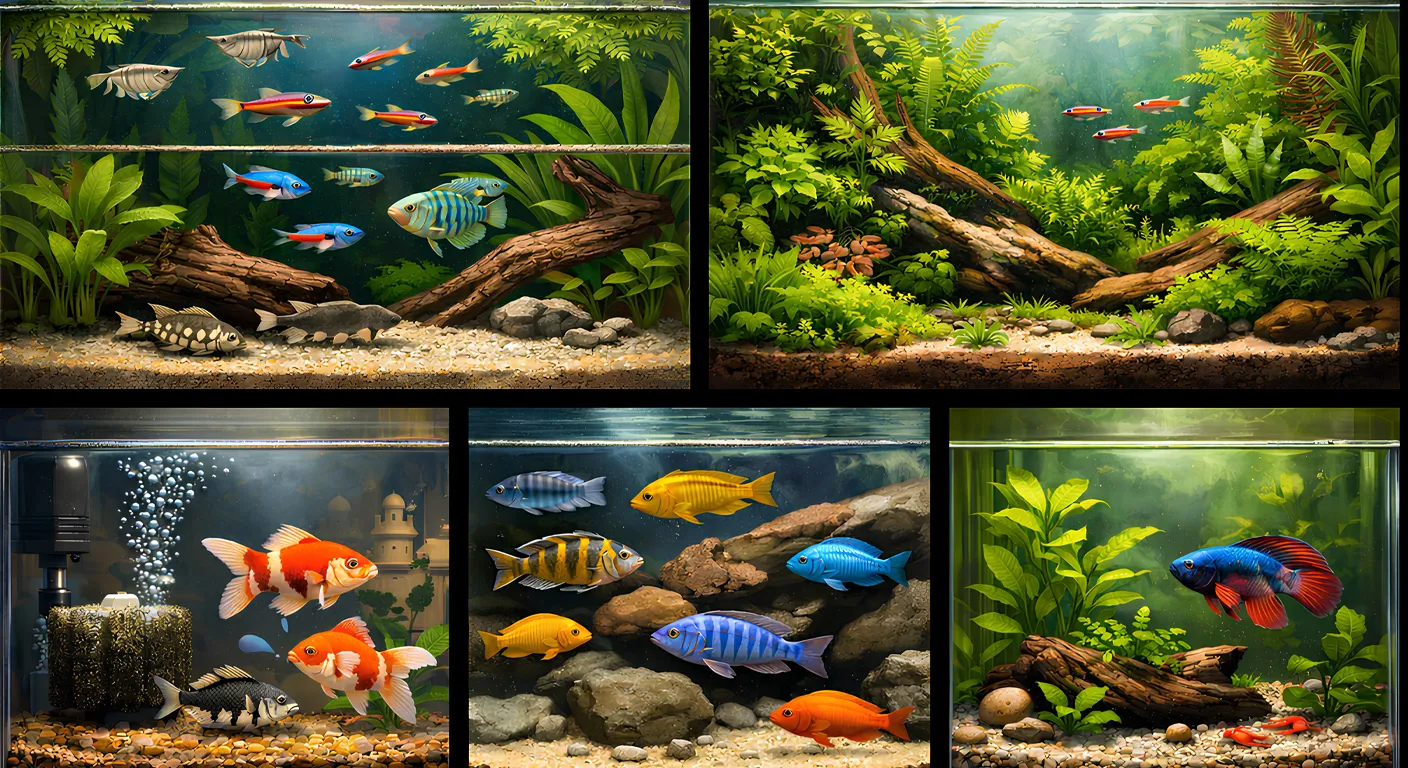
1. Community Freshwater Tanks
Vertical layering of the community tanks is an advantage of the community tanks, with the fish occupying the bottom, top, and middle of the aquarium. In this way, it will decrease the competition and further lead to a more natural flow of movement. The equitable layer inhibits congestion in one area.
2. Planted Aquariums
Planted tanks take time in the initial stages. Plants must not be loaded with a full load of fish for at least four weeks. Once mature, plants act as a secondary biological filter, but early overstocking can overwhelm young systems.
3. Goldfish and Messy Fish Tanks
Messy fish, such as goldfish, require over-filtration and maintenance. The rate of movement of filters must be at least ten times the volume of the tank per hour, and the stocking must be very sparse. Failure to change water promptly will result in deterioration of the water.
4. Cichlid Tanks
The use of controlled overstocking to disperse aggression in cichlid tanks is usually a method of success, and it is only effective in large tanks with strong filtration. Water changes should be done every week for half an hour to avoid the accumulation of wastes.
5. Nano Tanks
Nano tanks require restraint and careful species selection. Small, low-activity fish or invertebrates perform best, while active swimmers struggle in limited space. Stability matters more than variety in these setups.
How to Avoid Overstock from the Start
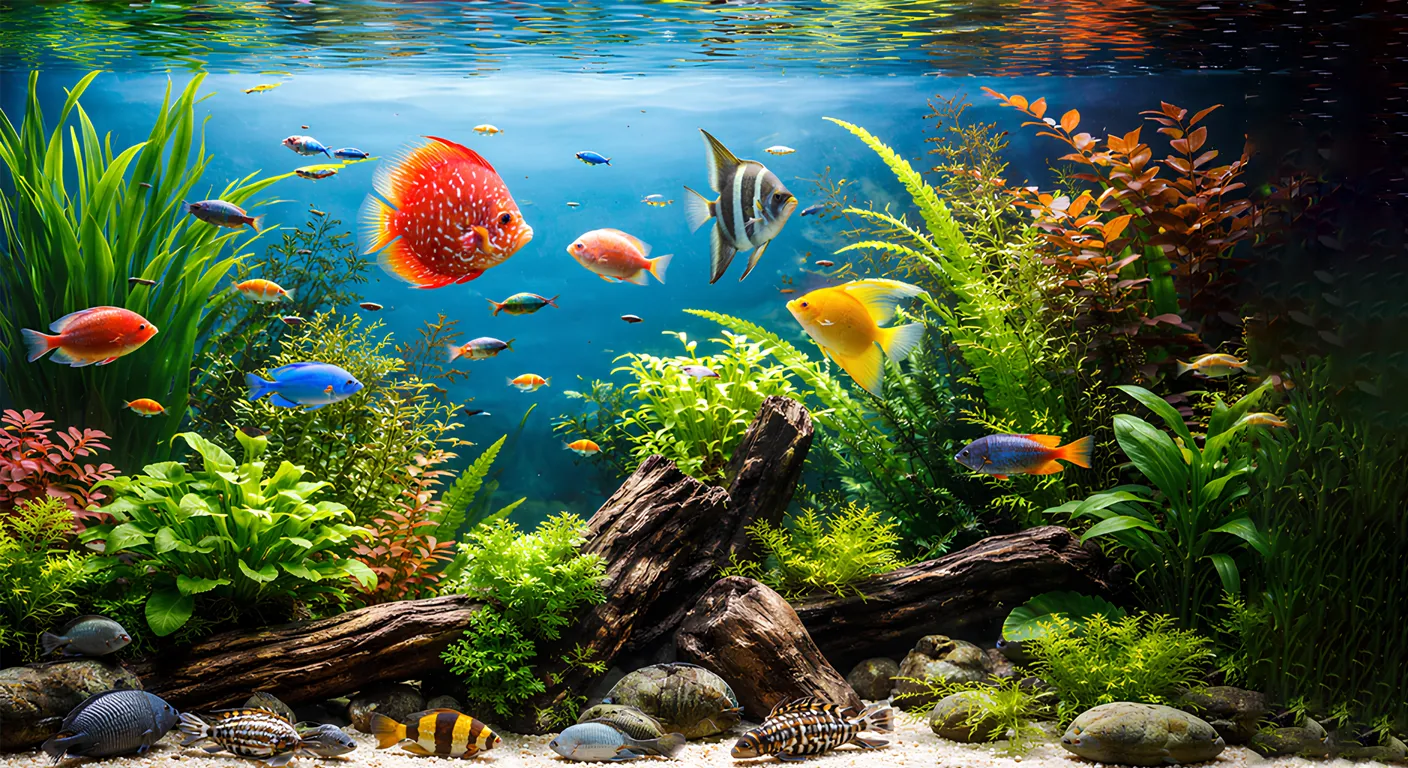
Always plan your aquarium around the adult size of each fish rather than how small they appear at purchase, because growth happens faster than many keepers expect. Leave a safety margin in your stocking plan to allow for natural growth, breeding behavior, and minor mistakes.
Reduce stocking density further when keeping messy, territorial, or aggressive species, especially in smaller tanks with limited stability. Observing fish behavior regularly helps you catch early signs of crowding before serious stress or losses occur.
Conclusion
Successful fishkeeping begins long before the first fish enters the tank. A healthy aquarium is built on careful planning, realistic limits, and informed decisions. Overstocking problems often develop slowly, making them easy to overlook until serious damage occurs.
Staying mindful of stocking levels and practicing responsible fishkeeping protects both fish health and water quality. When you take the time to plan properly, your aquarium remains stable, attractive, and enjoyable for years to come.
3.7 Gal Aquarium Kit: Filter, 10-Color Light, Self-Cleaning,...
Original price was: $81.99.$77.39Current price is: $77.39.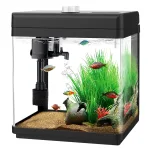



Add comment
You must be logged in to post a comment.