
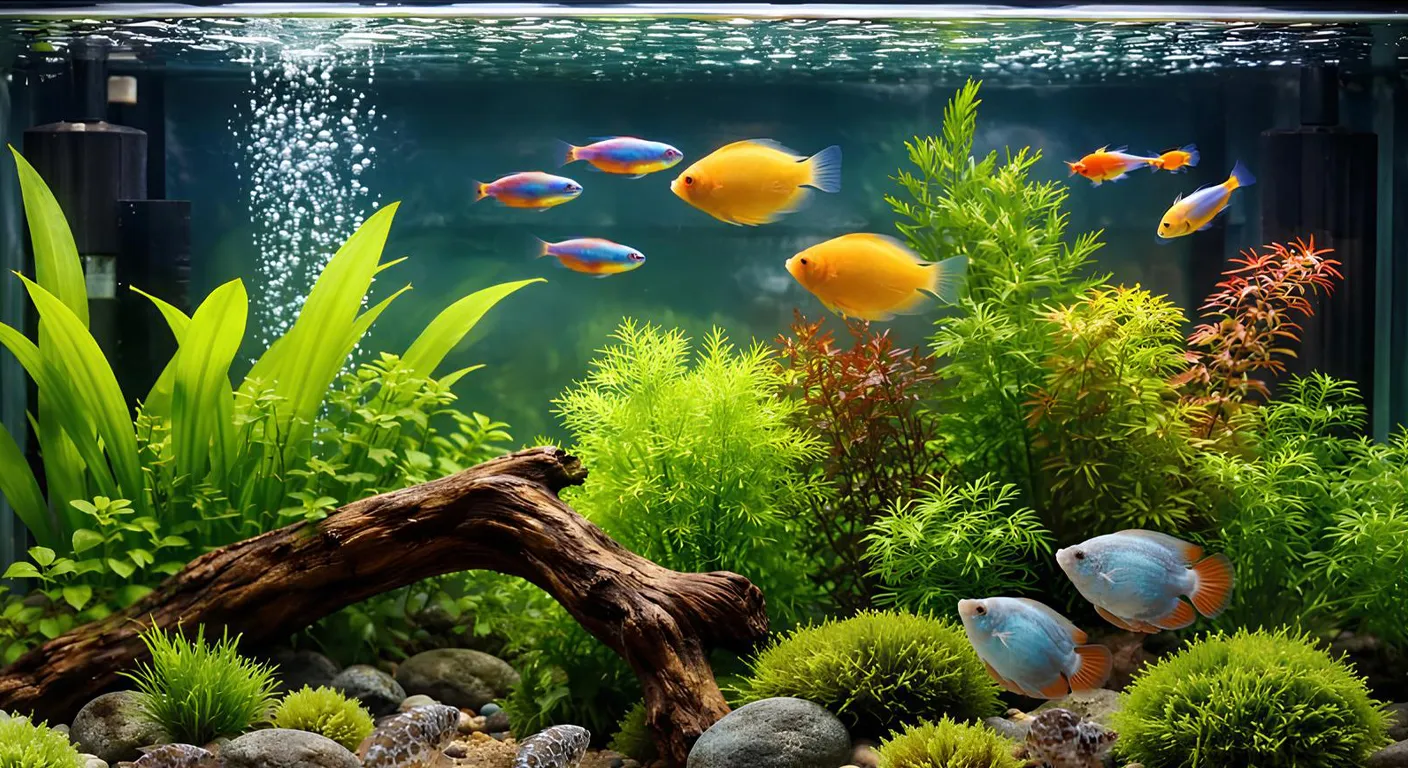
A 30-gallon aquarium may be suggested as the first toy due to the fact that it is stable and flexible. This is a larger tank size, which allows you additional room to make a mistake than nano tanks. But still requires careful selection of stocking choices.
Additional space is commonly believed to be the solution to human problems but wrong type of fish may lead to severe consequences. Inadequate stocking is often a cause of turbid water, algae proliferation, stressed fish, and unaccountable deaths.
Such issues are generally due to the disregard towards adult fish size, waste production, or even natural behavioural patterns. Thirty gallons of tank can be fantastic, and it will be so only when filled with plan and forethought.
This guide will teach you five newbie stocking tricks concerning a 30 gallon aquarium. You also get to learn viable stocking regulations and sustainable long term maintenance of a balanced aquatic ecosystem.
What Makes a 30 Gallon Aquarium a Good Starter Size
A 30-gallon aquarium is popular with beginners because it provides water stability without overwhelming maintenance demands. Larger water volume slows down ammonia spikes and temperature swings caused by beginner mistakes. This size sits comfortably between small tanks and large systems requiring advanced planning.
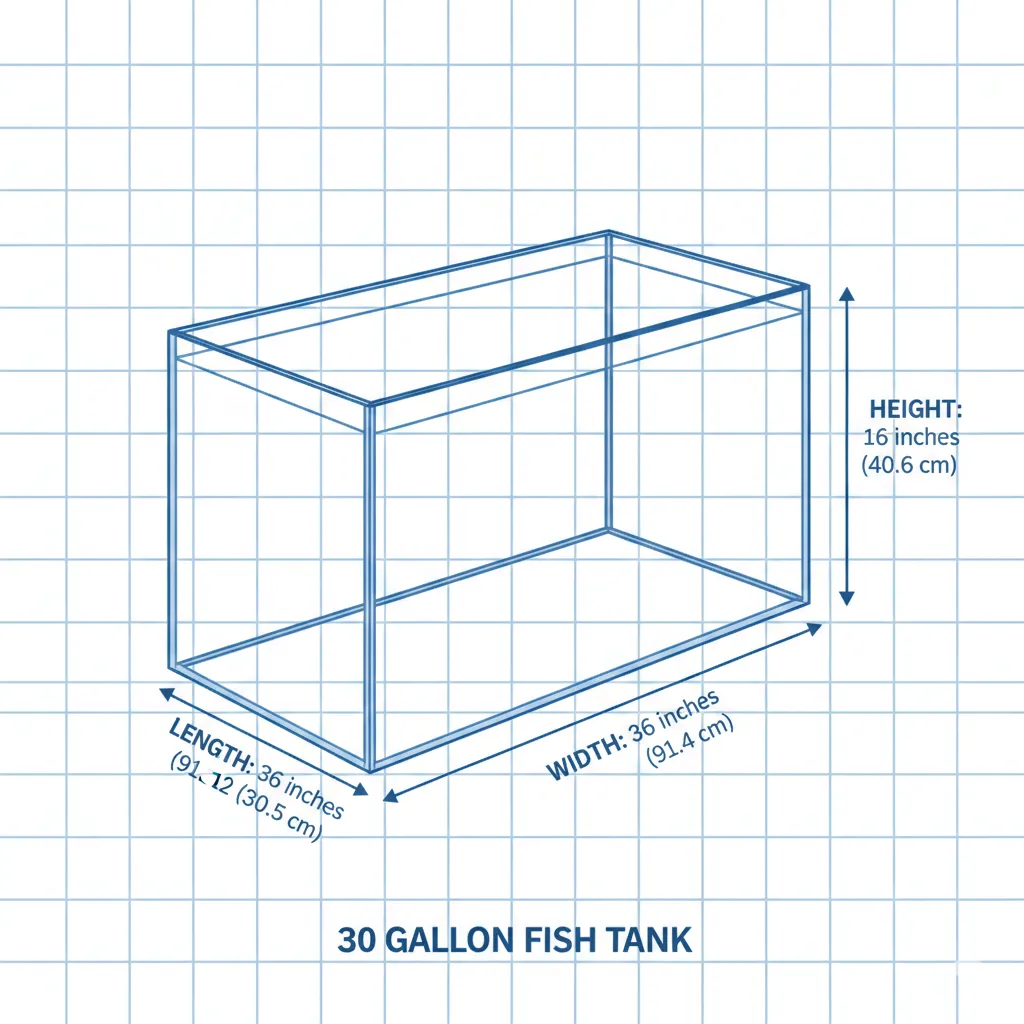
A 30-gallon aquarium is considered medium-sized, fitting easily into most living spaces. Maintenance remains manageable because weekly water changes are effective without being physically exhausting. This size supports both mixed community tanks and single-species breeding setups when planned correctly.
Equipment costs stay reasonable because standard heaters, filters, lights, and stands are widely available. Beginners can also benefit from abundant online guides, stocking charts, and equipment options designed for this size.
5 Beginner Stocking Tips For a 30 Gallon Tank
Stocking a 30-gallon tank correctly requires understanding biology, behavior, and filtration capacity together. These tips help you avoid common beginner mistakes while creating a stable, healthy environment.
1. Start With a Clear Stocking Plan
Stocking on the clear plan makes you think of matching, and then you can think of buying fish impulsively. The compatibility is not only based on temperament but also on size, shape, and swimming behavior. Fish such as tetra are slim-bodied, but require horizontal swimming space despite their size.
Large-bodied fish like cichlids generate excess waste and lower the stocking density. Vigorous swimmers need open areas, and slow movers like quiet backgrounds where they do not have to be followed.
The territorial species set limits, claiming the limited space within a 30-gallon tank. Peaceful species have a good time being in the company of their fellow fish of the same level. Stocking rates of 30-gallon tanks at the beginning should be conservative. Little schooling fish, such as neon tetra, breed in groups of eight or twelve.
The medium community fish, including platies or dwarf gouramis, are best in pairs or trios. Fish of large size, or fish of the middle size, must be limited to a single specimen, in the case of the large ones, according to their adult measure.
2. Stock by Water Column to Prevent Aggression
Stocking water columns is used to evenly redistribute fish activity in addition to lessening space competition. Aquarium fish do not swim up and down but horizontally, and this impacts the design of the tanks.
The long 30-gallon tanks offer superior swimming lanes as compared to tall and narrow running tanks. Horizontal space enables fish to occupy space without overlaying.
Balanced stocking involves the use of three aquarium areas to maximize the space. Fishes in the top layer relieve the unutilized superficial areas and decrease unused oxygen-rich zones.
The schooling fish in the middle of water form a sense of motion and social stability in the tank. Substrate occupants, which are bottom dwelling, give up high zone conflict. Zoning will avoid overpopulation and reduce violence among swimmers who would not get along well.
3. Stock Fewer Fish at First
By beginning with a smaller number of fish, the water is less turbid, easier to maintain and the biological filtration is more stable. Positive bacteriophages should have a certain amount of time to adapt to accumulating wastes. The first effect of overstocking is a rapid overloading of the nitrifying bacteria and causing ammonia or nitrite spikes.
Fish will undergo stresses during unreliable cycles which heightens diseases. Understock tanks will overcome feeding errors or a missed water change more quickly. Novices also get appropriate time to observe to learn fish behavior patterns. A sparsely filled 30 gallon tank is more flexible in the long run for adjustments.
4. Understand the Impact of Filtration Systems, Plants, and Decorations
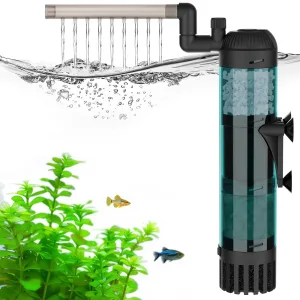
The size of a tank is directly proportional to the number of fish that can safely live within it. The poor filters find it difficult to handle waste effectively, particularly when installed in communities.
Powerful filters enhance the oxygenation and the area of bacteria, which facilitates the waste decomposition process. Tanks holding more than thirty gallons should be rated to be safe in terms of filtration.
Aquariums primarily use live plants to stabilize beginner live aquariums. Plants assimilate the nitrates, decimate the growth of algae, and smooth out water chemistry changes. Planted tanks are more lenient to feeding mistakes or stocking mistakes.
Ornaments enhance visual appeal but leave very little space to use in swimming. Deposition of large rocks and driftwood ought to be done thoughtfully, in keeping the swimming areas open. Excessive decoration of a 30-gallon tank may create stress in the presence of low fish populations.
5. Add New Fish Slowly
When excessive fish are added in a short period, the result will be abrupt increases in bioload and bacterial imbalance. The good bacteria population cannot multiply immediately, but at the time of an increase in the waste.
This inequality of frequency is the cause of ammonia stresses, usually in cycled tanks as well. Simple timetables, which are safe for beginners, include the addition of small groups rather than complete lists of stocks.
The addition of additives should be separated by one or two weeks to stabilize bacterial colonies. The results of the tests should be taken upon completion of every addition to avoid any potential problems growing hidden. Slow fish stocking preserves the health of the fish and maintains its health in the long run.
By following these five tips for keeping fish in a 30-gallon tank, you can start choosing fish for your aquarium! If you’re unsure which fish species to choose, you can learn more by watching this video.
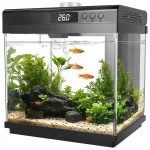
3.7 Gal Aquarium Kit: Filter, 10-Color Light, Self-Cleaning,...
Original price was: $81.99.$77.39Current price is: $77.39.


Add comment
You must be logged in to post a comment.