
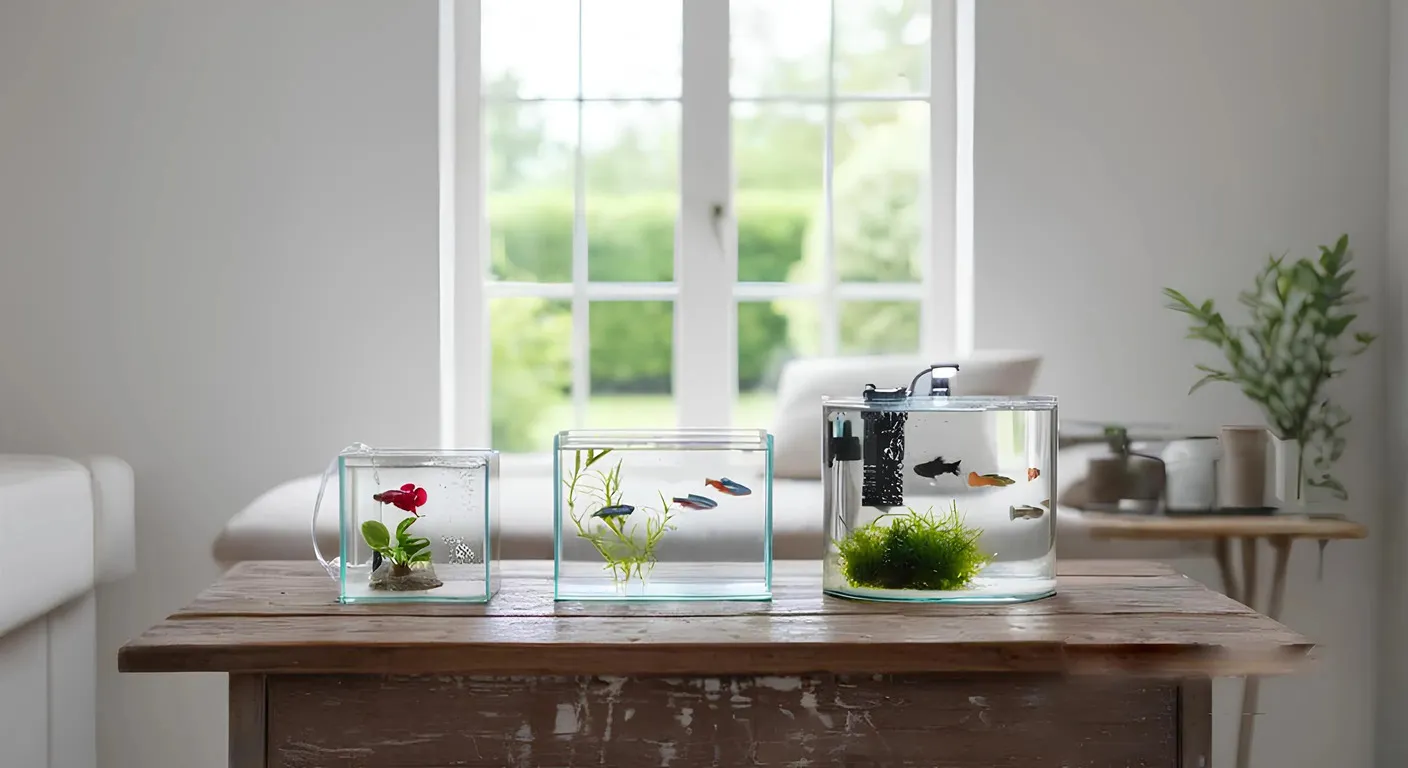
Smaller fish tanks of less than 5 gallons have gained popularity over the last few years. They are small, chic, and cheap. Hence, they are worth purchasing by individuals residing in apartments, dormitories, or small offices. Many hobbyists love the peaceful look of a mini aquarium on a desk or bedside table. It gives a feeling of serenity and color to everyday life.
However, in the case of these small aquariums, there is often a question as to how many fish can live in such a small tank. This will be dependent on the size of the tank, the quality of the water, and the species you want to keep. Small tanks might seem like the easiest ones to maintain and keep, yet a lot of planning is required to ensure that fish are healthy and stress-free.
Here’s a general idea to start with:
1 gallon: Best for snails or shrimp only.
2–3 gallons: One small betta or a few shrimp.
3–4 gallons: Two tiny nano fish or one small betta.
4–5 gallons: Three to five micro fish or a betta with shrimp/snails.
5 gallons: Ideal for one betta or a nano community tank.
Later in this article, you will learn about the types of fish that will be the best in a small tank, how to keep the water clean, and what mistakes to avoid to create your mini-aquarium.
Why Is 5 Gallons Fish Tanks So Popular?
The use of small aquariums has gained popularity due to a few simple reasons. They are cheap, easy to look at, and they can be installed in nearly any place. Starting with a fishkeeping hobby with a beginner in mind, one will not spend a lot.
Pros of Tanks In 5 Gallons
Budget-friendly and space-saving: Low cost and space-saving. You do not require huge furniture or heavy stands. A small tank can be placed on a nightstand or bookshelf for a work desk.
Perfect for desks, dorms, and offices: Watching your fish swimming will decrease stress and make a room look like it is alive.
Simple setup for beginners: You can use a sponge filter and a heater, and you are good to go.
Great for shrimp or snail-only tanks: The water quality is not as much of a problem when using these types of tanks due to low bioloads.
Cons of Tanks In 5 Gallons
Naturally, mini tanks have their own few challenges also.
Water parameters change quickly: Since the amount of water decreases, both temperature and ammonia may vary rapidly.
Overcrowding happens easily: Even one extra fish can throw off the tank’s balance.
Harder to stabilize: Without regular maintenance, toxins build up and harm fish.
Common Sizes of Tanks Under 5 Gallons
Mini tanks come in a number of popular sizes, which are applicable in various setups. This is because the appropriate one will depend on the space you have, as well as the type of fish you desire to have.
Why Size Matters
During the process of size, space is not the only factor. But water stability and oxygen are also influenced. Waste can be diluted more efficiently by a greater amount of water and holds a consistent temperature and pH value. Smaller tanks, on the contrary, are more fragile. Even a single drop of waste or remaining food may alter the water chemistry within just a short period.
The next factor is the bioload, which is defined as the total waste that your fish produce. An example is that a betta generates a lot of waste compared to a shrimp. Thus, despite the fact that both of them fit physically, their effects on water quality are quite different. The lower the bioload, the easier your tank is going to be to take care of.
Typical Mini Tank Dimensions
| Tank Size | Dimensions (Approx.) | Best Use |
| 1 Gallon | 6″ x 6″ x 8″ | For shrimp or snails only |
| 2.5 Gallons | 12″ x 6″ x 8″ | For a single betta or shrimp |
| 3 Gallons | 10″ x 8″ x 9″ | For small nano fish |
| 5 Gallons | 16″ x 8″ x 10″ | For nano communities or bettas |
How Many Fish Can You Keep In 5- Gallon Aquarium
You have probably heard that one inch per gallon is a rule, but that it is just an estimate. Even in small tanks, such variables as activity of the fish, waste generation, and swimming behavior are of much more importance compared to size alone.
Recommended Fish Count for Tanks Under 5 Gallons
| Tank Size | Recommended Max Fish Length | Suggested Setup |
| 1 Gallon | 1 inch | Shrimp or snail only |
| 2.5 Gallons | 1.5 inches | One betta or shrimp colony |
| 3 Gallons | 2–3 inches | Two nano fish or a betta |
| 5 Gallons | 4–5 inches | Small community or one betta |
It is important to remember that each inch of fish contributes to the bioload of the tank. In the case of uncertainty, do not stock more fish, but fewer. The light bioload is always easier to keep clean water.
How to Prevent Overstocking In Small Aquarium
You have an overflow of fish in your tank that cannot be taken away by the system; this is referred to as overstocking. It causes stress, sickness, and pollution of water.
Common Signs of Overstocking
Cloudy or foul-smelling water.
Fish gasping at the surface for oxygen.
Excessive algae growth.
Fish are hiding more or showing dull colors.
How to Manage Overstocking
1. Regular Maintenance: Do 25–30% water changes weekly to remove toxins.
2. Filter Upgrade: Use a sponge filter for soft, steady filtration and oxygenation.
3. Feed Carefully: Offer tiny portions once or twice daily; remove leftovers.
4. Add Live Plants: Plants like Anubias, Java Moss, and Hornwort help absorb waste and improve oxygen.
5. Avoid Overcleaning: Clean filters gently to preserve beneficial bacteria.
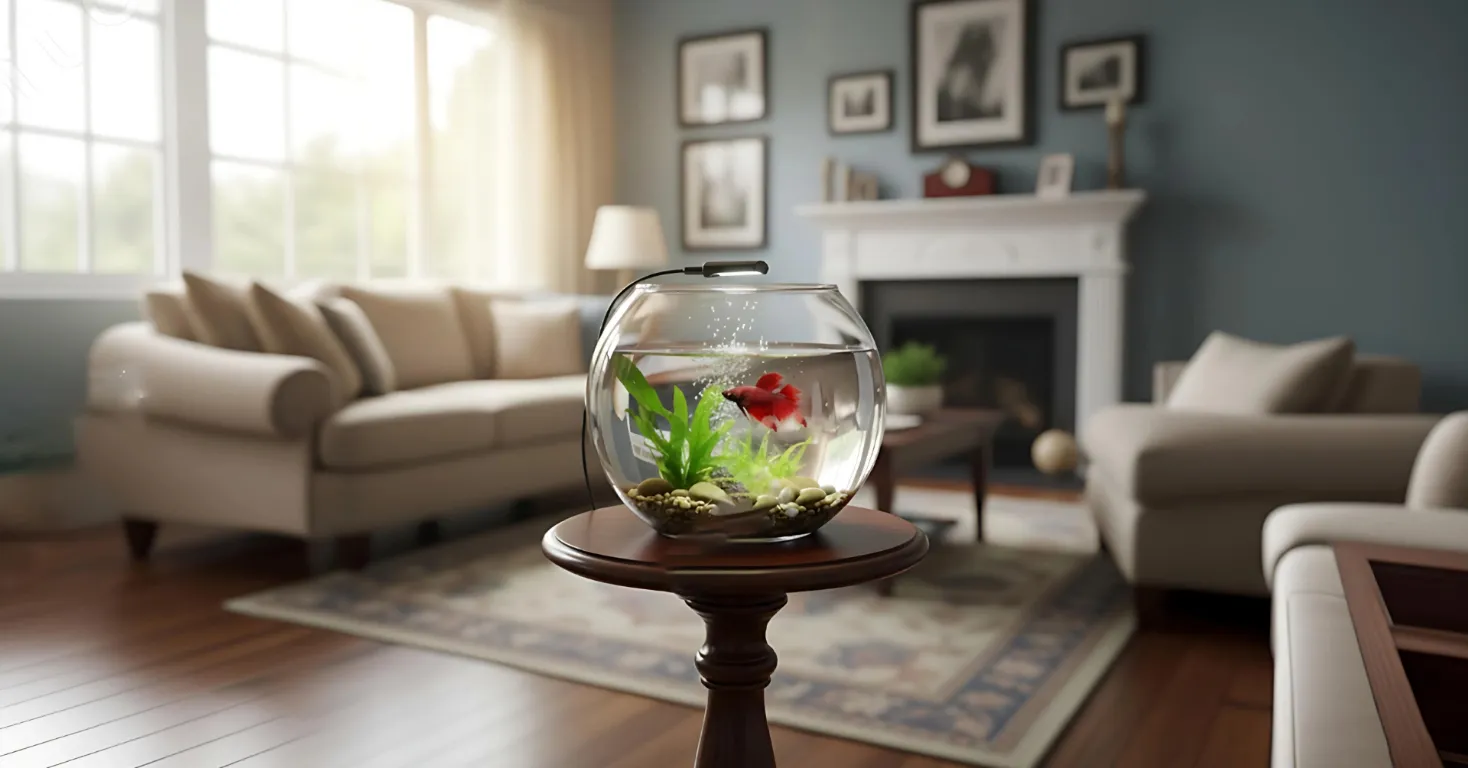
Stocking Themes for Small Tanks
Establishing a theme will assist you in planning your mini aquarium in a better way and ensure that your fish is comfortable. These three are excellent tank arrangements with less than 5 gallons.
1. Betta Tank Setup
Perfect for tanks 5 to 5 gallons.
Keep only one betta — they’re territorial.
Use gentle filtration and a small heater to maintain 78–80°F.
Add floating plants like Amazon Frogbit for a natural look.
You can add snails or shrimp as companions if space allows.
2. Nano Community Tank
Works best in 5-gallon setups.
Combine peaceful species like Ember Tetras, Chili Rasboras, or Endler’s Livebearers.
Keep groups small, around 5–6 nano fish total.
Include plants, driftwood, and hiding spots for comfort.
Use low-flow filters to avoid stress.
3. Shrimp-Only or Snail-Only Tank
Ideal for 1–3 gallons.
Keep Cherry Shrimp, Amano Shrimp, or Nerite Snails.
Add moss and fine gravel for natural grazing areas.
Shrimp tanks are colorful, easy to maintain, and perfect for beginners.
Best Fish and Critters for Tanks Under 5 Gallons
Here’s a detailed guide to the best species you can keep safely in small tanks:
| Species | Tank Size | Temperament | Notes |
| Betta Fish | 2.5–5 gal | Semi-aggressive | Keep one per tank; loves calm water |
| Cherry Shrimp | 1+ gal | Peaceful | Easy to breed; add moss for cover |
| Endler’s Livebearer | 5 gal | Active | Males only for less bioload |
| Nerite Snail | 1+ gal | Peaceful | Great algae cleaner; doesn’t reproduce in freshwater |
| Chili Rasbora | 3–5 gal | Peaceful | Best in small shoals of 5-6 |
| Amano Shrimp | 2–5 gal | Peaceful | Excellent for algae control |
| Mystery Snail | 2–5 gal | Calm | Needs a lid; may climb above the waterline |
Maintenance Tips for 5-Gallon Tanks And More
Smaller tanks demand more frequent care because waste accumulates quickly. Here’s how to maintain a healthy balance:
1. Use a Sponge Filter: Sponge filters provide biological filtration and help prevent fragile fish and shrimp from being sucked in.
2. Control Water Temperature: Use a small adjustable heater to keep water stable between 75–80°F. Sudden falls may put stress on fish and lead to disease.
3. Perform Regular Water Changes: Use dechlorinated water to replace 25- 30% of the water every week. This aids in eliminating surplus wastes and toxicity.
4. Avoid Overfeeding: Feed only what your fish can eat within 2–3 minutes. Overfeeding is the main cause of cloudy water.
5. Add Live Plants: Java Fern, Anubias Nana, and Hornwort are plants that contain nitrate and ammonia, as well as provide hiding places.
6. Clean Gently: Never wash the filter or substrate with tap water. It kills beneficial bacteria. Rinse lightly with tank water during maintenance.
7. Test the Water Regularly: Check for ammonia, nitrite, nitrate, and pH levels weekly. Stable readings mean your tank’s ecosystem is balanced.
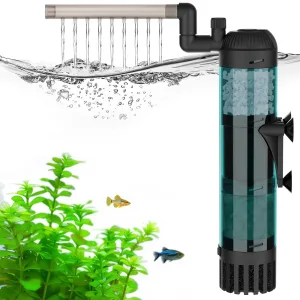
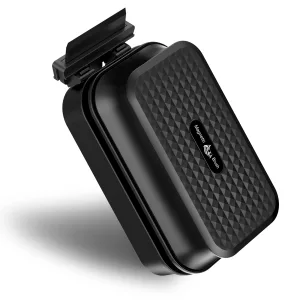
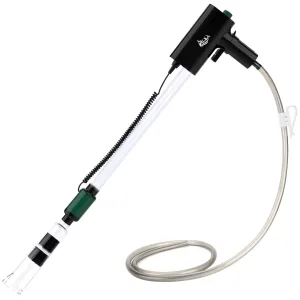
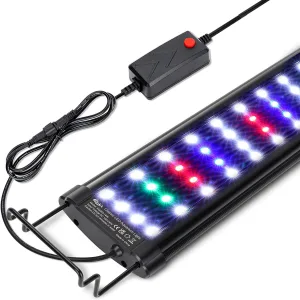
If you have decided what kind of fish and how many of them to keep, here’s some samller fish tank kit for your reference.
Conclusion
Small tanks are fish tanks less than 5 gallons, but sometimes they are terrifically gratifying. They are cheap, trendy, and can fit in small areas. Nevertheless, these tanks also require proper attention and realistic stocking.
To recap:
Choose the right size based on your fish species.
Avoid overstocking — fewer fish mean healthier water.
Use gentle filtration, live plants, and consistent maintenance.
Regularly test your water and feed carefully.
Even a small 3 or 5-gallon aquarium with the proper configuration can turn into a small underwater environment. The size of the tank does not really count; it is the quality of care that you give to what is inside that counts.
FAQ
1. Can small tanks under 5 gallons support plants and decorations?
Yes, absolutely. Such plants as Anubias, Java Moss, and Cryptocoryne can be cultivated in small tanks. Simply open up swimming places and do not crowd.
2. How often should I test water parameters in a mini tank?
It’s best to test once a week. Small tanks can change rapidly, and testing helps you catch problems early.
3. Can I keep multiple species together in a tiny tank?
You may, but with 5-gallon tanks, and only with species that are compatible as shrimp and small rasboras. A one-species set-up should be used instead.
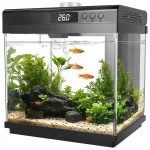
3.7 Gal Aquarium Kit: Filter, 10-Color Light, Self-Cleaning,...
Original price was: $81.99.$77.39Current price is: $77.39.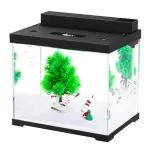

Add comment
You must be logged in to post a comment.