

So when I first got my betta, I figured he’d be happy alone forever: everyone says they’re “fighting fish,” right? But later, I wanted more life in the tank and started thinking about tank mates. That’s when I learned you can’t just throw any fish together with a betta. Bettas have pretty specific needs when it comes to roommates.
Some fish will stress them out, others might get bullied, and a few will straight-up start territorial battles. So if you get the wrong match, then you’re dealing with aggression, stress, or injured fish. Pick the right ones! I’ve found 6 reliable betta tank mates:
Corydoras catfish
Small schooling tetras
Rasboras Snails
Mystery Snails
Dwarf shrimp
African dwarf frogs
Eager to know more? Then you’re on the right page. In this article, we’ll cover everything. From how bettas behave, what to look for in tank mates, info on these 6 species, and tips for introducing them without starting a fish war.
Understanding Betta Behavior and Temperament
Before we even think about tank mates, you’ve got to understand your bettas first. This is because if you’re unaware of their behavior, you won’t be sure what to add to your tank. Here are some important things to know about bettas:
Territoriality and Aggression: Bettas will defend their turf – it’s just hardwired into them. Males, especially, will flare up, chase, or take little nips at anything that gets too close or looks remotely like another betta. It’s not personal, it’s just instinct.
Difference Between Male and Female Bettas: Here’s a table to help you understand the differences between male and female:
| Betta Type | Temperament | Tank Mate Compatibility | Care Notes |
| Male | Highly territorial, often aggressive toward other males | Limited, best with peaceful, non-fin-nipping species | Keep singly; avoid housing with other bettas |
| Female | Less aggressive, can be kept in small groups (sororities) | Broader range – works with schooling fish, snails, shrimp (with caution) | Needs space and hiding spots when kept with others |
Assessing Temperament: Here’s what surprised me: not all bettas are the same. I’ve had some that were total chillaxed dudes, just curious about everything around them. Others? Completely awful, no matter what you do. You really need to watch how your specific betta behaves before introducing anyone new to the mix.
What Are the Key Criteria for Choosing Betta Tank Mates
So now that you know your betta’s personality, let’s talk about what actually works when picking roommates:
Size and Energy Levels Matter: Stay away from fin nippers like tiger barbs – learned that one the hard way. Don’t get hyperactive swimmers either because they never rest. So they will stress your betta out just watching them zoom around constantly.
Water Needs and Swimming Zones: Pick fish that like the same water conditions as your betta. Here’s a pro tip: choose ones that hang out in different areas of the tank. Bottom dwellers with a surface swimmer? You got it right!
Tank Size Makes or Breaks Everything: Cramming everyone into a tiny tank is asking for trouble. More space means everyone gets their own territory, and they don’t run into each other every few seconds.
Give Everyone Places to Hide: Plants, caves, driftwood – basically anything that breaks up the view and gives fish somewhere to duck out when they need space.
6 Best Tank Mates for Bettas
Finding the right roommates for your betta is all about balancing looks, personality, and keeping everyone chill. Not every fish works, but these six options? They’re pretty much tried and true winners when you set things up right. Keep reading to uncover them.
1. Corydoras Catfish
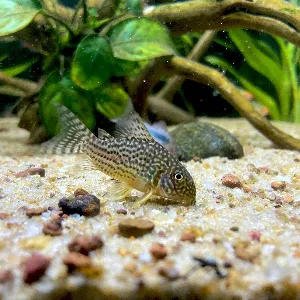
These little bottom-dwelling guys are absolute gems. They spend their whole day just cruising around the bottom, cleaning up any food your betta missed, so basically free tank maintenance. Corys are happiest in groups of at least 4-6, and they really need that soft, sandy bottom to protect their whiskers. You’ll want a 20-gallon tank minimum if you’re doing this combo. Toss them some sinking pellets and the occasional frozen treat, and they’re golden.
2. Small Schooling Tetras (Neon, Ember, etc.)

Tetras are like the perfect background dancers for your betta’s main act. Neon tetras and ember tetras work great because when they school together, they’re way less likely to bug your betta. Get at least 6, bigger groups actually feel safer and look way cooler swimming together. Just skip the nippy ones like serpae tetras, trust me on that. Throw in some plants for cover, and everyone stays happy.
3. Rasboras (Harlequin, Chili, etc.)
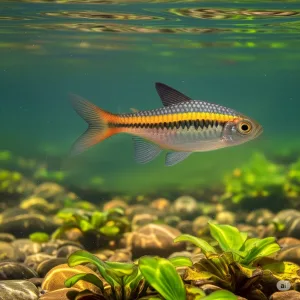
Man, rasboras are gorgeous and super chill. Harlequin rasboras have these amazing copper colors that look incredible next to a bright betta. Same deal as tetras – keep them in schools of 6 or more. They love having open water to swim in, but also appreciate some plant cover. Honestly, one of the safest bets you can make for a community setup.
4. Mystery Snails and Other Snails

Snails might sound boring, but they’re actually pretty cool tank mates. Mystery snails, nerites, ramshorns – they all get along great with bettas and work as your personal cleanup crew for algae and leftover food. Super low maintenance, just make sure they get some calcium for strong shells, and give them at least 10 gallons of space. Watch out with ramshorns, though – they multiply like crazy if you overfeed.
5. Dwarf Shrimp (Cherry, Amano, Ghost)

Shrimp are hit or miss, depending on your betta’s attitude. Amano shrimp are bigger, so they’re usually safer, while cherry and ghost shrimp are tiny and might need lots of plants to hide in. They’re amazing little cleaners, constantly munching algae and scraps. Give them some specialized shrimp food and plenty of hiding spots like caves or driftwood – some bettas see them as expensive snacks.
6. African Dwarf Frogs
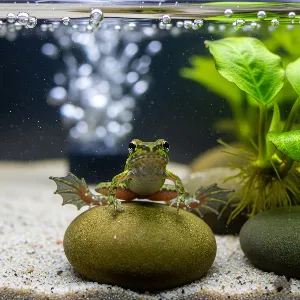
These little amphibians are weird and wonderful. They’re fully aquatic but super slow eaters, so you’ll need to make sure they actually get fed – sinking pellets or frozen bloodworms work best. Keep them in pairs since they’re social, and definitely get a tight lid because they pop up for air sometimes. When it works, having frogs with your betta is just plain cool to watch.
Quick Compatibility Rating
Not sure which one to actually go for? Then use our compatibility rating below to decide without being overwhelmed.
| Species | Peacefulness | Compatibility | Ease of Care |
| Corydoras | ★★★★★ | ★★★★★ | ★★★★☆ |
| Small Schooling Tetras | ★★★★☆ | ★★★★☆ | ★★★★☆ |
| Rasboras | ★★★★★ | ★★★★★ | ★★★★☆ |
| Myst,ery & Nerite Snails | ★★★★★ | ★★★★★ | ★★★★★ |
| Dwarf Shrimp | ★★★☆☆ | ★★☆☆☆ | ★★★★☆ |
| African Dwarf Frogs | ★★★★☆ | ★★★★☆ | ★★★☆☆ |
Tips for Keeping a Peaceful Tank
Once you get the introductions right, maintaining peace is actually pretty straightforward.
Size and Plants: Bigger tanks with lots of plants work well. That’s because more space means less bumping into each other, and plants are also there to give everyone a break when they need it.
Create Visual Breaks: Aquatic life is different; at times, they’d want to block the view to reduce tension. So don’t forget caves, driftwood, floating plants – anything that blocks the view between different areas of the tank. It’s like having walls in your house instead of one giant open room.
Keep the Water Clean: This one’s obvious but crucial. Stressed fish in dirty water are way more likely to fight. Good filtration and regular water changes keep everyone healthy and happy.
Conclusion
Finding the right tank mates for your betta really comes down to creating a setup where everyone can just do their thing without getting on each other’s nerves. We’ve covered how bettas think, what to look for in roommates, and those six solid options – from the cleanup crew corydoras to those quirky little African dwarf frogs.
The big three things to remember? Compatibility, tank size, and giving everyone their own space. But here’s what every fish keeper must understand: they’re all different. Some are total chillaxed dudes who don’t care what you put in there, others want their tank to themselves forever. You really have to watch your specific fish and be sure to switch things if it isn’t working as expected.
You can’t just hope everything to work withoupaying attention. Have you ever tried mixing your betta with other fish? If yes, then we’d love to hear about your experience. Whether it was a total success or a complete disaster. Drop a comment and share your experience with other fish keepers.
FAQs
1. Do betta fish eat baby betta fish?
Yep, adult bettas will absolutely snack on baby bettas if they get the chance. If you’re breeding them, get those fry into their own tank ASAP.
2. Why do betta fish attack each other?
It’s all about territory and dominance. Males, especially, will fight over space, food, or just to prove who’s boss. Never put two males together – it never ends well.
3. What’s the minimum number of betta fish in a tank?
For males, it’s one per tank.
Females can sometimes work in groups called “sororities,” but that’s tricky business requiring tons of space and hiding spots.
3.7 Gal Aquarium Kit: Filter, 10-Color Light, Self-Cleaning,...
Original price was: $81.99.$77.39Current price is: $77.39.






Add comment
You must be logged in to post a comment.