
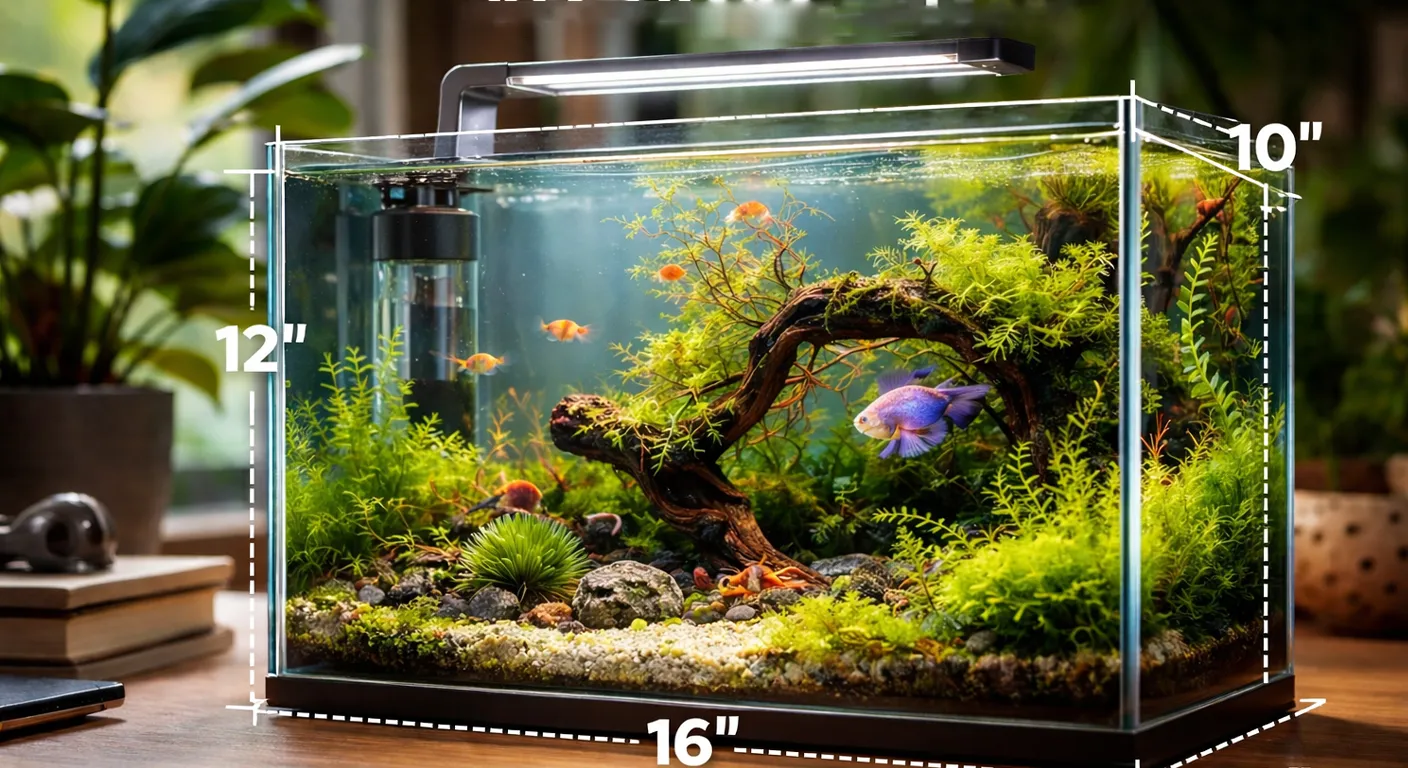
Nano tanks are everywhere right now. Living rooms, home offices, bedroom shelves. What used to be a niche corner of the fishkeeping hobby has become something a whole lot of people are genuinely curious about.
And the appeal makes total sense.
A nano aquarium is a small fish tank typically defined as under 20 gallons (about 75–80 liters), though some hobbyists use the term for tanks up to about 30 gallons depending on the setup. Nano aquariums are popular for small spaces, desktops, and beginner setups, but they require more careful water‑quality management because of their limited volume.
But here is what most beginner guides skip over. Understanding what a nano aquarium actually is goes well beyond picking a small tank off a shelf. Size is where people start. It is also where most people get it wrong.
So before anything gets bought or filled with water, this guide covers exactly what qualifies as a nano tank, why volume is only part of the answer, and what that means for you.
Defining the Nano Tank: Volume vs. Philosophy
To understand what is considered a nano aquarium, the industry standard is the first place to look. Historically, anything under 30 gallons was broadly labeled “small.” Over time, as specialized equipment and aquascaping techniques evolved, that threshold dropped considerably.
Today, a nano tank generally refers to any aquarium holding 20 gallons or less, though the biological reasoning behind that number tells a more complete story.
Volume alone does not define a nano tank. The challenge of maintaining chemical stability in a limited water column, the careful selection of appropriately sized livestock, and the intentional use of space all contribute to what separates nano keeping from conventional fishkeeping. It is a discipline, not just a size category.
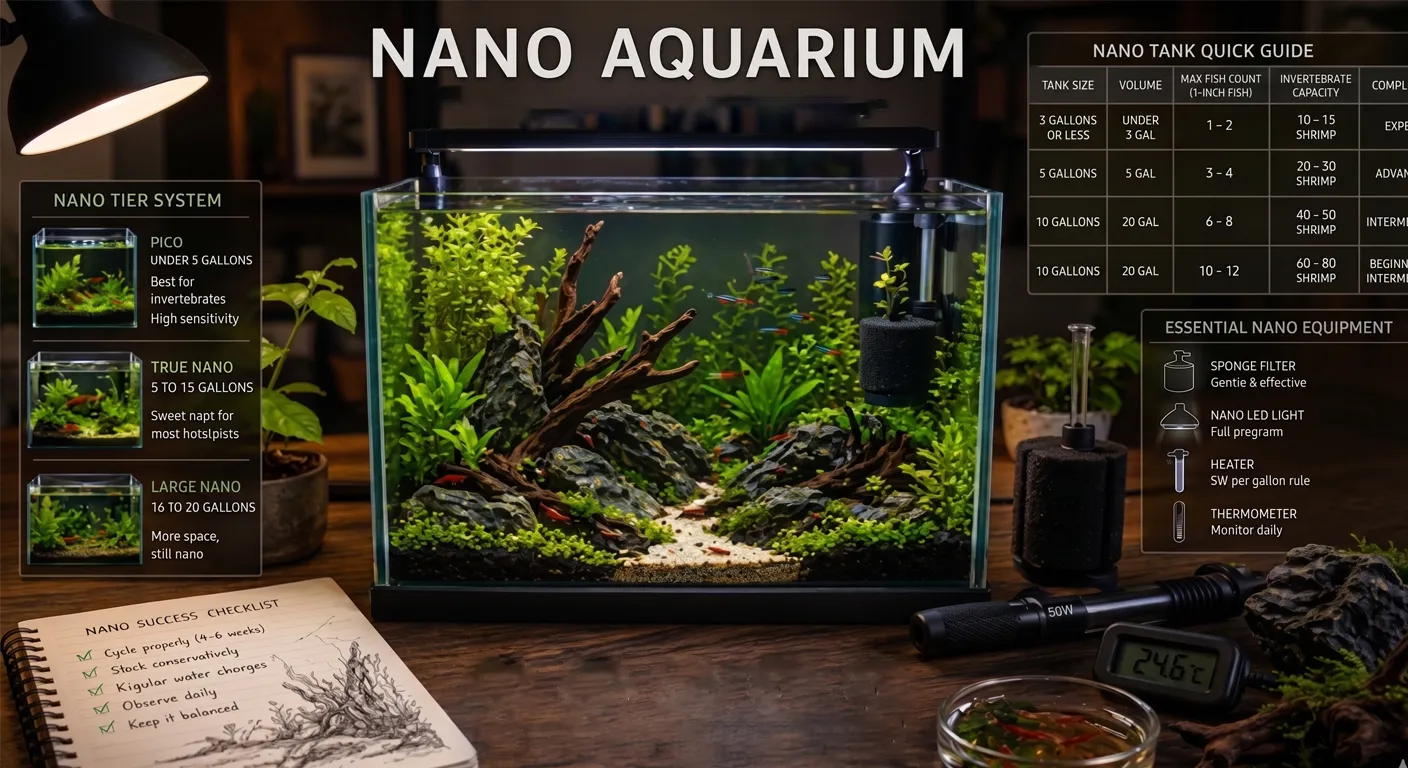
The Nano Tier System
The hobby has developed a practical classification system that most experienced keepers and retailers follow consistently:
Pico Tanks (Under 5 Gallons): These sit at the most end of the spectrum. Water parameters shift rapidly, and they are best suited for single specimens or invertebrate colonies. Beginners should approach with real caution.
True Nano (5 to 15 Gallons): This is the sweet spot for most hobbyists. There is enough water volume to maintain moderate stability while still fitting on a desk or bookshelf with ease.
The “Large” Nano (16 to 20 Gallons): Some within the community debate whether a 20-gallon qualifies, but most current US standards include it within the nano category, particularly when stocked and aquascaped accordingly.
| Tank Category | Volume Range | Difficulty Level | Recommended Inhabitants |
| Ultra-Pico | Under 2.5 gallons | Expert | Single snails, moss balls, and dwarf shrimp |
| Standard Pico | 2.5 to 5 gallons | Advanced | Dwarf shrimp, nano snails, micro fish |
| Core Nano | 5 to 15 gallons | Intermediate | Betta, nano schoolers, Neocaridina shrimp |
| Large Nano | 16 to 20 gallons | Beginner to Intermediate | Small community fish, invertebrates |
Is a 10 or 20 Gallon Tank a Nano Tank
This question surfaces constantly in fishkeeping communities, and the answer requires more nuance than a simple yes or no.
The 10-Gallon Tank: The Industry Anchor
The 10-gallon tank is arguably the most recognized nano size in the United States. It sits at the intersection of accessibility and practical manageability.
The “Standard” Nano: Most aquarium retailers, specialty stores, and aquascaping guides treat the 10-gallon as the default nano setup. It provides enough water volume for a small nitrogen cycle to stabilize without requiring advanced chemistry management.
Dimensions vs. Volume: A standard 10-gallon measures 20 inches long by 10 inches wide by 12 inches tall. That footprint limits aquascape complexity but rewards creative layout work. Shallow, wider tanks in the 10-gallon range often outperform taller ones for plant growth and light penetration.
Market Availability: Starter kits, nano filters, and LED lighting rigs are almost universally sized with the 10-gallon in mind, which makes sourcing appropriate equipment significantly easier for new keepers.
The 20-Gallon Tank: Right at the Edge
The 20-gallon sits at the boundary of what most hobbyists will call a nano tank.
The 20-Gallon Long Advantage: The “20L” format, measuring 30 inches by 12 inches by 12 inches, is particularly popular in nano aquascaping. The longer footprint allows for more detailed hardscape arrangements and better swimming corridors for small fish.
Stocking Philosophy: Even at 20 gallons, restraint is the rule. Overstocking at this volume leads to ammonia spikes just as quickly as in smaller setups. The general guideline of one inch of fish per gallon still applies, though bioload and species temperament matter more than measurements alone.
Technical Classification: From a biological standpoint, 20 gallons still qualifies as nano because rapid parameter shifts remain a real risk, equipment must be carefully scaled down, and the stocking options stay limited compared to a 40-gallon or larger system.
Is a Nano Aquarium Right for You?
Worth sitting with before any purchase is made. Nano tanks look effortless in photographs. The actual daily reality involves consistent, precise upkeep.
The Pros of Going Small
Lifestyle Integration: A nano tank fits into spaces that a standard aquarium simply cannot. Apartments, dorm rooms, and shared living spaces are all workable environments for a well-chosen nano setup.
Lower Cost of Entry: The hardware required for a 10-gallon setup costs significantly less than what a 55-gallon system demands. A quality nano starter setup can be assembled for under $150, including lighting, filtration, and basic hardscape materials.
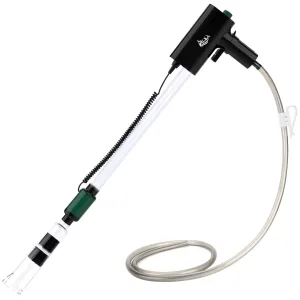
Low-Volume Water Changes: Weekly water changes on a nano tank rarely exceed 2 to 3 gallons, which keeps the physical labor minimal and the process manageable even on a busy schedule.
The Cons Worth Knowing
Fragile Chemistry: Less water means any disturbance registers as a much larger chemical event. A single overfeeding, a decaying plant, a skipped water change. The buffer zone is very narrow.
Equipment Costs Can Surprise: Nano-specific equipment, particularly quality heaters and filters designed for low flow rates, often costs more per unit than standard-sized alternatives. Cheap nano heaters are notoriously inconsistent and worth avoiding entirely.
Stocking Limitations: A 10-gallon tank should not house more than one Betta or a small group of fish no larger than 1.5 inches each. The desire to add one more species is where most nano tanks begin to fail.
Why Small Aquariums Are Harder to Maintain
A 50-gallon tank absorbs an ammonia spike very differently from a 5-gallon tank does. In larger volumes, beneficial bacteria spread across a wide surface area and can process waste before it reaches dangerous concentrations.
In a nano setup, that same bacterial colony covers far less surface area relative to the bioload it needs to manage. A single overfeeding event in a 5-gallon tank can push ammonia to lethal levels within 24 hours.
That is not an exaggeration.
The Speed of Change
Temperature Swings: A 5-gallon tank near a window can shift 6 to 8 degrees Fahrenheit in a single afternoon. Fish stressed by temperature fluctuations become susceptible to disease rapidly, and heater placement requires more attention than most beginner guides acknowledge.
Evaporation and Salinity: In brackish or marine nano setups, daily evaporation can raise salinity noticeably within 48 hours if top-offs are skipped. Freshwater nanos are more forgiving here, but evaporation still affects water level and temperature regulation in ways that compound quickly.
New Tank Syndrome in Nano Systems
New tank syndrome refers to the ammonia and nitrite spike that occurs before a tank’s nitrogen cycle is fully established. In tanks under 10 gallons, this cycle is more volatile and more dangerous because the bacterial colonies have significantly less surface area to colonize.
Cycling a nano tank properly, whether through a fishless cycle using pure ammonia or through established filter media, takes a minimum of 4 to 6 weeks. Rushing or skipping this stage accounts for the majority of early livestock losses in nano setups across the board.
Essential Equipment for Nano Tanks
Standard aquarium equipment is engineered for larger systems. Placing a 200 GPH power filter in a 5-gallon tank creates a current that exhausts small fish and uproots planted substrate within days.
Filtration for Gentle Flow
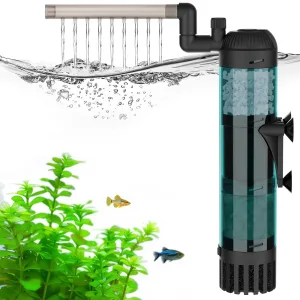
Sponge Filters: The most popular choice for nano tanks in the 5 to 15-gallon range. They provide biological and mechanical filtration, produce gentle surface movement, and double as feeding grounds for shrimp and fry. Powered by a small air pump, they cost very little to replace or maintain.
Nano HOB Filters: These work well in the 10 to 20-gallon range when the flow rate is adjustable. The Aquaclear 20 is frequently cited in the hobby because the flow can be throttled down, and the media basket is fully customizable.
Flow Control: A general guideline is to achieve 4 to 6 times the tank volume in water turnover per hour. A 10-gallon tank should use a filter rated for 40 to 60 GPH at most.
Heating and Lighting
The 5 Watts Per Gallon Rule: A standard starting point for heater sizing. A 10-gallon tank needs a 50-watt heater at minimum, though 25-watt nano-specific units work well in rooms held at stable ambient temperatures.
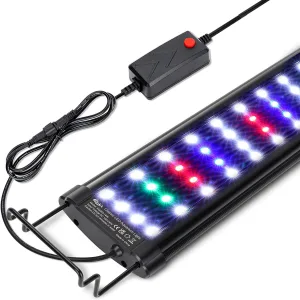
Nano LED Fixtures: Modern nano LED lights produce high-quality light spectrums suited to planted tanks without generating the excess heat that older compact fluorescent bulbs did. The Fluval Plant 3.0 and Chihiros series are widely used and well-regarded options.
The Chiller Question: In warm climates where room temperatures exceed 82 degrees Fahrenheit consistently, a small aquarium chiller becomes a necessity, particularly for sensitive species like Crystal Red Shrimp.
Stocking Ethics and Aesthetics
Choosing livestock for a nano tank is not just about what physically fits. It is about what genuinely thrives under those conditions.
Best Fish for 5 to 10 Gallon Setups
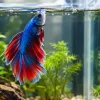
Betta Splendens: A single male Betta remains the most popular nano fish in the US market. They prefer still or slow-moving water, tolerate slightly acidic conditions, and display notable personality. Two males should never be housed together.
Micro-Predators: Species like Scarlet Badis (Dario dario) and Pea Puffers (Carinotetraodon travancoricus) offer fascinating behavior in tanks as small as 5 gallons, though Pea Puffers require careful tankmate selection due to their tendency toward fin-nipping aggression.
Nano Schoolers: Chili Rasboras (Boraras brigittae) and Ember Tetras (Hyphessobrycon amandae) are among the best schooling fish for 10-gallon setups. Groups of 6 to 8 individuals create cohesive, natural movement patterns without overwhelming filtration.
Invertebrates: The Real Stars of Nano Tanks
Neocaridina Shrimp: Cherry Shrimp and their color variants are the most forgiving shrimp species for beginners. They breed readily in established nano tanks, graze algae from hardscape and plant surfaces, and add continuous movement throughout the tank.
Cleanup Crew: Nerite Snails are among the most effective algae grazers available for nano systems. They do not reproduce in freshwater, which prevents population overgrowth. Mystery Snails serve the same purpose on a larger scale.
| Tank Size | Max Fish Count (1-inch fish) | Invertebrate Capacity | Complexity |
| 3 Gallons | 1 to 2 | 10 to 15 shrimp | Expert |
| 5 Gallons | 3 to 4 | 20 to 30 shrimp | Advanced |
| 10 Gallons | 6 to 8 | 40 to 50 shrimp | Intermediate |
| 20 Gallons | 10 to 12 | 60 to 80 shrimp | Beginner to Intermediate |
Maintenance Routines for Long-Term Success
Consistency is not a suggestion in nano keeping. It is the foundation.
Daily: Check water temperature, observe fish and shrimp behavior for early signs of stress or illness, and remove any uneaten food within 30 minutes of feeding.
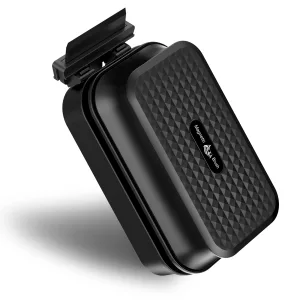
Weekly: Perform a 20 to 30 percent water change using dechlorinated water matched to tank temperature, clean the glass with an algae scraper, and trim fast-growing plants before they shade lower-level species.
Monthly: Rinse filter media in collected tank water rather than tap water, inspect heater function, test water parameters including pH, ammonia, nitrite, and nitrate, and reassess stocking levels if the system shows signs of being pushed past capacity.
Conclusion
A nano aquarium rewards those who approach it with precision rather than convenience. This guide has covered the defining size tiers, the 10 and 20-gallon classification debate, the chemistry challenges that make small systems genuinely harder to manage, the equipment specifications worth investing in, and the stocking strategies that lead to long-term stability.
The path forward is clear. You need to choose the right volume for the available space and commitment level, stock conservatively, invest in properly scaled equipment, and follow a maintenance schedule without exception. Small tanks are capable of extraordinary, lasting results.
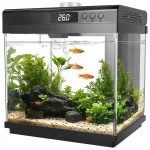
3.7 Gal Aquarium Kit: Filter, 10-Color Light, Self-Cleaning,...
Original price was: $81.99.$77.39Current price is: $77.39.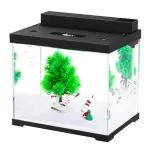


Add comment
You must be logged in to post a comment.