

The first time I spotted duckweed in my tank, it was just a couple of tiny green leaves floating around. It looked harmless enough, right? But man, was I wrong. Two days later, my entire water surface resembled a miniature swamp. The stuff had basically carpet-bombed my tank, and my poor plants below were getting zero light. My fish were acting all weird too, which is when it hit me – I had a serious problem on my hands.
If you’re thinking what duckweed is and how to get rid of duckweed in aquarium: it’s the rabbit of the aquarium plant world. This tiny floating plant reproduces like crazy. We’re talking about doubling in size. And it’s not just about looks, either. Too much of this stuff will block out your lighting, mess with oxygen levels at night, and generally throw your whole tank balance out of whack.
The good news? You’re not stuck with it forever. Fortunately, there are three effective ways to deal with duckweed in your tank:
Manual Removal
Environment Control
Biological Control
Eager to know more about all this? Then read on because we’ll discuss why it spreads faster than gossip, and most importantly: how to get rid of it safely and keep it from turning your beautiful aquarium into a green nightmare again.
What is Duckweed
Duckweed is basically that uninvited guest that shows up in your aquarium and won’t leave. This tiny floating plant loves freshwater tanks, ponds, and pretty much any water it can find. Each plant is super simple – just one or two small, round leaves (fronds) with a single root dangling down into the water.
Most of the time, you didn’t even invite this stuff in. It hitchhikes on new plants, decorations, or water from another tank or pond. You think you’re just adding some nice plants to your setup, and boom – you’ve accidentally imported an entire duckweed colony. Don’t let the tiny size fool you, though. This little green menace can completely mess with your tank.
Why Does Duckweed Appear in Your Aquarium
Think about the last time you added new plants or switched up your tank decor. See any tiny green specks you didn’t notice before? That’s probably where it started. Duckweed loves to sneak in attached to other plants or hitch a ride on equipment and surfaces that weren’t cleaned properly. And here’s the annoying part: because this stuff grows so fast and is basically indestructible. Even just a couple of fronds can take over your entire tank before you know it.

Why Does Duckweed Grow Rapidly
Duckweed absolutely loves certain tank conditions. So, if your setup ticks any of these boxes, you’re giving an open invitation to make them grow out of control:
Excess nutrients: These are like rocket fuel for this stuff. Overfeeding your fish, too much waste sitting around, or decaying plants all pump nitrates and phosphates into the water that duckweed goes crazy for.
Stagnant Water: is another big one since low surface movement means the duckweed can just chill there undisturbed, multiplying like there’s no tomorrow.
Lighting Conditions: Strong lights or keeping them on too long help duckweed photosynthesize faster and grow thicker.
Warm Temperatures: Don’t even get me started on this. When it gets hot, especially in summer, this stuff reproduces even faster.
Does Duckweed Benefit Your Fish Tank
Duckweed isn’t completely evil, especially if you can keep it under control. In small amounts, it actually does some pretty cool stuff like:
Cleans the Water: It sucks up extra nitrates and phosphates that would mess with your water quality.
Gives Fish Cover: Shy fish and baby fry get a safe place to hide underneath it.
Oxygenation: During the day, duckweed makes oxygen, which is good for your water.
Food Source: Some fish, like goldfish or mollies, actually like eating it as a snack.
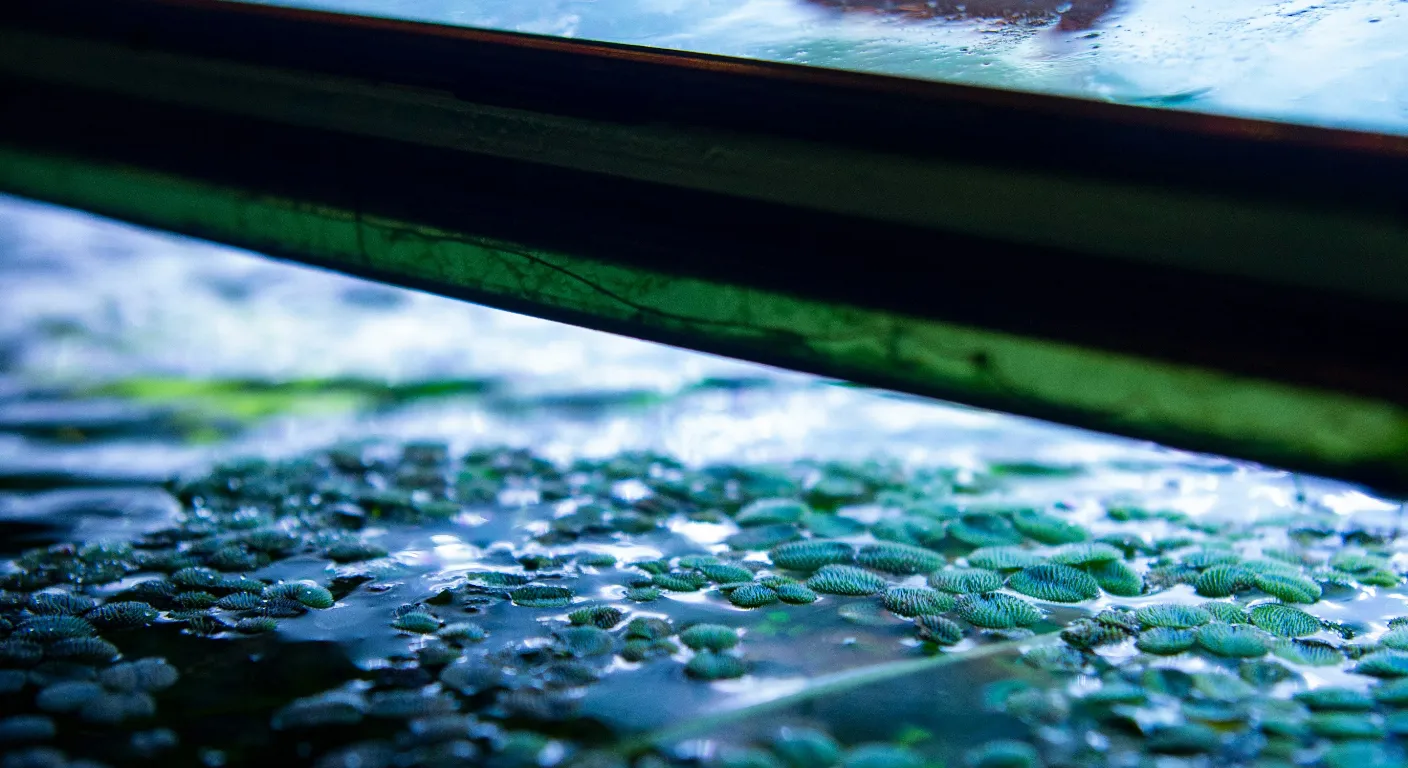
3 Best Ways to Get Rid of Duckweed
If duckweed has taken over your aquarium, don’t panic, you’re not experiencing this alone. Many aquarists face this issue, especially when they’re dealing with a nutrient-rich or low-circulation tank. Here are some ways to bid them farewell:
1. Manual Removal
The simplest way is just scooping it out. Works best when you catch it early or if it hasn’t completely taken over yet. You’re removing the bulk of the problem before it gets worse. Great starting point that you can combine with other methods.
Here’s how to do it right:
Use a fine mesh net, plastic spoon, or skimmer to scoop out the floating duckweed.
Gently swirl your tool in circles to collect more pieces at once.
Press a paper towel on the water surface briefly – it picks up the tiny bits you missed.
Repeat daily for best results, and go easy so you don’t bother your fish.
2. Environmental Control
Controlling your tank’s environment is a really smart way to slow down duckweed growth and keep it from coming back. Remember how duckweed loves still water, tons of nutrients, and long lighting? Well, you can mess with those conditions to make your tank way less appealing for this stuff to grow. Plus, doing this will make your whole tank healthier anyway.
How to do it effectively:
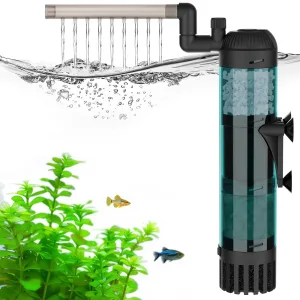
Increase surface movement by moving your filter output around or tossing in an air stone. The water movement breaks up that calm surface duckweed needs to do its thing.
Turn down your light intensity or cut back to just 6-8 hours a day.
Do regular water changes and clean your gravel to get rid of extra nutrients from fish waste and rotting stuff.
3. Biological Control
Using biological methods basically means getting some natural allies to fight your duckweed battle for you. This approach is perfect if you’ve already got compatible fish in your tank or when manually scooping this stuff out just isn’t doing the trick anymore. Certain fish species actually see duckweed as a tasty snack. Also, throwing in some competitive floating plants can help keep it under control, too.
Follow these steps to do this properly:
Add fish that eat plants like goldfish, mollies, or koi – they’ll munch on duckweed all day.
Try floating plants like frogbit or water lettuce because they can combat duckweed for nutrients and light.
Don’t forget to keep an eye on your fish and plants to ensure everything stays healthy and balanced.
Tips and Precautions
Don’t Overfeed Your Fish. Make sure there aren’t any leftovers because it can make duckweed go crazy for.
Quarantine New Plants. Always check and rinse new aquatic plants so you don’t miss any sneaky duckweed.
Stay Consistent. Cleaning it once may not be enough. So, you need regular maintenance to keep this stuff from coming back.
Conclusion
If you care about your aquarium and how it looks, then you can’t just ignore duckweed when it takes over. This one problem can mess with your whole tank setup if you let it go too long. Some people get overwhelmed when they first come across it, but it becomes simple when you know the right solution.
Here we’ve covered three solid ways to deal with duckweed that actually work. Manual removal gets you quick results, environmental control stops it from spreading, and biological control keeps things balanced long-term. Following them will allow your tank to stay clean, and your fish will be way happier.
If you’re new to fishkeeping and just dealing with this for the first time, then consider this good practice for responsible tank maintenance. It’s not just about removing the duckweed; it’s also that you’re learning more about the fish environment. So never stop learning to always stay ahead of problems and keep your aquarium looking amazing.
FAQ
1. How fast does duckweed grow?
Duckweed can double its biomass in as little as 24-48 hours.
2. Is duckweed good for goldfish?
Yes, duckweed can be very beneficial for goldfish. It provides a natural, nutritious food source that is rich in protein, and most goldfish enjoy eating it.
3. Can I kill duckweed? How?
Yes, you can kill duckweed by introducing fish that eat duckweed, such as goldfish, guppies, or mollies.
AQQA Adjustable Flow Aquarium Gravel Vacuum, All-in-One Siphon...
Original price was: $19.99.$15.95Current price is: $15.95.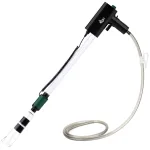



Add comment
You must be logged in to post a comment.