

When I first got into fishkeeping, I was pretty clueless about water changes. I mean, I knew I had to do them, but nobody really explained how important they were. One time, I decided to be “helpful” and changed almost all the water in my small tank at once – figured I was giving my fish this amazing fresh start, right? Wrong. My fish got super stressed out, and I actually lost one the next morning. That hit me hard and taught me real quick that there’s definitely a right and wrong way to do water changes.
Here’s the thing about water changes – they’re not just some chore you do because everyone says you should. Water change actually keep your whole tank system working properly. Your filter can only do so much, and even the best biological cycling needs help sometimes. Get the timing and amount wrong, and you can mess things up fast. The good news? Once you know the basics, the rest becomes simple.
Eager to know how to keep your fish happy and your tank thriving? In this guide, we’ll walk you through everything – why water changes matter so much, what benefits you’ll see, and how often to actually do them.
Why Water Change Matters
Look, your fish are basically stuck in whatever environment you create for them. They can’t just swim away if things get bad, so water quality becomes everything. I used to think my filter could handle most of the work – turns out that’s not how it works.
What happens when you skip water changes: Your fish get stressed, get sick more easily, and you’ll probably end up dealing with algae blooms. None of that’s fun to deal with.
Even good filters can’t catch everything: All that uneaten food, fish waste, and dead plant stuff breaks down into ammonia and nitrites. Your filter helps, but it can’t remove all of it.
Getting things back in balance: Regular water changes basically reset your tank’s chemistry, keeping everything stable so your fish can actually thrive instead of just surviving.

What are the Main benefits of Water Change
Water changes do more than just make your tank look nice. Here’s what really happens:
Gets the bad stuff out: That ammonia and nitrite buildup? Gone. Your fish can actually breathe easier.
Puts good stuff back in: Your fish and plants use up minerals over time, so fresh water brings back what they need.
Keeps your bacteria working: Those good bacteria that handle waste need things to stay stable to do their job.
Stops nasty surprises: You know those sudden spikes that can kill fish? Regular changes prevent that from happening.
How Often Should You Change Aquarium Water
Now you’ve learn that water changes are something important. Next, the thing you’re probably thinking is: how often should you actually do them? It really depends on what you’ve got going on in your tank.
Most tanks: For regular freshwater setups, 25% every 2-4 weeks usually does the trick. Gets rid of the bad stuff without messing up your tank’s balance.
Lots of fish crammed in: If you’ve got a bunch of fish in a smaller space, you’ll need to step it up. Try 15-20% every 1-2 weeks instead. Smaller changes more often keep things stable.
Not many fish or tons of plants: Lucky you – these tanks don’t get as messy. 20-25% every 3-4 weeks should cover it since there’s just less waste being produced.
Don’t go crazy: Never change more than 50% at once. I learned this the hard way. Big changes can kill off your good bacteria and shock your fish when everything shifts too fast.
Saltwater tanks: These guys are pickier, so 10-15% weekly is usually what you need since marine fish don’t handle chemistry changes as well.
How to Properly Change Your Aquarium Water
Water changes aren’t just dumping out water and adding more back in. There’s actually a right way to do it that keeps your fish happy and your system stable.
1. Gather Equipment
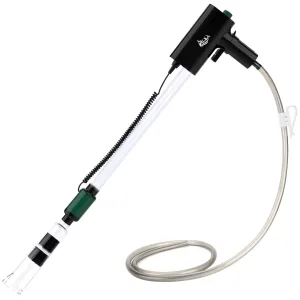
Siphon or gravel vacuum – gets water out while cleaning junk from your substrate.
Buckets – get ones just for your tank and never use them for cleaning stuff around the house.
Water conditioner – gets rid of chlorine and chloramine from tap water.
Thermometer – makes sure your new water isn’t too hot or cold.
2. Prepare the Tank
Don’t remove your fish – just stresses them out for no reason.
Turn off your heater, filter, and any other electrical stuff so nothing gets damaged while you’re working.
3. Remove Tank Water
Stick your siphon in the gravel and vacuum out fish waste, leftover food, and other gross stuff.
Take out 15-25% of the water based on your schedule.
Don’t go crazy stirring up the substrate – that can release nasty gases.
4. Prepare Replacement Water
Fill a clean bucket with tap water.
Add water conditioner to neutralize all the chlorine stuff.
Either use a heater or let it sit until it matches your tank temperature.
If you’ve got sensitive fish, check pH and hardness to make sure everything’s close.
5. Refill the Aquarium Slowly
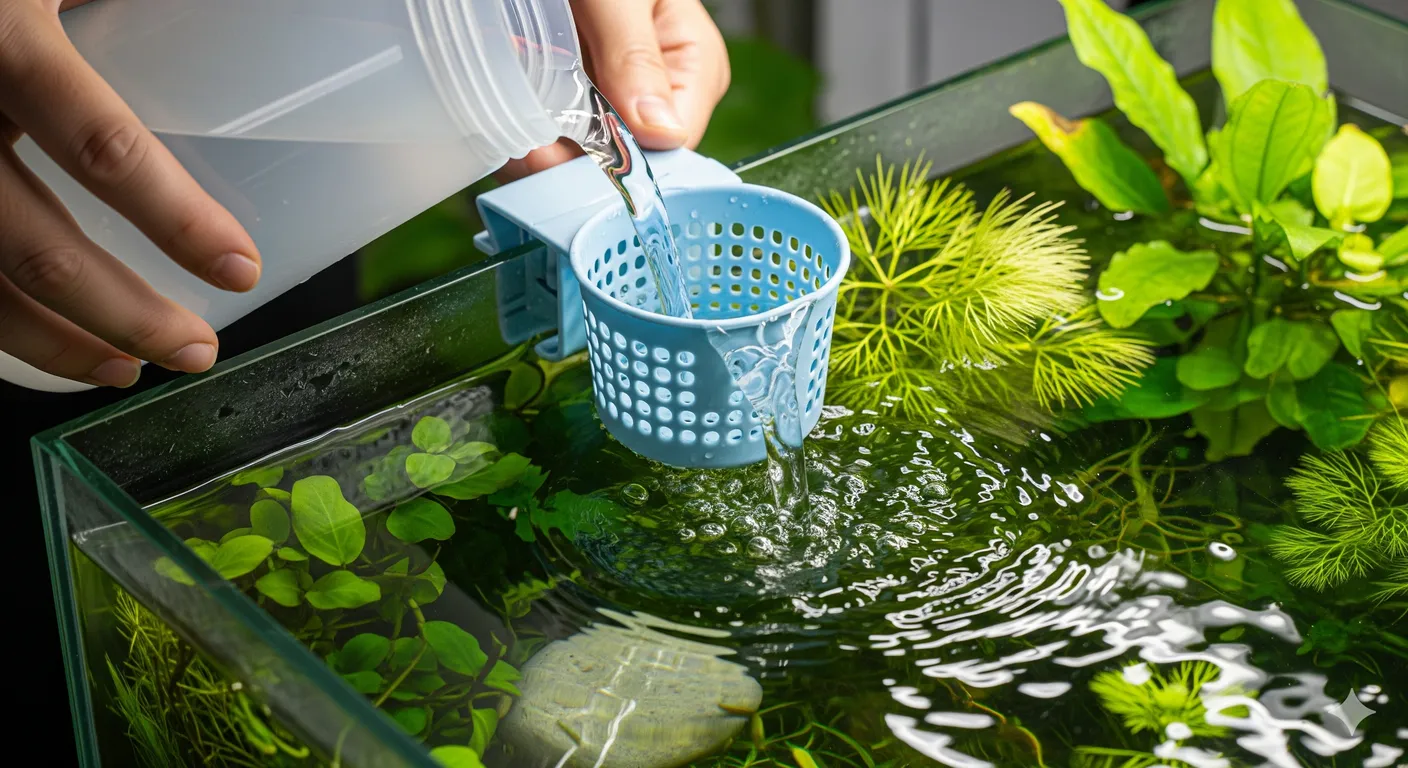
Pour the new water in gently so you don’t freak out your fish or mess up your plants.
Turn your filter and heater back on.
Double-check everything’s running right and keep an eye on your fish for any weird behavior.
Common Myths and Concerns
A lot of beginners get scared about water changes because of stuff they’ve heard. Let me clear up some of the biggest myths:
“Water changes crash your biological cycle.”
Not true – when you do them right, they actually help your cycle work better.
They actually help your cycle by getting rid of toxins and keeping your fish healthier overall.
“They kill your good bacteria.”
Wrong again – most of those bacteria live on your gravel, decorations, and filter media, not floating around in the water.
The real problem happens when you do massive changes or wait way too long between them, which shocks everything.
Additional Tips for Water Change
Here are some additional useful tips to help you with water change:
Know when your tank’s asking for help: Water looks weird, smells funky, or algae’s everywhere? Don’t wait – do a water change now.
Test if you want, but don’t overthink it: I check ammonia and nitrates sometimes with test strips. If nitrates get above 40, I know it’s time. But honestly, if your fish look happy, you’re probably doing fine.
Different tanks need different approaches: Not all setups are the same.
Here’s what I’ve learned works:
| Tank Type | Special Notes |
| Freshwater Tanks | Regular 20–25% changes are enough for most community tanks. Avoid big swings. |
| Saltwater Tanks | Smaller, weekly changes (10–15%) help maintain salinity and trace minerals. |
| Planted Tanks | Balance is key, too frequent large changes may strip nutrients. Dose fertilizers as needed after changes. |
Conclusion
Water changes are pretty much the best thing you can do for your tank. I mean, filters are great and all, but they can’t do everything. Even the best filter in the world can’t do what a good water change does. Regular water changes keep things fresh and your fish happy.
Don’t overcomplicate it for yourself for nothing. Just do smaller changes more often instead of waiting forever and then doing huge ones. Go with the basics: do them regularly, don’t go overboard with the amount, and keep things stable. Smaller changes done consistently are way safer than waiting forever and then doing a massive one. Test your water if you can, but don’t stress too much about it.
Fishkeeping’s all about trial and error anyway. We mess stuff up all the time and learn something new. Your fish will be fine as long as you’re paying attention and doing your water changes regularly. Share your experience about something similar below and help other hobbyists.
FAQs
1. Why is my fish not moving after a water change?
Probably shocked by the temperature or chemistry being off. Always match your new water to what’s already in the tank and pour it in slowly.
2. How to condition water for betta fish?
Just use a water conditioner to get rid of the chlorine stuff. Bettas like their water a bit warm, so make sure it matches your tank temperature.
3. I only want to change a little water. How do I do a partial water change in my fish tank?
Easy – siphon out 10-15% of the water, clean some gravel while you’re at it, and add back treated water that’s the same temperature. That’s actually the best way to do it.
15W Wave Maker Pump (2100GPH) with 360 Degree...
Original price was: $18.69.$17.59Current price is: $17.59.
800-3200GPH Multifunction Controllable Water Pump for Salt/Freshwater
Original price was: $109.99.$104.49Current price is: $104.49.
Ultra-quiet 265-800GPH Submersible Water Pump with High Lift,...
Original price was: $18.99.$16.14Current price is: $16.14.




Add comment
You must be logged in to post a comment.