
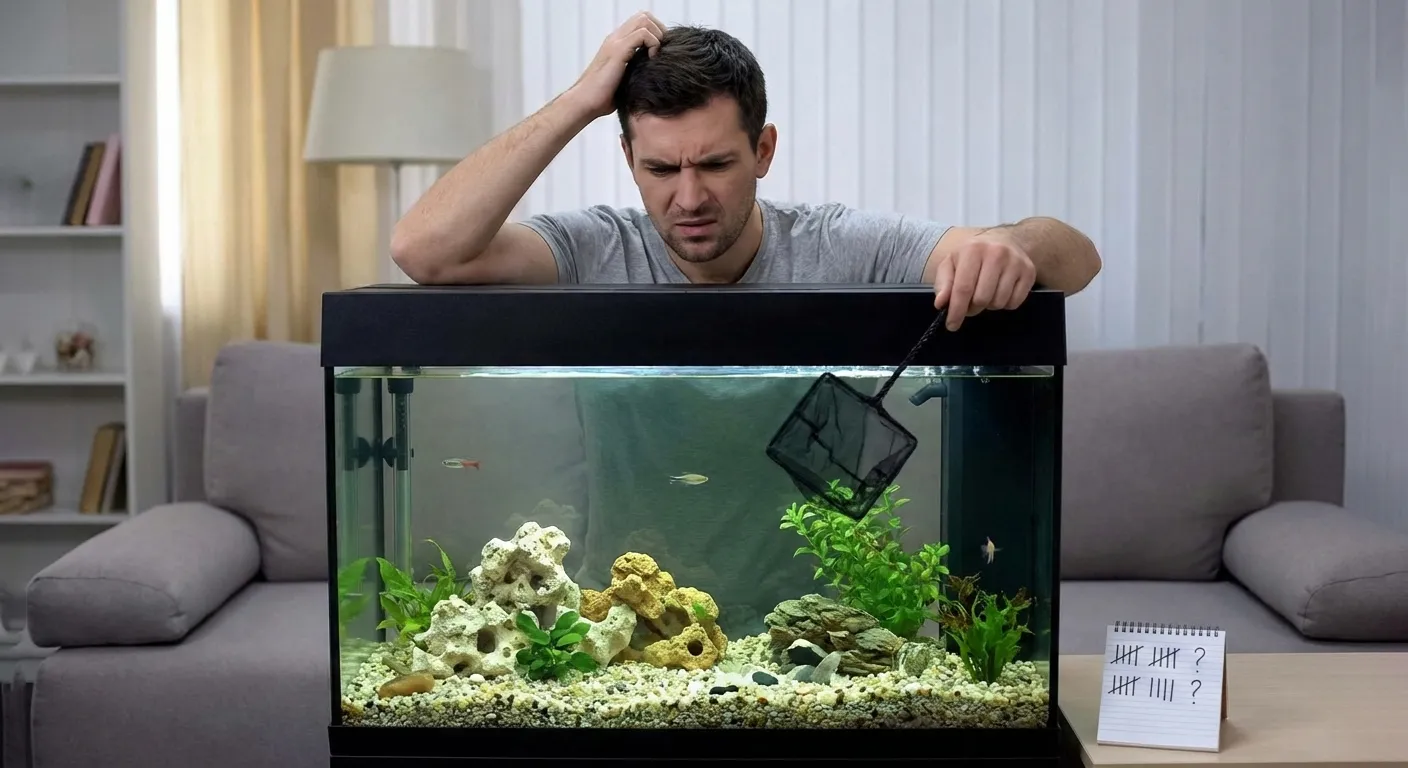
One morning, you wake up to feed your fish, and you see something very, very frightening: one of your fish has disappeared. No one is floating on the surface, no apparent fighting, and the tank appears perfectly natural. This is one of the most frustrating experiences of aquarium hobbyists, especially beginners, as they are unable to understand the reason behind this mysterious disappearance.
There are harmless disappearances, which are described by mere hiding behavior, and others indicate serious issues that endanger the rest of the aquarium inhabitants. The positive side is that most of the disappearance of fish follows predictable patterns.
In this guide, we will examine seven effective causes of fish vanishing and how this can be prevented in the future.
Before The Checklist
We will take a more detailed look at the reasons behind this, but the point that must be clarified ahead of time is that fish may go away in incredibly different conditions, depending on the setup and level of experience. The reason why a fish will die in a new tank is often not the same as why it will die in an old aquarium where it has been for years and is functioning successfully.
Why Missing Fish Is More Common in New Tanks
Disappearances of new aquarium owners often include the mysterious disappearance of their new fish in the first few months of the fish-keeping experience. There are a number of reasons that relate to this alarming situation.
Biological filtration of new tanks has not yet completely developed, i.e., the beneficial bacteria populations are not powerful enough to effectively work with fish waste matter. The immediate increase of toxic ammonia and nitrite levels, which kill fish through the night.
Also, the parameters of water in new tanks are more likely to change significantly during the process of system balancing itself. Thus, introducing continuous stress that undermines the immune system of fish and exposes them to illnesses and mortality.
Most importantly, though, newcomers are still experimenting to find out which fish species mix well and which fish species do not. This also may contain aggressive predators as well as non-aggressive community fish, and too many fish can simply overwhelm the tank.
Freshwater vs Saltwater: Different Risks
The type of aquarium you maintain plays a significant role in determining which disappearance scenarios are most likely overall.
In freshwater tanks, fish typically disappear due to jumping out of open-top aquariums or being attacked by larger tank mates. These attacks usually happen during nighttime hours when most hobbyists aren’t observing their tanks at all.
Saltwater aquariums face these same risks but also contend with unique challenges like hitchhiker predators that arrive on live rock. These predators include mantis shrimp or predatory crabs that hunt small fish at night, staying hidden during the day.
Fish also get sucked into overflow systems with inadequate screening, which is a uniquely marine aquarium problem. Understanding which environment you’re working with helps you focus your investigation on the most probable causes rather than unlikely explanations.
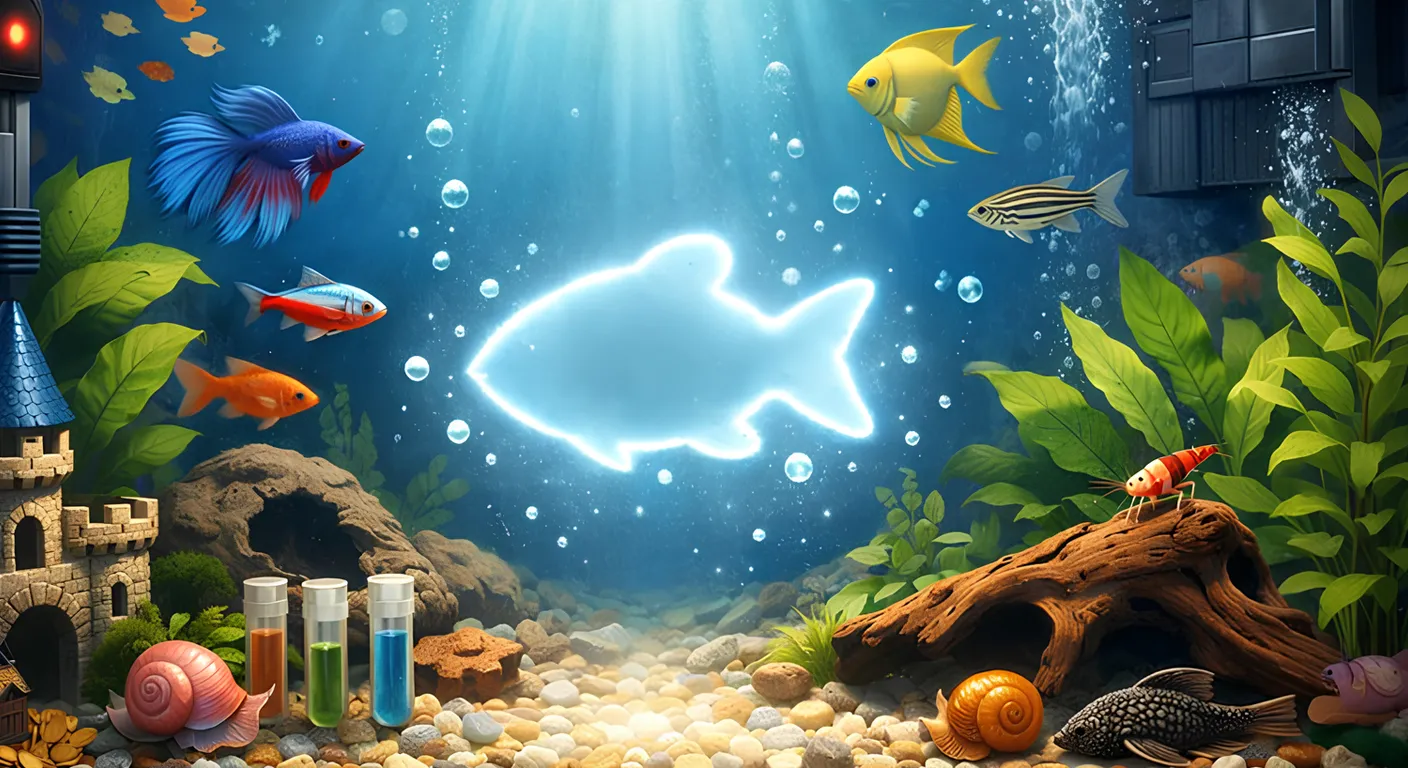
7 Proven Reasons Fish Disappear From Aquarium
Now that we’ve established the context. Let’s examine each specific reason your fish might vanish, along with the warning signs and prevention strategies for each scenario.
1. Fish Died and Eaten By Aggressive Tank Mates
Smaller fish can vanish completely overnight when larger, opportunistic feeders consume them, leaving behind no physical evidence of predation. Bigger fish often strike at nano-sized prey during nighttime hours when the lights are off, and smaller fish are defenseless. This makes it one of the most common yet hardest-to-witness causes of fish disappearance in both freshwater and marine setups. The predator may show no signs of aggression during the day, making it difficult to identify the culprit initially.
In freshwater tanks, common victims include neon tetras, guppy fry, cherry shrimp, small rasboras, and juvenile livebearers consistently. These can all be consumed by angelfish, larger cichlids, gouramis, or even adult bettas in community tank situations.
In saltwater tanks, chromis, firefish, gobies, and blennies frequently fall prey to larger dottybacks, lionfish, or groupers overnight. Surprisingly aggressive triggerfish can also eliminate smaller tank mates without the owner ever witnessing the actual predation event.
Clues to watch for
You might notice the suspected predator has a noticeably distended belly the morning after the disappearance occurs. You may observe increased aggression and chasing behavior in the days leading up to the event as well. Other tank mates may appear more nervous or skittish than usual, suggesting recent predatory activity has everyone on edge. Missing scales or torn fins on surviving fish can also indicate that aggressive encounters have been happening recently.
2. Fish Jumped Out of the Aquarium
Fish jump from aquariums for several reasons, including extreme stress from poor water quality or aggressive tank mate harassment. Sudden lighting changes that startle them or overexcitement during feeding time when they breach the surface are also common triggers.
This risk increases dramatically with open-top tanks that have no barrier whatsoever to prevent fish from leaving the water. Tanks with evaporation gaps between the lid and glass, where fish can slip through, are equally problematic for owners.
Feeding and maintenance sessions, when hobbyists temporarily remove covers, also create opportunities for fish to jump out unnoticed. Species particularly prone to jumping include hatchetfish, which are literally designed for aerial escapes in their natural Amazon habitat. Killifish, rainbow fish, danios, bettas, and most species of gobies in saltwater setups also jump frequently when conditions aren’t ideal.
Even fish not typically known as jumpers can launch themselves out if conditions become intolerable or stressful enough. No species is completely immune to this risk, so vigilance with lids is important for every aquarium setup.
Species most likely to jump
Always use tight-fitting lids with minimal gaps, and place mesh covers over any openings for equipment or feeding. Keep water levels at least two inches below the rim to reduce the chances of successful jumps significantly. Check evaporation levels regularly and maintain a consistent water height to prevent gaps from forming over time due to water loss.
3. Fish Is Hiding Exceptionally Well
Beginners commonly mistake well-hidden fish for missing or dead fish because they simply don’t know where to look carefully. Many only check the tank during daylight hours when nocturnal species are tucked away in their hiding spots.
Many fish are crepuscular or nocturnal, meaning they only emerge during dawn, dusk, or nighttime hours for feeding. They remain completely invisible to hobbyists who only observe their tanks during the workday or afternoon feeding times. This is particularly common with bottom-dwelling species and cave-dwelling fish that rarely venture into open water during bright periods.
Typical hiding locations include
Dense plant clusters like Java ferns, Amazon swords, or bushy stem plants, where fish can nestle completely out of sight. Behind filters, heaters, and other equipment, where shadows create perfect camouflage zones. Inside caves, driftwood hollows, and decorative ornaments provide secure shelters. Under substrate or buried in sand, which is natural behavior for species like kuhli loaches and certain wrasses.
How to confirm the fish is alive
Observe the tank during feeding time and watch for any movement or feeding response from hidden areas, as even shy fish typically emerge when food enters the water. You can temporarily and carefully rearrange some décor pieces to expose hiding spots, though do this gently to avoid causing stress to already nervous fish.
4. Fish Became Trapped in Filters or Other Accessories
Smaller fish, especially fry and nano species, face a genuine risk of being sucked into filter intake tubes with suction. They can also become trapped in various equipment compartments that they can enter but struggle to escape from successfully.
This happens most often with powerheads, HOB filter intakes, canister filter strainers, and even protein skimmer chambers in saltwater setups. Equipment that lacks adequate guards or pre-filters creates dangerous suction zones that can trap or kill small fish quickly.
What to check immediately
Inspect intake tubes for small fish pressed against the opening, unable to swim away from suction. Open filter chambers and look inside all compartments where fish could be trapped, including the media basket areas.
Examine sponge pre-filters to ensure they’re properly attached and functioning as a barrier against fish getting sucked in. Don’t forget to check behind and underneath equipment where frightened fish sometimes wedge themselves and become stuck tightly.
Solution: Install sponge pre-filters over all intake tubes, regardless of how small you think your fish are currently. Use lower flow rates for tanks with small fish, adjusting powerheads and filters to gentler settings as needed. Ensure all equipment has appropriate guards or screens to prevent accidental fish entry into dangerous areas completely.
5. Poor Water Quality Caused Sudden Death
Toxic water conditions can kill fish rapidly, with the bodies sometimes being consumed by tank mates before discovery. Bodies may also decompose so quickly in poor conditions that you never find physical remains in the aquarium. Spikes in ammonia levels burn fish gills and poison their bloodstream, causing death within hours in severe cases.
Nitrite poisoning prevents oxygen uptake even in well-oxygenated water, effectively suffocating fish despite bubbles and surface agitation. Rapid changes in pH or sudden temperature fluctuations shock fish systems beyond their ability to adapt or recover.
Beginner actions that commonly trigger these deadly scenarios include overfeeding, which creates excess waste that overwhelms the biological filter. Adding too many fish at once overwhelms the biological filter’s capacity to process waste, causing dangerous ammonia spikes overnight.
Performing massive water changes without temperature matching can shock fish, and forgetting to dechlorinate new water introduces toxic chlorine. Using untested tap water with unusual chemistry or failing to monitor parameters regularly also contributes to sudden death events.
Warning signs before disappearance:
Fish gasping at the surface indicates oxygen deprivation or gill damage from ammonia burns occurring. Clamped fins signal severe stress and discomfort, showing the fish is struggling with its environment and needs help.
Lethargic movements or erratic darting swimming patterns suggest the fish is struggling with compromised water quality, affecting its health. Loss of appetite and refusing food are also clear indicators that something is seriously wrong with the water conditions.
6. High Temperature Caused Rapid Decomposition
When water temperatures climb significantly above normal ranges, fish that die can decompose with shocking speed and thoroughness. Bodies sometimes become completely unrecognizable within 12 to 24 hours as bacteria work faster in warmer water conditions.
In extreme heat, the fish’s body essentially disintegrates, with pieces being consumed by scavengers like snails and shrimp quickly. Remaining fragments break down into particles small enough to be sucked into the filter, leaving no visible trace behind. This is why some hobbyists never find bodies in outdoor ponds during summer, despite knowing fish have died.
Why does this happen more in outdoor setups:
This phenomenon occurs more frequently in outdoor setups because direct sunlight can raise water temperatures dramatically within hours. Shallow tanks and ponds heat much faster than deeper indoor aquariums with stable ambient temperatures controlled by air conditioning.
Temperature spikes often go completely unnoticed during daytime hours when owners are at work or otherwise occupied elsewhere. By the time the owner checks the tank in the evening, the damage is done, and the evidence is gone.
Protection strategy
Use aquarium chillers or fans for outdoor setups, especially during summer months when temperatures soar above safe levels. Provide shade covers during peak sun hours to prevent direct sunlight from heating the water too rapidly. Monitor water temperature with reliable thermometers that alert you to dangerous fluctuations, or use smart controllers for automation. Maintain proper water depth to increase thermal mass. This helps stabilize temperatures against rapid fluctuations throughout the day.
7. Aggressive or Territorial Tank Mates Caused the Death. Some
Fish species are inherently aggressive or become increasingly territorial as they mature, attacking smaller or weaker tank mates. These attacks continue until those fish die from injuries or stress-induced illness that compromises their immune system completely.
Common culprits include Oscar cichlids, Jack Dempsey cichlids, larger angelfish, and some territorial dottybacks in reef tanks specifically. Surprisingly, even female bettas in community settings can become aggressive if the tank is too small for their territories.
Aggression escalation timeline
The process typically begins with persistent chasing and intimidation tactics as the aggressor establishes dominance over weaker fish. It escalates to finding nipping or cornering behavior that prevents the victim from accessing food during feeding times. The situation continues with progressive weakening and social isolation as the target fish hides constantly to avoid the aggressor.
It culminates in death while the fish is hiding from its tormentor, often in a remote corner. The process concludes with scavenging by tank mates that removes all physical evidence of the deceased fish overnight.
Common Fish and Their Disappearance Risks
| Fish Species | Primary Disappearance Risk | Example Scenario |
| Neon Tetras | Predation by larger tankmates | Eaten by adult angelfish or larger barbs during the night |
| Guppy Fry | Multiple risks, including predation and filter intake | Consumed by adult guppies or sucked into the filter |
| Betta Fish | Jumping out of open-top tanks | Leaps through the feeding hole when startled or excited |
| Corydoras | Hiding in dense plants or decorations | Burrows under driftwood and stays hidden for days |
| Hatchetfish | Jumping through any available gap | Escapes through the evaporation gap between the lid and the water |
| Kuhli Loaches | Exceptional hiding or filter entrapment | Burrows in substrate completely or enters the filter intake |
| Zebra Danios | Jumping when stressed or during spawning | Leaps out during water changes or aggressive chases |
How to Diagnose a Missing Fish Correctly
A systematic approach to investigating fish disappearances will help you identify the root cause and prevent future losses effectively. Following these steps in order ensures you don’t miss critical clues that could explain what happened to your fish. Taking your time with each step leads to more accurate conclusions and better preventive measures going forward.
Step 1: Check the Timeline
Determine exactly when you last saw the fish and what activities occurred around that specific time period. Consider water changes, new fish additions, feeding schedule changes, or equipment modifications that might have stressed the fish significantly.
Note whether any other fish seemed stressed or behaved differently during this period, as group stress often precedes problems. Record the timeline in a notebook to help identify patterns if disappearances happen again in the future.
Step 2: Evaluate the Fish’s Condition Before Disappearing
Recall whether the fish showed any warning signs like lethargy, loss of appetite, or unusual hiding behavior recently. Look for signs that it displayed labored breathing, visible injuries from aggression, or color fading that might indicate illness.
Determine if the fish was already compromised before vanishing, which helps narrow down whether death preceded disappearance. Ask yourself if the fish was eating normally and interacting with tank mates in typical ways before it went missing.
Step 3: Examine the Tank Environment
Test your water parameters immediately for ammonia, nitrite, nitrate, pH, and temperature to identify any dangerous conditions present. Observe tank mate behavior to spot increased aggression or stress that might explain the disappearance you’re investigating thoroughly.
Check if any equipment has malfunctioned, like heaters stuck on or filters that stopped running during the night. Look for any changes in water clarity, odor, or surface film that might indicate water quality deterioration.
Step 4: Check the “Invisible Zones”
Search thoroughly around the aquarium’s exterior floor for jumpers, checking behind furniture and under nearby objects carefully. Inspect all filter compartments and equipment, opening them completely to look inside every chamber and media basket.
Use a flashlight to peer into every decoration cavity and behind all equipment where fish could be hiding. If you have substrate-dwelling species, gently disturb the gravel or sand in hiding-prone areas to confirm presence. Don’t assume the fish is gone until you’ve checked every possible hiding spot and equipment compartment completely.
Conclusion
Understanding why fish disappear from aquariums is crucial for maintaining a healthy, thriving aquatic environment. By using the checklists and diagnostic tables provided, you can quickly identify the most likely cause and take targeted action to prevent future losses.
Consistent maintenance and proper tank management solve approximately 90 percent of mysterious disappearance cases. Make it a habit to test water parameters weekly, secure all lids properly, and monitor fish interactions daily.
Keep a simple logbook documenting water tests, fish additions, and unusual events to identify patterns over time. Stay proactive and attentive to keep your fish safe and visible.
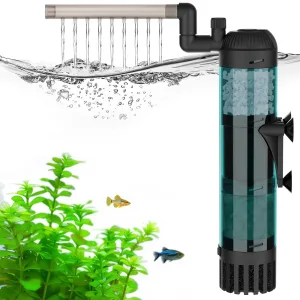
AQQA Internal Aquarium Filter with Sponge & Activated...
Original price was: $17.09.$16.02Current price is: $16.02.




Add comment
You must be logged in to post a comment.