

Many beginners assume adding fish to a new tank is simple, but the truth is different. Your fish face serious risks when this step is rushed, including stress, disease transfer, and sudden ammonia spikes.
These issues often happen because new fish enter an unstable environment that has not fully matured. You also need to manage the quantity and types of fish you add because both directly influence the tank’s biological balance. Adding too many fish or adding the wrong ones can disrupt your cycle and harm your setup.
This guide explains how you can add new fish safely without causing problems in your tank. You will learn how to prepare your aquarium, choose the right number and types of fish, and acclimate them with minimal stress. It also covers aftercare, common mistakes, and important troubleshooting steps.
Make Sure Your Tank Is Ready
Your tank must be stable before you introduce new fish. When your setup is fully prepared, your fish experience less stress and adapt more smoothly.
Confirm Your Tank Is Cycled
The nitrogen cycle is the biological engine of every aquarium. Waste from fish and leftover food creates ammonia, which is extremely toxic. Beneficial bacteria convert ammonia into nitrite, which is also harmful. Another group of bacteria then changes nitrite into nitrate, which is less dangerous and manageable through water changes.
Your tank is considered cycled when ammonia and nitrite remain at zero for at least seven consecutive days. This confirms your bacteria colony is strong enough to handle waste from new fish. A completed cycle reduces the chance of ammonia burn, rapid breathing, and sudden fish deaths.
Adding fish to an uncycled tank is one of the most dangerous mistakes a beginner can make. Even a tiny amount of ammonia can cause serious gill damage. Fish become weak, stop eating, and struggle to breathe. This often results in unexplained deaths during the first week. Testing your water with a reliable kit helps you avoid these preventable problems.
Check Equipment and Water Parameters
Before bringing home new fish, check that your equipment is working properly. Your filter must run smoothly because it holds most of your beneficial bacteria. Your heater should maintain a stable temperature without large fluctuations. A thermometer helps you verify accuracy because heaters can fail quietly.
Most community fish remain comfortable between 24°C and 27°C, while species like bettas, rams, and cardinals prefer the warmer side. You should also check ammonia, nitrite, nitrate, and pH. Stability is more important than having a perfect number. Many fish tolerate different pH levels, but they react poorly to sudden shifts.
Equipment and water checks ensure your fish enter a predictable and comfortable environment. This reduces shock and encourages healthy behavior from the start.
Plan Your Stocking List in Advance
Smart planning helps you avoid overcrowding, aggression, and poor long-term growth. You should research each species before buying them because many fish sold as small juveniles grow much larger than expected.
Look for information about compatibility, adult size, and temperament. Some species are peaceful, while others may chase, nip, or dominate tank mates. Research helps you prevent aggression issues that become difficult to fix later. If you’d like to build a community tank, it’s important to check which fish can live toghether in case chaos.
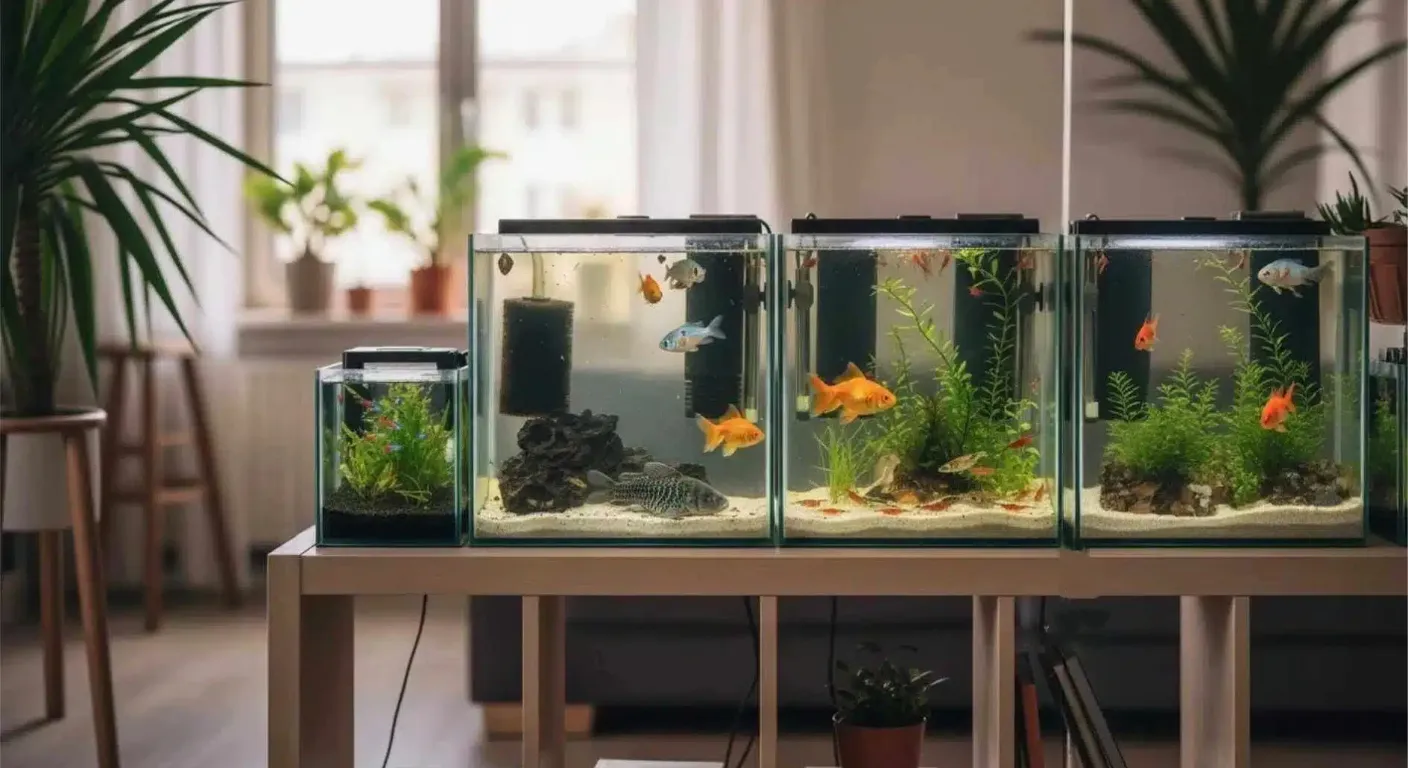
Decide on your full stocking plan early so you know exactly how many fish your tank can handle. Avoid impulse purchases because they often lead to overstocking or mismatches. Nano tanks require special care since even one extra fish can overload the system.
Special Considerations for Different Species
Different types of fish have different needs, and understanding these helps you make better stocking decisions.
1. Schooling fish
Species like tetras, rasboras, danios, and barbs must be kept in groups. Their social behavior reduces stress and keeps them active. However, a group counts as multiple bioload units, so plan enough space for the full school.
2. Messy or large species
Goldfish, cichlids, and plecos produce heavy waste and require strong filtration. These fish can quickly overwhelm a new or small tank. They are better suited for larger setups with powerful filters.
3. Sensitive species
Shrimp, certain rasboras, otocinclus, and some gouramis prefer mature tanks with stable parameters and abundant micro-life. Introducing them too soon exposes them to unstable chemistry, leading to poor health.
Step-by-Step: Acclimating New Fish
Acclimation helps new fish adjust to temperature and water chemistry differences. This process reduces stress and protects your fish from shock.
1. Prepare Before Opening the Bag
Turn off or dim the tank lights because bright lighting increases stress for new arrivals. Keep a net, towel, and small container or bucket ready so you can work smoothly. Avoid loud noises or sudden disturbances around your tank.
2. Temperature Acclimation
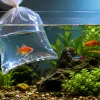
Float the sealed bag on the water surface for 15 to 20 minutes. This equalizes temperature gradually and prevents sudden changes that can shock your fish. This step is especially important if the transport water is noticeably warmer or cooler.
3. Water Acclimation Methods
a. Cup (or Scoop) Method
Add small amounts of tank water into the bag or container every three to five minutes. Continue this process for about 20 to 30 minutes until the water volume doubles. This slow mixing helps your fish adjust to new chemistry without stress.
b. Drip Acclimation
Drip acclimation works well for sensitive species. Place the fish in a container, attach airline tubing from the tank, and tie a loose knot or use a valve. Set a slow drip of one to two drops per second and run it for 30 to 60 minutes. This creates a very gentle adjustment process.
4. Transferring Fish to the Tank
Never pour store water into your aquarium because it may contain parasites or contaminants. Use a net to gently lift your fish from the bag or container. If using a container, you may slowly pour your fish through a net and transfer them safely.
Release the fish gently into the tank and replace the lid to prevent jumping. Give them a few moments to settle before leaving the room.
3.7 Gal Aquarium Kit: Filter, 10-Color Light, Self-Cleaning,...
Original price was: $81.99.$77.39Current price is: $77.39.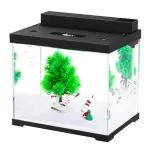





Add comment
You must be logged in to post a comment.