

One of the biggest questions that may strike anyone when first establishing his or her fish tank would be, how much water should I fill in? This question may look like it is a very easy task, yet it puzzles so many beginners. You might think that it is the right way to fill the tank to the top, but it is not always like that.
That is not just a visual object in your aquarium: the water level. It is important for the health of your fish and the general ecosystem within your tank. The level of water has a direct effect on the amount of oxygen provided, filter efficiency, temperature of the water, and even on the safety of your tank.
When the water level is too high, there is the risk of overfilling your filter or even water in the glass. In case it is too low, then your fish can lack oxygen, and the filtration system will not work too well. Therefore, it is important that you strike that balance that would help your aquarium to achieve long-term success.
You will also get to know all that about maintaining the right level of water in your tank – what influences the levels, how to fix the irregular ones, and how to sustain them. At the end, you would be able to keep the ideal level that keeps your aquarium clean, safe, and beautiful.
Why Water Level Matters
It is not only a question of the appearance of the water in your fish tank. It is an effective component of the life support system of an aquarium. A neutral position will ensure that your gears are operating well and your fish is at ease, too.
Here’s why the water level in your fish tank matters so much:
1. Filtration Efficiency
A majority of the aquarium filters can be operated within a given range of water. In some instances, the intake of the filter may assume a lot of air, resulting in reduced effectiveness of the filtration process as well as off-putting noise when the water level is too low. When it becomes too high, the filter will overflow, a nd spillage and damage water around the tank will be experienced. Maintaining the right level proves to be in order to maintain water flow at a certain rate throughout the filter media, and this contributes to the deposition of waste and rubble.
2. Oxygen Exchange
Oxygen flows at the surface of the water to the tank, and carbon dioxide is emitted. This is important in the breathing of fish. When the tank is filled up excessively, the agitation of the surface of the tank by the filter or air stones will be less, and this will lead to low oxygen levels. Conversely, when it goes too low, the rate of the filter can be too strong and strain your fish.
3. Temperature Stability
The right amount of water will ensure that there is a constant temperature in the tank. As the level falls, there is a risk that sections of your heater will be exposed. Therefore, it results in uneven heating. This is capable of stressing fish, particularly those species that are sensitive to temperature, such as bettas, guppies, or tetras.
4. Aesthetics and Sound Control
The right level will make your tank look clean with an overall finished look as well. An excess of water will cause splashing and a lot of loud trickling, whereas a lack of water will render your setup to be half-complete.

The Ideal Fish Tank Water Level
The overall aquarium guideline is straightforward, but highly efficient. The amount of water in the tank must always be kept nearly 1 inch (2-3 cm) below the top rim of the tank.
You’d better look, that inch counts a lot. It provides sufficient area for your fish to move freely, provides a smoother operating filter system, and also avoids unnecessary splashing.
Here’s why this distance is ideal:
Prevents Splashing or Overflowing: During feeding, cleaning, or when fish are active, water near the rim usually splashes out. The additional inch serves as a buffer that helps to avoid the unclean spills or overflow of filters.
Allows Space for Gas Exchange: The entrance of oxygen into your aquarium is by surface movement. With the margin between water and lid that you leave, you enhance air movement and exchange of gases. This will aid in easy breathing for your fish and in maintaining healthy water, too.
Keeps Filters and Skimmers Working Properly: You have the maximum efficiency with filters, skimmers, and air pumps when water is at a correct height. A proper level makes water flow evenly, which gives even circulation and avoids airlocks.
Key Factors That Influence Water Level
It is possible to experience the effect of changing your water in a tank even when you make it perfect today, but after a few days, you may notice it. There is nothing to be fooled about. The levels of water may change naturally due to a variety of reasons.
Here are the most common factors that cause water level changes:
Evaporation
This happens to be the most significant cause of water level drops. In aquariums or tanks of high temperatures, which are open at the top, water is lost to the atmosphere. You will find a white line on the glass quite often, where the water was. While evaporation is normal, topping off your tank regularly helps keep things stable.
Filter or Skimmer Placement
Certain filters, particularly hang-on-back types, partly change the water height. When your filter sprays excessive amounts of water, then this may be a result of higher rates at which it evaporates or loss of water. Likewise, in salty tanks, protein skimmers can reduce the level of water when they are used to extract waste.
Lid or Cover Type
Lid tanks do not lose as much water as open tanks. The humidity is contained, and the evaporation is minimized by glass or acrylic covers. They, however, also block oxygen uptake when improperly ventilated; therefore, ensure that air has some space to move.
Tank Type (Saltwater vs. Freshwater)
Salty tanks need tight control of water effectiveness owing to saltiness. After water evaporates, the salt is left, becoming more concentrated. Freshwater tanks are less demanding, yet they should have frequent water checks.
Ambient Conditions
This is also dependent on the temperature and humidity of your room and the speed of water evaporation. Quick evaporation will be caused in warm rooms having fans or air conditioners.

What Should I Do When the Water Level Is Uneven
When the water level of your tank is elevated high on one side and down on the other side, then you are handling an unbalanced water level. This may be serious than it may appear since it puts an additional strain on aquarium glass and joints.
Common reasons for uneven water levels include:
An uneven stand or floor, which makes your tank tilt slightly.
Uneven substrate or heavy decor that pushes water toward one side.
Strong filter flow, which may create constant turbulence or surface tilt.
Over time, this imbalance can cause:
Strain on glass seams, increasing the risk of cracks or leaks.
Uneven water pressure can damage the tank structure.
Broken skimmers or filters, as they rely on balanced water flow.
Here’s how you can fix uneven water levels:
Place a leveling pad or foam mat under your tank or stand for stability.
Rearrange your substrate and decorations evenly so they don’t displace water.
Reduce water flow from your filter or redirect it to balance circulation.
Use a carpenter’s level to check that your stand and floor are perfectly flat.
Once balanced, refill your tank and monitor it for a few days to ensure the issue is resolved. Proper leveling prevents long-term structural damage and keeps your aquarium running smoothly.
How to Check and Maintain the Correct Level
Being mindful of keeping your water level is another habit you need to make with keeping an aquarium. It is very easy and does not require much time, and it is beneficial to your tank in a big way.
Here’s how to do it effectively:
Mark Your Ideal Level: Use a discreet marker or sticker on the tank’s side to note the correct height (about one inch below the rim). This gives you a visual guide for refilling.
Check the Level Daily: A daily check of your mark will inform you whether there has been evaporation to lower the level. This proves useful, especially with tanks that have heaters or open tops.
Recheck After Water Changes: After performing partial water changes, refill carefully. Stop once the water reaches your marked level. This prevents overfilling and reduces stress on your fish.
Top off with Dechlorinated Water: When the water evaporates, it is pure water that remains behind because it keeps the minerals. To maintain the balance of the water chemistry, always top off with dechlorinated or conditioned water.
Inspect Equipment: At times, water may be displaced by filters or air pumps. Ensure that all the equipment is placed in the right place and is not causing unevenness.
Additional Tips for Maintaining Water Level
The following are some of the additional tips that would help you in making sure that taking care of your aquarium is even easier:
Use an Auto Top-Off System (ATO): With a bigger tank, an ATO device will automatically fill up water when it evaporates. It is an excellent means of maintaining equilibrium levels without the need to watch them all the time.
Monitor Humidity in the Room: Evaporation is increased through high airflow or dry air. They include placing your tank somewhere in a warm place with no ventilation or direct light.
Check Water Quality While Refilling: Ammonia, nitrite, and nitrate- Check the tank water levels with each top off. RA’s regular water level promotes increased biological balance.
Use a Floating Thermometer: Other thermometers are water-level indicators with which you can check the temperature and the level of water, both at the same time.
Conclusion
In conclusion, you are supposed to have an approximate depth of 1 inch (2-3 cm) of water in your fish tank at a level that is set at a minimum of 1 inch lower than the top rim of the aquarium. This area assists in oxygen exchange, splashing, and maintaining a functional filter as well as a skimmer.
Maintenance of water level might appear to be trivial, but it will directly affect the comfort of your fish, the longevity of your equipment, and your aquarium. When you develop it into part of your daily routine of care, you will find your tank to remain clean, quiet, and more balanced.
Keep in mind: the right water level does not only imply that the tank is full. It refers to a healthy home to bring up your fish.
And even if you are a novice fish-keeper, you need not be afraid to pose questions or visit aquarium forums to find answers. The better you can learn, the more you are capable of keeping a perfect environment in the water.
FAQ
1. Why is my fish tank water level dropping?
Its most prevalent cause is evaporation, mostly in open or heated tanks. You may equally lose water during cleaning or through small splashes of the filters. In case of an unusually rapid drop, look at the leaks or examine your connection to the filters.
2. Generally, how much water level difference is acceptable in a fish tank?
A margin between 1-2 cm is justifiable. Any further may imply uneven flooring or the wrong flow of the filter. Try adjusting your stand or rechecking the tank level with a carpenter’s tool.
3. How to lower hard water levels in a fish tank?
If your aquarium has hard water, you can reduce it by:
Mixing reverse osmosis (RO) water with tap water.
Using aquarium-safe water softeners.
Avoiding limestone or coral decorations.
Performing frequent partial water changes to balance minerals.
Regular testing ensures your fish get the best water conditions.
4. Should I refill the tank with tap water after evaporation?
Yes, but only after treating it with a water conditioner to remove chlorine and chloramine. These chemicals can harm fish and beneficial bacteria.
5. Does a higher water level affect jumping fish?
Yes, even some of the species, such as bettas or hatchetfish, are inclined to jump. A lower water level and a safe lid are precautionary measures to avoid accidents.
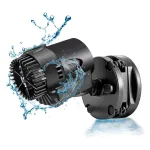
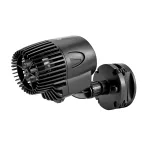
15W Wave Maker Pump (2100GPH) with 360 Degree...
Original price was: $18.69.$17.59Current price is: $17.59.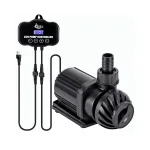
800-3200GPH Multifunction Controllable Water Pump for Salt/Freshwater
Original price was: $109.99.$104.49Current price is: $104.49.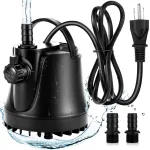
Ultra-quiet 265-800GPH Submersible Water Pump with High Lift,...
Original price was: $18.99.$16.14Current price is: $16.14.













Add comment
You must be logged in to post a comment.