

So when you first get into fishkeeping, water flow probably isn’t even on your radar. You’re thinking about colors, plants, maybe that cool castle decoration. Water circulation? That sounds like something advanced aquarists worry about, right? Yeah, I thought the same thing. My tank looked pretty clean. Then I started noticing weird stuff. Food just sitting in the corners. Little bits of debris piling up behind the heater. And my fish? They were basically camping out on one side of the tank all day. Something felt off.
Turns out, my circulation was garbage. The filter I bought looked decent on the box, but it wasn’t doing nearly enough. The water was just kind of… sitting there. Here’s what poor water flow actually looks like: you’ll see leftover food or fish waste stuck in dead zones. The water might look cloudy or stale in certain spots. This isn’t just about keeping things pretty. Bad circulation means bad oxygenation which makes fish staying at the surface.
Eager to know more? Then keep exploring because this article will cover everything. What aquarium water flow actually is, why it matters more than you think, and simple four steps to fix it.
What Is Aquarium Water Flow
Aquarium water flow is basically how water moves around your tank. Your filter, pumps, and any circulation devices you’ve added create that movement. When the flow is working right, water gets pulled from every corner toward the filter intake, then pushed back out through the outlet. That constant movement carries oxygen through the water. It spreads nutrients and heat both evenly and this keeps waste from piling up in dead zones.
The relationship between water flow and filtration
Water flow and filtration are connected. Your filter creates the flow, but it’s also doing the actual cleaning work. The flow pushes water through your mechanical, chemical, and biological media so they can trap debris and break down waste. Good circulation also helps with oxygen exchange at the surface.
It distributes dissolved oxygen and CO₂ for your plants and gives beneficial bacteria access to the dissolved waste they need to process. But when flow is weak? Your filter can’t work efficiently. Pollutants build up in spots. And your fish get stressed because some areas feel stagnant, while others might have too much current.

Benefits of Proper Water Flow
Good circulation isn’t just nice to have. It does so much that most new fish keepers don’t realize. If you’re also a beginner, here are some benefits for you to know:
Health of fish and plants: Proper flow keeps oxygen levels and temperature even throughout the tank.
Filtration efficiency: When more water moves through your mechanical and biological media, more waste gets removed, and nitrates don’t pile up as fast.
Stable environment: Flow stops temperature or gas differences from forming in different zones. It also spreads out any additives, conditioners, or fertilizers you add so they reach everywhere.
Natural behavior: A lot of species actually swim, feed, and breed more naturally when they feel something natural as they would in the wild.
How to Improve Water Flow
Improving water flow isn’t complicated at all when you doing it the right way. Follow our steps below to ensure you don’t mess up.
Step 1: Evaluate Current Filtration System
Don’t buy anything before you know what’s wrong.
Identify your filter type: Sponge, internal, HOB, canister, or sump? Each one moves water differently.
Check the rated flow rate: Find your filter’s GPH rating. You want 5–10 times your tank volume per hour. A 20-gallon tank needs 100–200 GPH. Lower for delicate fish, higher for heavy stock.
Inspect for clogs: Clogged media or a gunked-up impeller kills your flow. The box rating means nothing if it’s dirty.
Watch the outlet: Where are the dead zones? Where does debris pile up? Is the surface moving enough?
Quick test: time how long your outlet takes to fill a 1-liter container. That tells you your actual flow. Way less than the rating? Time to clean.
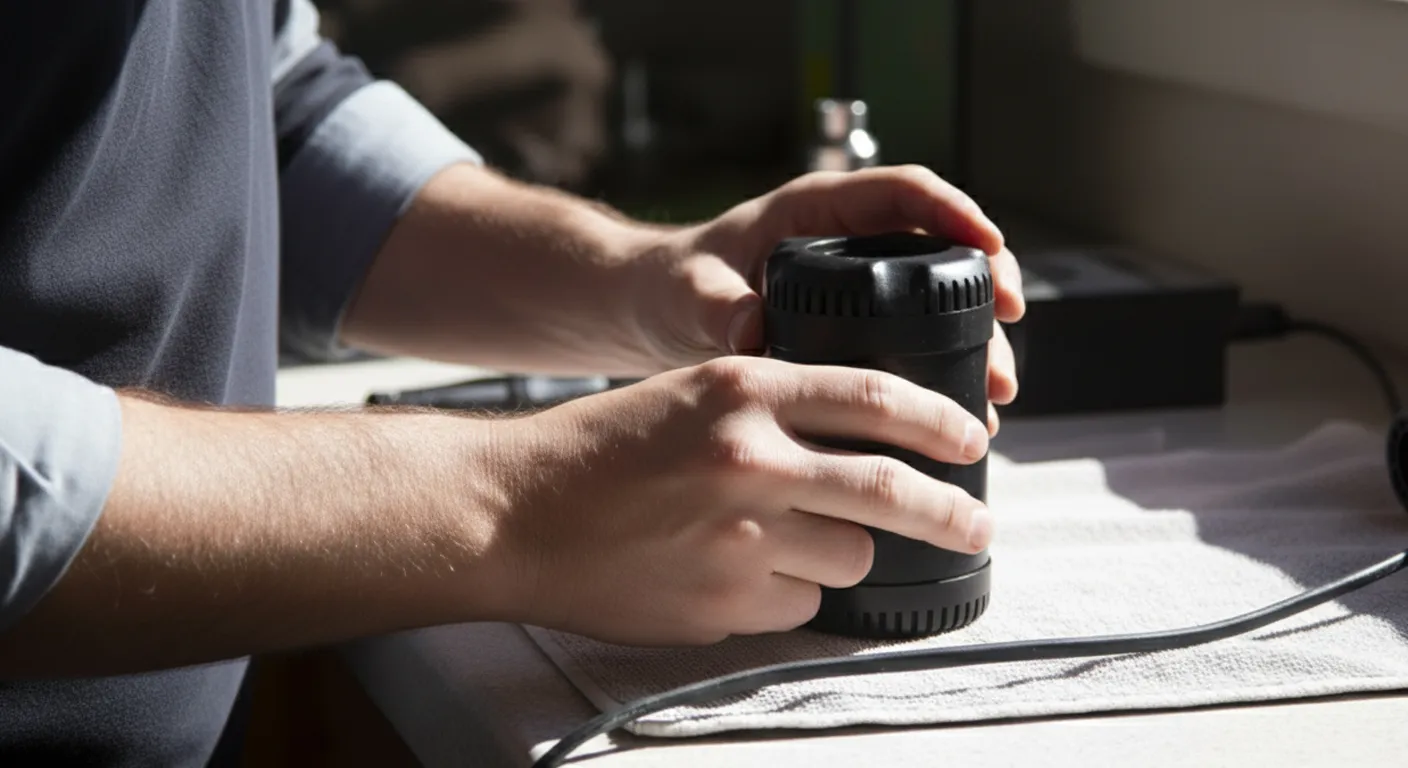
Step 2: Clean and Maintain the Existing Filter
This is the most easiest fix you’ll ever find:
Rinse clogged media: Use tank water, not tap. Gently rinse your sponges and media so you don’t kill the good bacteria. Only replace when it’s falling apart.
Clean impellers and housings: Pull out debris, calcium buildup, or slime from the impeller and shaft. Even tiny bits cause wobble and cut your flow.
Clear tubing and intake screens: Algae and biofilm clog hoses and intakes. Disassemble and scrub if you need to.
Don’t overpack media trays: Too much media is bad so stick to what the manufacturer recommends.
Reassemble carefully: Make sure the impeller and seals sit right. Misalignment is very bad for the flow.
Step 3: Upgrade the Filtration System
If cleaning didn’t fix it, it’s time to upgrade. But pick smart.
Match flow to your tank and bioload: Get a filter that delivers 5–10× your tank volume per hour after head pressure and media resistance.
Canister filters — strong flow, lots of media space. Great for bigger tanks and planted setups.
Sumps + return pumps — best for large tanks and max flow control. Perfect for reef or heavy planted tanks.
Powerheads / wavemakers — add extra circulation in specific spots. Good for creating flow patterns.
Upgraded HOB or internal filters — easy swaps for small to medium tanks.
Consider your species: Bettas and some tetras hate strong currents. Get adjustable flow or use deflectors.
Check noise, energy use, and head height: Powerful pumps can be louder. Vertical lift (head pressure) cuts actual flow, so check the manufacturer’s head curves.
Make sure it fits: Hoses, fittings, and pump sizes need to match. Grab adapters if needed.
Extra option: add a circulation pump or powerhead for side-to-side flow, or a spray bar to spread the outflow evenly.
Step 4: Optimize the Tank Layout
New gear won’t help if your layout blocks the water.
Rearrange plants and decorations: Move tall plants and big ornaments away from intake and outlet paths. They create dead zones.
Create open flow corridors: Leave clear lanes for water to move from intake to outlet. Go for a circular or diagonal path across the tank.
Use deflectors and spraybars: A spraybar spreads flow across a wider area and cuts down concentrated current that stresses fish.
Position intakes wisely: Place intakes at different depths if you can. Pull water from both the surface and lower layers.
Balance planted areas: Dense planting on one side traps debris. Balance it with open zones or add a small circulation pump.
Give it 24–48 hours after you change things. Watch for less debris in corners and more even plant movement.
Common Mistakes to Avoid
Don’t mess up when you’re trying to boost flow. Here’s what to watch out for.
Oversizing filters for delicate fish: Too much turnover stresses slow swimmers like bettas. Use flow diffusers or turn down the settings.
Ignoring routine cleaning: Even the best filter dies if the impeller and media get clogged. Check it monthly and clean when needed.
Relying on one-directional flow only: Flow from just one spot creates dead zones. Add extra circulation or reposition outlets for multi-directional flow.
Letting water level drop: Low water makes HOBs splash and kills outlet efficiency. Keep the level steady.
Forgetting head pressure: A pump rated for 500 GPH at zero head gives you way less once you add tubing and height. Check the head curves before you buy.
Conclusion
Upgrading your filtration for better water flow is one of the biggest improvements you can make. We’re talking more oxygen getting into the water, nutrients spreading out where they need to go, and no more waste building up in those dead corners. When you evaluate what you’ve got, clean things properly, upgrade the right way, and set up your layout so water can move, you get solid circulation.
Buying the most powerful pump at the store may feel good, but it’s not always the right option. You need to match the flow rate to these things:
Your tank size
How many fish you have
What kind of species you’re keeping
After this, you make changes slowly and watch how your fish react to it. Then adjust your equipment or move things around until you find what works.
Keep checking on your gear. Clean it when it needs it. Upgrade when it makes sense. Do that and you’ll see better water quality, your fish will be healthier, and the whole tank stays more stable over time. It’s not complicated, just takes paying attention.
FAQ
1. Does increasing water flow mean I need to change the filter more often?
Not really. More flow means more water passing through the media, so it might trap debris faster. But you’re rinsing media, not replacing it. You’ll still clean on your usual schedule — maybe slightly more often if your tank’s heavily stocked. Just rinse with tank water to keep the good bacteria alive.
2. I have a 5 gallon fish tank, how should I upgrade it to increase water flow?
Small tanks are tricky. You don’t want too much current. Try a sponge filter with an adjustable air pump, or a small HOB with a flow control knob. You can also add a pre-filter sponge to the intake to slow things down. Aim for 25–50 GPH total. If you’ve got a betta, keep it gentle.
3. Will increasing the water flow disrupt the balance in the fish tank?
It can, but only if you crank it up too fast. Add flow gradually and watch your fish. If they’re struggling to swim or hiding constantly, dial it back. Flow helps balance by spreading oxygen and breaking down waste faster. Just don’t shock the system with a sudden massive change.
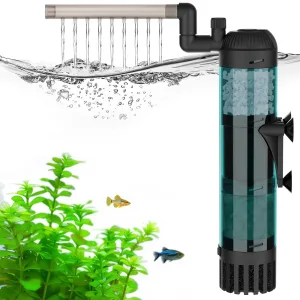
Aquarium Electric Sponge Filter (3W/5W) with Double Filtration...
Original price was: $21.59.$20.39Current price is: $20.39.
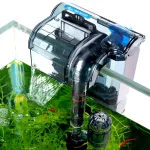
Aquariums Power Filter, 74GPH, for 5-10 Gal Tanks
Original price was: $25.99.$20.79Current price is: $20.79.



Add comment
You must be logged in to post a comment.