
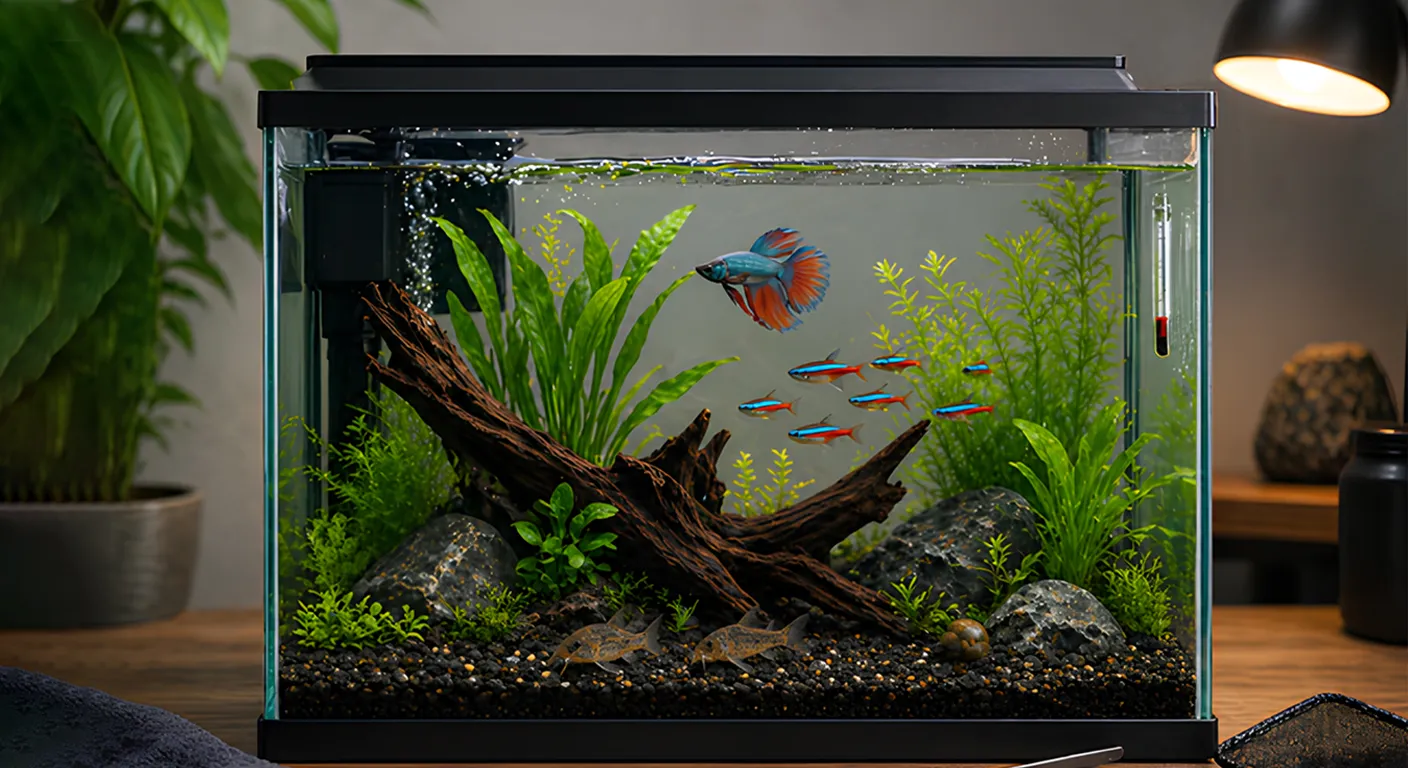
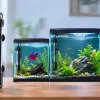
A 10-gallon aquarium looks simple on the surface, but it demands more attention than most beginners expect. The label says 10 gallons, yet the actual usable water sits closer to 8 or 9 gallons once substrate, decor, and equipment take up space. That smaller volume means water conditions can shift fast, and mistakes show up quickly.
Small tanks are not as forgiving as they seem. Just as fish can suffocate within minutes outside water due to gill collapse, a poorly managed tank can deteriorate just as fast. Fish can survive without food for several days by burning stored energy, but bad water quality offers no such buffer. Stability in a small volume depends on precision, not luck.
This guide covers everything about a 10-gallon aquarium, including true water capacity, essential equipment, and cycling fundamentals. Read till the end to know about stocking strategies, aquascaping principles, and maintenance routines.
What Does a 10-Gallon Tank Mean
Usually, a 10-Gallon Tank means that such a tank can hold nearly 10 gallons of water. However, just the label says 10 gallons, but the actual usable water is usually around 8 to 9 gallons. Substrate, decorations, and equipment all displace water once placed inside the tank. That difference matters when calculating stocking limits, dosing treatments, and maintaining water stability.
Why Do People Choose This Size
A 10-gallon tank is a popular starting point for good reasons. It fits comfortably on a desk or small stand, costs less than larger setups, and gives beginners a manageable entry point without overwhelming complexity.
Tank Size and Capacity
Real dimensions vary slightly by brand, but most standard 10-gallon tanks share similar measurements. The table below breaks down what to expect.
| Measurement | Standard Value |
| Length | 20 inches |
| Width | 10 inches |
| Height | 12 inches |
| Labeled Volume | 10 gallons |
| Actual Usable Water | 8 to 9 gallons |
| Weight (full) | Approximately 111 lbs |
Actual Usable Water in a 10-Gallon Aquarium
The tank never holds its full labeled volume during actual use. Substrate, rocks, driftwood, and filter equipment all displace water, leaving you with roughly 8 to 9 gallons of actual swimming and buffering space.
Why That Matters
That reduced volume has real consequences for day-to-day management. Explore these points to know why understanding this water capacity matters:
Water stability drops faster because there is less water to absorb changes in temperature, waste, or pH.
Dosing accuracy becomes more important since medications and conditioners are calculated by water volume.
Stocking limits tighten because fewer gallons support fewer fish safely.
Equipment Needed for a 10-Gallon Aquarium
Setting up a 10-gallon tank correctly from the start prevents most common problems. Every piece of equipment below serves a specific function that affects water quality or fish health.
| Equipment | Typical Role | Notes |
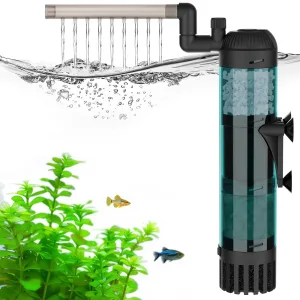
| Filter | Removes waste and grows beneficial bacteria | Hang-on-back filters work well for this size |
| Heater | Maintains stable water temperature | A 50-watt heater suits most 10-gallon setups |
| Thermometer | Monitors water temperature | Digital models give more accurate readings |
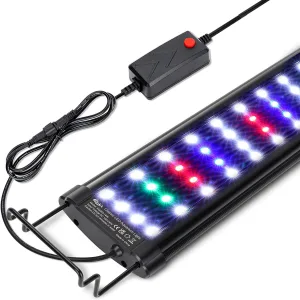
| Light | Supports plant growth and viewing | 6 to 8 hours daily is standard |
| Substrate | Provides a surface for bacteria and plant roots | Fine gravel or sand works for most setups |
| Water conditioner | Neutralizes chlorine and chloramines | Use at every water change |
| Test kit | Measures ammonia, nitrite, nitrate, and pH | Liquid kits are more accurate than strips |
| Net | Safely moves fish during maintenance | Keep at least one on hand at all times |
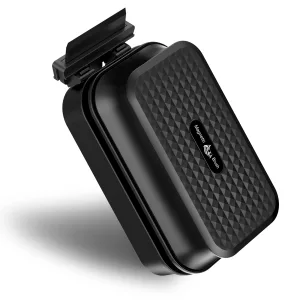
| Algae scraper or magnet | Cleans glass without scratching | Magnetic cleaners work without getting your hands wet |
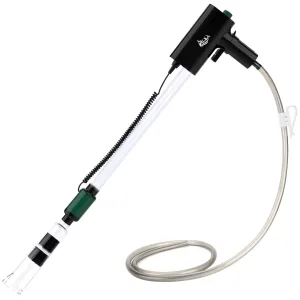
| Gravel vacuum | Removes debris from the substrate | Use weekly during water changes |
Cycling the Aquarium
A tank must complete the nitrogen cycle before any fish are added. This process builds a colony of beneficial bacteria that processes fish waste into less harmful compounds. Skipping this step is one of the most common reasons fish die within the first few weeks.
What Cycling Does
Beneficial bacteria grow on filter media, substrate, and tank surfaces. They process waste in the following key steps:
Nitrosomonas bacteria convert toxic ammonia into nitrite, which is still harmful but less immediately deadly.
Nitrospira bacteria then convert nitrite into nitrate, which fish tolerate at low levels.
Regular water changes keep nitrate from building up to dangerous concentrations.
A cycled tank shows zero ammonia and zero nitrite on a test kit before it is safe for fish.
The process takes roughly four to six weeks when done with fish food or pure ammonia as a starter source.
Why Beginners Should Not Skip It
An uncycled tank has no bacterial colony to process waste. Ammonia spikes within days of adding fish, burning gills, and damaging organs. Nitrite follows shortly after, causing oxygen deprivation at the cellular level. Fish in an uncycled tank often look stressed or stop eating before they die.
Stocking Plan for the Tank
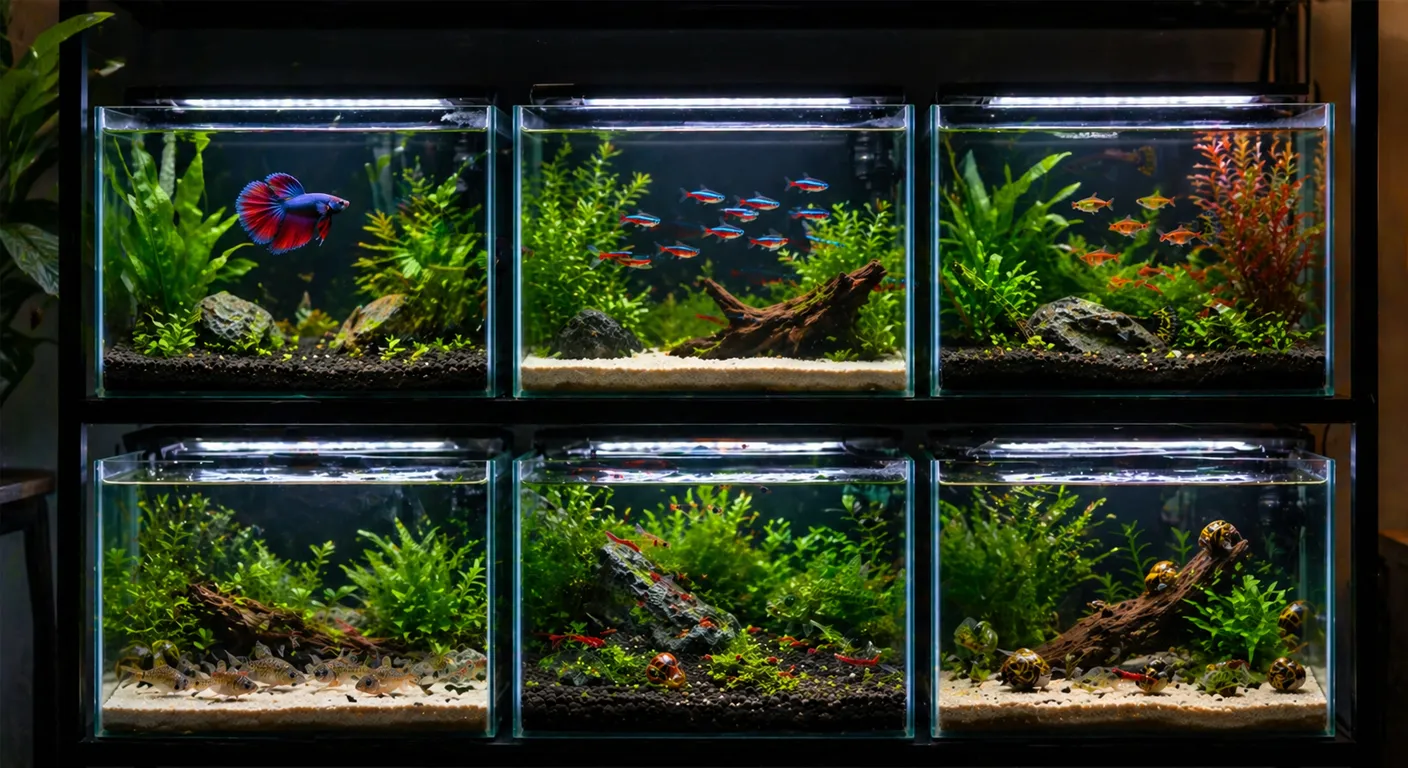
A 10-gallon tank supports a limited number of animals, and choosing the right ones makes the difference between a stable setup and a constant crisis. The goal is a light, compatible community that fits within the real water volume.
Good Animal Choices
The following animals and fish work best for a 10-gallon aquarium:
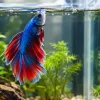
Betta fish: One betta works well alone or with peaceful tankmates like snails. Males cannot share a tank with other bettas.
Neon Tetras: A small school of six fits a 10-gallon tank and stays active without producing excessive waste.
Ember Tetras: Smaller than neons, these fish do well in groups and stay near mid-water.
Corydoras: Bottom dwellers that clean leftover food and work well in small groups.
Cherry Shrimp: Low bioload, easy to keep, and useful for eating algae and debris.
Nerite Snails: Algae eaters that stay small and do not reproduce in freshwater.
Endlers: Colorful, small, and active without overwhelming the tank’s capacity.
To provide a more helpful reference, here is a calculator that can determine whether you are overstocking:
10-Gallon Stocking Assistant
Add your favorite species from the guide to check your community limit.
Fish to Avoid
Owners should avoid putting these fish into their 10-gallon tank:
Goldfish: Produce high waste and grow large quickly, making a 10-gallon tank unsuitable.
Angel Fish: Grow too tall for the tank height and need significantly more water volume.
Oscars: Large, aggressive, and produce heavy waste that overwhelms small filtration systems.
Tiger Barbs: Active and nippy, they need more space to spread out peacefully.
Common Plecos: Grow over a foot long and cannot live long-term in a 10-gallon tank.
Professional Stocking Advice
Keep the total fish count on the low end. A lightly stocked 10-gallon tank stays stable far longer than an overstocked one. Less waste means less stress on the filter, fewer water quality swings, and healthier fish overall.
Aquascaping and Plants
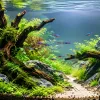
A well-planned layout makes the tank look attractive while also supporting water quality. Both live plants and hardscape elements play a role in creating a balanced space.
Live plants absorb ammonia and nitrate directly from the water, which reduces the chemical load on the filter. They also give fish hiding spots, reduce stress, and make the tank look far more natural than plastic alternatives.
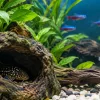
Hardscape and layout require a balance between visual interest and open swimming space. Rocks and driftwood create structure and hiding places, but leaving open midwater areas allows fish to move freely without feeling crowded or threatened.
Maintenance and Care
Consistent weekly care keeps a 10-gallon tank from becoming unstable. Small tanks require more frequent attention than larger ones because problems build faster in less water.
Water changes should replace 20 to 25 percent of the tank volume each week. Use a gravel vacuum during changes to pull out debris from the substrate before it breaks down and spikes ammonia levels.
Water testing should happen at least once a week. Check ammonia, nitrite, nitrate, pH, and temperature each time. Any reading outside the safe range needs attention before it harms the fish.
Feeding
Overfeeding is one of the most common mistakes in small tanks. Uneaten food sinks, rots, and releases ammonia directly into the water. Feed small amounts once or twice daily, only what the fish consume within two minutes, and remove any leftovers promptly.
Common Mistakes to Avoid
Most problems in a 10-gallon tank trace back to a few repeated errors. Avoiding these from the start saves a lot of frustration.
Overcrowding puts too much biological waste into too little water. The filter cannot keep up, ammonia rises, and fish become stressed and sick faster than most beginners realize.
Adding fish too early, before the tank cycles, means fish are introduced into water with no bacterial colony. Ammonia builds within days, and most fish do not survive the spike even when owners perform emergency water changes.
Ignoring water quality in a small tank is especially risky. Without regular testing and changes, conditions can shift from safe to dangerous within 24 to 48 hours, leaving little time to correct the problem.
Conclusion
A 10-gallon aquarium rewards patience and consistency. This guide covered true water capacity, equipment needs, cycling, and the common mistakes that affect long-term stability. You should cycle the tank fully before adding fish, avoid overcrowding, and test water parameters regularly.
Weekly care and close attention to water quality prevent the sudden swings that a small volume cannot absorb easily. Build confidence through these fundamentals and experiment with plants and layout over time. A well-managed 10-gallon tank stays stable, healthy, and genuinely rewarding.
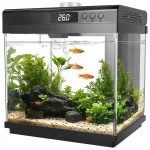
3.7 Gal Aquarium Kit: Filter, 10-Color Light, Self-Cleaning,...
Original price was: $81.99.$77.39Current price is: $77.39.

Add comment
You must be logged in to post a comment.