
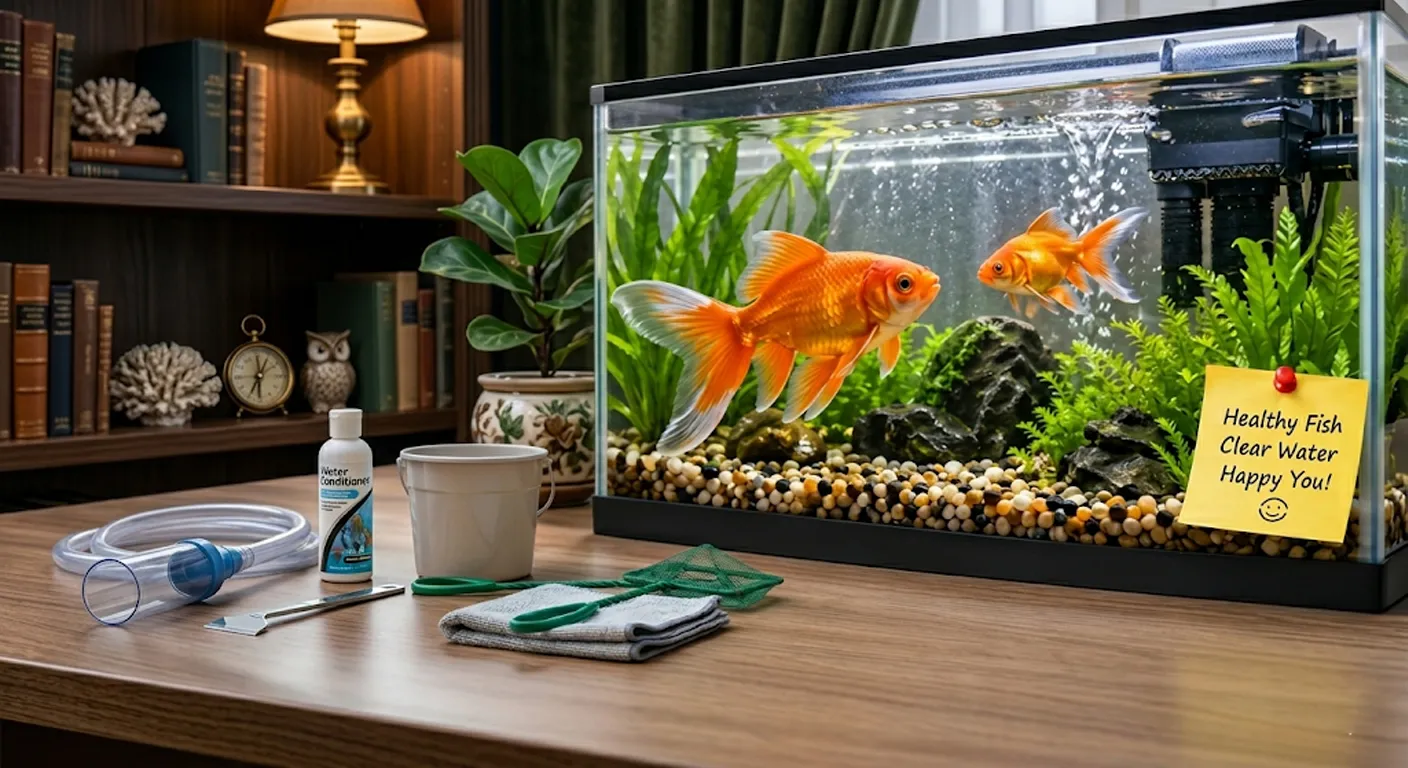
A glance at a goldfish tank can be deceiving. The water looks clear, the fish seem active, and everything appears fine. And then you look closer. Waste has settled into the gravel, and a thin layer of algae coats the back glass. Apart from that, a closer look will reveal that the filter is working harder than it should.
What seemed clean was already heading in the wrong direction. Keeping a goldfish tank clean is not about scrubbing the whole setup every week. It depends on prevention, consistent habits, smart feeding, and a setup that controls mess before it builds up.
This guide covers simple weekly routines, feeding habits that reduce waste, algae control methods, and practices that keep maintenance manageable with minimal effort.
Why Goldfish Tanks Get Dirty So Quickly
Before fixing a problem, it helps to understand what causes it. Goldfish are heavy waste producers, and their tanks can become unstable faster than most beginners expect. Overfeeding, weak filtration, and poor tank sizing make every problem worse.
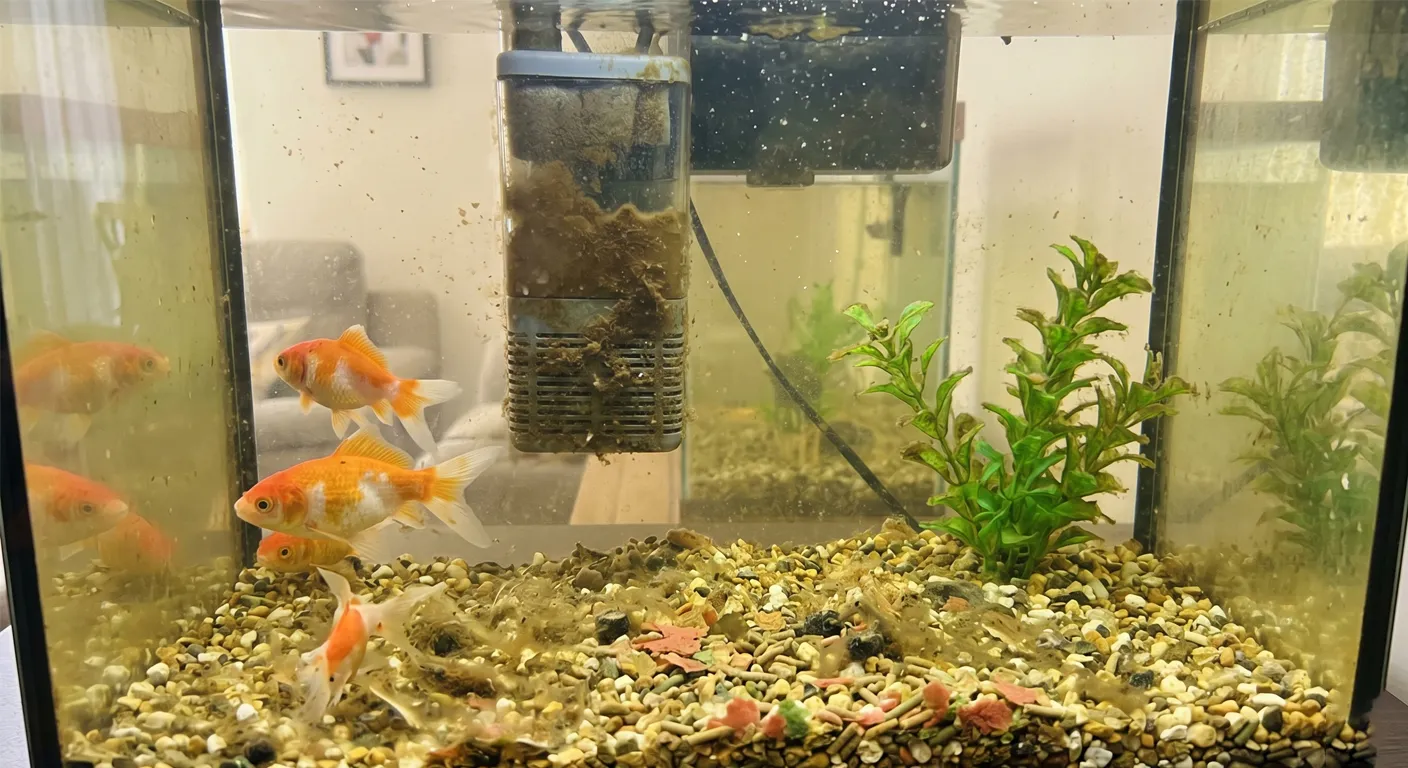
Go through these points to understand why their tanks get dirty so fast.
Goldfish produce a high amount of waste compared with many other aquarium fish. Goldfish have fast metabolisms and eat constantly. They produce ammonia-rich waste at a rate that overwhelms small or lightly filtered tanks very quickly.
Leftover food breaks down quickly and adds to cloudiness. Uneaten food does not just sit at the bottom, as it decays within hours. That decay releases ammonia and organic compounds that cloud the water and strain the filter.
Too little filtration allows debris and harmful compounds to build up. A filter that is too small for the fish load cannot process waste fast enough.
Small tanks become unstable faster, making cleaning feel constant. In a small volume of water, any change, including overfeeding or a skipped water change, affects water quality almost immediately.
How to Choose the Right Tank Setup
Effortless cleaning begins with the right setup. Tank size, filtration strength, and décor choices all affect how much work is needed later. Get these three things right and cleaning becomes a predictable routine rather than a constant scramble.
Choose a Spacious Tank
A larger tank stays more stable and gives waste more room to dilute before it affects water quality. Small tanks crash fast when something goes wrong.
Fancy goldfish need at least 20 gallons for one fish, plus 10 gallons per additional fish.
Single-tailed goldfish (comets, shubunkins) need 40 gallons minimum
Larger tanks give the filter more time to process waste before the quality drops
Use Strong Filtration
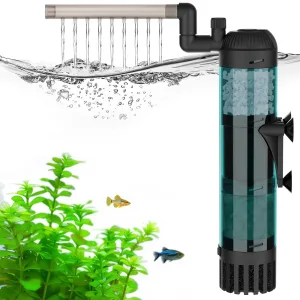
Goldfish need a filter rated for at least twice the tank volume. Standard filtration ratings assume far cleaner fish. Good filtration handles both visible debris and invisible ammonia compounds, and it is what keeps the tank stable between cleanings. Canister filters and hang-on-back filters with high flow rates work well for most goldfish setups.
Keep the Décor Simple
Decorations usually collect waste. The more ornaments fill the tank, the more surfaces exist for debris and algae to settle on. Simple décor with an open swimming space makes vacuuming faster and glass wiping easier. Follow these tips to keep the decor simple:
Choose smooth-surfaced items, as rough textures trap fine debris
Limit ornaments to two or three pieces that are easy to remove and rinse
Open floor space makes gravel vacuuming significantly faster
Feeding Habits That Keep Tanks Cleaner
Feeding directly affects how dirty a tank gets. Overfeeding is one of the fastest ways to drop water quality and force more frequent cleaning. A cleaner tank starts with feeding only what the fish can finish in two to three minutes.
Feed Small Amounts
We recommend you follow these practical feeding tips to avoid waste:
Feed once or twice daily using an amount that the fish finish within two to three minutes
Watch the fish during feeding. If the food reaches the bottom regularly, it means the amount is too high
Use sinking pellets rather than flakes, which scatter and are harder to track
Remove Uneaten Food Promptly
Any food sitting in the tank for more than a few minutes should come out. Use a small net or turkey baster, act within five minutes of feeding, and check the gravel for food that has sunk out of view. This single habit prevents a significant portion of common tank problems.
Weekly Cleaning Routine
A simple weekly routine beats occasional deep cleaning sessions every time. Small, consistent actions keep the tank visually clean and biologically stable without turning maintenance into a major time commitment. Learn from this optimal weekly cleaning routine to keep your tanks clean:
Partial Water Changes
Replace 25 to 30 percent of the tank water each week. This removes accumulated waste compounds without disrupting the biological balance that the tank depends on.
Match the temperature of new water to tank water within one or two degrees, and always use a dechlorinator on tap water before adding it. Consistency matters more than quantity, as a small weekly change beats a large monthly one.
Gravel Vacuuming
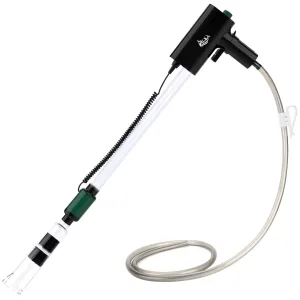
Waste settles into the substrate and stays there unless actively removed. The tank surface can look clean while the gravel holds decomposing material that steadily worsens water quality. Go through these steps for improved gravel vacuuming:
Vacuum during each water change to combine two tasks into one session
Work in sections rather than trying to cover the entire floor at once
Leave some sections unvacuumed each week to preserve beneficial bacteria in the gravel
Glass and Surface Cleaning
Algae grows on tank glass consistently, even in well-maintained tanks. Allowing it to harden makes removal far harder than catching it early.
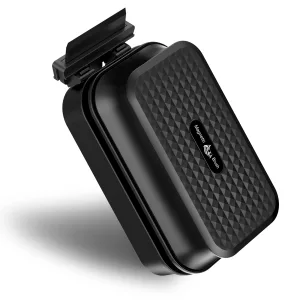
Wipe the interior glass with an aquarium-safe scraper during each weekly session.
Clean before the water change, so loose algae gets removed during the siphon process.
Never use household cleaning products, as even soap residue harms fish
Filter Care Without Disrupting Balance
The filter is the backbone of a clean, stable tank. Over-cleaning it is a real and common mistake. Stripping the filter clean destroys the bacterial colony and restarts the nitrogen cycle, which causes water quality crashes that are harder to fix than a dirty filter ever was. Follow these best practices for filter care:
Clean the Filter Gently
With these filter cleaning techniques, you can improve its life:
Rinse filter sponges in tank water, never tap water, as chlorine kills beneficial bacteria
Squeeze gently to remove solid buildup without destroying the bacterial surface
Clean every four to six weeks, not every week
Never Reset the System
Replacing all filter media at once removes the beneficial bacteria that the entire tank depends on. Replace media in stages, overlap old and new media for two to four weeks, and never discard all old media unless it is physically falling apart.
Algae Control Made Simple
Algae is normal. The problem is when it grows faster than routine cleaning removes it. Controlling algae means removing the conditions that allow aggressive growth, not just scrubbing it away after the fact. To control algae growth, follow these tips:
Manage Light Exposure
Limit tank light to eight to ten hours per day using a simple timer
Keep the tank away from direct sunlight. Use window light, as it is uncontrolled and promotes rapid growth
Reduce light duration if algae growth is persistent despite regular cleaning
Clean Early, Not Late
Small algae spots are easy to remove. Thick, established algae takes real effort. Wipe the glass at every weekly session, even when the buildup appears minimal, and check decorations during water changes for early algae coverage. One missed session allows growth that takes two sessions to fix.
A Simple Low-Stress Routine
The best routine should be short enough that you can actually follow it every week. We have compiled a low-stress tank maintenance routine in the form of a table so that anyone can follow it without problem.
| Frequency | Task | Purpose |
| Daily | Feed a measured amount | Prevents overfeeding and excess waste |
| Remove uneaten food within five minutes | Stops ammonia buildup before it starts | |
| Weekly | Partial water change (25 to 30%) | Removes dissolved waste, refreshes water quality |
| Gravel vacuum | Removes settled waste from the substrate | |
| Glass wipe | Keeps algae from hardening | |
| Every 4 to 6 weeks | Rinse the filter sponge in the tank water | Removes debris without killing beneficial bacteria |
| Ongoing | Monitor light schedule | Slows algae growth between cleanings |
Common Mistakes to Avoid
Some habits that seem logical actually create more problems. A few consistent errors make goldfish ownership far harder than it needs to be.
Overfeeding: Every uneaten pellet breaks down into ammonia. Feed only what disappears in two to three minutes.
Cleaning too Aggressively: Scrubbing every surface and doing large water changes in one session strips beneficial bacteria and spikes ammonia.
Rinsing Filter Media Under Tap Water: Chlorine destroys the bacterial colony. Always rinse in a bucket of water taken from the tank.
Ignoring Water Quality Between Cleanings: A tank can look clean while ammonia levels are dangerously high. Test weekly, especially in newer tanks.
Replacing All Filter Media At Once: This removes the entire bacterial colony. Replace media in stages, overlapping old and new.
Leaving the Light On Too Long: More than ten hours per day significantly accelerates algae growth. A programmable timer solves this completely.
Missing Details Worth Knowing
Beyond the basics, there are several missing details worth knowing that can significantly impact goldfish care. The following key points fill common gaps:
Tank Size By Goldfish Type: Fancy goldfish need 20 gallons for one fish plus 10 gallons per additional fish. Single-tailed varieties need 40 gallons minimum, with ponds being a better long-term option.
Best Filter Types for Beginners: Canister filters offer the highest capacity and easiest maintenance. Hang-on-back filters work well for tanks up to 55 gallons. Sponge filters work as supplemental filtration, rarely as the sole filter.
Cleaning Frequency by Fish Load: One fancy goldfish in a 30-gallon tank needs 25 percent weekly changes. Two goldfish in the same tank may need 30 to 40 percent. Overstocked tanks often need twice-weekly changes regardless of filter quality.
Live Plants Reduce Maintenance: Fast-growing plants like hornwort and anacharis absorb nitrates directly, slow algae growth, and reduce filter strain.
Signs a Filter is Failing: Persistent cloudiness, reduced flow rate, or an unusual smell from the tank are all early indicators. Check output weekly.
New Tanks Need More Attention: Without an established bacterial colony, new tanks need daily water testing and more frequent changes for the first four to six weeks.
Conclusion
Keeping a goldfish tank clean comes down to understanding why it gets dirty and building habits that address those causes directly. The right tank size and filtration do most of the heavy lifting. Controlled feeding, weekly water changes, gravel vacuuming, and early algae removal handle the rest.
Protect beneficial bacteria instead of over-cleaning, and the tank will stay clean with far less effort than most owners expect. Build the routine, and maintenance becomes something that fits into a normal week without much thought at all.
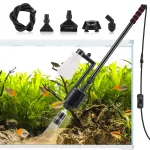
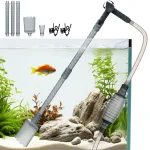
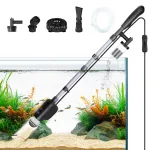
AQQA 5-in-1 Aquarium Gravel Cleaner Set For Removing...
Original price was: $35.59.$32.39Current price is: $32.39.


Add comment
You must be logged in to post a comment.