
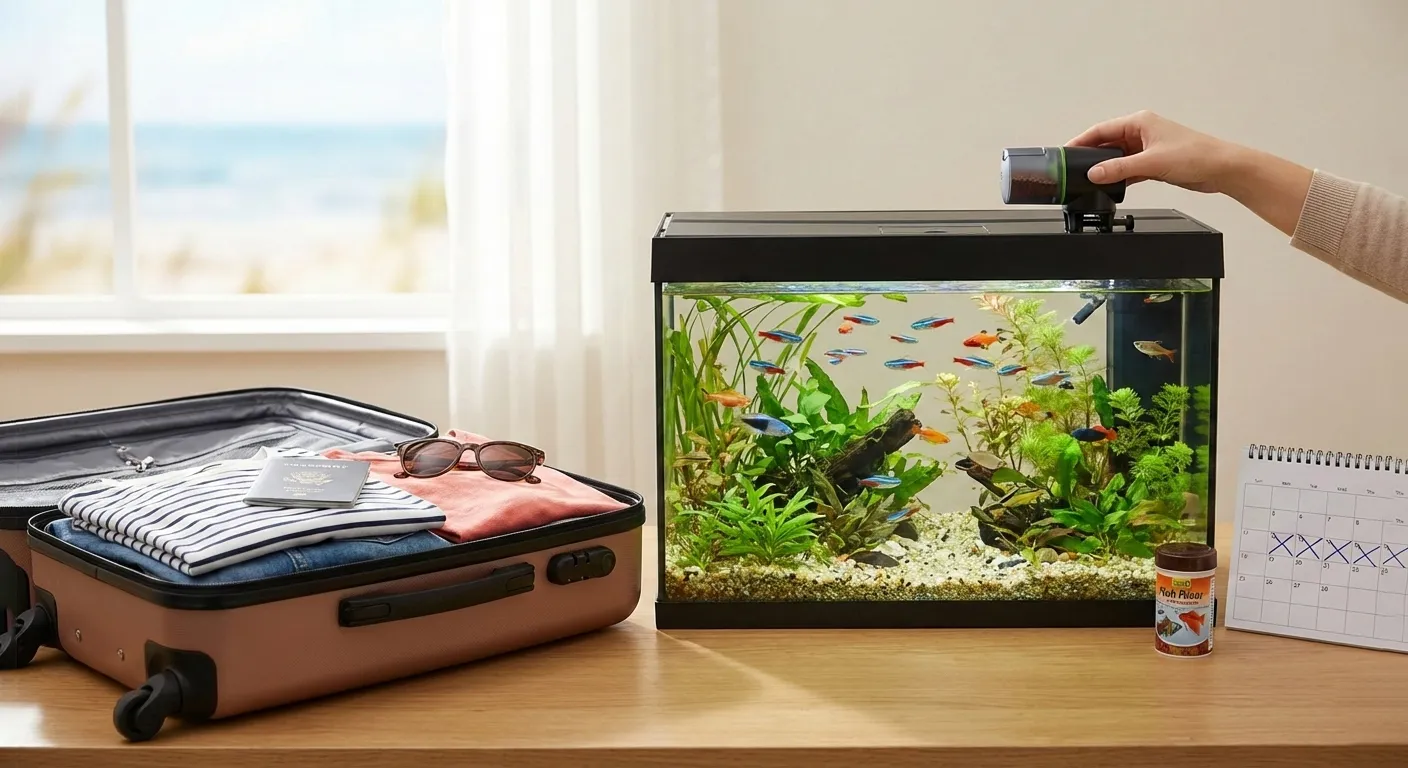
Picture this: you’ve been planning a vacation for months. Bags are packed, flights are booked, and then it hits you at 2 AM the night before you leave. The fish.
What about the fish? It’s the kind of panic that makes you consider canceling the whole trip, or worse, desperately texting every person you know to see who’ll come feed your tetras twice a day. Here’s the short answer: many healthy adult fish can actually go without food for 7 to 14 days and survive. But (and this is a big but) survival and thriving are two completely different things. Some fish handle it fine. Others? Not so much. The real question isn’t just “can they?” but “should they?” and “which ones actually can?”
Let’s break this down so you can leave for your trip without the fish guilt eating you alive.
Survival vs. Welfare: What “7–14 Days” Really Means
Okay, so here’s where things get a bit nuanced. When people say fish can go 7 to 14 days without food, they’re usually talking about survival time. As in, your fish will technically still be alive when you get back. But alive and healthy? That’s different.
Think of it this way: you could probably survive on nothing but crackers and tap water for two weeks. Would you be okay? Sure, technically. Would you feel good? Absolutely not. Fish are the same.
Survival Time vs. Safe Fasting Window
There’s survival time, which is how long a fish can go before things get really bad. Then there’s the safe fasting window, where your fish isn’t just surviving but actually doing okay. No long-term damage, no serious stress, just… fasting.
The survival limit is always longer than the safe window. A betta might survive 14 days without food, but the safe window is more like 7 days max. Push beyond that, and you’re rolling the dice with their health. Stress goes up, immune systems get weaker, and even if they make it, recovery takes time.
Responsible fish keepers stay well below the survival limits. Because why risk it?
Short Trips vs. Long Trips
The length of your trip completely changes the game.
For 1 to 3 days? Most healthy adult fish are totally fine. Honestly, they probably don’t even notice. It’s like skipping breakfast and lunch. Not ideal, but not dangerous either.
For 4 to 7 days, things get more complicated. Species matters here. Tank maturity matters. If you’ve got a stable, established setup with adult fish, you’re probably okay. But if your tank is new or your fish are young, you might need backup.
For 8 to 14 days, you’re in the danger zone without a plan. This is where you really need to think about automatic feeders, fish sitters, or other solutions. Leaving fish unfed for two weeks is risky, no matter how healthy they are.
Key Factors That Determine How Long Fish Can Go Unfed
Not all fish are created equal when it comes to fasting. A bunch of things influence how long they can actually go without food.
1. Species, Size, and Metabolism
Some fish are like hummingbirds. Fast metabolism, always moving, always hungry. Others are more like pythons, slow and steady, fine with long gaps between meals.
Small, active schooling fish like neon tetras or danios burn through energy fast. They need to eat more often. Large, slow predators like oscars or arowana? They’re built for long fasts. In the wild, they might go days or even weeks between big meals.
Then there’s the diet factor. Herbivores and grazers like plecos or tangs are used to nibbling all day long. Going without food is harder on them than it is on carnivores, who naturally eat less frequently.
2. Age and Life Stage
Baby fish and fry are like human babies. They need to eat constantly because they’re growing so fast. Skip a day, and things can go south quickly. They just don’t have the body reserves to handle fasting.
Adult fish are more resilient. They’ve got fat stores, established systems, and can handle moderate fasting without major issues.
Older fish or fish recovering from illness fall somewhere in between. They’re more fragile than healthy adults, so fasting hits them harder.
3. Tank or Pond Environment
Your tank setup matters more than you might think. A mature, well-established tank with live plants, algae, and biofilm gives fish natural food sources to graze on. It’s not a full meal, but it’s something. Fish in these tanks handle fasting way better than fish in brand-new, sterile setups.
Stocking density plays a role, too. A lightly stocked tank means less competition for any available food and better water quality. Overstocked tanks? Much riskier when you’re gone.
4. Water Temperature and Metabolism
Temperature controls metabolism. Cooler water slows everything down, which means fish can go longer without food. Tropical fish in warm tanks have faster metabolisms and shorter safe fasting windows.
Cold water fish, like goldfish or koi, naturally slowdown in cooler temperatures. In winter, pond fish can go weeks without food because they’re basically semi-dormant. But in summer, when the water’s warm? That same fast becomes way riskier.

How Long Can Different Types of Fish Go Without Food
Alright, let’s get specific. These are general guidelines, not guarantees, because every fish and every tank is different.
Approximate Fasting Ranges by Fish Category
Here’s a breakdown of typical fasting ranges:
Small Tropical Community Fish (tetras, guppies, rasboras): A conservative safe window is 5 to 7 days. The higher risk window is 10 to 14 days. These guys are active and need regular feeding, but healthy adults can handle a week.
Goldfish (Tank/Pond): A conservative safe window is 10 to 14 days. The higher risk window is 21+ days. Goldfish are surprisingly tough. In ponds with natural food, they can go even longer, especially in cooler weather.
Bettas: The conservative safe window is 7 to 10 days. The higher risk window is 14 days. Bettas have slow metabolisms and handle fasting pretty well, but don’t push it past two weeks.
Large Cichlids/Predators (oscars, arowanas): A conservative safe window is 14+ days. The higher risk window is 3 to 4 weeks. These fish are built for irregular feeding. They can go surprisingly long without food.
Marine Reef Fish: The conservative safe window is 5 to 7 days. The higher risk window is 10 to 14 days. Saltwater fish are often more sensitive, and stability matters more in marine tanks.
Specialized Grazers (otocinclus, certain tangs): A conservative safe window is 3 to 5 days. The higher risk window is 7 days max. These fish need to eat constantly. Long fasts are really hard on them.
Fish That Should Not Be Fasted for Long
Some fish just can’t handle extended fasting, period.
Fry and very young juveniles need daily feeding. Missing meals means stunted growth or worse. Plankton pickers and constant grazers like mandarinfish, certain tangs, or otocinclus need to nibble all day. They’ll struggle after just a few days without food.
Recently arrived fish or fish recovering from illness are also off the table for long fasts. They need consistent care, not a vacation diet.
Outdoor Pond Fish vs. Indoor Tank Fish
Ponds are different beasts. Established ponds have natural food sources everywhere: insects landing on the surface, algae growing on rocks, and tiny organisms in the water. Pond fish can often go longer without supplemental feeding than tank fish, especially in mild weather.
In winter, cold water pond fish like koi and goldfish enter a semi-dormant state. They barely eat at all for months. In summer, they’re more active and need more food, but they’ve still got natural sources to fall back on.
Indoor tanks are more controlled but also more limited. If there’s no food in the tank, there’s no food. Period.
Planning for a 7–14 Day Trip: Risk Assessment
Before you leave, do an honest check of your situation. Not every setup can handle 7 to 14 days without feeding.
Step-by-Step Risk Checklist
Go through this list and be brutally honest:
1. What species do you have, and how old are they? Young, delicate, or grazing species are at higher risk. Large, slow, adult fish are lower risk.
2. What’s your tank like? Is it mature and planted with good filtration, or is it new and barely cycled? Mature tanks are safer.
3. How stable are your water parameters? If you’re constantly fighting nitrate spikes or pH swings, fasting adds more stress.
4. Have there been any recent health issues or stress events? Sick fish, new arrivals, or recent tank changes mean fasting is riskier.
Low, Medium, and High Risk Scenarios
Here’s what these risk levels look like in practice:
1. Low Risk: Lightly stocked, mature, planted community tank with adult fish. Everyone’s healthy, parameters are stable, and you’ve got some natural food sources in the tank. A large, established pond with adult goldfish or koi in mild weather also falls here. These setups can handle 7 days pretty easily, maybe even 10.
2. Medium Risk: Moderately stocked community tank with some juveniles mixed in. Or a stable marine tank with a variety of reef fish. These can handle a week, but you’d feel better with an auto feeder or a sitter checking in.
3. High Risk: Newly set up tanks, heavily stocked systems, tanks full of fry or very small fish, or tanks with delicate species. Recently treated or sick fish also fall here. Do not leave these tanks without a feeding plan.
Deciding When Fasting Is Acceptable vs. When You Must Arrange Feeding
A 7-day fast is generally acceptable if you’re in the low to medium risk category with healthy adult fish. It’s not ideal, but it’s safe enough.
For 10 to 14 days, you really should have a backup plan. Auto feeders, fish sitters, or other solutions become necessary unless you’re in a very low-risk situation.
Red lines: tanks with fry, newly set up systems, sick fish, or constant grazers. These need feeding regardless of how long you’re gone.
Feeding Solutions for 7–14 Day Vacations
If fasting isn’t safe for your setup, here are your options.
Automatic Feeders: Pros and Cons
Auto feeders are great in theory. They dispense food on a schedule, and you don’t have to worry about it. But they’re not foolproof.
Advantages? Predictable feeding is good for 7 to 14 days, and you can control portion sizes.
Risks? They can overfeed if calibrated wrong, clog with moisture, or just stop working. Always test your auto feeder for at least a week before you leave. Make sure it’s dispensing the right amount and not dumping the whole container into the tank.
Fish Sitters and Trusted Helpers
Honestly, a reliable human is usually the best option. Ask a neighbor, friend, or hire a professional pet sitter.
The key is to pre-measure portions. Put each feeding in a separate baggie or container and label it with the day. This prevents the classic “I’ll just give them a little extra to be safe” overfeeding disaster.
Leave clear written instructions, your contact info, and an emergency vet number just in case.
Vacation Blocks and Slow-Release Foods
These are controversial. Vacation blocks slowly dissolve and release food over several days. Sounds perfect, right?
Not always. They can mess with water quality, create uneaten residues that rot, or tempt fish into overeating. Some fish ignore them completely.
They might work for short trips in low-risk setups, but I wouldn’t rely on them for 14 days or in sensitive tanks.
Signs of Trouble During and After a Fast
When you get back, watch for these red flags: sunken bellies or visible weight loss, lethargy or hiding more than usual, aggression or erratic behavior from hunger stress, or fish that refuse food when you start feeding again.
How to Resume Feeding After 7–14 Days
Don’t just dump a bunch of food in the tank the second you get home. Start with small, frequent meals. Watch how fish respond. Are they eating eagerly? Do they seem sluggish?
Gradually increase portion sizes over a few days until you’re back to the normal routine. This prevents digestive issues and lets you monitor their condition.
Wrapping This Up
So, can fish go 7 to 14 days without food? Many healthy adult fish can survive it, yeah. But survival and thriving are different things. Some fish handle it fine. Others need help. The trick is knowing which category your fish fall into and planning accordingly. Don’t push fish to their survival limits just because you can. A little preparation goes a long way.
Whether it’s an auto feeder, a fish sitter, or just an honest risk assessment, taking the time to plan means you can actually enjoy your vacation instead of worrying about what you’ll find when you get home. Your fish will thank you for it.
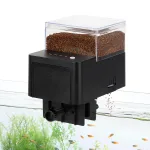
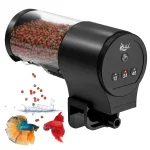
AQQA Automatic Fish Feeder, 12H/24H/48H Timer, 110ml Capacity,...
Original price was: $13.19.$12.99Current price is: $12.99.
AQQA 200ML Auto Fish Feeder, Quiet Smart Timer...
Original price was: $22.39.$18.19Current price is: $18.19.












Add comment
You must be logged in to post a comment.