
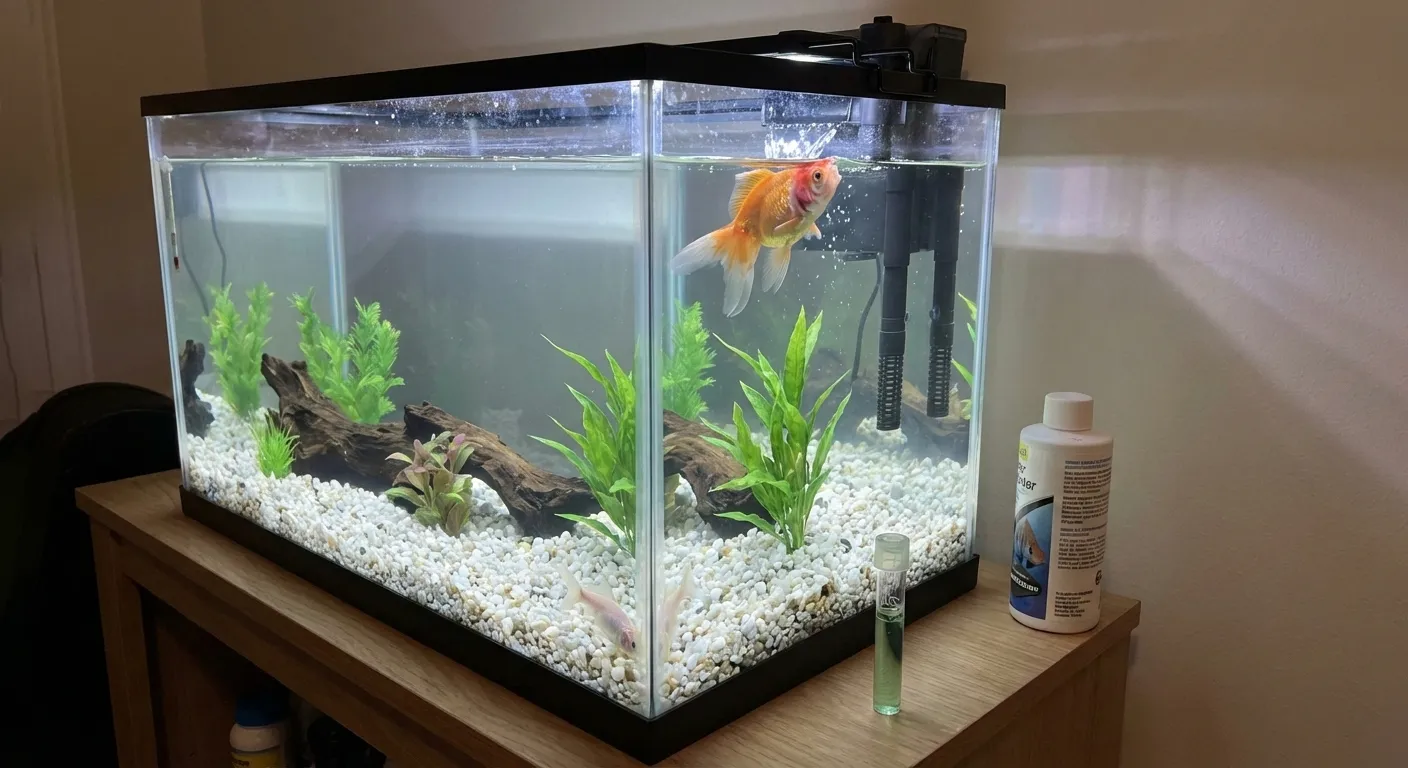
So you just set up your first aquarium. Everything looks perfect. The water is super clear. Filter is running smoothly. Your fish seem happy and calm. Then suddenly, fish start dying. One by one. You don’t know why. You check the water. Tests look okay. The tank looks clean. But something is definitely wrong. This is so frustrating, right? Trust me, almost every beginner goes through this.
That’s what’s happening: Your tank doesn’t have enough good bacteria yet. These bacteria are supposed to break down fish waste. Without them, ammonia and nitrite build up really fast. And these chemicals are toxic to your fish. This problem has a name. It’s called new tank syndrome or NTS. The good news? You can prevent this. And if it’s already happening, you can still fix it. You just need to act quickly.
In this guide, I’ll show you what new tank syndrome really is. How to spot the warning signs early. And most importantly, 7 practical steps to stop your tank from crashing completely.
What Is New Tank Syndrome
So, new tank syndrome is basically when your tank is too young. It doesn’t have enough good bacteria yet to handle all the fish waste. When your fish eat, they produce ammonia. In an older tank, the bacteria are already there, working hard to break down this ammonia into something less dangerous. But in a new tank, you don’t have those bacteria yet. They need time to grow.
The tricky part is that you can’t see ammonia or nitrite in the water. Your tank might look super clean and clear, but it’s actually really toxic for your fish. Your filter is running fine, everything looks good, but then your fish start getting stressed out. Sometimes they get burns or even die because the toxins suddenly spike up. That’s new tank syndrome doing its damage.

The Nitrogen Cycle: Why New Tanks Crash
The nitrogen cycle is what keeps your tank water safe. It’s basically beneficial bacteria doing their job. They take all that toxic waste and turn it into something less dangerous. In older tanks that are already set up, this cycle just runs on its own. You don’t even notice it happening.
New tanks crash because the nitrogen cycle isn’t ready yet. The waste comes in faster than the bacteria can handle it. So toxins just pile up in the water. If you don’t do something about it, your fish will be in water with ammonia and nitrite levels that kill them pretty quickly.
Stages of the Nitrogen Cycle
Okay, so the nitrogen cycle has three main steps, and different bacteria do different jobs. If something is missing or if one part gets too much to handle, then the toxins start going crazy, and your fish gets in trouble.
- How ammonia is produced
So ammonia comes from fish poop, food that falls to the bottom and nobody eats, and plants that die. You know, even if you have just one fish, it can make so much ammonia. In a small tank or a new tank, this is already dangerous for them.
- Why is ammonia so toxic to fish
Ammonia is bad because it burns their gills. It damages the organs inside, and the fish cannot take oxygen properly anymore. You see the fish, they start going to the top of the water and gasping for air. They become very slow and lazy; they just sit there.
- How toxic substances are removed
So the bacteria take ammonia and convert it to nitrite. Then, other bacteria take nitrite and make it nitrate. The nitrate you remove from water changes or the plants in the tank absorb it and use it.
Why New Tanks Lack Biological Filtration
New tanks, they don’t have these bacteria already. The bacteria need to come and sit on the surfaces and then multiply slowly. This waiting time is basically the whole problem with new tank syndrome.
Filter media, substrate, decorations, and aquarium glass are initially mostly sterile. When you set up your tank, everything is clean. The filter, the sand or rocks, the decorations, the glass walls. There is nothing living there yet.
Beneficial bacteria need days to weeks to attach and reproduce. The good bacteria take time to come and attach to these surfaces. Maybe days, maybe weeks. Then they need to multiply and spread everywhere. It’s not fast.
During this period, sudden increases in waste can overwhelm the immature biofilter. While you are waiting for the bacteria to grow, the fish waste is already coming. If too much waste comes too fast, the bacteria that you have are not enough. It cannot handle it, and the tank becomes toxic.
How New Tank Syndrome Develops
New tank syndrome happens when the waste from fish is coming faster than the bacteria can grow. This imbalance happens quietly. You don’t see anything wrong until suddenly your fish start showing problems and acting stressed.
Common Triggers and Mistakes
There are some beginner habits that almost guarantee you will get NTS if you do them together. Even people who keep fish for many years can accidentally create these conditions again after they do a big cleaning.
Adding too many fish too soon. You get excited and put like ten fish in the tank when you should only put two or three at the start.
Overfeeding fish, especially in small tanks. The fish don’t eat all the food, and it sits there rotting and making more ammonia.
Using an undersized or poorly maintained filter. Your filter is too small for how many fish you have, or you don’t clean it properly.
Failing to test water parameters regularly. You don’t check the ammonia or nitrite, so you don’t know there is a problem until it’s too late.
Cleaning filter media or gravel with untreated tap water. You kill all the good bacteria that you already built up when you clean it with regular water.
Typical Timeline and Test Readings
Every tank is different, but many tanks crash from NTS and follow the same timeline. If you know what numbers to expect from your test kit, then you can react the right way when something goes wrong.
Days 1–7: Ammonia rises quickly; nitrite remains low or undetectable.
In the first week, the ammonia goes up very fast. The nitrite stays low, or you cannot even detect it yet.
- Days 7–21: Ammonia may drop slightly as bacteria appear, but nitrite spikes sharply.
After one week, maybe two weeks, the ammonia drops a little bit because now bacteria are starting to appear. But then the nitrite goes way up. This is a dangerous time.
Days 21–42+: Nitrite begins to fall; nitrate becomes detectable as the cycle stabilizes.
After three weeks or more, the nitrite starts to go down. You can see nitrate in the water now. This means the cycle is getting stable and your tank is becoming safer.
Note: At any stage, overstocking or overfeeding can push ammonia and nitrite back to dangerous levels.
Recognizing Early Warning Signs
The fish behavior and simple test kits are your best alarm system. They tell you something is wrong before it gets too bad.
Fish Behavior and Physical Signs
Gasping at the surface. Your fish go to the top, and they open their mouth trying to get more air.
Hanging near filter outlets. They stay close to where the water comes out because they want more oxygen.
Rapid or labored breathing. You see the gills moving very fast, like they are working hard to breathe.
Lethargy or loss of balance. The fish become lazy and slow. Sometimes they cannot swim straight anymore.
Red or inflamed gills. The gills look like they are burned or swollen and red.
Sudden refusal to eat. Your fish normally eat the food, but now they ignore it completely.
Water Appearance and Smell
Cloudy or milky waterfrom bacterial blooms. The water looks like milk, even though you just did a water change. This happens because bacteria are growing too much.
Slightly earthy or musty odors that intensify. You smell something like dirt or an old basement smell, and it gets stronger every day.
Water may still appear “clean” despite toxicity. This is the tricky part. The water looks fine and clear, but the ammonia and nitrite are there, killing your fish.
Key Test Parameters to Monitor
Ammonia (NH₃/NH₄⁺): 0 ppm (anything above is dangerous). Your ammonia needs to be zero. Even a little bit can hurt the fish.
Nitrite (NO₂⁻): 0 ppm (highly toxic even at low levels). Nitrite is very poisonous. Even if the number is small, the fish can get sick from it.
Nitrate (NO₃⁻): Under 20–40 ppm. Nitrate is less dangerous than ammonia and nitrite, but you still want to keep it under control with water changes.
pH and KH: Stable values appropriate for your species. The pH and hardness are needed to stay stable. Different fish like different numbers, so you need to know what your fish need.
Is It New Tank Syndrome or Something Else
Sometimes similar symptoms have different causes, and here’s a table to understand these:
| Problem type | Tank age & context | Main test results | Fish behavior | Water looks/smells |
| New tank syndrome | <2 months, newly stocked | High ammonia/nitrite | Gasping, stress | Clear or cloudy |
| Simple overfeeding | Any age | Rising ammonia | Bloated fish | Food debris |
| Low oxygen/circulation | Poor circulation | Normal toxins | Surface gasping | Normal |
| Old tank syndrome | Years old | High nitrate | Slow decline | Stale odor |
7 Ways to Stop New Tank Syndrome
These seven strategies make up your core action plan for dealing with new tank syndrome, with each one focusing on practical steps you can apply immediately to stabilize water chemistry and protect fish.
1. Establish a Baseline
You can’t fix what you can’t measure. Before you change anything, get a clear picture of your water chemistry.
Identifies dangerous ammonia and nitrite spikes early
Helps track whether the nitrogen cycle is progressing or stalled
Prevents guesswork and unnecessary treatments
Confirms whether corrective actions are actually working
2. Perform Emergency Water Changes Correctly
Water changes are the fastest way to reduce toxins, but doing them incorrectly can worsen stress.
Dilutes ammonia and nitrite immediately without disrupting bacteria
Prevents sudden parameter swings when temperature and conditioner are matched
Buys time for beneficial bacteria to establish
Reduces fish stress while keeping the cycle intact
3. Reduce Feeding to Cut Waste
In new tanks, excess food quickly turns into ammonia before bacteria can process it.
Lowers ammonia production at the source
Prevents uneaten food from decaying in substrate and filter media
Gives the biofilter time to catch up
Fish can safely eat less during short-term emergencies
4. Support and Protect Your Biofilter
Your biofilter is the heart of the nitrogen cycle, and damaging it prolongs NTS.
Preserves beneficial bacteria living on filter media
Prevents accidental colony loss from tap-water rinsing
Maintains stable ammonia and nitrite conversion
Allows bacteria populations to grow instead of restarting
5. Boost Beneficial Bacteria Safely
Adding bacteria can help—but only when done correctly.
Speeds up bacterial colonization in new tanks
Helps stabilize ammonia and nitrite faster
Works best when combined with reduced feeding and water changes
Avoids harsh chemicals that kill both good and bad bacteria
6. Improve Aeration and Circulation
Beneficial bacteria and fish both depend on oxygen-rich water.
Increases oxygen availability for nitrifying bacteria
Reduces surface gasping caused by ammonia stress
Improves waste transport to the filter
Prevents stagnant zones where toxins concentrate
7. Adjust Stocking Strategy and Future Additions
Stocking decisions determine how hard your biofilter has to work.
Prevents sudden waste overloads in immature tanks
Gives bacteria time to scale with bioload
Reduces repeated ammonia spikes
Creates long-term stability instead of short-term fixes
Preventing New Tank Syndrome From Day One
Fishless Cycling vs. Fish-In Cycling: Fishless cycling is the safer way to do it. You let the bacteria grow without having fish in the tank yet. This way, the fish don’t get sick while you are waiting for everything to be ready.
Smart Equipment and Maintenance Choices: If you get a filter that is bigger than what you need, it helps a lot. And if you clean and maintain everything in a routine way, your tank stays stable, and you avoid problems.
| Step | Action | Goal |
| 1 | Set up tank, filter, heater, decor | Ensure equipment works and is leak-free |
| 2 | Add dechlorinated water | Protect bacteria |
| 3 | Begin the cycling process | Build biofilter |
| 4 | Test water regularly | Track progress |
| 5 | Add fish slowly | Avoid overload |
| 6 | Feed lightly | Reduce waste |
| 7 | Maintain consistency | Prevent crashes |
Conclusion
So, new tank syndrome is basically when your tank is too young and doesn’t have enough bacteria to handle all the fish waste. The ammonia and nitrite they build up in the water poison your fish. You see the signs like your fish gasping at the surface or the water getting cloudy.
The good news is that you don’t have to just hope everything works out. There are strategies that work together to stop the toxins and help the nitrogen cycle grow. When you do fishless cycling, use a bigger filter, don’t add too many fish at once, feed them correctly, and test the water regularly; all these things work as a team. They keep the ammonia and nitrite low while the bacterial colonies are still growing.
The last thing is, don’t be scared of biology. Your filter is not magic; it’s actually living bacteria doing all the work. The more you understand how it works, the easier it is to avoid new tank syndrome. So take the time to learn about the nitrogen cycle and what your fish actually need. Do the water tests, be patient with your tank, and you will have healthy fish and a stable aquarium.
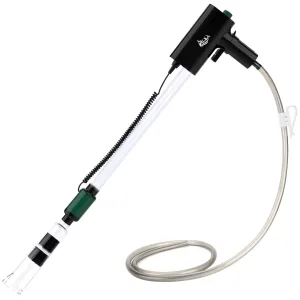
AQQA 5-in-1 Aquarium Gravel Cleaner Set For Removing...
Original price was: $35.59.$32.39Current price is: $32.39.




Add comment
You must be logged in to post a comment.