

I established a wonderful fresh water tank a few months ago. However, later, I saw something unusual, my fish were gasping at the top of the tank most of the time. Initially, I did not think much of it and attributed it to them being hungry or inquisitive, but the actions continued. This turned out to be my wake-up call to know what was not right with my aquarium.
The most popular cause of fish clustering close to the surface is usually due to insufficient oxygen. Fish need oxygen in the tank, and the fish tend to go up to the airline where there is a little more oxygen.
Although a simple solution is to add an air pump or an air stone, the story does not stop there. It may be the major cause of oxygen deficiency, but it is not the only one. When you are a novice, you also have to compare other possible aspects, and this is what this guide is about.
Here in this blog, we will discuss why fish remain at the top, when it is normal, and six significant causes of the same, and ways to correct the problem.
What Kind of Fish Breathe at the Top of the Tank
No need to panic if you see some of your fish near the surface – it’s not always a sign of trouble! Many species naturally prefer the upper levels of the tank due to their anatomy or diet.

Surface Breathers: Fish like bettas and gouramis are perfect examples.They have a special organ called the labyrinth organ that allows them to breathe air directly from the atmosphere, so they’ll often be seen near the surface.
Surface Feeders/Active Swimmers: Other fish, such as zebra Danios, guppies, and hatchetfish, tend to swim near the top because that’s where their natural food source (like insects) would be found in the wild. Their anatomy also makes it easy for them to maneuver in this part of the water column.
Therefore, if your betta is calmly floating near the top, or your guppies are actively darting around the surface, it’s likely perfectly normal behavior. However, if any fish are gasping for air, squirming, showing signs of distress, or clustering unnaturally at the surface, consider it a serious warning sign that requires immediate investigation and attention.
Checklist of Why Fish Staying at the Top of the Tank
When you see your fish hanging around at the top. Don’t just assume oxygen is the only culprit. Several factors can influence this behavior. Let’s break down the six most common reasons and their fixes.
1. Oxygen Deficiency
Oxygen is the life of fish, and when your aquarium has no oxygen, then your fish will go to the areas that have oxygen, like the water surface, where it comes in contact with the air. Lack of oxygen occurs when water is not circulated properly. Or excessive fish in the water are mistakenly removing oxygen at a much higher rate than it can be added.
Why Does Oxygen Get Low
The filter is not working or outputs submerged below the surface
Lack of surface agitation or water movement
Insufficient air pump capacity for the tank size
How to Fix It: Ensuring Optimal Oxygen Levels
Ensuring Optimal Oxygen Levels
Use an Air Pump: Adding a quality air pump helps circulate oxygen throughout the tank.
Add an Air Stone: Air stones create bubbles that increase surface agitation, improving oxygen exchange.
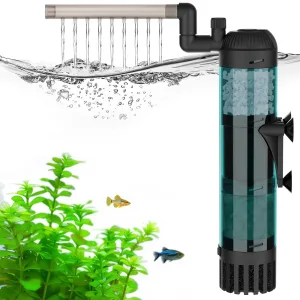
Keep Filter Running Properly: Ensure the filter output disturbs the water surface for better gas exchange.
2. Water Quality Issues
In a case where the quantity of oxygen is not sufficient or where there is toxic water. Fish can be driven to the surface due to the difficulty of respiration via damaged gills or overwhelmed systems.
Common Culprits
Ammonia above 0 ppm: Burns gills and makes breathing painful.
Nitrite above 0 ppm: Interferes with oxygen transport in the blood.
Sudden pH swings: Stress the fish’s system.
Chlorine/chloramine: From untreated tap water, harmful to fish.
How to Fix It
Test your water regularly using a liquid test kit (more accurate than strips).
Perform partial water changes (20-30%) weekly.
Add a water conditioner to neutralize chlorine and chloramine.
Ensure proper biological filtration for ammonia and nitrite control.
3. Temperature Problems
Did you not know the warm water has less oxygen? In case the tank temperature becomes more than 78°F (26°C). The deficiency of oxygen is a disaster, raising it to the surface.
Possible Causes
The heater malfunctioned, stuck in the “on” position.
Excessive heat from lighting or warm room temperature.
How to Fix It:
Use a reliable aquarium thermometer to monitor water temperature daily.
Adjust the heater and set it to the ideal range for your fish species (usually 72–78°F for most freshwater fish).
Reduce lighting hours or use a cooling fan for hot rooms.
4. Sick Fish
Fish that are sick tend to remain near the surface because they are weak or cannot breathe. One disease that may cause difficulty in the absorption of oxygen occurs when the gills are infected, or some kind of parasite infects the gills.
Warning Signs
White spots (ich)
Fungal growth or slime coat issues
- Clamped fins, lethargy, or loss of appetite
How to Fix It
Isolate the sick fish in a quarantine tank.
Observe closely for symptoms and treat with the appropriate medication.
- Maintain water quality in both the main and quarantine tanks.
5. Crowded Tank
The mistake of the beginners is that of overcrowding. Excessive fish create extra oxygen consumption and waste, which deteriorates the water quality in a short period. Even if you want to raise a variety of fish and build a community fish tank, you need to properly plan the compatibility of the fish population and the fish tank size.
Recommended Stocking Guidelines
| Tank Size | Ideal Number of Small Fish (1-2 in.) |
| 10 gallons | 6–8 fish |
| 20 gallons | 12–15 fish |
| 40 gallons | 20–25 fish |
| 55 gallons | 25–30 fish |
(Tip: Always research the adult size of fish before buying. That tiny guppy can multiply fast!)
6. Old or Broken Aquarium Accessories
Old or poorly maintained accessories may lead to poor oxygen and water quality, even when you possess fitted equipment.
Air pumps are losing efficiency over time
Filters clogged with debris
- Old tubing reduces airflow
How to Fix It:
Inspect and clean filters every 2-4 weeks.
Replace air pump diaphragms and worn-out tubing regularly.
- Keep spare parts handy for emergencies.
How to Prevent Fish Staying at Top of the Tank
Prevention is always better than fixing problems later. Follow these habits:
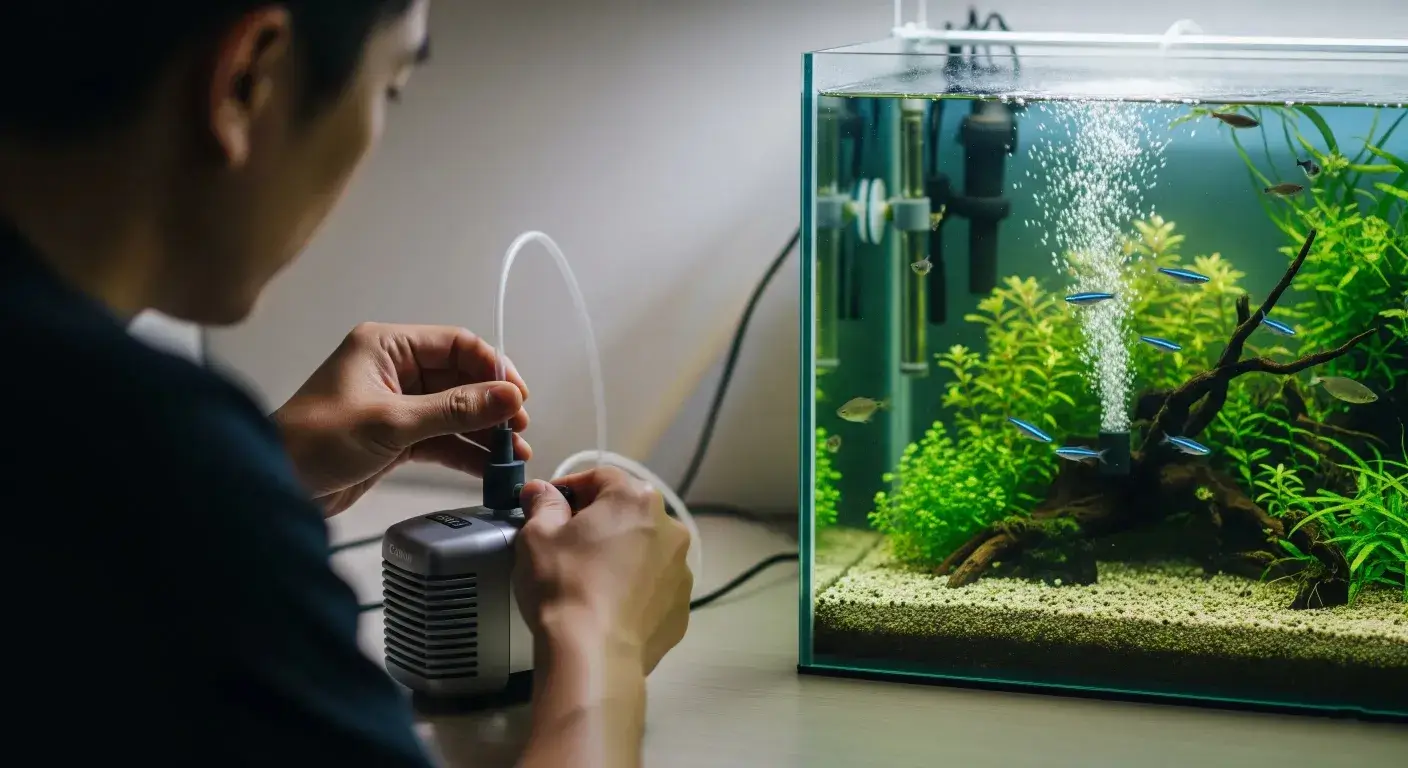
1. Clean Your Aquarium Equipment Regularly
Untidy filters and air pumps limit the movement of oxygen, which makes fish feel stressed. Biological Mechanical filter media should be cleaned with tank water every 2-4 weeks.
Visually check tubing and pump diaphragms to detect signs of wear, and do not forget to scrub the walls of the tank with algae to keep the surfaces clear.
Regular cleaning prevents poor functioning, filtration, and quality of water by regular cleaning. Thus, maintaining a healthy aquatic life.
2. Perform Partial Water Changes Consistently
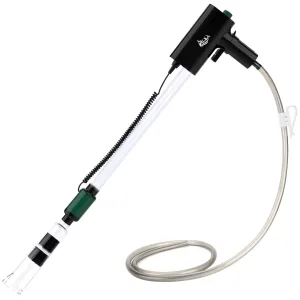
After two weeks, change 20-30 percent of your aquarium water to flush out the wastes, add enough minerals, and sustain equilibrium. When replacing water, use a gravel vacuum to clear the debris in the substrate.
Tap water should always be treated with a dechlorinator to remove dangerous chlorine and chloramines to ensure that there is no stress and good gill health of the fish population.
3. Test Water Parameters Weekly
Water testing would eliminate the adverse conditions of spiking ammonia, nitrite, or nitrate. Be specific and check the pH, the hardness, and the temperature with the use of a liquid test kit regularly.
Use a log book to record the results and identify the trend and potential issues early. Management of the water chemistry is essential to avoid stress and the use of the surface-breathing behaviour of fish.
4. Observe Fish Daily for Early Signs of Stress
Take some minutes off your day to check on your fish. Observe a fast gill movement, clamped fins, appetite loss, or erratic swimming. The identification of the early signs gives time to intervene before worse things happen.
Regular monitoring not only helps keep the fish healthy. But it also helps you get closer to the aquarium. So that you associate fishkeeping with something less unexpected and more enjoyable.
5. Quarantine New Fish Before Adding Them
Before putting new fish in your main aquarium, keep them in another tank for at least two weeks in quarantine. This avoids transmission of parasites or diseases to normal fish.
A small heater, a sponge filter, and hiding places are comfort-oriented. Proper quarantine prevents problems in the aquarium community. It also establishes long-term stability for all inhabitants of the tank.
6. Avoid Overstocking Your Tank
Overcrowding leads to oxygen loss, more waste, and aggressiveness in the fish. Even do as much research about the adult size of the species and go by the “one inch of fish per gallon” rule.
Add fish slowly so as to enable your biological filter to adapt. A properly balanced population will improve the water quality and keep fish active and healthy
For preventing overstocking, it’s important to learn how many fish can be in fish tanks of different sizes. Here are some guides for further reading:
7. Maintain a Balanced Ecosystem
Add live aquarium plants such as Java Fern, Anubias, or Amazon Sword to incorporate increased oxygen and remove dangerous nitrates. Plants provide natural hiding nooks, alleviating the stress on the fish and forming an equal nitrogen flow.
Plants should be paired with adequate light and medium substrate. A planted tank not only appears spectacular, but also facilitates stability over time.
8. Monitor Temperature and Lighting
Keep the temperature in your aquarium at species-specific levels when employing a trustworthy heater and thermometer. Avoid direct sunlight and too much lighting that can increase water temperature and the growth of algae.
In warm water, oxygen content is low, and thus, such stability plays a pivotal role. Regular low-end heat and sufficient illumination contribute to the well-being of the fish and help avoid oxygen depletion effects, which result in the surfacing breathing activity.
Conclusion
Most of us will feel anxious when seeing our fish all the time up the tank, particularly for first-time owners. Although low oxygen is the major cause, other problems such as the quality of water, temperature, disease, overcrowding, and imperfect accessories may be the cause as well.
This guide can help to diagnose the issue and provide adequate solutions to bring the fish back to health and maintain the aquarium healthy. Never forget that when none of this helps, you can go to an aquatic veterinarian or get professional advice. In some cases, it may be the only thing that will help.
Fishkeeping is a hobby, and as long as you take care of it, your tank will remain vibrant and beautiful many years into the future.
FAQ
1. Why is my fish at the top of the tank but not gasping?
It could be due to a comfortable water temperature, a preference for warmer water at the surface, or a natural part of their behavior, especially if they are a surface-dwelling species.
2. Why is my fish swimming vertically?
Fish swimming vertically is a common symptom of a swim bladder disorder. This disorder can be caused by constipation from overfeeding, poor diet, a bacterial infection, or even a sudden change in water temperature.
3. So how do I check the oxygen level in my fish tank?
To check the oxygen level in your fish tank, you can use a dissolved oxygen (DO) test kit. A more precise method is to use a dissolved oxygen meter.
Multifunctional Rechargeable Aquarium Lithium Battery Air Pump (1.7W)
Original price was: $20.99.$18.99Current price is: $18.99.
AQQA Adjustable Aquarium Air Pump, 4-Outlet Oxygen Aerator...
Original price was: $36.89.$34.84Current price is: $34.84.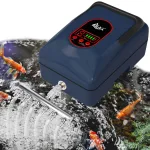




Add comment
You must be logged in to post a comment.