
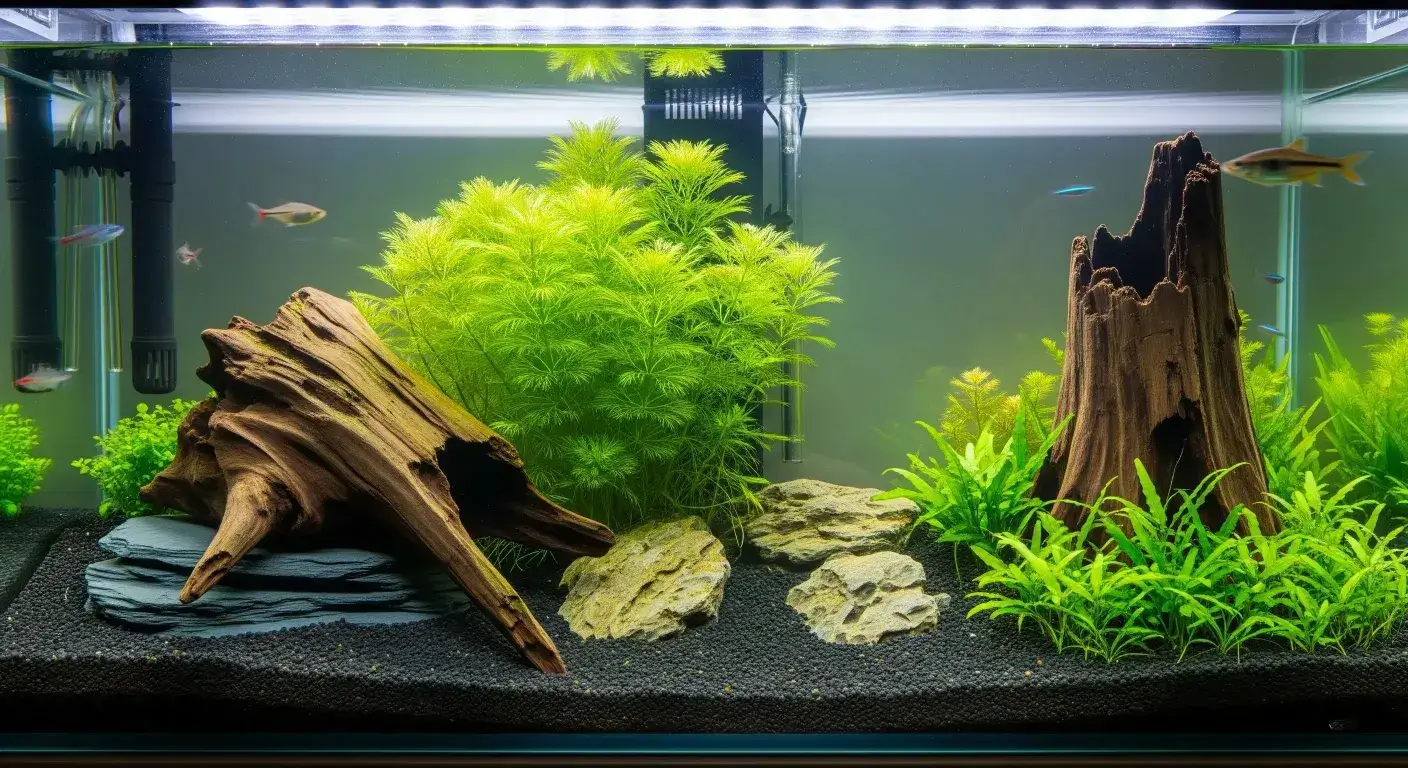
Decorating your aquarium is honestly one of the best parts of fish keepings, especially after setting up your first qauarium for beginners. You get to arrange everything just right: the plants, that perfect gravel color, maybe some cool DIY decorations. And then you add that piece of driftwood, which gets on your head because it doesn’t sink. It just sits there on the surface like a stubborn log that’s showing no positive signs. Experiencing this currently? Well, you’re not alone.
We know it’s very annoying, but here’s the thing: getting that driftwood to sink isn’t just about making your tank look good. It’s also about keeping everything stable. Floating driftwood can bump into your filter, stress your fish, and basically mess up the whole vibe you’re going for. Don’t worry, though, here are some tips on how to sink floating driftwood:
Boiling or Soaking Driftwood in Hot Water
Using Rocks or Aquarium Decorations to Secure Driftwood
Attaching a Lead or Fish Sinker to Driftwood
Tying Driftwood to a Heavy Object
Choosing a Type of Driftwood That Sinks Faster
Wondering which types of driftwood are actually worth buying or how to pick one that won’t give you a headache? Then we’ve got you covered. Stick around to learn how to choose the right piece and keep your tank looking crystal clear.
Why Your Driftwood Floats in Aquariums
Your driftwood isn’t broken or anything. It’s just doing what wood naturally does. When wood dries out, it gets packed with tiny air bubbles. You know how a sponge floats? Same idea – all those little air spaces make the wood lighter than water. The less dense your piece is, the more it’s going to float around. Eventually, water will work its way into those air pockets and replace the air. But that can take forever.
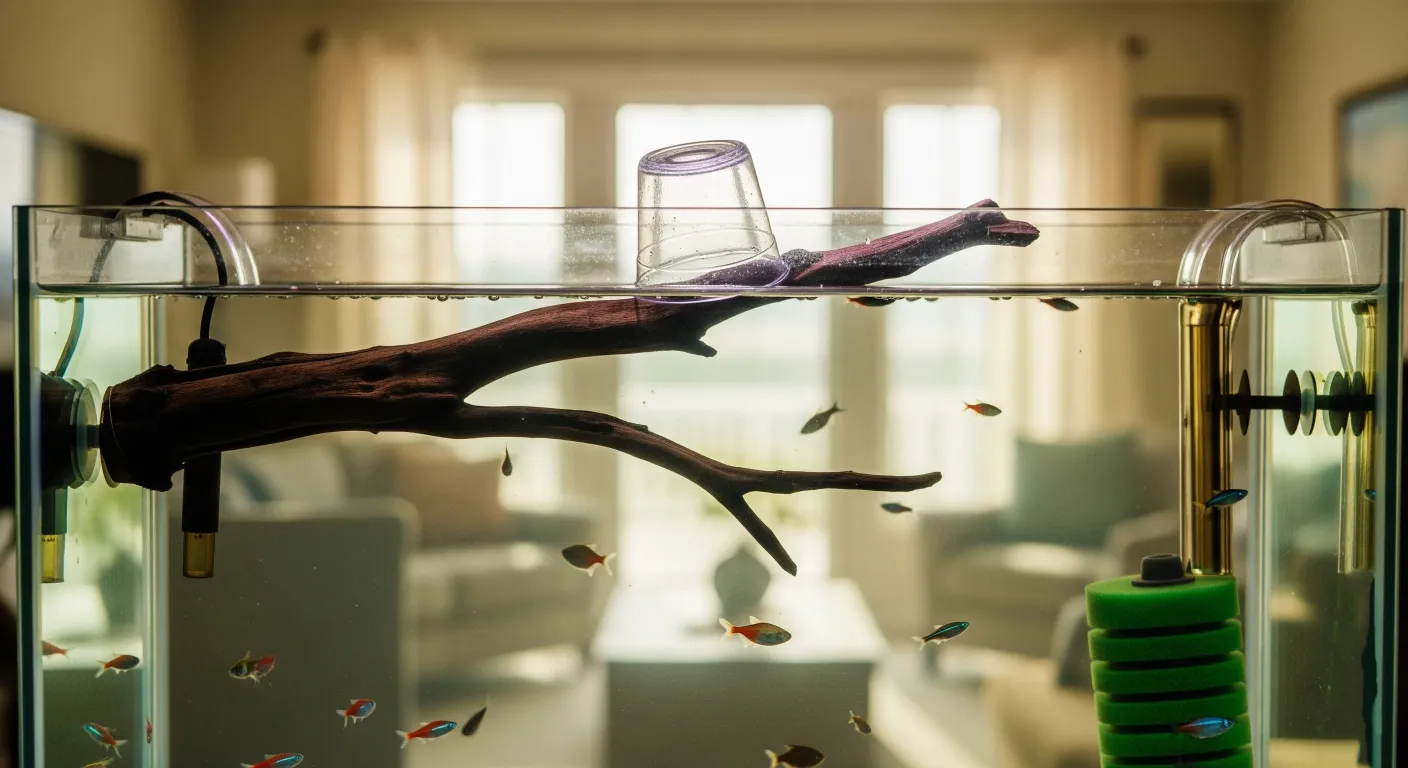
And in the meantime? Your beautiful aquascape looks like someone tossed a stick into it. Plus, floating driftwood is more than just an eyesore. It can bump into your filter or heater, stress out your fish, and block light from reaching your plants, and we know nobody wants that.
However, not all driftwood is created equal. Some types are way easier to work with than others. Here are some common ones to know:
Malaysian Driftwood: This is your best friend. Dense and heavy, so it usually sinks pretty quickly without much fuss.
Mopani Wood: Solid choice, it might float for a bit at first, but it’ll go down without too much trouble.
Cholla Wood: Super light and basically wants to live on the surface forever. Prepare for a battle.
Spider Wood: Looks amazing with all those branches, but it’s another stubborn floater that’ll test your patience.
Manzanita Wood: Beautiful grain, but this stuff can take weeks to sink on its own.
Why Sinking Driftwood Is Important
If you’re thinking the piece of floating wood is just ruining your aquarium look, then you’re wrong, BIG TIME! Beyond its visual appeal, sinking driftwood has an impact on both the appearance and health of your tank. Here’s how:
Provides stability and security to aquascapes.
Enhances natural appearance and fish habitat.
Prevents driftwood from moving or damaging aquarium equipment.
Common Challenges When Sinking Driftwood
Even after doing everything the right way, driftwood still manages to be there. Here are the most annoying issues you might deal with:
Time Delay: Fresh driftwood can take forever to sink naturally. We’re talking days or even weeks of waiting around. Who has time for that?
Tannin Release and Water Discoloration: Your driftwood is going to turn your crystal clear water into something that looks like weak tea. It’s natural, but it’s not exactly the look you’re going for.
Difficult-to-Sink Woods: Some pieces are just stubborn. The bigger or denser they are, the more they’ll fight you. You might need to get creative with multiple methods.
Sound familiar? Don’t stress about it. We’re about to discuss with you five solid methods that actually work below.
5 Effective Tips to Sink Driftwood Quickly
If you’re still wondering how to actually make that stubborn piece of driftwood, then below are some useful tips to do this smoothly and safely.
1. Boil or Soak Driftwood in Hot Water
This is probably the most popular method, and for good reason. Boiling your driftwood does two things at once. It forces water into those stubborn air pockets and pulls out the tannins that’ll turn your tank brown.
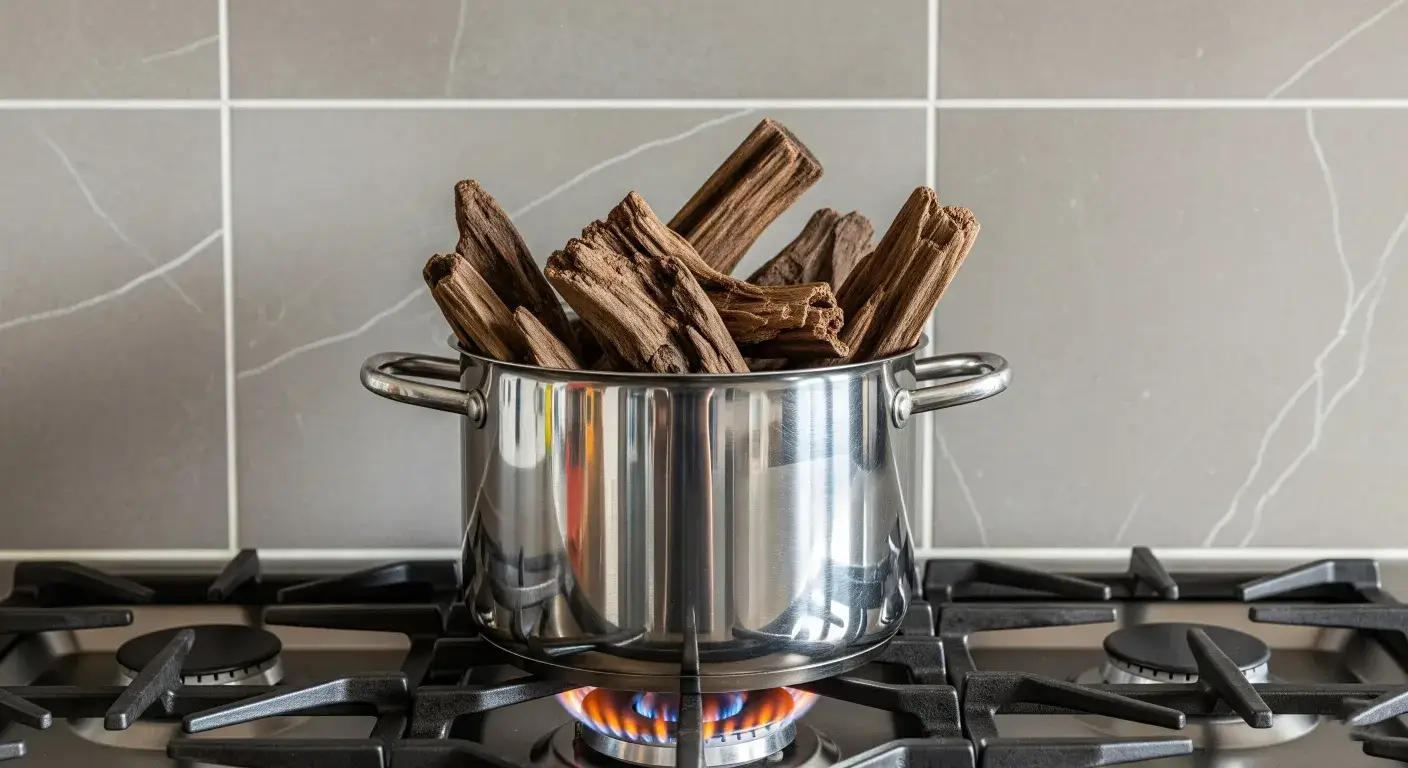
Got a piece that’s too big for your biggest pot? No problem. Just soak it in a container with hot water. You might be required to do this for some hours or a few days, depending on your specific case. Pro tip: change out the water when it cools down or starts looking like coffee. Trust me, you’ll know when it’s time.
2. Use Rocks or Aquarium Decorations to Secure Driftwood
You know what works really well? Just grab some rocks and stick them on top of your driftwood. Seriously, that’s it. You just need some decent-sized aquarium-safe rocks, nothing too heavy that’ll crack your glass, but heavy enough to keep that wood from floating up. Place them around the base or even right on top if you have to.
The best part? You’re not messing with the wood itself. Once it finally soaks up enough water to sink on its own, you can move the rocks wherever you want. Just watch out that you’re not blocking your filter or squishing any plants you’ve got growing nearby.
3. Attach a Lead or Fish Sinker to Driftwood
Here’s where you get a little creative. Fishing sinkers or lead weights can be your best friend here. Tie them to the base or underside of your driftwood with fishing line or aquarium-safe zip ties.
The key is being sneaky about it – you want the weight there, but you don’t want it obvious. Just double-check that whatever metal you’re using won’t corrode in your tank. This is especially important if you’re running saltwater.
4. Tie Driftwood to a Heavy Object
Similar idea, but think bigger. Grab a piece of slate or ceramic tile and tie your driftwood to it. Some people use aquarium silicone for a more permanent setup. This works great for those weird-shaped pieces that just won’t cooperate.
You can hide the whole thing under your substrate, and once the wood finally gets waterlogged, you can either remove the tie or just leave it buried. Out of sight, out of mind.
5. Choose a Type of Driftwood That Sinks Faster
Sometimes it’s easier to just buy the right wood from the start. Dense woods like Malaysian or Mopani are going to sink way faster than that lightweight stuff that fights you for weeks. Most of us learn this the hard way. You spend way too much time wrestling with cheap driftwood that just won’t cooperate. It’s better to just pay a little extra for the good stuff.
Malaysian driftwood, especially, that stuff usually sinks within a day or two. Here’s a tip: when you’re at the store, ask if they’ve already soaked the wood. Some places do the prep work for you and sell driftwood that’s ready to drop right in your tank. Yeah, it costs more, but your time is worth something too.
worth something too.
Additional Tips & Best Try
Got a really stubborn piece? Here are some bonus tips that can save you a lot of headaches:
Test It First: Before you put that driftwood in your main tank, try soaking it in a separate container. This way, you can see how floaty it is and deal with all those tannins without turning your beautiful tank into brown soup.
Mix and Match: Don’t be afraid to combine methods. Really stubborn pieces might need the full treatment – boiling, soaking, AND weights. Sometimes you just have to throw everything at it.
Fix Brown Water Fast: If your tank water looks like tea, toss some activated carbon in your filter. It’ll clear up that tannin staining pretty quickly.
Stay Safe: This should be obvious, but don’t use random household glues or wires on your driftwood. Stick to aquarium-safe stuff only. And always give everything a good rinse before it goes in your tank.
Conclusion
Getting your driftwood to sink might seem like a small thing, but it actually makes a huge difference in how your tank looks and functions. Nobody wants a floating log ruining their aquascape, right?
We’ve covered why driftwood floats, which types are easier to work with, and those five solid methods to get it down: boiling, using rocks, adding weights, tying it down, or just buying better wood from the start. Whether you’re dealing with a tiny piece or something big, if you follow everything as we’ve discussed above, you’ll get the job done.
Lastly, never think that you can make everything happen in just a finger snap. Driftwood will continue to act stubborn and annoy until it finally soaks enough water to go down. If you’re new to fish-keeping, know that you might have to try different approaches before you get something that works. So learning never stops!
FAQs
1. How long does it take driftwood to sink?
Honestly, it depends on what you’re working with. Dense woods like Malaysian driftwood might go down in a few days, but lighter stuff like spider wood can float around for weeks.
2. How to select the best driftwood for my tank?
Pick something that actually fits your tank. Make sure it’s labeled aquarium-safe, and if you want to save yourself some hassle, go for dense types like Malaysian or Mopani. They sink faster and cause fewer headaches.
3. Will the driftwood turn my tank water brown?
Yep, probably. That’s tannins leaching out of the wood, and it’s totally normal. Won’t hurt your fish, but it’ll make your crystal clear water look like weak tea. Boiling and pre-soaking helps reduce this, and if you still get brown water, just toss some activated carbon in your filter.
3.7 Gal Aquarium Kit: Filter, 10-Color Light, Self-Cleaning,...
Original price was: $81.99.$77.39Current price is: $77.39.



Add comment
You must be logged in to post a comment.