
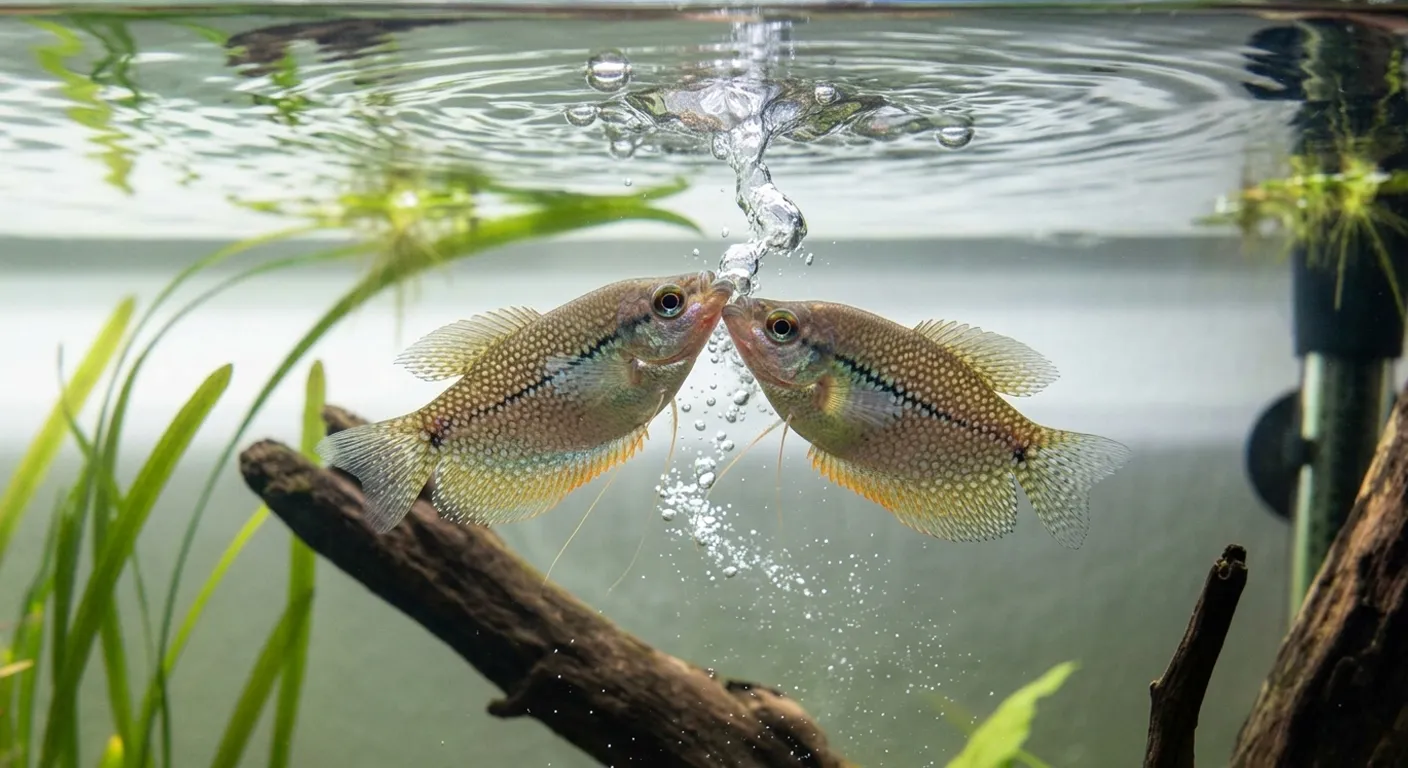
Watching your fish chase, nip, or repeatedly target one tankmate can leave you unsure whether this is ordinary behavior or a warning sign. In many cases, occasional chasing is part of normal social or territorial activity among community fish. But constant pursuit, torn fins, a fish hiding for hours, or one tankmate unable to eat means the aggression has crossed into a genuine welfare problem.
This guide walks through how to tell harmless posturing apart from dangerous aggression, what actually causes fish to fight in a shared aquarium, and the practical steps that stop it and keep it from returning.
Table of Content
ToggleIs It Normal Chasing or Dangerous Fish Aggression
Fish establish pecking orders. Many species chase, flare, or display toward tankmates as a way of settling who controls a territory or feeding spot. This is normal and usually resolves within a day or two once the hierarchy is clear. The behavior becomes a problem when one fish can no longer rest, hide safely, or reach food without being chased off.
| Normal Behavior | Dangerous Aggression |
| Brief chasing that ends quickly | Chasing that continues for hours or days |
| Occasional fin flaring or posturing | Torn, shredded, or bleeding fins |
| Fish briefly retreats, then resumes normal activity | Fish hides constantly and will not come out to eat |
| Minor pecking during feeding | One fish is blocked from feeding entirely |
| Temporary color changes during a dispute | Rapid breathing, clamped fins, or visible stress marks |
If you notice physical damage, nonstop pursuit, or a fish that cannot feed, treat it as an urgent welfare issue. This is not harmless community tank behavior, and it needs a response right away.
What to Do Immediately if a Fish Is Being Attacked
When aggression is severe, act first and diagnose the cause afterward.
Separate the fish at risk.
Move the injured or relentlessly harassed fish to a cycled hospital aquarium, an isolation box, or a safe temporary setup. Separation protects the fish from further injury, but it does not solve the underlying issue on its own. You still need to figure out why the fighting started.
Test the water
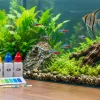
Check ammonia, nitrite, nitrate, temperature, and any other parameters relevant to your species. Poor water quality or unsuitable conditions can trigger sudden aggression, reduce appetite, and raise stress levels across the whole tank. A fish that feels physically unwell is far more likely to lash out or become an easy target.
Reduce immediate competition
Add a temporary visual barrier, dim the aquarium lights, and offer small amounts of food in several locations if the conflict centers on feeding. These steps buy time. Keep watching closely rather than assuming the problem has already been resolved.
Why Do Fish Fight in a Community Tank
Successful treatment starts with identifying the actual trigger. More than one cause can apply at the same time, so it helps to rule things out methodically rather than guessing.
1. Territorial aggression
Fish often stake claims around caves, driftwood, dense plants, filters, or a particular corner of the aquarium. Once a territory is established, any tankmate that enters it may be attacked on sight. Rearranging the hardscape can interrupt these claims and reset the tank’s balance.
2. Incompatible species or predatory behavior
A fish may direct aggression toward a specific body shape, fin type, color, or size rather than an individual. It helps separate normal bullying from predation. A larger fish capable of eating a smaller tankmate does not become safe simply because you add more decoration. Some combinations are incompatible no matter how the tank is arranged.
3. A tank that is too small or overcrowded
Limited swimming space, too few available territories, and constant physical contact all drive conflict. Rather than relying only on a simple fish per gallon rule, consider each species’ adult size, activity level, and natural behavior when planning your stocking.
4. Too few hiding places or visual barriers
Plants, driftwood, rockwork, caves, and tall décor create separate zones within the tank. They give a weaker fish somewhere to go where it leaves the aggressor’s line of sight. Without these breaks, one dominant fish can effectively see and control the entire aquarium.
5. Food competition
Faster or bolder fish often dominate a single feeding spot. This leaves slower or more timid fish underfed and increasingly stressed over time, which can make them targets even outside of feeding.
6. Breeding behavior and incorrect sex ratios
Nesting fish, spawning pmale-heavy heavy groups, and livebearer setups where a single female is continuously pursued all produce aggression rooted in reproduction rather than territory or food. This type of conflict often needs a different fix than rescaping alone.
7. Schooling and hierarchy stress
schooling species become anxious or single out individuals when kept in groups that are too small for their natural social structure. On the other hand, keeping too many territorial fish together in one tank can increase the overall level of conflict rather than diluting it.
8. Illness, stress, and unstable water conditions
A normally peaceful fish that suddenly changes behavior should be checked for illness, injury, unsuitable water parameters, or a recent environmental change. Sudden aggression is sometimes the first visible sign that something else is wrong.
| Cause | Right Fix |
| Territorial aggression | Rearrange caves, wood, and plants to disrupt claimed space |
| Incompatible species | Rehome the incompatible fish; do not rely on décor alone |
| Overcrowding | Reduce stocking or upgrade to a larger aquarium |
| Too few hiding spots | Add more plants, wood, rockwork, and sight breaks |
| Food competition | Feed smaller portions in multiple spots around the tank |
| Breeding behavior | Adjust sex ratios or separate breeding individuals |
| Schooling stress | Increase group size or reduce the number of territorial species |
| Illness or water issues | Test parameters and treat the underlying health problem |
Use this table to narrow down the likely cause before making any changes. In many aquariums, several of these factors contribute to the aggression at once, so addressing only one may not fully resolve it.
How to Stop Fish Fighting for Good
This is the crux of the solution. Keep each step practical and focused on action rather than theory.
1. Rearrange the aquascape to reset territories
Move caves, rocks, driftwood, plants, and ornaments rather than simply adding one small decoration to the existing layout. A full rearrangement disrupts established territory boundaries and forces fish to explore new routes, which interrupts the aggressor’s sense of ownership over the space.
2. Add more hiding places and sight breaks
Bring in live plants, floating plants, tall stem plants, driftwood, caves, and rockwork, then distribute them across the entire aquarium rather than clustering them in one area. Spreading the décor out matters because it prevents a single dominant fish from controlling every available shelter.
3. Improve feeding strategy
Offer smaller portions at different ends of the tank instead of one large feeding in a single spot. Combine floating, slow-sinking foods and sinking foods where appropriate, so fish feeding at different water levels can eat without competing directly with each other.
4. Review tank size and stocking levels
Consider each fish’s adult size, activity level, territorial tendencies, water requirements, and required group size, not just the number of fish you currently have. When space genuinely is the root problem, reducing your stocking or upgrading to a larger aquarium is often the only fix that lasts.
Should You Use a Mirror to Distract an Aggressive Fish?
Placing a mirror outside the tank can temporarily redirect a territorial fish’s attention toward its own reflection. This is sometimes usedshort-termt term distraction technique, but it comes with clear limitations.
Use it only under close supervision and for short periods.
Stop immediately if the fish becomes frantic, stressed, or exhausted.
Do not rely on it to solve overcrowding, poor compatibility, or insufficient territory.
For most freshwater community tanks, rescaping the aquarium, correcting the stocking plan, and separating the affected fish remain far more reliable first steps than a mirror trick.
How to Prevent Fighting When Adding New Fish
Quarantine new fish first. A separate quarantine period protects your established tank from illness and gives the new fish time to settle before facing competition.
Introduce compatible fish in suitable groups. Adding schooling species in proper numbers, rather than one or two at a time, reduces the chance that a single newcomer becomes an isolated target.
Rearrange décor before release. Shifting the layout just before adding new fish resets territories for everyone at once, so no single fish holds an established advantage.
Add fish when the lighting is low. Introducing new tankmates during dim lighting, such as just before the tank lights turn off, tends to reduce the intensity of initial confrontations.
Keep a backup plan. Have a hospital tank or isolation container ready in case a new fish is targeted and needs to be separated quickly.
When You Need to Change the Stocking Plan
Sometimes the fix is not rearrangement or patience. It is a change to which fish share the tank. Consider adjusting your stocking plan when any of the following apply.
A fish repeatedly causes torn fins, wounds, or prolonged stress in a tankmate.
The aquarium cannot provide enough space or separate territories for the fish you currently keep.
A fish has grown too large or too predatory for the rest of the community.
Breeding behavior makes continued cohabitation unsafe for one or more fish.
You have tried safe environmental changes, but the aggression keeps returning.
One fish cannot eat, rest, or move freely without being targeted by another.
Conclusion
Recognizing harmful fish aggression early, protecting the targeted fish, and identifying the true cause are the foundation of a peaceful community tank. Fighting can usually be reduced through a better tank layout, appropriate stocking, a smarter feeding strategy, and genuine attention to species compatibility.
Do not focus only on the aggressive fish itself. Check water quality, available space, hiding places, group size, breeding behavior, and tankmate compatibility to find the real trigger behind the conflict. Observe, and if a fish is unable to feed, rest, or swim safely, isolate or relocate it without delay. A calmer tank usually comes down to a few deliberate changes, made in the right order.
Related Products For Your Reference
3.7 Gal Aquarium Kit: Filter, 10-Color Light, Self-Cleaning,...
40-50 Gal Fish Tank Stand, 5 in 1...
AQQA Automatic Fish Feeder, 12H/24H/48H Timer, 110ml Capacity,...
AQQA 200ML Auto Fish Feeder, Quiet Smart Timer...




Add comment
You must be logged in to post a comment.