
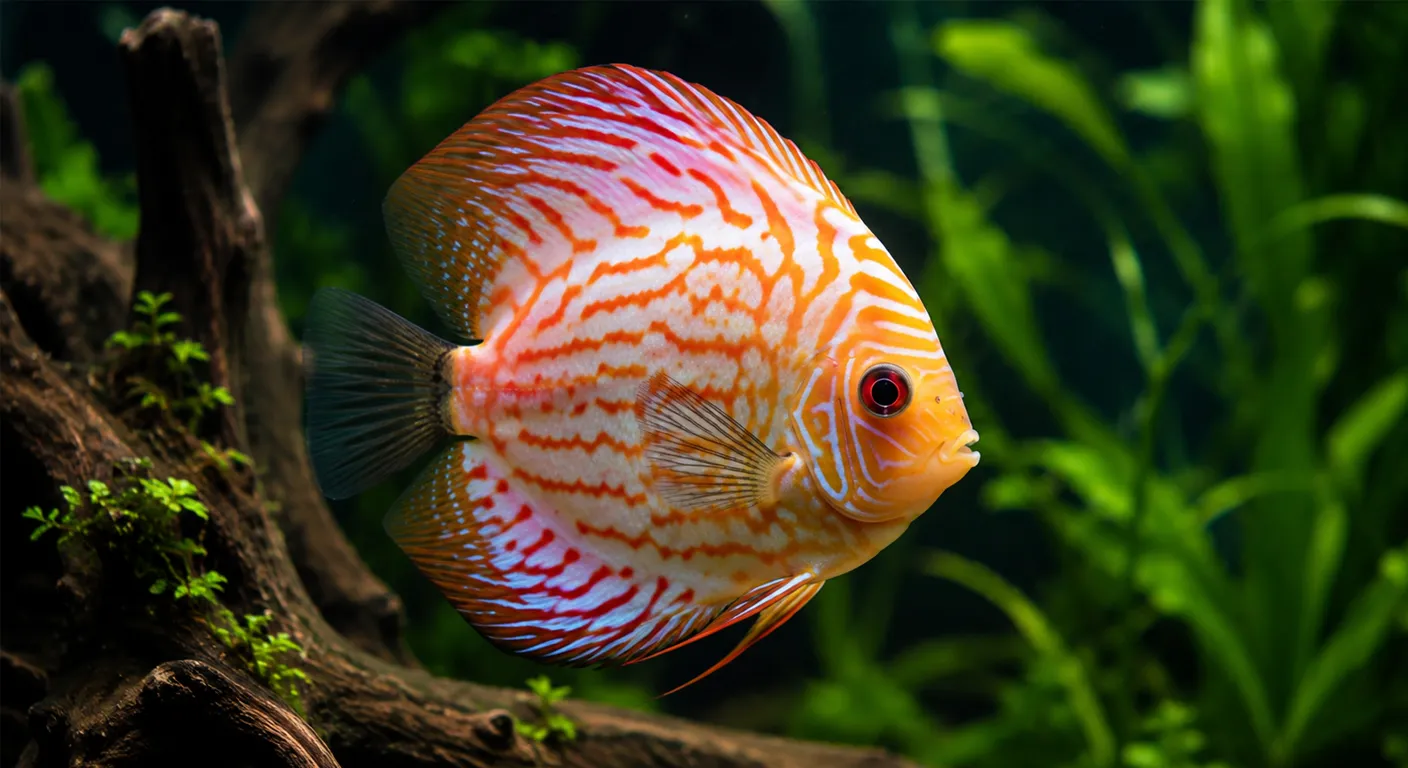
Walk into any fish store. You’ll see them everywhere. Tiny, colorful, peaceful-looking little things. You buy one. It fits in your palm. Weeks later, it’s dead…or it’s eaten everything else in the tank. Or it’s grown so big you don’t know what to do with it. Happens all the time.
The hardest freshwater fish aren’t always rare or expensive. They’re just the ones that keep failing in normal home tanks. Bad water sensitivity. Massive adult size. Weird diets. Aggression. That’s what makes them hard. Not the price.
This guide ranks the top 9 by real-world difficulty, fills gaps in typical lists like adult sizes and setup specifics, and offers practical swaps for each one.
What Makes Fish Hard to Keep
“Hard” isn’t just fragility. It’s any factor that consistently causes failure in typical 20–55-gallon home tanks.
Water sensitivity: Some fish need parameters so exact that a small pH shift can kill them within hours. Tap water straight from the faucet won’t work for these species.
Adult size/bioload: That tiny fish in the store grows. Fast. Some outgrow a 75-gallon tank. The waste they produce overwhelms most home filters completely.
Diet issues: Some refuse dry food. Others need live or frozen meals regularly. A few need specific plant matter or they starve, even while eating.
Behavior: Aggression, fin nipping, territory wars. Some fish wreck a community tank no matter what you do. Others get bullied until they stop eating.
Tank maturity: Some species need a fully cycled tank that’s been running for months. Put them in a new setup and they crash fast.
9 Hardest Freshwater Fish to Keep
These fish show up in pet stores constantly. They’re beautiful, they’re affordable, and they’re regularly sold to people who have no idea what they’re getting into. Here’s the full picture.
Quick Difficulty Table
| Fish | Main Fail Point | Min Tank | Best For |
| Discus | Water sensitivity | 75 gal | Experienced keepers |
| Otocinclus | Starvation/stress | 20 gal | Stable, mature tanks |
| Glass Catfish | Parameter swings | 30 gal | Calm, established tanks |
| Pacu | Adult size | 300+ gal | Public aquariums |
| Bala Shark | Schooling/size | 150 gal | Large, experienced setups |
| Silver Arowana | Size/aggression | 250 gal | Expert keepers only |
| African Cichlid | Aggression | 55 gal | Species-only tanks |
| Red-Tailed Shark | Territorial aggression | 55 gal | Single-specimen tanks |
| Plecostomus | Size/bioload | 100 gal | Large, mature tanks |
1. Discus
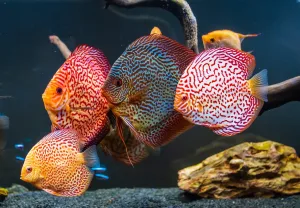
Discus are stunning. Deep, disc-shaped bodies, vivid colors, and almost regal in the way they move through the water. It’s easy to see why beginners fall for them. What most people don’t anticipate is how unforgiving they are to keep. Their water requirements are some of the strictest of any freshwater fish, and standard home aquarium setups almost always fall short.
Also Read: Care Guide for Discus Fish – The King of the Aquarium
Key challenges: Require soft, acidic water with very low hardness. Highly sensitive to ammonia, nitrite, and even small pH shifts. Prone to disease under stress.
Tank needs: 75 gallons minimum. Water temperature between 82–86°F consistently. Pristine water quality with frequent changes, some keepers do daily water changes.
Why beginners fail: Most home tanks run cooler and harder than discus can tolerate. Any inconsistency in water quality shows up fast on these fish.
Better alternative: Bolivian Ram. Similar shape and color appeal, far more forgiving water requirements, and genuinely peaceful in a community tank.
2. Otocinclus
Otocinclus are tiny algae eaters, usually sold as the perfect cleanup crew. They’re small, non-aggressive, and look harmless. The problem is they’re incredibly fragile in transit and almost always arrive at stores already stressed. On top of that, once the algae in your tank runs out, they starve, and most people don’t realize it’s happening until it’s too late.
Key challenges: Extremely sensitive to water quality. Don’t adapt well to new tanks. Struggle to find enough food once algae are depleted.
Tank needs: Minimum 20 gallons. Soft, slightly acidic water. Mature tank with natural algae growth already established before adding them.
Why beginners fail: Added to new tanks with no algae. Supplemental feeding with vegetables or algae wafers is skipped. They slowly waste away.
Better alternative: Bristlenose Pleco. Hardier, easier to feed, it does the same algae-cleaning job without the fragility.
3. Glass Catfish
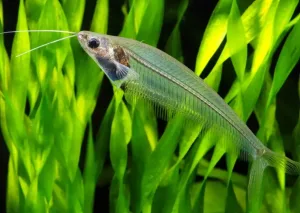
Glass catfish are unlike anything else in the hobby. Completely transparent, you can literally see their spine and organs. They’re fascinating. They’re also extremely sensitive and don’t handle change well at all. Even a routine water change done too fast can send them into shock.
Key challenges: Need very stable water parameters. Highly sensitive to sudden changes in temperature or chemistry. Stressed easily by aggressive tankmates or loud environments.
Tank needs: 30 gallons minimum. Soft, slightly acidic water. Calm, peaceful tankmates only. Kept in groups of at least six, they don’t do well alone.
Why beginners fail: Being kept in small numbers causes chronic stress. Added to unstable or newly set up tanks. Parameters shift, and they decline quickly.
Better alternative: Cory Catfish. Hardy, social, peaceful, and far more forgiving of beginner mistakes.
4. Pacu
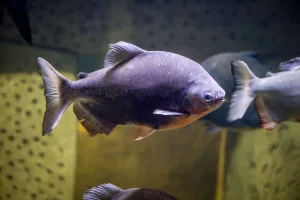
Pacu look like piranhas, because they’re closely related. In the store, they’re usually a few inches long and seem manageable. They are not. These fish grow to over three feet and can weigh 60 pounds. Read the detailed breakdown of just how large these fish get. They belong in public aquariums, not living rooms.
Key challenges: Grow to an enormous size rapidly. Produce massive amounts of waste. Become destructive and hard to manage as adults.
Tank needs: 300+ gallons for a single adult. Extremely powerful filtration. Not a realistic home aquarium fish at full size.
Why beginners fail: Bought a small size without researching the adult size. Outgrow every tank upgrade the owner can afford.
Better alternative: Silver Dollar Fish. Same general look, related species, stays at a manageable 6 inches.
5. Bala Shark
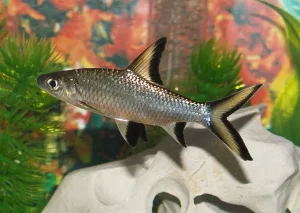
Bala sharks are fast, sleek, and impressive to watch. They’re also schooling fish that need to be kept in groups, and they grow to 14 inches. One bala shark alone is a stressed bala shark. A proper group of them needs a tank that most home setups can’t provide.
Key challenges: Need to be kept in schools of at least four to six. Grow large fast. Skittish and prone to injury from sudden movements or loud noises.
Tank needs: 150 gallons minimum for a proper school. Strong filtration. Tight-fitting lid, they jump.
Why beginners fail: Bought as a single fish or in pairs. Tank too small. Jump out overnight.
Better alternative: Active, schooling, colorful, and stays at a size most community tanks can handle.
6. Silver Arowana
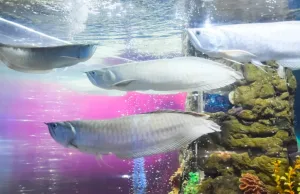
Silver Arowana are prehistoric-looking, surface-dwelling predators that can reach four feet in length. Read about their biology and care needs thoroughly here. They’re sold as juveniles that fit in a 20-gallon. Within a year, that tank is a joke.
Key challenges: Rapid growth rate. Predatory, will eat anything that fits in their mouth. Extremely powerful jumpers.
Tank needs: 250 gallons minimum for an adult. Extremely secure lid. Kept alone or only with fish too large to be eaten.
Why beginners fail: Growth rate catches people completely off guard. No tank upgrade plan in place.
Better alternative: African Butterfly Fish. Similar surface-dwelling behavior, stays small, far more manageable.
7. African Cichlid
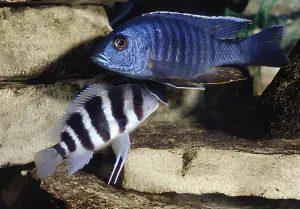
African cichlids are bold, colorful, and full of personality. They’re also aggressive, territorial, and will rearrange your entire tank overnight. Here’s an overview of the different species and their behavior. Mixing them with the wrong fish, or even the wrong cichlids, is a recipe for a bloodbath.
Key challenges: High aggression, especially among males. Need specific water hardness and alkalinity. Dominant fish will bully weaker ones to death.
Tank needs: 55 gallons minimum. Hard, alkaline water. Overstock slightly to spread aggression. Lots of rock caves and hiding spots.
Why beginners fail: Mixed with peaceful community fish. Not enough hiding spots. Water parameters don’t match their African lake origin.
Better alternative: German Blue Ram. Cichlid personality in a much calmer, community-friendly package.
8. Red-Tailed Shark
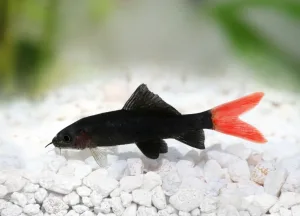
The red-tailed shark looks incredible, jet black body, bright red tail. It also has a serious attitude problem. It will claim the bottom of your tank as its territory and defend it aggressively against anything that comes close. In smaller tanks, there’s nowhere for other fish to escape.
Key challenges: Highly territorial, especially toward its own kind and bottom-dwelling species. Gets more aggressive as it matures.
Tank needs: 55 gallons minimum. Kept alone, never two in the same tank. Plenty of caves and structures to break up sightlines.
Why beginners fail: Kept with other bottom dwellers. Tank too small to dilute aggression. Often paired with another red-tail, which ends badly.
Better alternative: Rainbow Shark. Similar look, slightly more manageable temperament in a larger tank.
9. Plecostomus
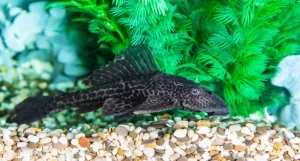
The common pleco is in almost every beginner tank. Stores sell them as algae cleaners. What they don’t mention is that a common pleco grows to 24 inches and produces an enormous amount of waste, far more than most tanks can process. Read the full care requirements and size expectations here.
Key challenges: Outgrows most home aquariums completely. Heavy waste producer that overloads filtration. Needs driftwood in the diet, or digestive issues follow.
Tank needs: 100 gallons minimum for an adult. Powerful filtration. Driftwood is a permanent fixture, not optional.
Why beginners fail: Bought for algae control in small tanks. Growth rate underestimated. Filtration can’t keep up with the bioload.
Better alternative: Bristlenose Pleco. Stays under 6 inches, does the same job, and works in tanks as small as 30 gallons.
Tank Setup Requirements
Hard fish fail on setup more than anything else. Match the biology, not just the tank size.
Filtration: Oversize it. Whatever the box says your filter handles, go bigger. Hard fish produce more waste and need more biological filtration than average.
Stability first: Consistent temperature and stable parameters matter more than hitting a perfect number. Swings kill fish faster than slightly imperfect water.
Substrate/plants: Research what your fish came from. Sandy substrate for bottom dwellers. Live plants for species that need cover. Bare bottoms stress certain fish out completely.
Lighting/flow: Some species need low light and gentle flow. Others need a strong current to feel at home. Getting this wrong causes chronic low-level stress that shortens lifespans.
Beginner Mistakes to Avoid
Here are beginners mistakes that you should care about:
Buying fish before researching their adult size and real tank requirements
Skipping the nitrogen cycle and adding fish to a tank that isn’t ready
Feeding the wrong food or too much of it, leading to water quality problems
Running undersized or under-maintained filtration for the fish being kept
Stocking incompatible species together based on looks rather than behavior and water needs
Conclusion
These nine fish show up in pet stores everywhere. Discus, Otocinclus, Glass Catfish, Pacu, Bala Shark, Silver Arowana, African Cichlid, Red-Tailed Shark, Plecostomus, all of them get sold to beginners regularly. This guide went deep into why they fail, what the real tank requirements look like, and what you can keep instead if you’re not ready for the challenge yet.
Before you buy anything, do the homework. Check the filter, the lid, the heater, and your water parameters regularly. Most aquarium crashes aren’t bad luck, they’re avoidable mistakes that built up quietly over time.
Mastering these fundamentals isn’t just about keeping difficult fish alive. It saves you money, saves you frustration, and most importantly, it’s better for the fish.
AQQA 5-in-1 Aquarium Gravel Cleaner Set For Removing...
Original price was: $35.59.$30.39Current price is: $30.39.












Add comment
You must be logged in to post a comment.