
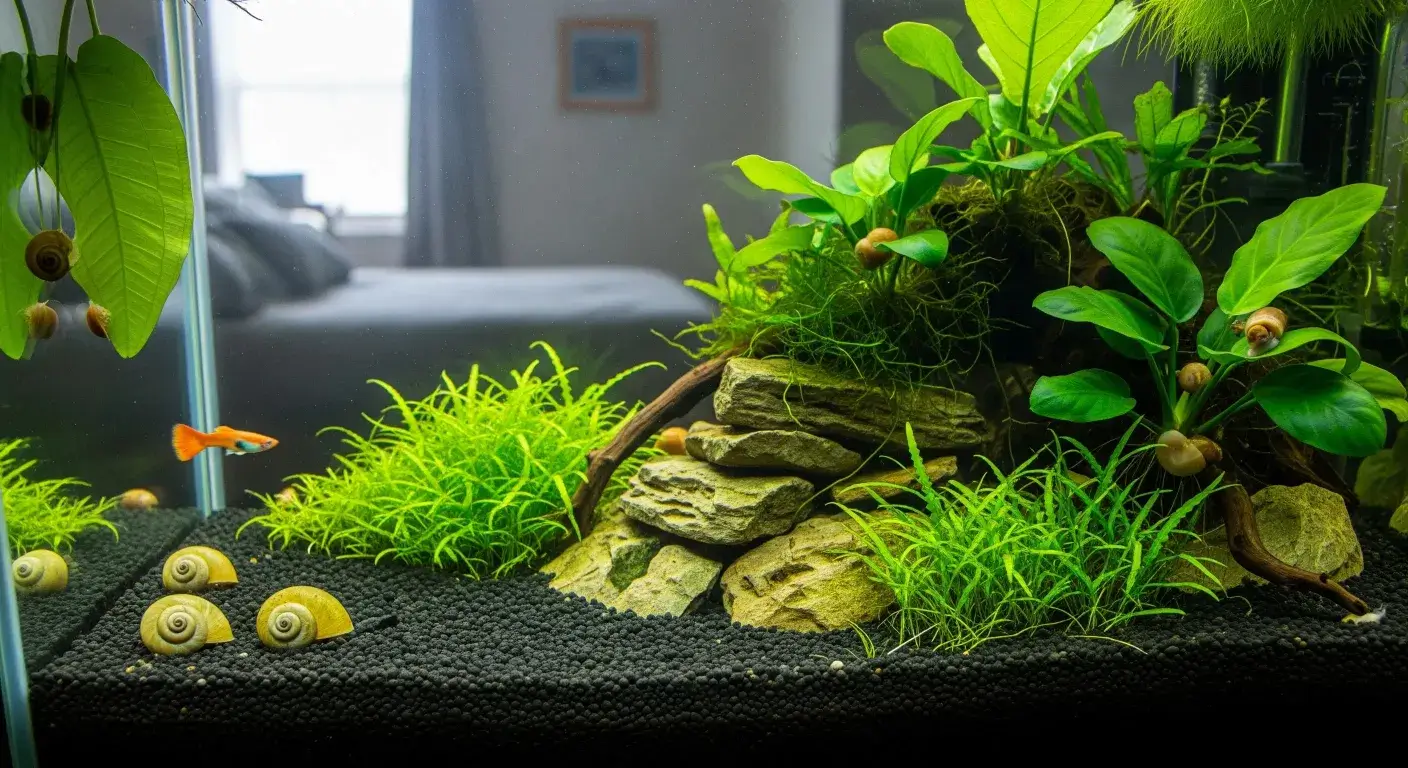
So there I was, doing my usual tank check, when I spotted this tiny snail just hanging out on the glass. But the next morning? Three of them. Day after that? Five. By the end of the week, my beautiful aquarium looked like it had been invaded by an army of little shelled creatures. That’s exactly how sneaky these pest snails can be.
I’m not saying all snails are evil or anything. Some of them are actually pretty helpful for keeping your tank balanced and clean. But pest snails? These guys multiply like there’s no tomorrow, cover every surface they can find. The thing is, once you know what you’re dealing with, getting rid of them isn’t that complicated.
It’s possible to get rid of them with these steps:
Keep your tank super clean
Just pick them out by hand (yeah, it’s that simple sometimes)
Trick them with veggie traps
Inspect your plants and decorations before adding them
Let some snail-eating fish do the dirty work
Stick around because this article will explain everything in detail. Why do these things show up out of nowhere, and how do they manage to reproduce so insanely fast? And most importantly, how to tell the difference between the good guys and the troublemakers?
Why Did Snails Suddenly Appear in My Fish Tank?
Ever wonder how these little guys got into your tank? They’re basically stowaways that hitchhike on new plants, rocks, or decorations you add. Their eggs are so tiny you’d never spot them, so you think you’re just adding some nice greenery, and boom – you’ve accidentally imported an entire snail colony. Once they’re in, leftover food and waste become their personal buffet. Here are some very common reasons why you get them:
Hitchhiking on Live Plants
The biggest culprit is usually those nice aquatic plants you pick up from the store or another hobbyist. Tiny snail eggs or baby snails love hiding on leaves, stems, and roots – basically anywhere you can’t see them.
These eggs are tough little things, too, so they survive the whole trip to your tank just fine. Skip rinsing or quarantining your new plants, and you’re basically rolling out the red carpet for these guys. Once they get comfortable, they waste no time making babies and spreading everywhere
Introduced Unknowingly
Plants aren’t the only troublemakers here. Rocks, driftwood, decorations, basically anything that’s been sitting in water somewhere else can carry these sneaky little eggs. They stick to pretty much any wet surface like glue, and you’d never know they’re there.
I’ve even seen people accidentally introduce snails by transferring filter media or gravel from another tank, or even just using water from a friend’s setup. Then they’re scratching their heads, wondering where all these snails came from. They do not realize it was something as simple as that piece of driftwood they thought looked cool.
Why Snails Are Reproducing
If you’re suddenly seeing snails everywhere, there could be many reasons. Overfeeding your fish is the biggest culprit; all that leftover food becomes their fuel to grow colonies. Throw in stable water and a cozy environment, and these guys reproduce faster than you can blink. But something you should know is that not all snails are actually bad news. Some are genuinely helpful. Let me break down the difference between the good guys and the troublemakers.

The Good Snail Vs the Pest Snail
Some snails do get the preference to stay inside your tank, while others must be removed without question. Let’s dig deeper into this and filter your tank.
What are the Main Types of Good Snails
| Snail Type | Key Benefit |
| Nerite Snail | Doesn’t reproduce in freshwater; excellent at cleaning algae |
| Mystery Snail | Peaceful; helps eat leftover food and waste |
| Japanese Trapdoor Snail | Long lifespan; doesn’t overpopulate easily |
| Assassin Snail | Eats pest snails without harming plants or fish |
| Rabbit Snail | Slow breeder; helps keep substrate clean |
Here are some of their benefits:
Naturally clean algae, debris, and leftover food.
Do not reproduce excessively in freshwater tanks.
Promote a balanced and cleaner tank environment.
What Are the Main Types of Pest Snails
| Snail Type | Key Features |
| Pond Snail | Reproduces rapidly; quickly takes over the tank |
| Bladder Snail | Tiny and sneaky; multiplies fast; hard to eliminate |
| Ramshorn Snail | Eats plants; lays visible jelly-like egg sacs |
| Trumpet Snail | Hides in substrate; can clog filters |
| Flea Snail | Very small; spreads quickly through unnoticed eggs |
Here are their hazards:
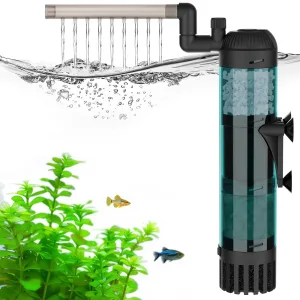
High-lift pump, easy impeller cleaning
Durable ABS, 6ft cord, versatile nozzles, suction cups
Compact design fits various tank shapes seamlessly
5 tips to remove Pest Snail Quickly
Overwhelmed with the snail invasion already? Don’t panic, it’s something that every fish keeper goes through. Below we’ve listed some practical tips to help you get rid of them.

1. Maintain a Clean Aquarium environment
Stop overfeeding: This is honestly the most important thing you can do. I know it’s tempting to give them extra treats, but anything they don’t eat in a few minutes becomes snail candy. Don’t get into the habit of leftover food and waste because that stuff is like rocket fuel for snail reproduction.
Cleaning Up Water: Those weekly water changes? Do not forget that, because it can help you get rid of food residue that snails keep munching on. They make conditions way less appealing for snails to breed like crazy.
2. Regular Manual Removal
Manual Cleaning: Yeah, it might not be something you can do without feeling gross, but it works. Choose early morning for this because that’s when these guys are most active and easiest to spot. Here are some common tools that can come in handy for this:
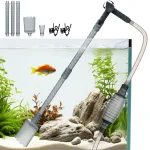
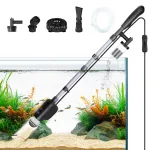
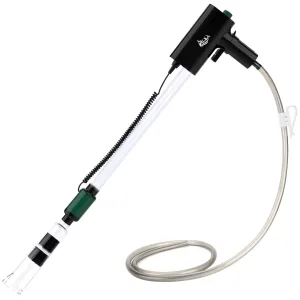
Use a Gravel Vacuum: These won’t only remove the debris inside but can also remove smaller snails and their eggs.
Try a snail catcher: Some aquarium tools are designed specifically for snail removal, letting you scrape and trap them from glass and decorations.
3. Set a Trap by a Vegetable
Bait the Snails: This one’s pretty clever, actually. Drop a slice of cucumber, zucchini, or lettuce on the tank bottom overnight and use a weight to make it sink.
Let the Snails Gather: Snails can’t resist the stuff, and they’ll swarm all over it by morning.
Get Rid of Them: Then you just lift out the veggie with all the snails attached and toss the whole thing. Do this every night for a week and you’ll see a huge difference.
4. Check Out Your New Decor
Inspect Plants and Decor: Those tiny snail eggs love hiding on plant leaves and in decoration crevices where you’d never notice them.
Rinse or Dip New Items: Give new plants a good rinse in dechlorinated water.
Quarantine When Possible: Quarantine them in a separate container for a few days to see if any unwanted guests show up.
5. Introduce snail Predators
Add Natural Predators: Assassin snails, yoyo loaches, and pea puffers are absolute snail-eating machines. Add a few of these and you’ll notice a difference.
Ensure Compatibility: Just make sure they’ll get along with your current fish and that your tank is big enough.
Use this Frequently: This approach works great for long-term control, especially if you’re the type who tends to get snail problems over and over again.
Conclusion
Snails popping up overnight and taking over your tank is something that happens to pretty much everyone in this hobby. Once you know what you’re dealing with, though, getting rid of them isn’t rocket science. We’ve covered where these little hitchhikers come from, why they multiply like crazy, and five solid ways to send them packing.
But you should not forget that not all snails are your enemy. Nerites and Mystery snails are actually awesome for keeping your tank clean and balanced. It’s those pond snails and bladder snails that become a real nightmare if you don’t catch them early. The secret is jumping on the problem fast and mixing up your approach like we’ve discussed above.
If you’re just starting out with aquariums, don’t stress about this stuff too much. We’ve all been there, staring at our tanks, wondering how things got so out of hand. Try different methods, stick with what works for your setup, and learn from the experience. Also, if something has worked for you, you might want to share it with others down below. Trust me, someone out there is dealing with the exact same problem and could really use your advice.
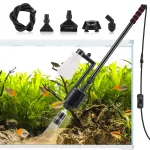
AQQA 5-in-1 Aquarium Gravel Cleaner Set For Removing...
Original price was: $35.59.$32.39Current price is: $32.39.





Add comment
You must be logged in to post a comment.