
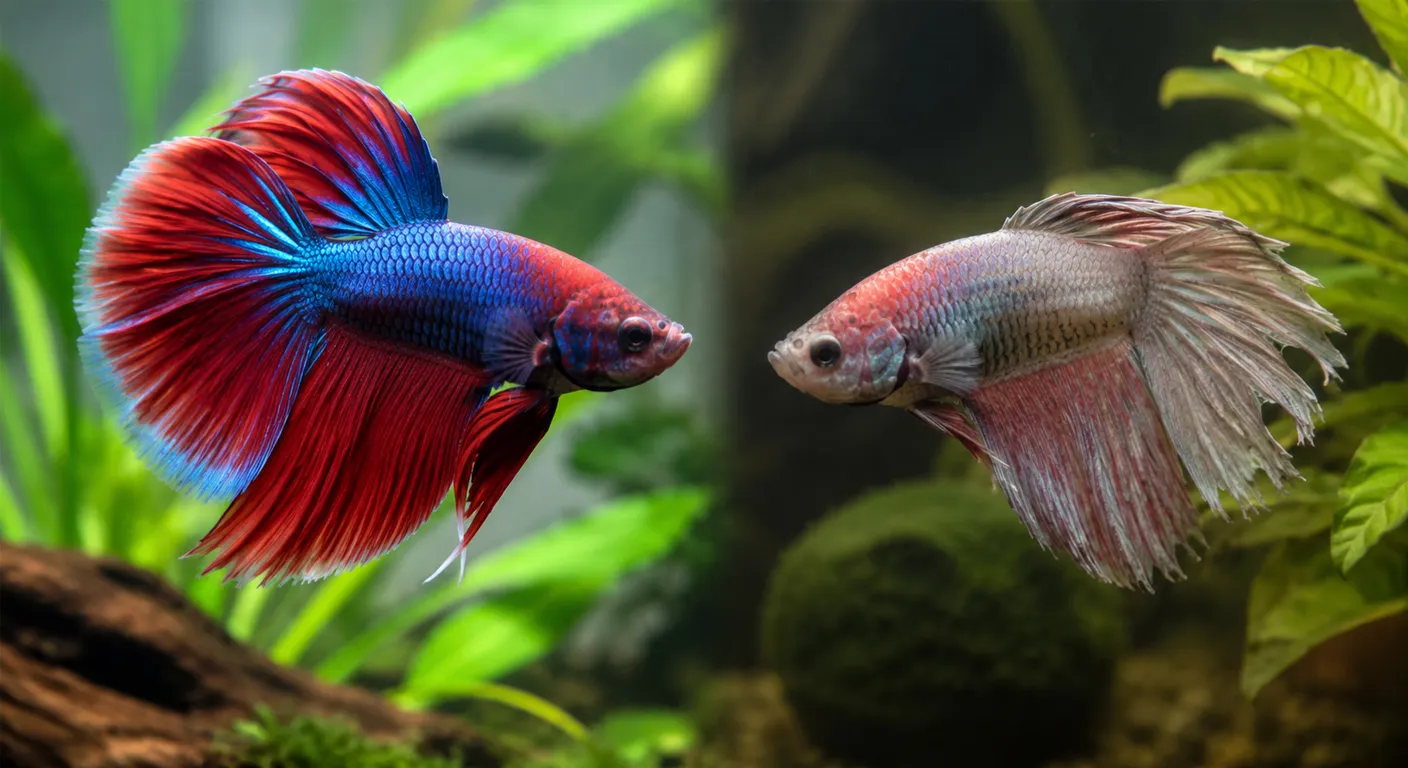
A lot of people think bettas only live a year or two. That’s one of the most common things new owners believe going in. And it usually becomes the excuse when a fish dies early. “That’s just how long they live.” But it’s not accurate.
Bettas can live three to five years with proper care. Some make it past that. The actual lifespan depends heavily on the environment you keep them in and the care they receive consistently. Not just occasionally. A betta that gets the right setup from day one has a genuinely good shot at a long, healthy life. One that spends years in a small bowl with irregular water changes doesn’t.
In this guide, we’ll cover what realistic betta lifespan actually looks like. What shortens it. What extends it. And what you can do right now to give your fish the best chance at living as long as possible.
Betta Fish Lifespan at a Glance
Most owners don’t see their betta live past two or three years. That’s the common experience. But that number reflects average home care, not what bettas are actually capable of biologically.
A betta in poor conditions might not make it past one year. A betta in an average home setup typically lives two to three years. A betta in a stable, well-maintained tank with good water quality and proper feeding can live four to five years. Some push past that in exceptional setups.
The gap between those numbers is almost entirely explained by care quality. Genetics plays a role, but environment and consistency are what most owners actually have control over.
Average vs. Biological Potential
Lifespan estimates vary so much across sources because they’re pulling from different populations of fish kept in very different conditions. An article based on pet store observations will show shorter lifespans than one based on dedicated betta keepers with optimized setups.
Some bettas die young because of poor water quality or improper temperature, or chronic stress. Others in stable conditions with good genetics live significantly longer. The biology supports a longer life. What cuts it short is usually the environment.
Healthy genetics combined with proper husbandry is the ceiling. Most fish never reach that ceiling because one or both of those things are missing.
Lifespan by Environment
| Setup | Typical Lifespan | Why |
| Bowl with no filter or heat | Under 1 year | Ammonia builds fast. Temperature is unstable. Stress is constant |
| Small unfiltered tank | 1 to 2 years | Better volume but still no biological filtration or stable temp |
| Filtered and heated tank | 2 to 4 years | Stable parameters and consistent temperature support normal aging |
| Well maintained planted tank | 4 to 5+ years | Stable water, natural environment, lower stress, better immunity |
The setup matters more than most people realize going in. It’s not about how the tank looks. It’s about how stable and clean the water stays day to day.
How Old Bettas Are When Sold
Most bettas in pet stores are not young fish. By the time they reach the store shelf, they’ve already gone through several months of growth and holding. A fish that looks like an adult in the store probably is one.
Why Purchase Age Matters
A juvenile betta bought young has more potential lifespan ahead of it than an adult bought at full color and fin development. If you buy a fish that’s already eight or nine months old and it lives two more years after that, it didn’t have a short life. It was already partway through one when you got it.
This is one of the main reasons owners feel like their betta only lived a short time. The clock didn’t start when the fish came home. It started months earlier at the breeder or distributor.
A simple example. Two owners buy bettas from the same store on the same day. One fish was three months old. One was ten months old. Both die at the same biological age. The second owner’s fish appears to have lived far less time after purchase, even though both fish lived equally long overall.
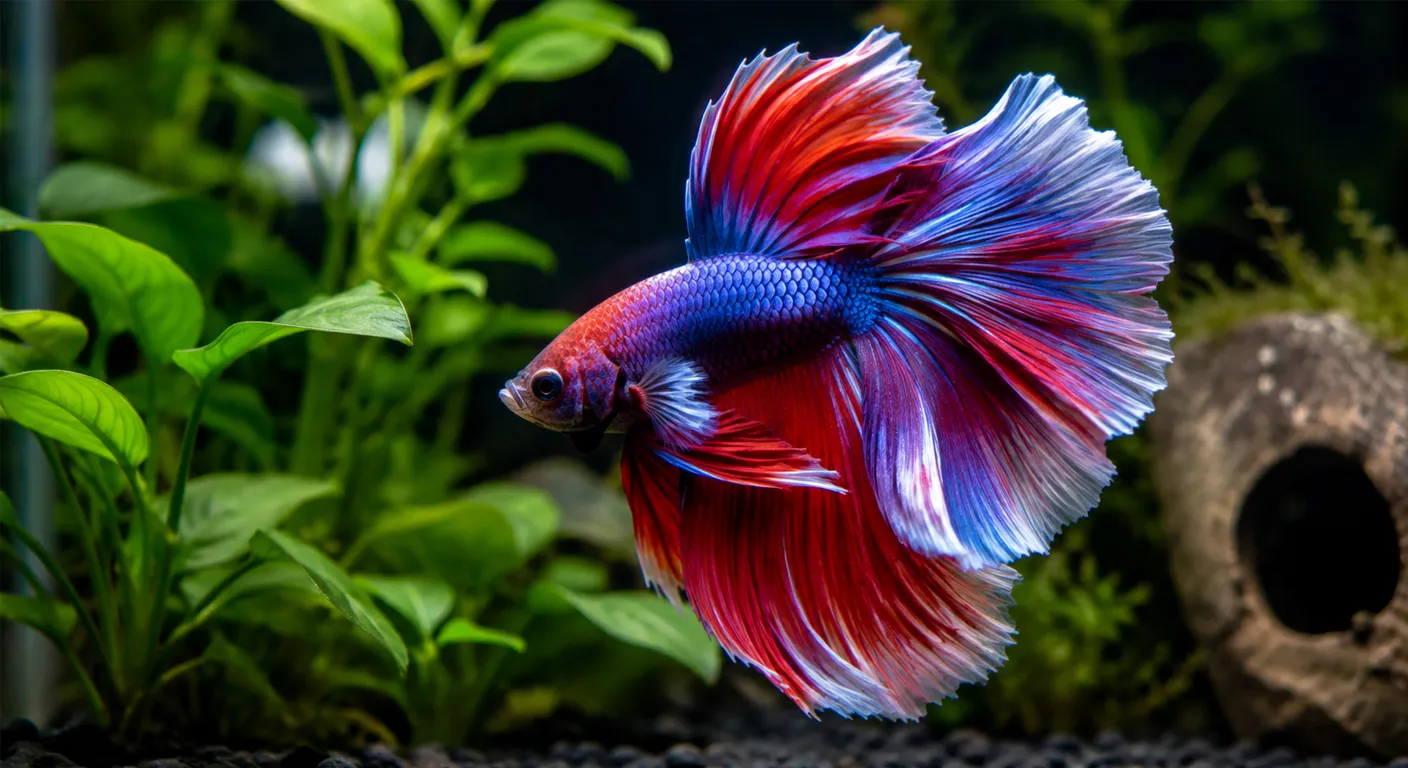
Betta Life Stages
Understanding what aging looks like in bettas makes it easier to read your fish accurately. The stages are distinct enough that most owners can recognize them once they know what to look for.
Juvenile Betta
Young bettas are active and still developing. Their color deepens over time, and their fins continue to grow and shape. They explore constantly and respond strongly to movement outside the tank. If you buy a betta that’s still clearly growing and developing color, you likely have a younger fish.
Adult Betta
This is the prime stage. Full color. Full fin development. Most active and alert. Bettas at this stage are at their visual best, and their immune systems are at peak function. Most store-bought bettas are at or near this stage when purchased.
Senior Betta
Movement slows down. Activity decreases. Appetite can become inconsistent. Fins may show some natural wear at the edges. Senior bettas often spend more time resting near the surface or on a leaf hammock. These are normal signs of aging, not necessarily signs of illness. The key is knowing the difference.
Why Betta Lifespan Varies
Not all bettas age the same way. The factors below are what separate a fish that makes it to five years from one that doesn’t get past two.
Genetics and Breeding Quality
Poor breeding creates weak fish. Inbreeding is the main culprit. It damages the immune system and creates health problems that show up later in life. A fish bred for health will always outlive one bred just to look good. Most care guides skip this topic entirely, but genetics sets the ceiling for everything else.
Type and Morphology
Long finned bettas like halfmoon and rosetail carry a lot of extra fin weight. That puts physical strain on the fish over time. Any current in the tank makes it worse. Shorter finned types like plakat bettas swim easier and deal with less daily strain. Nobody can prove exact lifespan differences, but the physical stress is real, and it adds up.
Water Quality
Ammonia and nitrite should always read zero. Nitrate needs to stay under 20 ppm. Stable water matters more than perfect numbers. Even low ammonia exposure over months does real damage to the body. Consistency is the goal. A stable tank beats a tank that swings between clean and dirty every week.
Temperature and Heating
Bettas need water between 76 and 82 degrees Fahrenheit. Cold water slows everything down and weakens their ability to fight off disease. Temperature swings are just as bad as cold water. The body has to keep adjusting, and that wears the fish down. A good heater with a thermostat is not optional.
Tank Size and Setup
Living sapce for betta is important: a bowl is not a home. Five gallons is the minimum for stable water between changes. Plants and hides give the fish places to rest and feel safe. Without filtration, the water goes bad faster than most people realize. A cramped setup means constant low-level stress, and that shortens life.
Stress and Environment
Chronic stress is quiet, but it kills fish early. Aggressive tank mates and no hiding spots and bright light, and constant movement outside the tank all pile up. A betta that can never fully rest is burning out slowly. A calm, predictable tank does more for lifespan than any supplement or special food ever will.
Signs of Aging in Betta Fish
Aging in bettas is gradual and easy to miss if you’re not paying attention. Knowing what to look for helps you tell the difference between a fish that’s getting older and one that’s actually unwell.
Physical Signs
Color fading gradually over months, not suddenly
Fins developing natural edge wear without signs of rot or infection
Slight reduction in body mass and muscle tone
Eyes that appear slightly duller than they used to
Behavior Signs
Spending more time resting on plant leaves or near the surface
Less interest in following movement outside the tank
Slower response to feeding time
Reduced aggression toward its own reflection
When Aging May Actually Be Illness
Not every behavior change is normal aging. Sudden lethargy is different from gradual slowing. Clamped fins that appear quickly alongside loss of appetite point to illness or water quality problems rather than age. The key word is sudden. Gradual changes over months fit aging. Rapid changes over days need investigation. Check water parameters first. A lot of what looks like aging in bettas under three years old is actually a water quality problem.
Common Health Issues That Shorten Lifespan
Disease is one of the biggest reasons bettas die before their time. Most of these conditions are preventable with proper tank maintenance.
Fin rot caused by poor water quality and bacterial infection. Caught early, it’s treatable. Left alone, it progresses to the body
Ich, which appears as white spots across the body and fins. Stress and temperature drops are the most common triggers
Velvet, which looks like a golden dust on the skin. Often missed until it’s advanced because the early signs are subtle
Dropsy, which causes the scales to raise and the body to swell. Usually a sign of organ failure and difficult to treat once visible
Internal parasites, which show up as wasting despite normal feeding. Common in fish from poor sourcing
Swim bladder disorder, which causes buoyancy problems. Often linked to overfeeding or constipation but can also be chronic in some fish
How Long Bettas Live in Different Conditions
Poor care conditions
Unfiltered bowl or very small tank. No heater. Irregular feeding and water changes. In these setups, most bettas don’t make it past one year. Some decline significantly within months.
Average home care
Filtered tank between five and ten gallons. Heater present but temperature may fluctuate. Water changes done occasionally but not consistently. Most bettas in this category live two to three years.
Excellent care
Filtered heated tank of ten gallons or more. Weekly water changes. Stable parameters tested regularly. Quality food and low stress environment. Betta in these setups regularly reach four to five years, and some go beyond that.
Conclusion
Betta lifespan comes down to three things. Care quality. Genetics. And the environment you provide consistently, not just at setup. A betta that gets the right conditions from the start has a real shot at four to five years. One kept in a bowl with irregular maintenance rarely gets close to that.
The biggest factors are things most owners can control. Water quality needs to stay stable. Temperature needs to stay warm and consistent. Feeding needs to be appropriate in quantity and quality. Stress needs to be minimized through proper tank setup and compatible or no tank mates. And the age of the fish at purchase matters more than most people account for.
The simple takeaway is this. Bettas don’t have short lives by nature. They have short lives when their basic needs aren’t met consistently. Get the setup right. Maintain it weekly. Pay attention to behavioral changes. A fish that gets all of that has every reason to be around for years.

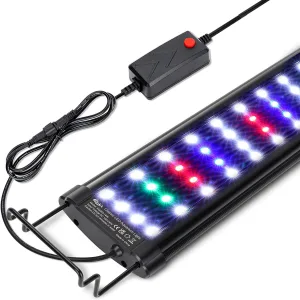
Full Spectrum Aquarium LED Light (14W for 12″-18″)...
Original price was: $18.99.$13.99Current price is: $13.99.




Add comment
You must be logged in to post a comment.