
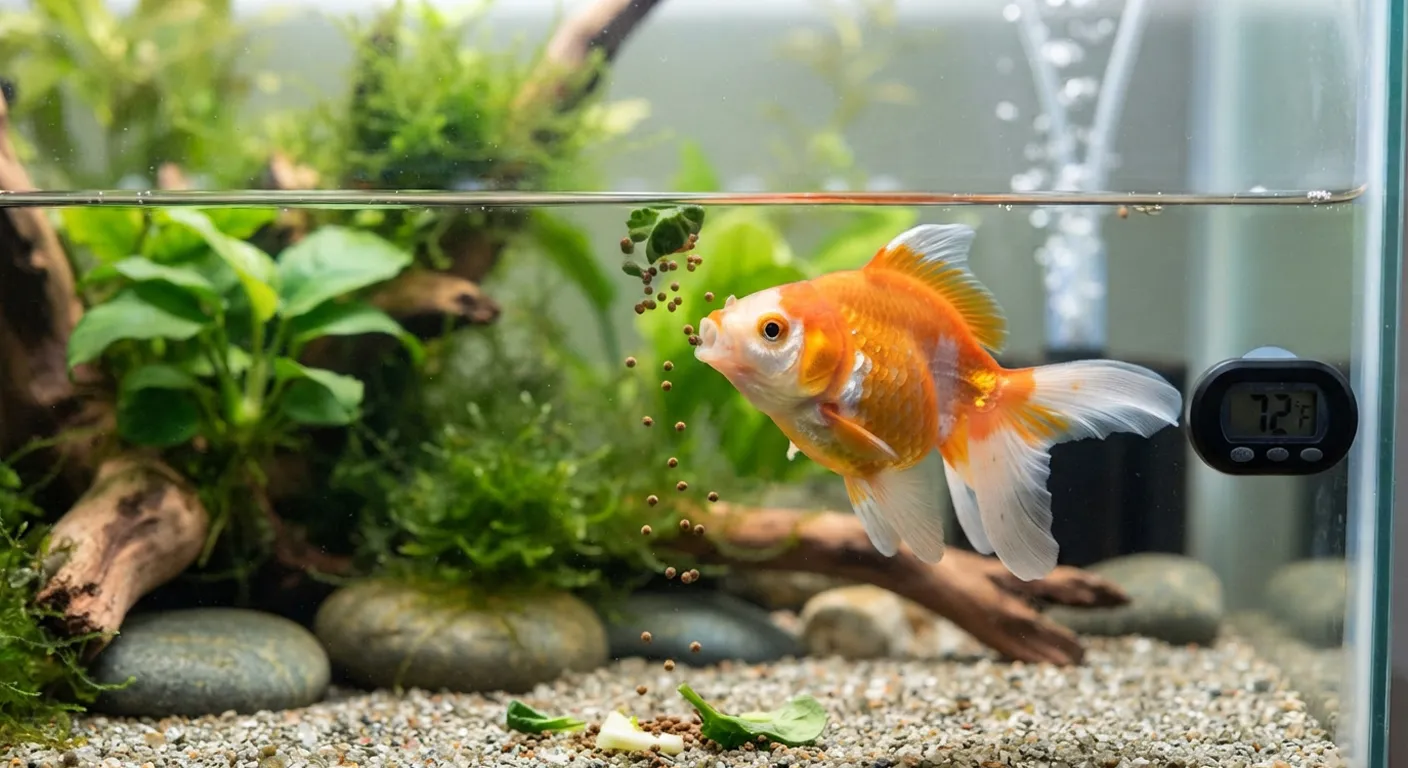
Goldfish are omnivores that need a balanced mix of plant-based and animal-based nutrition. A quality goldfish-specific pellet, gel food, or suitable flake should form the foundation of every meal. Vegetables and occasional protein-rich foods round out the diet and add real variety.
The right feeding approach depends on several factors working together. Fish age, species type, water temperature, and the size of the living environment all shape how much and how often a goldfish should eat. A fancy fantail in a heated fifty-gallon tank has different needs than a young comet growing quickly in a pond.
This guide explains what goldfish should eat daily, which foods work well as treats, how much and how often to feed them, and how to build a weekly feeding plan that actually holds up over time. It also covers bugs that silently damage both fish health and water quality.
What Should Goldfish Eat Every Day
Variety matters, but variety does not mean tossing in whatever is on hand each day. Goldfish need a reliable staple food built around their specific nutritional needs. Vegetables and protein sources should function as planned additions, not substitutes for that staple.
A simple framework helps here: daily staple, regular variety, occasional treats. The staple covers most of the daily nutrition. Vegetables show up several times a week. Protein-rich treats appear far less often, maybe once or twice weekly. Beginners who follow this order avoid the common trap of turning every feeding into a random assortment.
Choose a Quality Goldfish Staple Food
Goldfish-specific pellets, gel foods, and appropriately formulated flakes are built to provide a balanced nutritional base for this species. Choosing food made specifically for goldfish, rather than generic tropical fish food, matters more than many new keepers realize. Goldfish have different digestive needs and produce noticeably more waste than most tropical species, so their food formulation accounts for that difference.
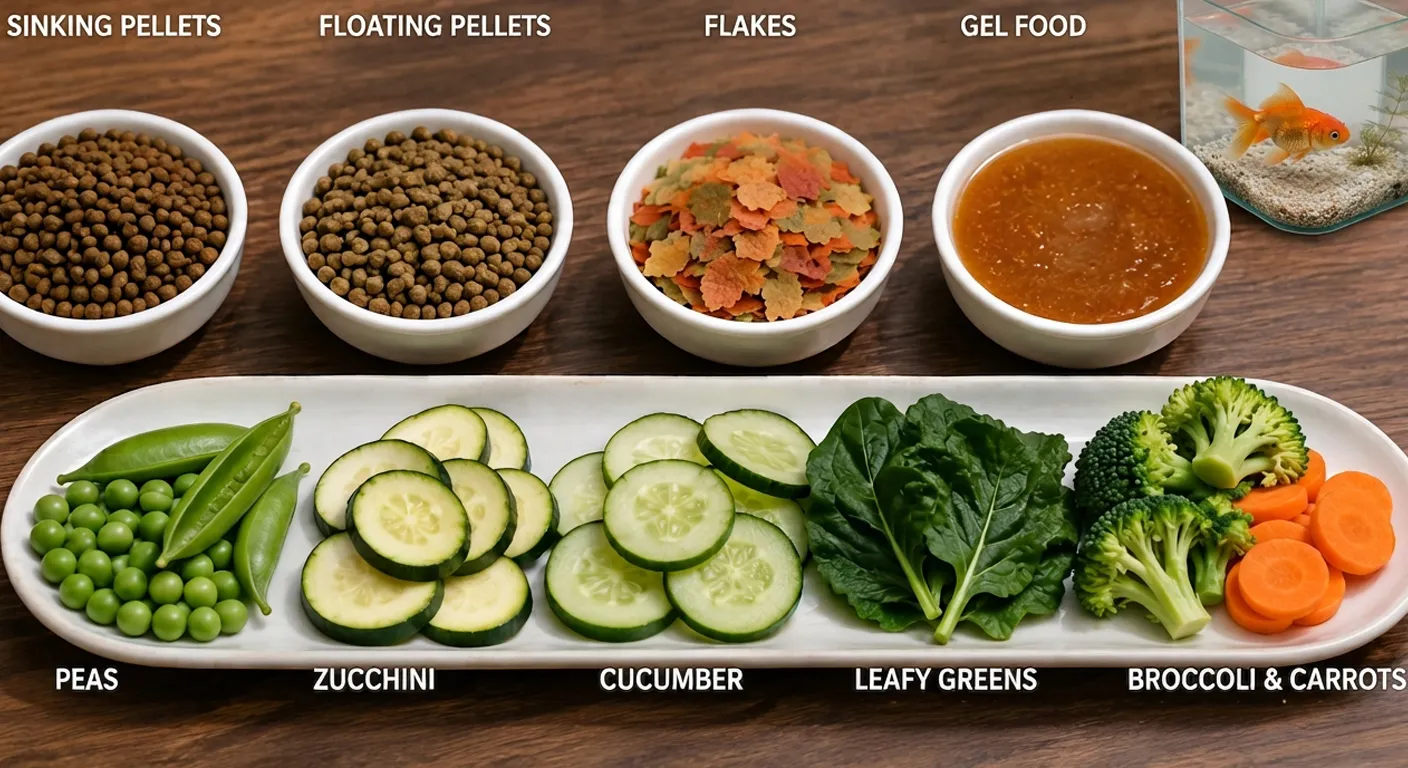
The main food formats each serve a slightly different purpose:
Sinking or slow-sinking pellets suit goldfish with rounder body shapes, since these fish often struggle to feed comfortably at the surface.
Floating pellets work well for slender-bodied goldfish like comets and shubunkins that feed naturally near the top.
Flakes offer convenience but break apart quickly and can cloud the water if overfed.
Gel food packs nutrients into a dense, less messy form and tends to produce less waste than flakes.
Before buying any product, run through a short label checklist. Confirm the pellet size fits your fish comfortably, check that the formulation is goldfish specific, review the ingredient list for clarity, verify the expiration date is current, and store the food properly sealed once opened.
Add Vegetables for Variety and Fiber
Vegetables function as supplements, not complete daily meals on their own. Suitable options include blanched and softened peas, zucchini, cucumber, leafy greens, spinach, kale, broccoli, and carrots, all cut into small, manageable pieces.
Preparation matters as much as selection. Follow these steps for safer, cleaner feeding:
Wash all vegetables thoroughly before serving.
Remove skins, seeds, tough stems, or any hard pieces the fish cannot easily manage.
Blanch or soften firm vegetables so they break down easily when eaten.
Feed small amounts and remove leftovers before they start breaking down in the tank.
Introduce one new vegetable at a time. This lets you watch how your goldfish responds and whether water quality holds steady afterward. Shelled peas come up constantly in goldfish care discussions, often framed as a fix for digestive trouble or buoyancy problems. They work best as one part of a varied diet rather than a guaranteed cure for every swimming or digestion issue a fish might show.
What Treats Can Goldfish Eat?
Nutritious variety and overfeeding sit closer together than most keepers expect. Goldfish genuinely enjoy protein-rich foods, but these richer options need moderation. Frequent excess protein, combined with uneaten food sitting in the tank, contributes directly to poor water quality over time.
| Food Category | Examples | Feeding Frequency |
| Daily staple | Goldfish pellets, gel food, flakes | Every day |
| Regular variety | Blanched vegetables | Several times a week |
| Occasional treats | Daphnia, brine shrimp, bloodworms | Once or twice a week |
| Rare or avoided | Bread, dairy, seasoned human food | Never |
Frozen, Live, and Freeze-Dried Foods
Each format offers a different balance of convenience and nutritional value. Frozen foods retain most of their nutrients through the freezing process and typically need thawing before feeding.
Live foods, such as daphnia or brine shrimp, offer natural hunting stimulation but carry a higher risk of introducing parasites if sourced from an unreliable supplier. Freeze-dried foods store easily and last a long time, though some keepers rehydrate them briefly first to reduce the risk of digestive bloating.
Protein-rich foods like daphnia, brine shrimp, and bloodworms should stay supplemental. They add valuable variety and enrichment, but a diet built mostly around them, without a proper staple, leaves gaps in balanced nutrition over the long run.
Foods Goldfish Should Not Eat
Some foods carry enough risk that they belong on a firm avoid list rather than an occasional exception:
Bread, cereal, crackers, and pasta.
Cheese, milk and other dairy.
Seasoned, salted, fried, or otherwise processed human foods.
Raw meat and fatty table scraps.
Citrus, onions, garlic, heavy leftovers, and unfamiliar houseplants.
Large, hard, raw vegetable pieces that fish cannot break down easily.
Any food left soaking in the aquarium water for too long.
Even foods considered generally safe become a problem in large enough quantities, or when left sitting in the tank to decay. Portion control and prompt leftover removal matter just as much as the food choice itself.
How Much and How Often Should You Feed Goldfish?
The idea that every goldfish needs the same fixed feeding schedule does not hold up well in practice. Portion size and feeding frequency should shift based on water temperature, fish age, body size, activity level, and whether the fish is actively growing or maintaining its adult condition.
A practical starting point looks like this: begin with a modest portion, watch how quickly your goldfish finishes it, and adjust from there. A fish that constantly begs at the glass is not necessarily underfed. Goldfish forage naturally and often act eager for food regardless of how recently they last ate.
Build a Feeding Schedule for Your Goldfish
Water temperature has a direct effect on metabolism, and this deserves more attention than most beginner guides give it. Goldfish process food more slowly in cool water, since their digestive activity slows along with their overall metabolism. Warmer water speeds up both activity and appetite, but it also raises the stakes around leftover food, since decomposition and water quality problems accelerate faster in warmer conditions.
A young, actively growing goldfish generally benefits from smaller, more frequent meals throughout the day. A mature adult maintaining its current size typically does well with one or two feedings daily, sized to what the fish clears within a couple of minutes.
How To Tell if You Are Overfeeding or Underfeeding
| Sign | Likely Meaning |
| Food left uneaten after several minutes | Portion too large, reduce amount |
| Fish appears thin with a visible spine | Portion too small, increase gradually |
| Cloudy water shortly after feeding | Overfeeding, remove leftovers promptly |
| Fish remains active and rounded | Current feeding routine is working |
Persistent bloating, abnormal swimming, rapid weight loss, labored breathing, or a sudden refusal to eat point toward illness rather than a simple feeding adjustment. These symptoms deserve closer attention beyond portion size, and sometimes a conversation with an aquatic veterinarian.
How To Create a Balanced Weekly Goldfish Feeding Plan?
Bringing this system together means building a routine you can actually repeat without constant guesswork. The exact schedule can vary between households, but the underlying goal stays the same: consistent staple nutrition, limited treats, and regular observation of how your fish responds.
Example Weekly Goldfish Meal Plan
Treat this as an adaptable starting example rather than a strict rule to follow exactly:
Monday, Wednesday, Friday: staple pellets or gel food as the base meal.
Tuesday, Thursday: staple food paired with a small portion of blanched vegetables.
Saturday: staple food plus a small serving of a protein rich treat like daphnia.
Sunday: staple food only, giving the digestive system a lighter day.
Keepers do not need to feed every food category every day. Rotating foods gradually tends to be more manageable, and it makes it far easier to identify what causes poor acceptance, excess waste, or digestive trouble if something goes wrong.
Avoid changing several variables at once. If a fish develops unusual behavior shortly after a new food gets introduced, return to the familiar staple diet while you assess water quality and general health separately.
Conclusion
Building a balanced goldfish feeding plan comes down to choosing the right staple foods, adding healthy vegetables and occasional protein, and adjusting portions and frequency based on your specific fish. Temperature, age, and body condition all play a role in what the right routine looks like week to week.
More food does not translate into healthier goldfish. Feed appropriate portions, keep treats limited, remove uneaten food promptly, and adjust your routine based on appetite, body condition, water temperature, and overall water quality.
Use the framework covered in this guide to build a consistent routine. Stable feeding habits support healthy growth, cleaner water, and a longer-lasting aquarium environment where your goldfish can genuinely thrive.
AQQA Automatic Fish Feeder, 12H/24H/48H Timer, 110ml Capacity,...
Original price was: $13.19.$12.99Current price is: $12.99.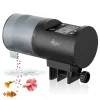
AQQA 200ML Auto Fish Feeder, Quiet Smart Timer...
Original price was: $22.39.$18.19Current price is: $18.19.












Add comment
You must be logged in to post a comment.