

Just think of living in a place that has not been cleaned since it was built; no matter how gorgeous and sturdy it is, it will one day be covered in dirt. Your fish would want you to have a clean and healthy place where you live. We clean our floors and wash our kitchens just as fish tanks should be cleaned, even when they have attained a good nitrogen cycle. And though it is water that your fish live in, there is no self-cleansing process going on in that water.
So, what can you do to keep a tank clean and clear without the extra stress of catching and taking out your aquatic pets? Just with 4 clever methods, you can have a perfectly clean tank without having to expose your fish to the outside world:
Use a gravel vacuum cleaner to remove waste from the substrate
Scrub algae off glass and decor
Clean the filter without harming beneficial bacteria
Trim live plants and remove dead leaves
Read on to learn how to complete these steps. We will also discuss things like vital preparation advice, necessary cleaning tools, things to note after the cleaning process, and others. So that your aquarium remains in optimum conditions.
Why Clean Your Tank Gravel Without Removing Fish
Although taking out your fish may appear easier when cleaning them, it is not necessarily the safest way to do it. It may be worse than beneficial to take fish out of the tank. Cleaning the tank with your fish in the tank reduces the risks. It also helps create a safer more healthier environment for your fish. And the reason that you need it.
1. It Stresses Your Fish
Fish are such creatures that are sensitive to environmental changes. Netting them, transferring them to another container, and then returning them can cause significant stress. Stress suppresses their immune systems and may even cause sicknesses, particularly in fragile species.
Their natural behavior is also interfered with by frequently being handled, hence they are very nervous and inactive. This may cause loss of appetite, loss of its color, and even long-term health problems when this happens repeatedly.
2. There’s a Risk of Injury
When it comes to fish, the probability of physical damage is higher. They have fine fins, scales, and slimy coverings that can be ripped or otherwise disturbed when they are removed. Sad to say, they panic or flop around with them.
This slime coat would prevent infection, and thus any disturbance will predispose them to bacteria, parasites, or fungi. Also, transfer can expose them to sudden variations in water temperature, resulting in thermal shock, which is potentially lethal.
What Should You Prepare Before Cleaning
Do not rush into it without being prepared. To be able to clean your fish tank properly without taking away your fish, you have to use the right tools and have some planning.
Essential Toolkits
Here’s what you’ll need:

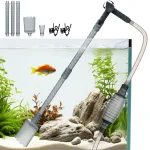
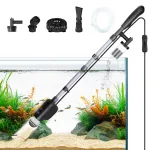
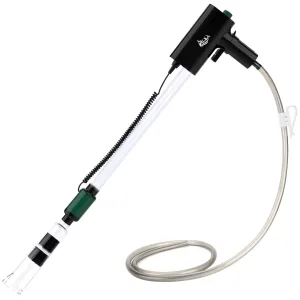
Gravel Vacuum Cleaner: This device can be used to vacuum the fish waste, the food leftovers, and other objects that have settled on the substrate without having to dispose of the gravel. Get a good gravel vacuum cleaner is really helpful.
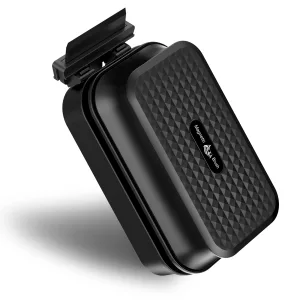
Algae Scraper or Magnetic Brush: This comes in handy during the scrubbing of the algae off the tank walls. The magnetic brushes allow cleaning without using hands in the tank.
Bucket (Dedicated Only to Aquarium Use): For draining old water and replacing it with new, treated water.
Soft Sponge or Pad: For gentle cleaning of décor or glass that won’t scratch or damage surfaces.
Aquarium Gloves: Keep your hands safe in terms of bacteria and chemicals, and keep your fish safe in terms of contamination.
Water Conditioner: Makes sure the new water that is being added to the tank is safe and does not have any harmful chlorine or heavy metals.
Check Your Water First
Before cleaning, always check the water. Be sure that these parameters do not pose a threat to your fish. This not only makes them safe to clean but also allows you to see any problems that cannot be rectified without likewise cleaning. Use a good long-term aquarium test kit to test:
Temperature
pH level
Ammonia
Nitrites
Nitrates
Turn Off the Accessories
Before starting the electrical accessories, always switch them off first. This saves you and your fish in case of mishaps and also prevents these systems from being smashed in the process of cleaning.

Including:
Heater, filter, water pump, air pump and so on.
How to Clean Your Fish Tank Gravel Without Taking Fish Out
Maintaining a clean aquarium does not mean that you have to excavate your whole fish tank system. By having the right tools and techniques, cleaning your tank can be very easy, and your fish will not leave their environment. Here are four efficient and fish-friendly methods:
1. Using a Gravel Vacuum
Your tank gravel is a sponge; it soaks up the uneaten food, fish waste products, and rotting materials. This accumulation with time would cause toxic chemicals to be released into the water, and the water became murky, thus destroying your fish.
Steps to Use a Gravel Vacuum:
Weekly or biweekly vacuuming not only cleans up the invisible pollutants but also maintains the water parameters. The following steps are the most crucial ones:
Submerge the vacuum fully to fill the tube with water.
Start the siphon by shaking the tube or squeezing the priming bulb.
Let gravity pull water through the tube and into a waste bucket.
Gently push the vacuum into the gravel and lift it slowly to suck up debris.
High-lift pump, easy impeller cleaning
Work section by section to clean about 25–30% of the substrate or remove 20–30% of the water.
Useful Tip: Vacuuming different sections of the gravel weekly will maintain healthy bacteria and prevent the shocking of the ecosystem. Also, if you have no idea about what gravel cleaner to buy, check here to learn more about it.
2. Removing Algae from Glass and Decor
In any aquarium, the presence of algae is natural, although excessive amounts will obstruct light, minimize oxygen levels, and ruin the appearance of your aquarium.
Tools to Use:
Algae scraper or pad: Gently removes algae without scratching glass or acrylic.
Magnetic glass cleaner: Allows you to clean inside the glass while staying dry outside.
Magic cleaning pad (aquarium-safe): Effective for stubborn algae on ornaments or decor.
How to Do It:
Gently scrape the inside of the glass in smooth, controlled motions.
For harder-to-reach areas, a magnetic cleaner lets you scrub without putting your hands in.
If removing décor, rinse or scrub it only using tank water to preserve good bacteria.
Important Note: No household cleaners, soap, or Bleach should be used they are highly toxic to fish, even in very small quantities.
3. Filter Maintenance Without Removing Fish
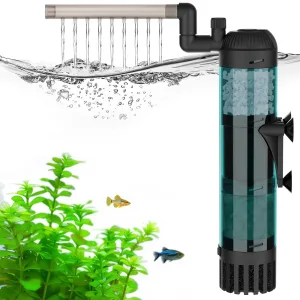
To the purity and permanence of water, water filters are everything. They are filled with good bacteria to break down the deadly ammonia and nitrite. But with time, filters may clog and hold up water.
Steps for Cleaning Your Filter:
Turn off the filter and unplug it from the power source.
Remove reusable filter media (sponges, ceramic rings, bio balls).
Rinse them gently in a bucket of tank water to remove debris.
Use a soft brush or sponge to clean the filter casing and impeller.
Reassemble and restart the filter once clean.
Why Use Tank Water? Tap water has chlorine and chloramine, and they may kill the beneficial bacteria that must be present to sustain your tank’s nitrogen cycle..
Useful Tip: Replace your filter once a month or more often in case of a reduced flow of water. Do not clean all media simultaneously. It is best to alternate between different types of media during the same session in order to avoid harming the bacterial balance.
4. Trimming Live Plants and Removing Dead Leaves
Living plants are attractive and are biologically useful. They provide oxygen in the tank, take away some nitrates, and give some hiding spots. But just like garden plants, they need pruning to stay healthy.
How to Trim Aquarium Plants:
Use sharp aquascaping scissors or dedicated plant trimmers.
Snip overgrown stems, browning leaves, or dying shoots at the base.
Manually remove any floating leaves or decaying bits on the surface.
Why It Matters:
Prevent nutrient buildup: Dead plant matter can rot and release toxins like ammonia.
Promote healthy growth: Trimming stimulates new growth and prevents plants from overshadowing others.
Improve water circulation: Overgrown foliage can block filters and reduce oxygen distribution.
Useful Tip: When a water change or gravel vacuum takes place, plant maintenance must be performed. It will be more convenient to gather and clear floating debris before they are deposited.
What Should You Notice After Cleaning the Fish Tank?
When you have completed the stuff on cleaning, you are not done yet. Observation after the clean-up is very important in making sure that your fish are fine and your tank is stable.
1. Re-open Accessories
Now restart your filter, heater, and pumps. Tune in to strange sounds, slow flows. Make sure that the water is moving normally, and the heater will start keeping the right temperature.
Failure to keep the filter working can easily result in the worsening water quality and oxygen insufficiency.
2. Monitor Your Fish
Observe signs of aggressiveness or modification of the schooling behavior. Social stress can be experienced in community arrangements due to even minor disturbances in the tank.
Once something does not feel right, test the water again and be prepared to take measures. Partial water changes, more aeration, or temporary isolation can help deal with the issue.
Keep a close eye on your fish over the next 24–48 hours:
1. Are they swimming normally?
2. Do they appear stressed or lethargic?
3. Are they gasping at the surface?
4. Are their colors faded or fins clamped?
3. Water Testing
By testing frequently, you should be able to fix issues before they become serious and keep your tank clean, controlled, and stable. Use your test kit again after cleaning:
Ensure pH, ammonia, nitrite, and nitrate levels are within safe ranges.
Nitrate levels may drop slightly if the cleaning removed a lot of debris.
Keep records of your readings to spot long-term trends.
Conclusion
Cleaning Your Fish Tank without taking out your fish is not only time-saving, it is a fish-saving tactic. Fish may be stressed and subject to injury when they are handled. Rather, intelligent equipment such as gravel vacuums, algae scrapers, and non-destructive filters can keep your aquarium crystal clear and your fish contented at their watery castle.
Let’s recap the 4 simple ways:
1. Use a gravel vacuum to clean waste and perform water changes.
2. Remove algae buildup using scrapers or magnetic brushes.
3. Clean the filter with aquarium water to preserve bacteria.
4. Trim and tidy live plants to avoid decaying debris.
The processes are effective, non-toxic, and can be applied by both a new and an old aquarist. When obeying them, your fish will have a healthy, clean environment with minimal interference.
Have questions or your tank-cleaning tips? Share them in the comments below: we’d love to hear from you!
FAQ
1. After cleaning my fish tank, can I put tap water or distill water in it?
Yes, and actually there are many choices for you. There are pros and cons of each type:
| Water Type | Pros | Cons |
| Tap Water | Free, easily available, contains beneficial minerals. | Needs to be treated to remove harmful chemicals like chlorine. |
| Distilled Water | Pure, free of any harmful chemicals. | Lacks essential minerals and can be dangerous to fish if not re-mineralized. |
| Spring Water | Often contains natural minerals. | Expensive and its exact mineral content is inconsistent. |
| Rainwater | Free and naturally soft. | Can contain pollutants and is difficult to collect and store reliably. |
2. How to keep my aquarium water clear?
You need to maintain a healthy balance in your tank. For beginners, the best approach is to start with a solid maintenance routine. It includes doing regular partial water changes, cleaning gravel, and avoiding overfeeding your fish.
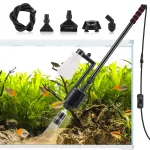
AQQA 5-in-1 Aquarium Gravel Cleaner Set For Removing...
Original price was: $35.59.$32.39Current price is: $32.39.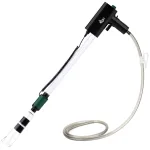



Add comment
You must be logged in to post a comment.