
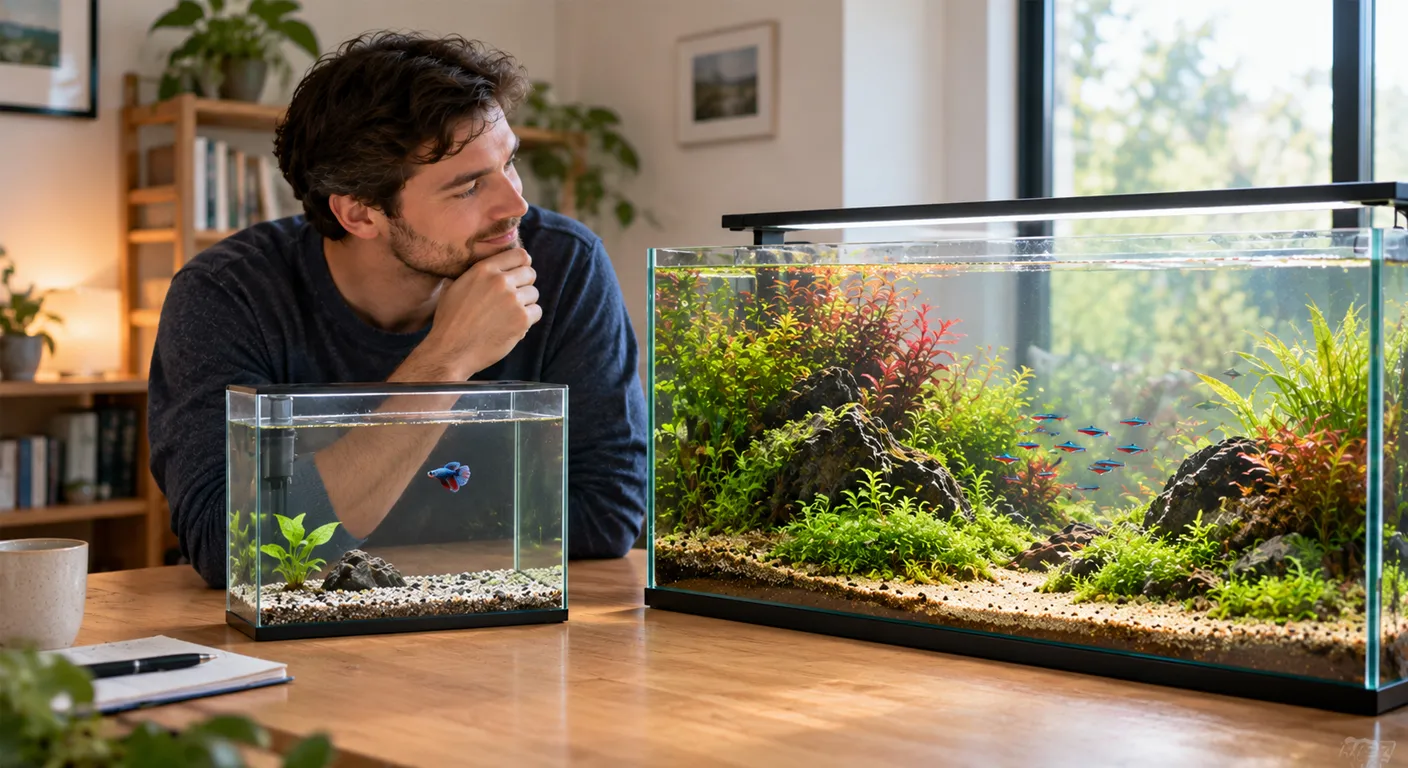
Nano tanks look like the easy starting point. They cost less, fit on a desk, and need only a small bag of substrate. The catch is that a small footprint and a small volume of water leave very little room for mistakes. A larger aquarium usually gives steadier water, more space for layered layouts, and more freedom as plants grow in.
We will cover why small aquascapes can be harder, five advantages of larger tanks, and the problems that come with size. Then we will compare common tank sizes and look at ways to keep a big layout manageable.
Table of Content
ToggleWhy Small Aquascapes Can Be More Challenging
Nano tanks are not unsuitable for aquascaping. Many strong layouts come from tanks under 10 gallons. They simply leave less room for error.
Less Room for Water Quality Fluctuations
A pinch of fish food adds the same waste to a 5 gallon tank as it does to a 40 gallon tank. In the smaller tank, that waste sits in one eighth of the water. The same math applies to liquid fertilizer, so one extra pump from a dosing bottle can matter. A heater that runs a little long or a missed water change can change conditions within hours.
Filtration, sensible stocking, and routine care are necessary at every size. A big tank does not excuse sloppy habits. It only gives you more time to notice them.
Limited Space for Composition
A 10 gallon tank often measures about 20 by 10 inches across the base. One oversized rock or a thick piece of driftwood can take over most of that area. Foreground, midground, and background then get only a few inches each.
Fast growing stems make it worse. A small group of Hygrophila can swallow a nano midground in weeks.
Less Flexibility for Plant Growth and Corrections
Plants outgrow a planned nano layout sooner than most beginners expect. Then there is little space to shift a stone or swap a species that turned out to be a poor fit. Trimming one corner often changes the balance of the whole scene, because every element sits close to the next. One correction can turn into a full rescape.
5 Reasons Bigger Tanks Make Aquascaping Easier
Extra water volume is only part of the story. A larger aquarium also gives you a wider footprint, steadier conditions, and more room for plants to grow naturally.
1. Water Parameters Usually Change More Slowly
A 40 gallon tank holds eight times the water of a 5 gallon tank. That volume absorbs heat changes, dilutes waste, and softens small dosing errors. If a heater fails overnight in a cool room, a large tank cools slowly. A nano tank can fall several degrees before breakfast.
The advantage has limits. A mature biofilter, sensible stocking, and regular maintenance still decide whether the water stays safe. A new tank needs roughly four to six weeks to cycle, whatever its size. Large tanks also recover slowly, so a problem that builds unnoticed can take longer to fix.
2. Creating Depth and Perspective Is Easier
A 48 inch tank gives the eye a long path from left to right. You can place a focal point about one third of the way across and balance it with open space on the other side. You can also build real layers:
Large stones or wood at the back, with smaller pieces toward the front
Substrate sloped higher at the rear to exaggerate distance
Plants stepping up in height from foreground to background
Open sand or gravel patches that act as negative space
Depth comes from scale contrast, and a big tank has room for large and small elements without competition.
3. Plant Selection and Growth Become More Flexible
Wider tanks let you plant in drifts of five to eight stems instead of scattering single strands. Groups look natural and are easier to trim as one unit. Space also lets you separate plants by growth habits. Slow Cryptocoryne can sit in the midground, away from fast stems such as Rotala at the back.
Space does not fix poor conditions, though. Lighting, nutrients, CO2, and species needs still control growth. A tank deeper than about 20 inches can leave carpet plants starved of light even when the fixture looks bright.
4. Redesigning the Aquascape Is Less Restrictive
Say a stone on the left looks heavy after two months. In a 75 gallon tank, you can move it and leave the right side untouched. You can thin a crowded patch, replace one plant, or open a path for fish without pulling the scene apart.
Every aquascape changes with time. Wood softens, plants spread, and some species refuse to cooperate.
5. Livestock Can Complement the Layout More Naturally
Schooling fish need length more than volume. Cardinal tetras reach about 2 inches as adults and look best in groups of ten or more. A 36 inch tank gives that group room to stream between plants. Moving fish pull the eye along the layout.
Match stocking to adult size, not store fish size. Avoid species that dig or uproot plants, such as goldfish and some cichlids, however large the tank is.
When a Bigger Tank Becomes More Difficult
Size removes some design limits and adds others. Budget, installation, upkeep, and future changes all become bigger jobs.
Higher Initial Setup Costs
Everything scales up: substrate, stone, driftwood, plants, lighting, filtration, and optional CO2 equipment. A 36 by 18 inch tank filled two inches deep needs about 1,296 cubic inches of substrate, roughly 21 liters, before any slope at the back.
Staging eases the cost. Buy the tank, stand, filter, light, and hardscape first, and plant hardy species heavily. Add CO2 or demanding plants later, once the tank has proven stable.
More Water and Hardscape to Maintain
A 40 percent water change on a 75 gallon tank is 30 gallons. That means six trips out with a 5 gallon bucket and six trips back. Cleaning around large rock structures and dense planting also takes longer. A pump or a hose connected water changer cuts the chore to a fraction of the time.
More Space, Support, and Planning Required
Water weighs about 8.3 pounds per gallon. A 75 gallon tank holds around 625 pounds of water, and glass, stone, and substrate push the total well past 800 pounds. Check the stand rating and the floor before buying anything else.
Once a large tank is planted and running, moving it is near impossible. Decide where the filter, outlets, and drain route go before the first stone touches the glass.
Choosing the Right Tank Size for Aquascaping
Each size range trades design potential against stability and workload.
| Tank size | Best suited for | Main drawback |
| 5 to 10 gallons | Single focal point layouts, shrimp, tiny rasboras, practice with trimming | Very little tolerance for feeding, dosing, and temperature mistakes |
| 20 to 40 gallons | A first serious aquascape with a small school of fish | Tall models limit footprint, and plant choices need care |
| 40 to 75 gallons | Layered layouts, mixed plant groups, larger schools | Heavier setup, and water changes take real time |
| 90+ gallons | Large scale scenes, dramatic hardscape, big schools | Cost, weight, floor loading, and difficult redesigns |
Treat these ranges as guidelines, not rules. Shape matters as much as volume. A 20 gallon long measures about 30 by 12 by 12 inches, while a 20 gallon high measures about 24 by 12 by 16. The long version gives more planting length and better light at the bottom. High is a narrower stage that is harder to compose.
How to Make a Bigger Aquascape Easier to Maintain
Most upkeep problems start with decisions made during setup.
1. Choose Footprint Over Height When Possible
A longer, wider tank gives more useful planting and hardscape space than a tall tank of equal volume. Height brings its own trouble. Tweezers and scissors need long reach, and light weakens as it travels down. Check that the dimensions suit your fish and your room too. A four foot tank needs a sturdy wall and space to work around it.
2. Leave Access Around Hardscape and Plants
Siphoning, trimming, and algae removal all require open lanes. Leave a gap of an inch or two behind large stones so debris can be vacuumed out. Avoid tight rock stacks, and avoid planting so densely that a hand cannot reach the substrate. A corner you cannot clean will become the algae corner.
3. Start With Adaptable Plants
Hardy species forgive early mistakes. Good choices include:
Anubias and Java fern, tied to wood or stone with the rhizome left above the substrate
Cryptocoryne wendtii for the midground
Vallisneria for background movement
Hygrophila stems, which grow fast and compete with algae for nutrients in the first weeks
A simple scheme also shows you how the tank behaves. Once growth patterns are clear, add pickier plants, including carpeting species that usually want strong light and CO2.
4. Plan Filtration and Water Circulation
Filter capacity should match the tank, and outlet position should push water through the whole layout. Good circulation spreads heat and nutrients and keeps debris from settling behind wood. Watch the plant tips. If they sway gently from end to end, flow is probably reaching everywhere.
Do not chase maximum flow. Many planted aquarists aim for roughly five to ten times the tank volume per hour, but real flow drops as filter media clogs. Delicate fish prefer calmer water, so adjust to your livestock.
5. Make Water Changes Convenient
A hose connected changer or a simple pump saves effort once a tank passes about 40 gallons. Plan the route before you fill the aquarium. You need a place to drain, a way to refill, and a dechlorinator dosed for the full tank volume. Direct refill systems are convenient, but chlorine and chloramine can harm fish and filter bacteria quickly, so treat the water.
Build the Layout in Stages
Set the main hardscape first. Then plant the key areas and let the tank run for a few weeks. Growth will show what needs adjusting, so you avoid redoing finished work. A manageable layout is worth more than a packed display that becomes impossible to maintain.
Conclusion
Bigger aquariums often make aquascaping easier. They give you room for depth and perspective, more freedom with plants, and steadier water. They also demand more space, equipment, money, and maintenance, so size alone is not the answer.
Pick the footprint before the volume. Keep hardscape accessible, start with adaptable plants, and plan circulation and water changes early. A longer, wider tank can offer more usable design space than a taller one with the same capacity. Choose a size that fits your room, budget, and weekly routine.
Related Products For Your Reference
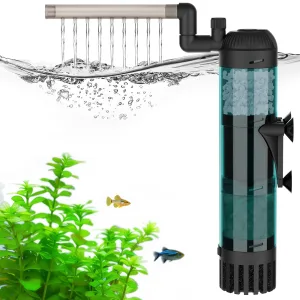
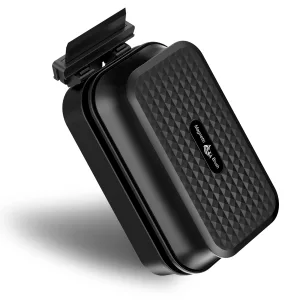
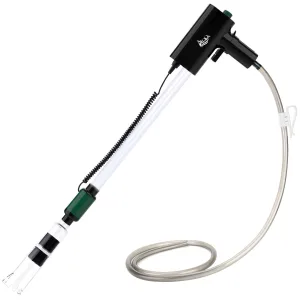
6-in-1 Multifunctional Fish Tank Cleaning Kit for Remove...


Add comment
You must be logged in to post a comment.