
Table of Content
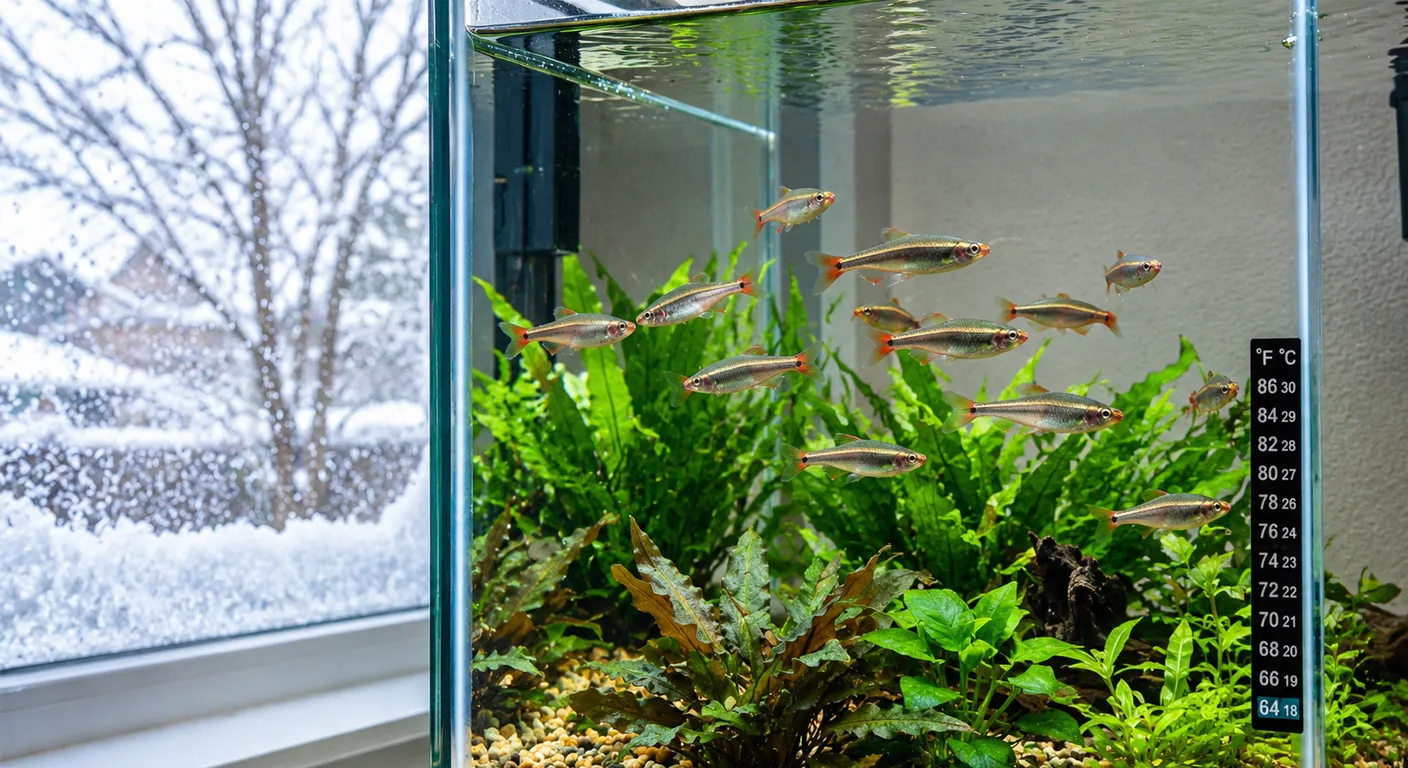
ToggleSome coldwater fish can make it through winter without a heater. But coldwater doesn’t mean cold-proof. Water that drops too low or swings too fast will stress fish regardless of how hardy the species is.
People don’t actually know about how much indoor temperatures shift in winter. A room that feels fine during the day can get noticeably colder overnight. Near a window or an exterior wall it gets worse. That’s exactly where unheated tanks run into trouble.
People also overlook the difference between: a fish surviving and a fish doing well. A goldfish or a white cloud might technically stay alive through a cold spell. But chronic cold stress weakens immunity. Fish get sick more easily. Recovery takes longer. By the time something looks obviously wrong, the fish has usually been struggling for a while.
This guide covers which fish can handle an unheated setup in winter. How to keep the tank stable when room temperatures drop. What to change with feeding and maintenance during colder months. And what to do if the water gets too cold before you catch it.
Can Coldwater Fish Live Without a Heater in Winter
Sometimes. It depends on the species and how stable the room stays. Every coldwater fish still has a lower limit. Most need water above 60°F. Drop below that and problems start showing up even in hardy fish.
What Coldwater Fish Actually Means
It means the fish handles cool, stable water well. It doesn’t mean freezing water. It doesn’t mean water that swings several degrees overnight. Stability is the part people miss most.
When an Unheated Tank is Safe
When the room stays stable and never pushes the water below the fish’s safe minimum. Don’t go by how the room feels. Track the actual water temperature with a thermometer over a few days, including overnight. That tells you what you actually need to know.
When You Still Need a Heater
When nighttime temperatures drop the tank below the fish’s safe range. Sick fish, young fish, and shrimp need more stability than healthy adults. Hardy doesn’t mean any temperature is fine.
Coldwater Fish That Can Often Stay Unheated
| Fish or Invertebrate | Typical Cooler Water Tolerance | Winter Care Note |
| White cloud mountain minnow | Down to around 60°F | One of the most cold tolerant nano fish. Handles cool stable rooms well |
| Variatus platy | Down to around 60°F | Handles cool water better than common platies. Watch closely below 65°F |
| Hillstream loach | Down to around 60°F | Needs well oxygenated water. Don’t let flow drop in winter |
| Cherry shrimp | Down to around 60°F | Tolerates cool water but hates sudden swings. Stability matters most |
| Goldfish | Down to around 50°F | Hardy but still needs stable conditions. Not suited to freezing or fast temperature changes |
How to Keep an Unheated Tank Stable in Winter
Without a heater, the room does all the work. Nothing is correcting temperature drops automatically. The goal is to stop gradual cooling and avoid sudden changes.
Track Room and Water Temperature
Check the water temperature every day. Overnight readings matter most because that’s when rooms get coldest. A digital thermometer gives you accurate numbers. How the room feels is not accurate enough.
Move the Tank Away From Drafts
Windows, exterior walls, and doors all pull heat away from the tank. An interior wall away from drafts is a better spot. A few degrees difference in placement can matter over a full winter.
Use a lid to Reduce Heat Loss
Evaporation pulls heat out of the water. A lid slows that down. Leave a small gap for gas exchange, but don’t leave large open sections of the surface exposed. A fitted lid makes a real difference overnight.
Keep Gentle Flow and Oxygen Going
Cool water holds oxygen well, but poor circulation still causes problems. Gentle surface movement keeps gas exchange running without stressing fish that prefer calm water. Don’t cut flow in winter. The fish still need clean moving water.
Adjust Feeding and Maintenance in Winter
Fish metabolism slows in cooler water. The care routine needs to slow with it. Overfeeding and cold water changes are the two most common winter mistakes.
Feed Less When Fish Slow Down
A fish that’s barely moving doesn’t need the same amount of food it gets in summer. Uneaten food breaks down and pushes ammonia up fast. Feed based on what the fish are actually doing. Not based on habit.
Match Water Change Temperature to the Tank
Cold tap water going straight into the tank shocks fish. It doesn’t need to be a dramatic drop to cause stress. Match the replacement water to the tank temperature as closely as you can. Dechlorinate it before it goes in.
Test Water More Often
Beneficial bacteria slow down in cold water. Biological filtration becomes less reliable. Ammonia and nitrite can creep up without obvious signs. Test more frequently in winter than you normally would. Catch problems before the fish start showing them.
Warning Signs the Tank Is Too Cold
Fish show changes in behavior before cold conditions become dangerous. Catching those signs early is what matters.
Behavior changes
Slow movement, hiding, clamped fins, and reduced appetite are all signs of cold stress. Fish grouping near the warmest spot in the tank is another. Some slowing down in winter is normal. Sudden changes are not. Any sudden shift in behavior means check the temperature right away.
Water quality and health signs
Gasping at the surface and rapid breathing can point to oxygen or filtration problems made worse by cold. Check the temperature and parameters first. Fix those before doing anything else.
What to Do if the Tank Gets Too Cold
Warming the tank back up needs to happen slowly. A fast swing upward causes just as much stress as the cold did.
First, figure out why it got cold. Cold room, failed heater, or a draft from somewhere. Fix the source before warming the water.
Raise temperature gradually
Warm the tank slowly back toward the safe range for your fish. Don’t pour hot water directly in. That spikes the temperature in one area even if the overall reading looks fine after mixing.
Use temporary insulation if needed
Towels or foam panels around the tank and a fitted lid reduce further heat loss while you sort out the room. These are short term measures. They buy time. They don’t replace a stable room or a heater when one is actually needed.
Conclusion
Coldwater fish can get through winter without a heater but only if you’re actually watching what’s happening in the tank. The fish that do well are in tanks where the owner paid attention and adjusted things as the season changed. The ones that don’t are usually in tanks where someone assumed everything was fine.
Check the water temperature every day. Overnight is when it matters most. That’s when rooms get coldest and unheated tanks feel it first. How the room feels to you means nothing. The thermometer is what tells you the truth.
Keep up with water testing through winter. Biological filtration slows down in cold water and ammonia can build up without any obvious signs. By the time the fish look unwell it’s usually been building for days. Catching it early is the whole point of testing regularly.
Related Products For Your Reference
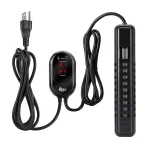
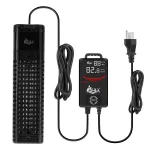
Submersible Aquarium Heater (100W/200W/300W) with External Controller, LED...

Add comment
You must be logged in to post a comment.