
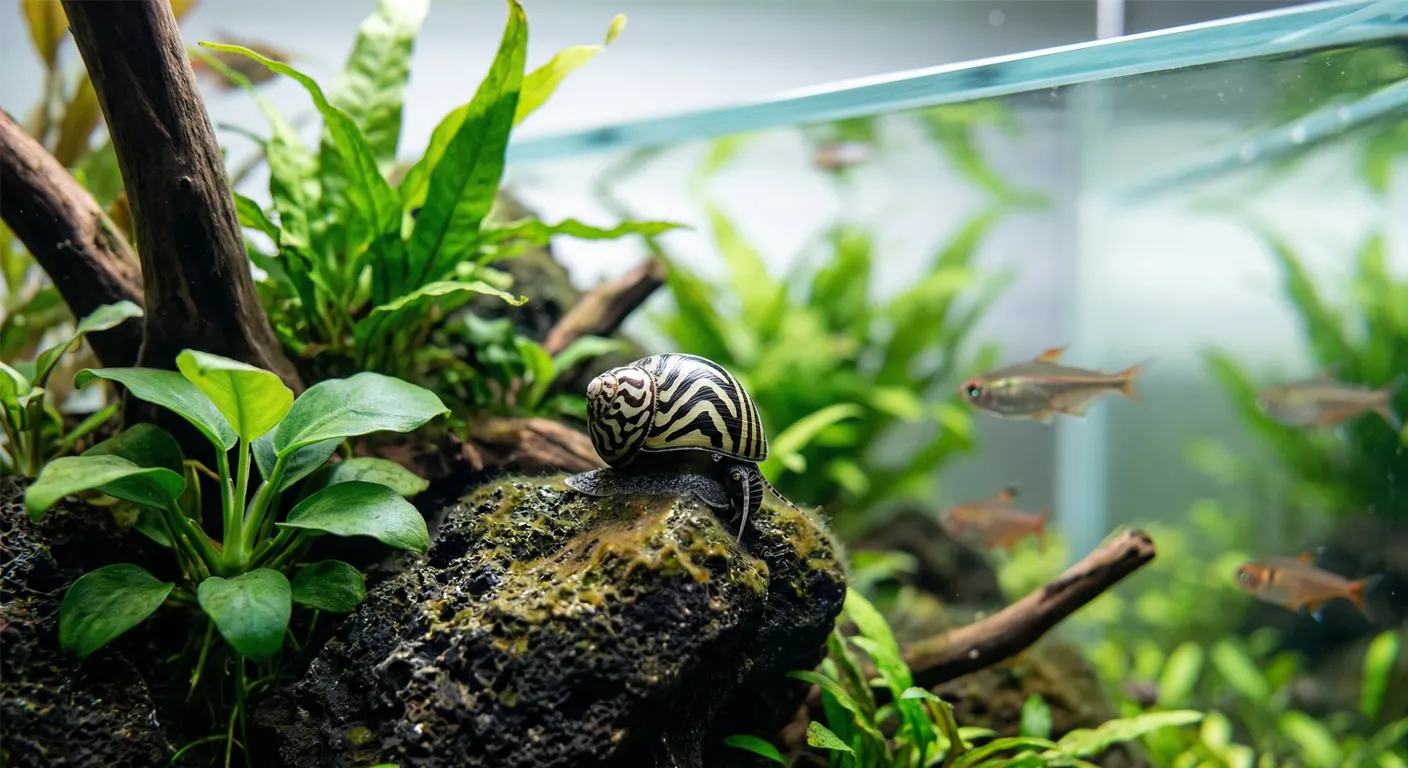
I thought I had it figured out. Added a few nerite snails, and within days, the algae was clearing up. Tank looked great. Then, a few weeks later, I found one sitting motionless at the bottom. Shell perfectly intact but completely empty inside. Gone. And I had no idea what went wrong.
That’s the thing with nerite snails. They look fine right up until they’re not. People add them and assume they’ll take care of themselves. But they’re not as maintenance-free as they seem. They need stable water and the right food sources. Without that, their health drops quietly in the background.
In this guide, we’ll go through the 10 most common nerite snail mistakes. Why they happen and how to spot them early. And what to actually do to keep your snails healthy and doing their job.
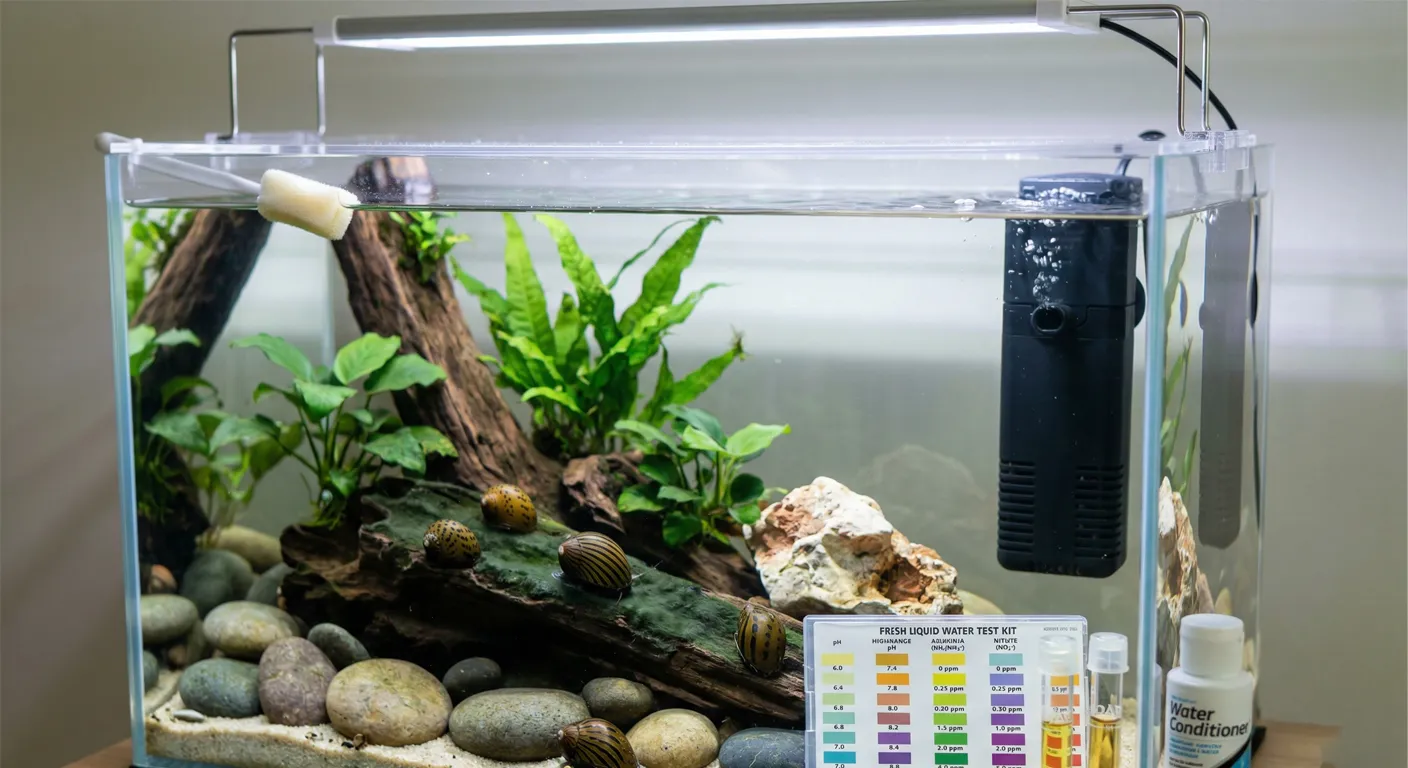
What a Healthy Nerite Snail Tank Looks Like
Before diving into the mistakes, it helps to know what you’re actually aiming for. Here’s what a nerite tank should look like when everything is running the way it should.
Stable water conditions. Nerites don’t handle sudden changes well. Temperature, pH, and hardness need to stay consistent. Even if your numbers look fine on paper, a swing in either direction will stress them out fast.
Enough natural algae and biofilm for grazing. This is their main food. A tank that’s too clean works against them. They need soft algae and biofilm on the glass and hardscape to graze on throughout the day.
A secure lid or cover. Nerites climb, and they’re good at it. They’ll go above the waterline regularly. If there’s a gap in your lid, they will find it eventually.
Mineral support for shell health. Calcium and magnesium keep their shells strong. Soft or acidic water wears the shell down slowly. Most people don’t catch it until the damage is already visible.
Peaceful tank mates and gentle maintenance. Aggressive fish stress them out. Heavy cleaning sessions wipe out the biofilm they rely on. They do best when the tank stays calm and consistent.
10 Mistakes to Avoid For Beginner
These mistakes are easy to miss because they don’t show up right away. The snail looks normal. It’s moving around. Then one day it’s not. Most of the time, the problem had been building for weeks before anything became obvious.
Mistake 1: Assuming Nerite Snails Can Live on Algae Alone
This is probably the most common one. The tank looks clean and well-maintained, so people assume there’s enough food in there. But a clean tank is often exactly the problem.
Nerites graze on soft algae, biofilm, and diatoms all day long
In a well-maintained tank, that food layer gets thin fast
The snail keeps moving around, but it’s not finding enough to eat
When natural food runs low, you need to step in with algae wafers or blanched vegetables a few times a week
Mistake 2: Keeping Them in a Tank That Is Too Clean
A spotless tank looks great to you, but it’s a problem for a nerite snail. Those clean glass surfaces and scrubbed decor are exactly what they feed on.
Over-cleaning removes the biofilm and algae film they rely on daily
Bare tanks with no natural growth don’t give them enough to graze on
You don’t need a dirty tank, but you do need a balanced one
Let some algae grow on the back glass and hardscape, and leave it there
Mistake 3: Ignoring Water Parameters
Nerites are reasonably tough, but unstable water will stress them out. You won’t always see obvious signs until it’s too late.
Ammonia and nitrite should always be at zero
pH swings affect how well they absorb minerals and directly impact shell strength
Hard water with stable mineral content keeps them active and healthy
Test your water regularly, especially in newer tanks that haven’t fully cycled
Key Water Needs for Nerite Snails
| Parameter | Why It Matters | Common Mistake |
| Ammonia / Nitrite | Even small amounts cause stress and can be fatal | Not cycling the tank before adding snails |
| pH | Affects mineral absorption and shell integrity | Letting pH drop too low in soft water tanks |
| Hardness / Minerals | Shells need calcium and magnesium to stay strong | Using RO water with no remineralization |
| Temperature | Affects metabolism and activity levels | Keeping the tank too cold or letting it fluctuate |
Mistake 4: Forgetting About Calcium and Shell Health
Shell damage is easy to miss at first. By the time you see pitting, white patches, or cracks, the problem has already been going on for a while.
Nerite shells need calcium and magnesium to stay intact
Soft or acidic water slowly breaks the shell down over weeks
Most people don’t connect the shell damage to their water until it’s pretty far along
Add a cuttlebone to the tank or use a mineral supplement. If your tap water is very soft, sort that out before adding snails at all
Mistake 5: Not Providing a Secure Lid
More nerite snails are lost this way than any other. They climb constantly. It’s not something they do occasionally. It’s just how they behave.
Nerites will climb above the waterline and sit on the glass or hang off filter equipment
Any gap in your lid is an escape route. They will find it
A snail that ends up on the floor dries out fast and doesn’t recover
Go around your lid and check every opening. Filter slots and airline holes are the ones people miss most
Mistake 6: Overestimating Their Algae Cleaning Power
Nerites are good at what they do, but people expect too much from them. They’re a helpful part of a clean tank. They’re not the solution to an algae problem.
They handle soft algae, diatoms, and biofilm well
They won’t touch hard algae patches or green spot algae on the glass
If you have a serious algae problem, it’s caused by lighting or nutrients, and no snail will fix that
Sort out the root cause first, then use nerites to help maintain things
Mistake 7: Feeding Them the Wrong Way
Supplemental feeding is important in low-algae tanks, but doing it wrong creates new problems.
Drop food in small amounts that can be consumed within a few hours
Leftover food sitting on the substrate breaks down and spikes ammonia
Algae wafers and blanched zucchini and spinach all work well
Feeding is a backup for when natural food runs low. It’s not a replacement for proper tank conditions
What Nerite Snails Eat vs. What They Usually Need Help With
| Food Source | Do Nerites Eat It? | Notes |
| Soft algae | Yes | Their main natural food source |
| Biofilm | Yes | Grazed constantly throughout the day |
| Diatoms | Yes | Common in newer tanks and a good early food source |
| Leftover fish food | Sometimes | Will pick at it, but shouldn’t rely on it |
| Algae wafers | Yes | Good supplement when natural food is low |
| Blanched vegetables | Yes | Zucchini and spinach work well |
| Hard algae patches | Yes | They won’t touch established hard algae |
Mistake 8: Using Copper-Containing Products
This one catches people off guard because copper shows up in a lot of common fish medications and water treatments. It’s fine for fish. For invertebrates, it’s a different story.
Even low levels of copper can seriously harm or kill nerite snails
Check the label on any medication or treatment before adding it to a tank with snails
If you need to treat fish for disease, move the snails to a separate tank first
Always look for products labeled invertebrate safe
Mistake 9: Putting Them in the Wrong Tank Environment
A bad environment doesn’t always look obviously bad. But nerites feel it before you see it.
Puffers and cichlids and large loaches will pick at them or flip them over
Unstable parameters make them pull into their shells and stop moving around
They need surfaces to graze on. A bare tank with no hardscape or glass algae gives them nothing to do
Put them in a calm community tank with stable water and consistent conditions. That’s where they actually do well
Mistake 10: Thinking They Will Breed Out of Control in Freshwater
A lot of people avoid nerites because of this. It’s understandable, but it’s based on a misunderstanding of how they reproduce.
They do lay eggs in freshwater. Small white dots on the glass and decor are normal
Those eggs almost never hatch in a standard freshwater tank
The larvae need brackish or saltwater to develop. A regular freshwater setup won’t support that
This makes nerites one of the only snails you can keep without ending up with hundreds of them
What Most Nerite Snail Articles Leave Out
Most guides cover the basics and stop there. Here’s what usually gets skipped.
They mention nerites eat algae, but never explain what happens when algae runs out in a clean tank
They talk about shell care but don’t connect it to water hardness and mineral levels in a practical way
They cover the breeding myth but not the day-to-day conditions that actually keep snails alive and active
They focus on the snail itself rather than the tank environment that determines whether it thrives or slowly declines
How to Set Up a Nerite-Friendly Tank
Getting the setup right from the start makes everything easier. Here’s what actually matters.
Use a lid with no gaps. Check around the filter and any equipment openings
Keep water parameters stable. Test regularly, especially in the first few months
Let some algae grow on the back glass and hardscape. Don’t scrub every surface every week
Add a cuttlebone or mineral supplement if your water is soft
Use a filter that maintains good flow without creating strong currents that push snails around
Best Aquarium Accessories for Nerite Snails
These are the things that actually make a difference in a nerite tank.
Water test kit: You need to know what’s actually in your water. Guessing doesn’t work.
Tank lid or cover: Non-negotiable if you want to keep them in the tank.
Water conditioner: Removes chlorine and chloramine, which are harmful to invertebrates.
Calcium or mineral supplement: Important if your tap water is on the soft side.
Soft cleaning tools: Avoid anything too abrasive on surfaces where biofilm builds up.
Reliable filter: Consistent flow and biological filtration keep the water stable between water changes.
Conclusion
Nerite snails are easy to keep when the tank is set up right. Most of the mistakes in this guide come down to one thing. People treat them like they need nothing and then wonder why they’re not doing well.
Water stability matters. Food availability matters. Shell health matters. Get those three things right, and you’ve covered most of what they need. Check in every few days. If something looks off, adjust it. Don’t wait until the snail is motionless at the bottom.
Once the setup is solid, they genuinely don’t need much from you. Get into aquarium communities and see how others are managing their tanks. There’s a lot of practical knowledge out there from people who have already worked through the same problems. Use it. And keep paying attention to your tank. That’s what actually keeps them alive long term.
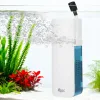
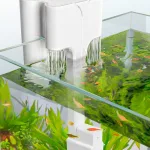
AQQA 12W 112GPH Hang On Aquarium Filter, Power...
Original price was: $14.99.$9.99Current price is: $9.99.













Add comment
You must be logged in to post a comment.