
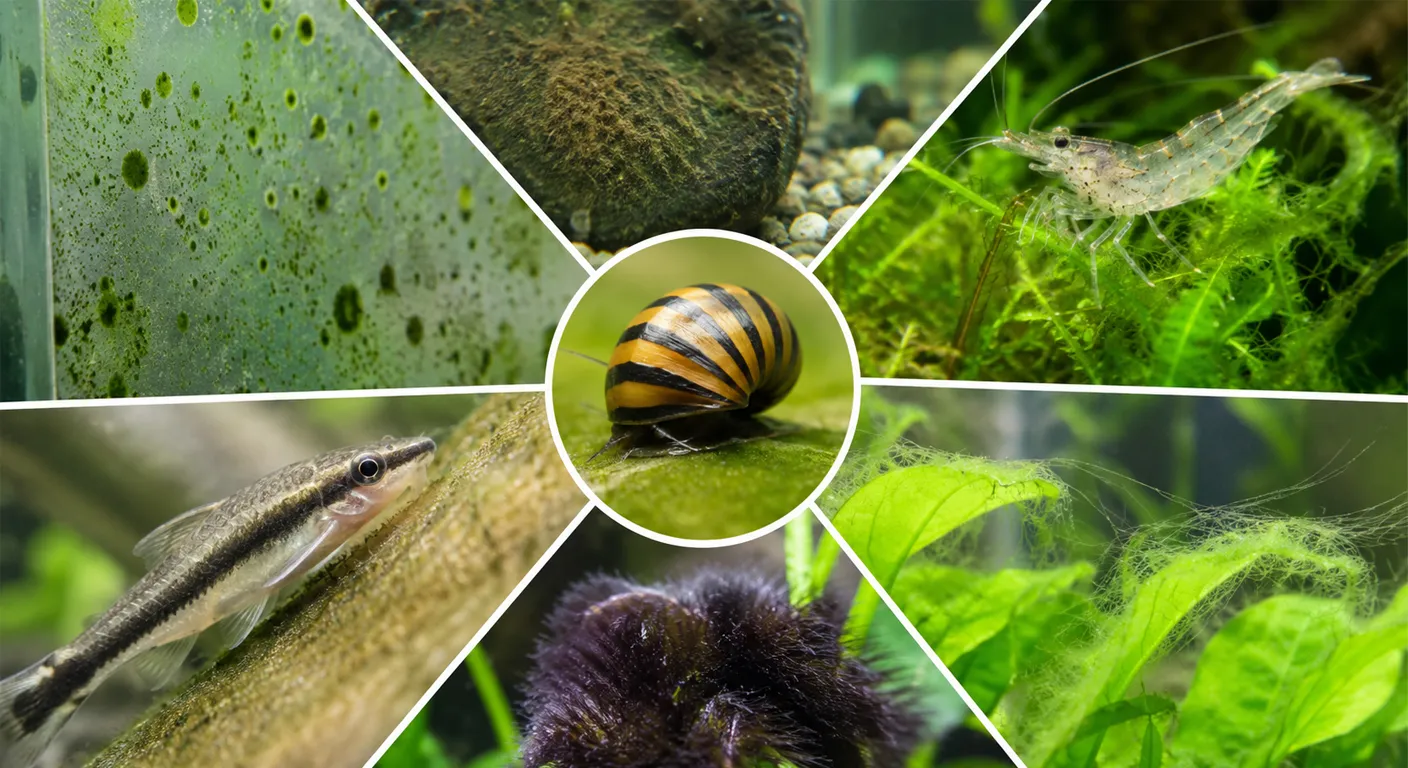
A few green dots on the glass. That’s how it started. Then, a few weeks later, the substrate was brown, water truns into green, and those “miracle algae eaters” you bought were just cruising around doing absolutely nothing. Your tank was turning into a swamp, and they couldn’t care less.
Here’s the thing. There’s no such thing as a universal algae eater. The right one depends entirely on what you’re actually dealing with. And even the right one won’t fix things alone. They’re part of the solution, not the whole thing.
In this guide, we’ll walk through the most common types of aquarium algae and match each one with the organisms that actually eat it.
Understand Your Algae First
Before you buy anything, you need to know what you’re looking at. Different algae have different causes and need different solutions. Just dropping in a random algae eater without identifying the type first is a gamble. It might do nothing. It might make things worse.
Green stuff is not just green stuff. Brown stuff is not just brown stuff. Take a proper look at your tank before you do anything else.
| Algae Type | What It Looks Like | Where It Usually Grows |
| Green dust algae | Fine green film, wipes off easily | Glass panels |
| Green spot algae | Hard, dark green dots | Glass, slow-growing plant leaves |
| Diatoms / brown algae | Soft brown dusty coating | Substrate, décor, glass |
| Hair/thread algae | Long, thin strands, stringy | Plants, hardscape, filter intakes |
| Staghorn algae | Grey or green, branching like antlers | Plant leaves, hardscape edges |
| Black beard/brush algae | Dark tufts, tough and dense | Plants, rocks, driftwood |
How to Identify Algae Correctly
Visual clues: Start with color, texture, and where it’s growing. Green and wiping off easily is very different from black tufts that won’t budge no matter what you do.
When in doubt: Take a clear photo and post it to an aquarium forum or community group. Misidentifying algae and treating for the wrong type of waste wastes time and money.
Don’t treat all green stuff the same: Green dust algae, hair algae, and green spot algae all look vaguely similar at first glance. They have completely different causes and completely different solutions.
Best Eaters for Algae Types Matching Guide
Here are detail of these algae eaters:
Nerite Snails
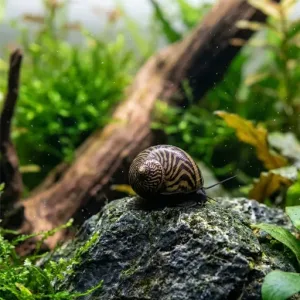
Nerite snails are small, hardy, and genuinely good at their job. They stay compact, work constantly, and don’t reproduce in freshwater, which means they won’t take over your tank. For certain types of algae, they’re hard to beat.
What makes them worth it is how methodically they graze. They move slowly across every surface and scrape as they go. That’s great for some algae. For others, it’s completely useless.
What they eat: Green dust algae, diatoms, green spot algae, some biofilm
What’s causing those algae: Too much light, new tank syndrome, excess nutrients, insufficient water changes
How to use them effectively: Add 1 snail per 5 gallons roughly. Make sure there’s enough surface area for them to graze. Don’t over-clean the tank, or you’ll remove their food source before they get to it.
Watch out for: They lay white eggs on hardscape and glass that are very hard to remove. Also won’t touch hair algae, staghorn, or black beard at all.
Otocinclus Catfish
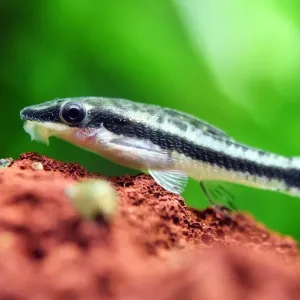
Tiny, peaceful, and surprisingly effective on the right type of algae. Otos are often recommended as beginner fish, but they’re actually quite fragile. They arrive at stores already stressed and need a mature, stable tank to survive long term. Get that right, though, and they’re one of the best options for soft green algae.
They graze constantly and cover a lot of surface area for their size. The problem is that their diet is narrow. Step outside their preferred algae, and they’re not interested.
What they eat: Diatoms, green dust algae, soft green biofilm
What’s causing those algae: New tank syndrome, excess light, low surface agitation, inconsistent water changes
How to use them effectively: Keep them in groups of at least four to six. Add them to a tank that’s been running for several months. Supplement with algae wafers or blanched zucchini when natural algae runs low.
Watch out for: Very sensitive to water quality. Don’t add them to new or unstable tanks. They starve quietly, and most people don’t notice until it’s too late.
Amano Shrimp
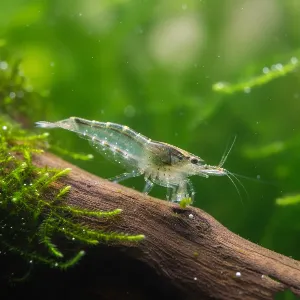
Amano shrimp are the workhorses of the algae-eating world. Bigger than most shrimp, constantly moving, and willing to eat types of algae that most other creatures ignore. They’re one of the few things that will actually go after hair algae and thread algae with any real enthusiasm.
They won’t eliminate a serious outbreak on their own, but as part of a balanced approach, they’re genuinely impressive. Keep them well fed with algae, and they stay focused. Let the tank run clean, and they’ll start picking at plants instead.
What they eat: Hair algae, thread algae, soft green algae, diatoms, some staghorn algae
What’s causing those algae: Excess nutrients, high light without CO2, inconsistent fertilization, poor circulation
How to use them effectively: Add in groups of at least six. More algae means more shrimp are needed. A tank with a serious hair algae problem might need ten or more to make a visible dent.
Watch out for: Will eat soft plant leaves if algae runs out. Vulnerable to any fish large enough to eat them. Copper in medications kills them instantly.
True Siamese Algae Eater (SAE)
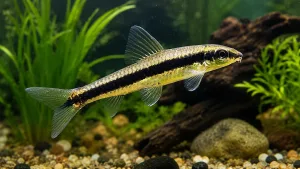
The true SAE is one of the most sought-after algae eaters in the hobby and also one of the most misidentified. Flying foxes and false SAEs get sold under the same name constantly, and they don’t do the same job. The real one has a solid black stripe that runs all the way through the tail fin. That’s how you tell them apart.
Get the right fish, and you have one of the very few species that eat black beard algae and staghorn reliably. That alone makes them worth tracking down.
What they eat: Black beard algae, staghorn algae, hair algae, general soft algae
What’s causing those algae: Low CO2, fluctuating CO2 levels, excess phosphate, poor flow
How to use them effectively: Keep in groups of three or more. They work better with the company. Make sure the tank is large enough since they grow to six inches.
Watch out for: Often mislabeled in stores. Confirm the species before buying. They get lazy and less interested in algae as they age and get larger.
Bristlenose Pleco
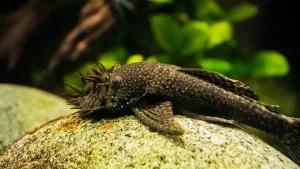
The bristlenose pleco is the sensible alternative to the common pleco. Stays under six inches, does real work on certain algae types, and doesn’t produce the kind of waste that tanks a whole filtration system. They rasp constantly at surfaces and are especially good on green spot algae and general biofilm.
They need driftwood in the tank. Not optional. They graze on it, and it helps their digestion. Without it, they decline slowly even if they look fine for a while.
What they eat: Green spot algae, green dust algae, biofilm, diatoms
What’s causing those algae: Excess light, inconsistent cleaning, low-flow areas
How to use them effectively: Provide driftwood as a permanent fixture. Supplement with algae wafers and blanched vegetables a few times a week. One per tank is usually enough.
Watch out for: Won’t touch hair algae, black beard, or staghorn. It can damage soft plant leaves if underfed. Males get territorial with other plecos.
Ramshorn / Bladder / MTS Snails
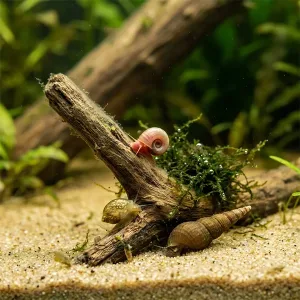
These are the snails most people find in their tank without buying them. They hitch a ride on plants and spread fast. Most hobbyists see them as pests. They’re not entirely wrong, but these snails do serve a purpose. They clean up leftover food, decaying plant matter, and soft algae constantly.
The problem is population control. Give them enough food, and they multiply fast. Keep the tank clean, and their numbers stay manageable on their own.
What they eat: Soft algae, biofilm, diatoms, decaying plant matter, and uneaten food
What’s causing those algae: Overfeeding, excess nutrients, inconsistent maintenance
How to use them effectively: Let them do their thing, but don’t overfeed. Their population naturally reflects how much excess food and waste is in the tank. If numbers explode, that’s a sign of a bigger problem.
Watch out for: Can overpopulate fast in a well-fed tank. Won’t touch green spot, black beard, or hair algae. Some fish will eat them, which keeps numbers in check naturally.
When Algae Eaters Aren’t Enough
Algae eaters help. They don’t fix things. If the real cause is still sitting there, the algae just keep coming back no matter what you put in the tank.
Check Your Fundamentals
Light duration and intensity: Too many hours and you’re basically growing algae on purpose. Eight hours a day is plenty. Go past that, and no algae eater alive will keep up.
Fertilization routine: Plants need them, but if they’re not growing fast enough to use what you’re putting in, algae take the rest. Dial it back.
Filtration and water change schedule: Nitrates pile up, and algae eat them happily. Skip a few water changes, let the filter go dirty, and you’ll see it on the glass before long.
Stocking and feeding habits: Crowded tank, lots of food going in, lots of waste coming out. That’s free nutrition for algae. If the tank is already full, throwing in more algae eaters just adds to the problem.
Common Mistakes
Buying more fish to fix an algae problem in a tank that’s already too full. More fish means more nutrients, not less algae.
Ignoring water parameters and then being surprised when the algae eaters look stressed and stop working.
Expecting it to clear up in a couple of days. It won’t. Give it weeks, not days.
Choosing the Right Algae Eater for Your Tank
Not every algae eater fits every tank. Get the wrong one, and it either does nothing or creates a whole new problem.
Consider Tank Size and Layout
Nano tanks under 15 gallons: Nerite snails, otos, small shrimp. That’s your list. SAEs and plecos get too big, and the waste they produce in a small tank makes your water quality worse, not better.
Mid-size tanks 20 to 55 gallons: More room means more options. Bristlenose plecos, Amano shrimp, and SAEs all work here without overcrowding things.
Large tanks above 55 gallons: Pretty much anything on the list works. Bigger volume gives even territorial species enough space to stay out of each other’s way.
Planted aquascapes: Keep it gentle. Otos, nerites, Amano shrimp. Anything that digs, uproots, or chews through leaves doesn’t belong in a carefully planted tank.
Consider Water Parameters and Temperament
Soft vs hard water: Nerites and Amano shrimp want harder water with stable minerals. Otos and SAEs prefer softer, slightly acidic water. Put them in the wrong conditions, and they slowly decline even when everything else seems fine.
Compatibility: Big fish eat Amano shrimp. Aggressive tankmates shut otos down completely, and they stop grazing. Nerites get left alone by almost everything. Know your tank before you add anything new.
Conclusion
Start with the algae, not the animal. That’s the whole point of this guide. Most people walk into a store and grab whatever’s labeled algae eater without knowing what type of algae they’re dealing with. Wrong creature for the wrong algae, and nothing improves, no matter how many you add.
Algae eaters are helpers, not miracle workers. Fix the root cause first. Too much light, skipped water changes, overfeeding. Get those under control, and the algae eaters you pick will actually do something useful. Leave the real problem alone, and a tank full of snails still won’t save you.
Stay consistent with the small stuff. Daily attention, balanced lighting, a steady feeding schedule. The hobbyists who rarely deal with algae problems aren’t lucky. They just built good habits and stuck to them. That’s really all it takes.

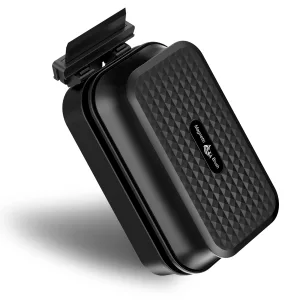
AQQA Aquarium Strong Magnetic Cleaner Brush, Algae Magnet...
Original price was: $20.69.$19.54Current price is: $19.54.


Add comment
You must be logged in to post a comment.