
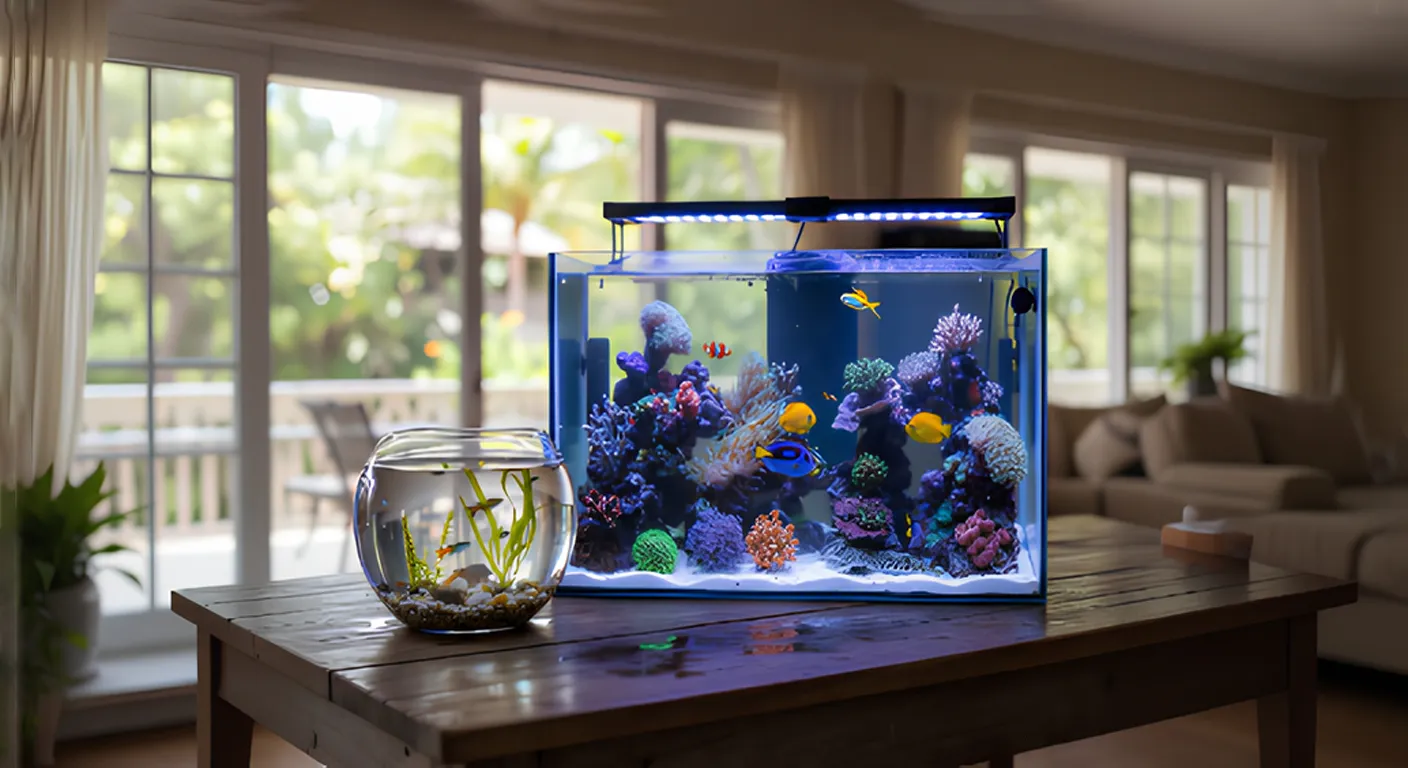
Ever found yourself in a pet store, looking at all these fish tanks? You’re seeing saltwater tanks with bright, colorful fish on one side, and freshwater tanks on the other. You’re just standing confused and no one is explaining you the difference either. Should you go with saltwater because it looks cooler? Or freshwater, because everyone says it’s easier?
Simply put, freshwater tanks have fish from rivers and lakes. Saltwater tanks have ocean fish. Sounds simple, right? But that one difference changes everything – how much cash you’ll drop, how much time you’ll spend on it, and how complicated things get.
In this guide, we’ll break down freshwater vs saltwater for you: what each costs, how hard they actually are, what equipment you need, and which one makes sense for your situation. Keep reading to uncover everything in details.
Freshwater vs Saltwater: Definition and Difference
Okay, so before you pick one, you need to know what you’re actually getting into with each type.
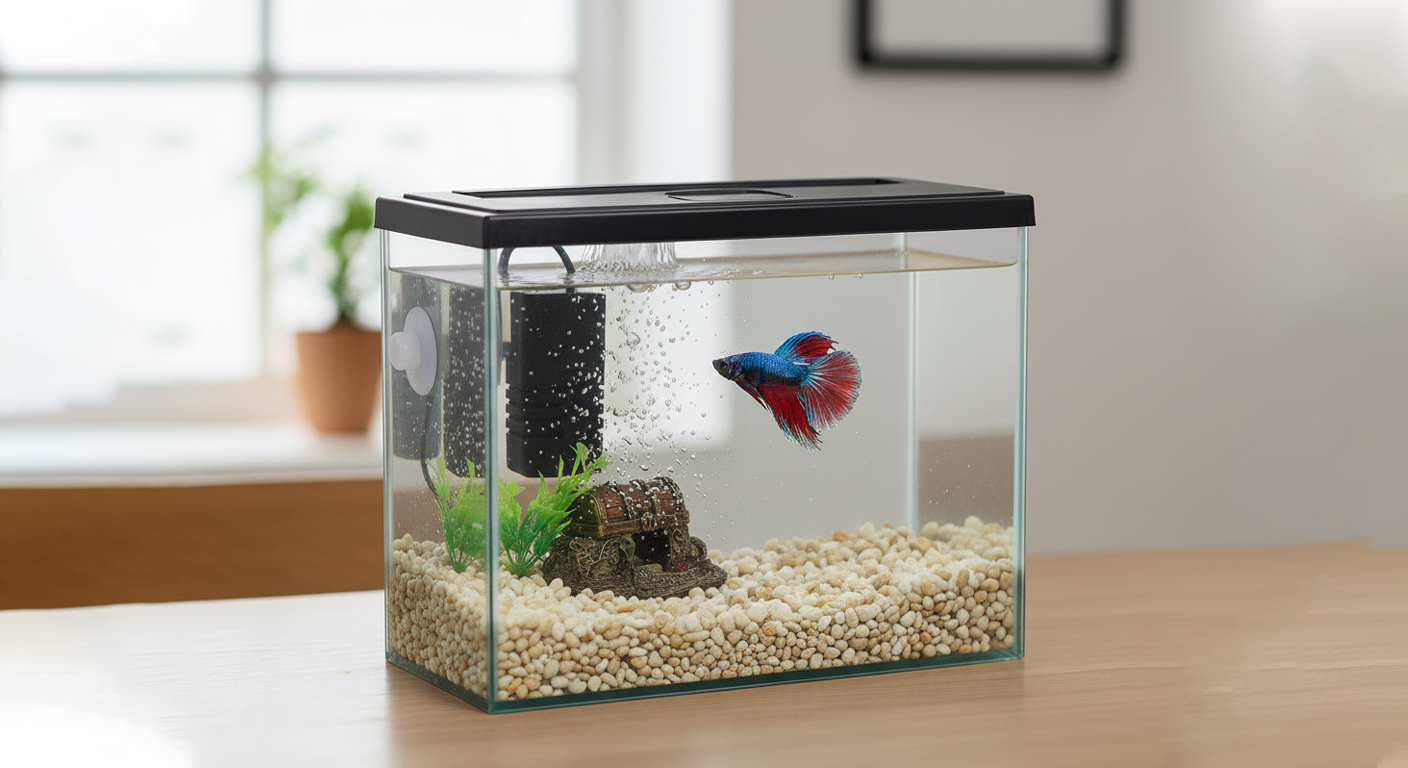
What is a Freshwater Aquarium?
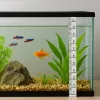
Freshwater tanks are your tiny streams, lakes, and rivers. You just use regular tap water (with some conditioner added to get rid of the chlorine), and you’re good to go.
Fish you’ll see in these tanks:
Tetras
Guppies
Cichlids
Livebearers like Mollies and Platies
You can set these up as planted tanks with lots of green stuff, community tanks where different fish hang out together, or biotope tanks that copy real-life freshwater spots. These are way easier to take care of, don’t cost as much, and they’re perfect if you’re just starting out.
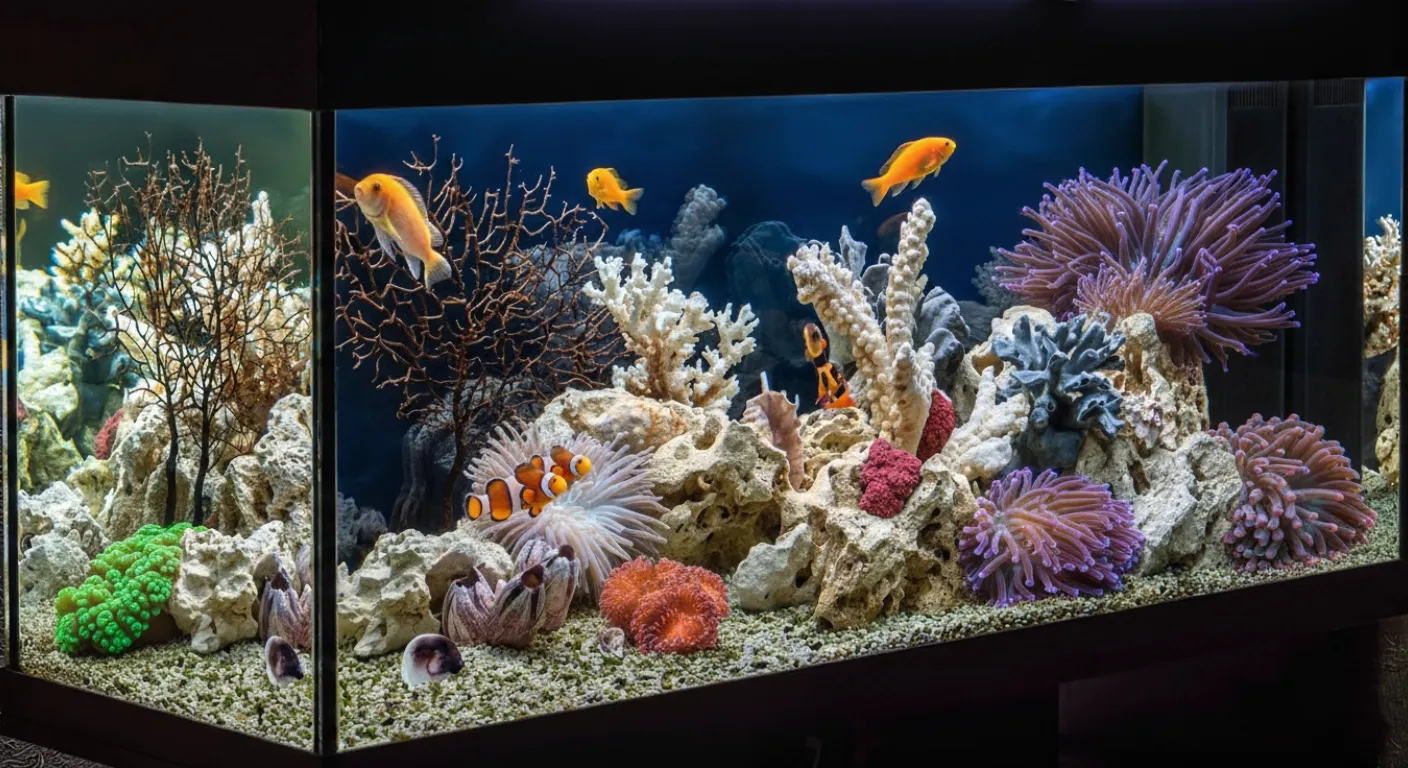
What is a Saltwater Aquarium?
Saltwater tanks, also known as marine tanks, are like having a piece of the ocean in your house. You mix purified water with special marine salt to get it right. These tanks usually have coral reefs, live rocks, and really colorful ocean fish.
Fish you’ll see in these tanks:
Clownfish
Tangs
Angelfish
Corals and other weird ocean creatures (if you go with a reef setup)
You can do reef tanks with all the corals, fish-only tanks, or FOWLR (that’s Fish Only With Live Rock). Saltwater setups look absolutely amazing, but they’re gonna cost you more and need way more work to keep running.
The Difference Between Freshwater and Saltwater Tanks
| Feature | Freshwater Tank | Saltwater Tank |
| Water Type | Tap or purified water | Purified water mixed with marine salt |
| Salinity | 0 ppt (parts per thousand) | ~35 ppt |
| Fish Variety | Hardy, adaptable species | Colorful but sensitive marine species |
| Plants | Live plants thrive easily | Limited live plants; more corals and rocks |
| Cost | More affordable | More expensive setup and maintenance |
| Equipment | Basic filter, heater, substrate | Specialized filtration, skimmer, and salinity monitor |
We recommend using a freshwater aquarium because it checks more boxes than a saltwater tank. You can maintain it easily, it’s more forgiving of your mistakes, and it offers a wide range of colorful fish. Keep reading because below we’ll discuss some more reasons why it’s a good choice.
Freshwater Tank: The Beginner’s Foundation
Beginners with knowledge of just basic fish keeping are recommended to use a freshwater tank. They’re the perfect way to get started and master the aquarium basics so you can then move to more complex systems.
Pros and Cons of Freshwater Tank
| Pros | Cons |
| Easy setup and maintenance | Less color diversity compared to marine fish |
| Affordable equipment and supplies | Limited exotic species |
| Ideal for learning tank cycling and care | Fewer coral/invertebrate options |
| Compatible with live plants | Some fish can overbreed easily |
Recommended Setup Checklist
Tank Size: 20–40 gallons for stability
Filtration: HOB (Hang-on-Back) for simplicity or Canister filter for stronger filtration
Heating and Thermometer: Maintain stable temperatures (75–80°F)
Substrate and Decor: Use gravel or sand with safe decorations and live plants
Saltwater Tank: The Advanced Challenge
Saltwater tanks are for people who want that super colorful ocean look but can actually handle the extra work and money it takes.
Quick version: Saltwater tanks look incredible but you need be really careful with water chemistry and keeping your equipment working right.
Pros and Cons of Saltwater Tank
| Pros | Cons |
| Spectacular, vivid fish and coral colors | High setup and maintenance cost |
| Unique marine ecosystem | Requires precise water parameters |
| Endless creative possibilities (reef tanks) | More time and equipment investment |
| Great for experienced hobbyists | Sensitive to sudden changes |
Recommended Setup Checklist
Specialized Water: Use RO/DI water with marine salt mix
Salinity Measurement: Use a hydrometer or refractometer for accuracy
Enhanced Filtration: Include protein skimmer and live rock filtration for biological stability
Freshwater VS Saltwater: The Nitrogen Cycle
Here’s something nobody explains properly. Your fish poop. That poop turns into ammonia. Ammonia kills fish. End of story, right? Not quite.
You need tiny bugs (bacteria) living in your tank that eat this ammonia and turn it into something less deadly. Without these little guys, your fish are going to have a bad time.
What is Tank Cycling
Cycling just means waiting for these bacteria to show up and multiply in your tank. They live in your filter, on your gravel, on decorations – pretty much anywhere.
Here’s how it works: Bacteria eat the fish poop ammonia and turn it into nitrite. Then other bacteria eat the nitrite and turn it into nitrate. Nitrate still isn’t amazing, but it won’t kill your fish as fast, and you can get rid of it when you do water changes.
This takes 2 to 6 weeks. Yeah, it’s boring. But you need to wait. Test your water while this happens. When the test shows 0 ammonia and 0 nitrite, you’re good. Add your fish.
Cycle: Freshwater vs Saltwater Tank
Both tanks need this and you can’t skip it.
Freshwater: Bacteria grow on whatever’s in your tank. Filter stuff, rocks, gravel. Pretty straightforward. They multiply and you’re done in a few weeks.
Saltwater: You use live rock and live sand from the ocean. These already have bacteria on them, so sometimes it’s faster. But saltwater bacteria are drama queens. Change the temperature or salt level even a little bit and they stop working. You need to baby them more.
Conclusion
We’ve covered everything about these two types, and going with the freshwater tank is your best choice. It’s affordable and it doesn’t punish you when you make a mistake. You’ll also learn all the important stuff like cycling and water changes without stressing out too much. This will keep your fish-keeping journey smooth and stop you from being overwhelmed all the time.
Saltwater is for later, once you actually know what you’re doing. Yeah, it looks amazing with all those bright colors and corals, but it demands expertise, and you need to earn your way there. Get the basics down first, and that’s to start with a freshwater tank
Either way, keeping fish is pretty relaxing once you’re used to everything. Go with something that makes sense for you right now and never stop learning. Then observe and see where all goes.
FAQ
1. I’m a beginner, but I prefer a saltwater tank. Any advice?
Start with a 30-40 gallon tank. Get a good skimmer and some live rock. Test your salt levels a lot. Don’t add too many fish right away.
2. How to mix saltwater for a marine tank?
Use RO/DI water (purified water). Add marine salt mix slowly. Test it until you hit 1.025 specific gravity. Then you can add it to your tank.
3. I’d like to DIY the saltwater tank, so how to create saltwater?
Get aquarium sea salt and mix it in purified water. Let it circulate for 24 hours. Test it before putting it in your tank.
















Add comment
You must be logged in to post a comment.