

Goldfish can live with peaceful, cool-water tank mates that will not nip their fins, compete aggressively for food, or fit in their mouths. Understanding which fish can actually live peacefully with goldfish is not just about avoiding disaster.
This guide breaks down why some species work beautifully while others turn your tank into a stress zone, giving you the exact rules and species list you need to build a thriving community tank.
What Are The 4 Golden Rules For Keeping Goldfish
Getting tank mate selection right starts here. These four rules act as a filter for every species decision you will ever make for your goldfish tank.
| Compatibility Factor | What Works | What to Avoid |
| Temperature | Cold-water species (60–75°F) that match goldfish’s needs | Tropical fish requiring 78°F+ (tetras, bettas, most cichlids) |
| Size | Fish large enough to avoid being eaten or small enough to escape quickly | Tiny, slow swimmers that fit in goldfish mouths |
| Temperament | Peaceful, non-aggressive species that won’t nip fins | Fin nippers, territorial fish, or overly aggressive feeders |
| Diet | Omnivores with similar feeding pace and requirements | Specialized feeders or fish that require live foods exclusively |
Here is the key distinction that clears everything in your mind. The fancy goldfish are slow swimmers with delicate fins and vulnerable bodies, while common and comet goldfish are fast, competitive, and built for speed. This difference means they need completely different tank mates. What works for a fancy goldfish tank will get outcompeted in a common goldfish setup, and what thrives with commons might stress out or injure fancies.
12 Best Goldfish-Compatible Tank Mates
Not all goldfish are the same, so the 12 species below are split by goldfish type. Match the right companion to your specific fish, and you avoid most of the common problems people run into.
Best Tank Mates for Fancy Goldfish
Fancy goldfish are slow swimmers with delicate fins. They need calm, similarly-paced companions that will not outcompete them for food or cause injury.
1. Rosy Barbs
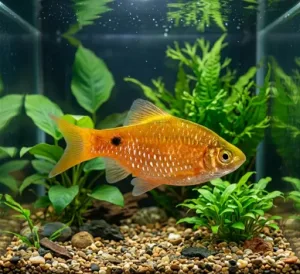
One of the few barbs safe for goldfish tanks, and they stay peaceful when kept in schools of six or more.The temperature range of 64–72°F lines up perfectly with goldfish’s needs, and they are large enough to avoid being eaten. Just make sure you have enough space because a school needs room to move.
2. White Cloud Mountain Minnows
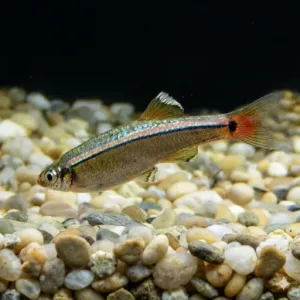
Cold-tolerant, peaceful, and fast enough to avoid goldfish mouths when they get curious. These little guys thrive at 60–72°F and actually prefer cooler water, which makes them nearly ideal. Keep them in groups of six or more for the best behavior. They are active without being aggressive, which is exactly what you want.
3. Zebra Danios
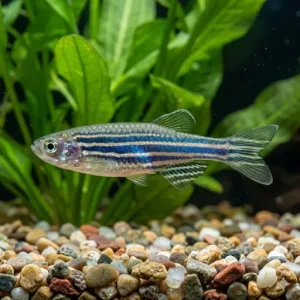
Hardy, active, and comfortable at cooler temperatures. Quick enough to avoid goldfish even when food is involved, and they work especially well in tanks 40 gallons and under. They bring movement and life to the tank without adding stress.
4. Hillstream Loaches
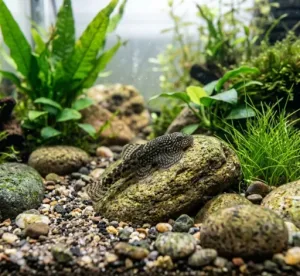
Flat body shape makes it nearly impossible for goldfish to swallow, even if a goldfish tries. Double benefit here: they graze on algae and have a compatible temperament. They prefer 65–75°F, and watching them stick to glass or rocks is genuinely entertaining.
5. Mystery Snails
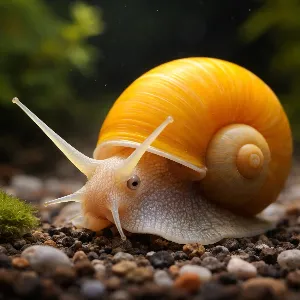
The single safest invertebrate for a fancy goldfish tank. Their shells are too large and hard for goldfish to crack, and they double as a cleanup crew for leftover food and algae. Low maintenance, peaceful, and they add a different type of movement to the tank.
6. Other Fancy Goldfish Varieties

Safest pairing of all, but you need to match varieties carefully. Do not mix telescope eyes with faster fancies because the slower ones will lose the food competition every time. Orandas with ryukins work well. Ranchus with telescopes works well. Just think about swimming ability and match accordingly.
Best Tank Mates for Common & Comet Goldfish
Common goldfish are faster and more competitive. They need companions that can hold their own without becoming aggressive or territorial.
1. Weather Loaches (Dojo Loaches)
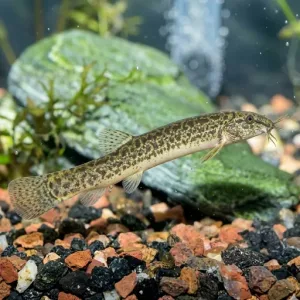
One of the most reliable companions for common goldfish. The temperature range of 50–75°F gives you flexibility, and they are too large to be eaten once they reach adult size. Bottom dwellers that clean up leftover food, and they have personality without being pushy.
2. Giant Danios
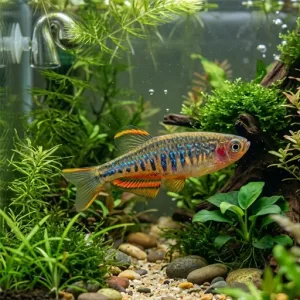
Larger and faster than zebra danios, which makes them proportionate to bigger common goldfish. Best for 55+ gallon setups because they are active schooling fish that need space. They hold their own during feeding time without causing problems.
3. Koi (Pond or Large Tank Only)

Natural companions for the commons because they have similar feeding styles and temperaments. But this only works in a 150+ gallon tank or outdoor pond minimum. Do not try this in a small tank. It will not end well.
4. Amano Shrimp (Situational)
-300x300.webp)
The largest commonly available shrimp, which gives them the best chance of survival with goldfish. Not guaranteed to work. Heavy planting is required to create escape cover, and you need to accept the risk that your goldfish might snack on them. Some people have success. Others do not.
5. Nerite Snails
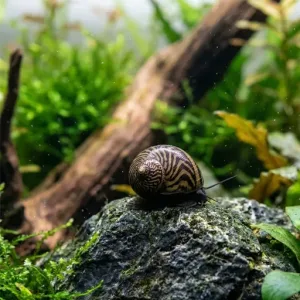
Hard-shelled algae-cleaning workhorses that are too tough for goldfish to crack. Bonus: they do not reproduce in freshwater, so you avoid a population explosion. Simple, effective, and low drama.
6. Rudd (Pond Only)
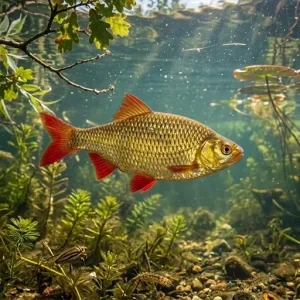
Active mid-water swimmers perfectly matched outdoor common goldfish ponds. Nearly identical care requirements, and they look great together. Not suitable for indoor aquariums because they need space and depth.
What Fish To Always Avoid With Goldfish
Knowing what does not work is just as important as knowing what does. These are the most commonly attempted but definitively incompatible pairings.
Betta Fish
Temperature mismatch is the first problem (bettas need 78–80°F while goldfish thrive at 68–72°F), but aggression is the bigger issue. Bettas will either attack goldfish fins or get stressed by goldfish size and activity levels. Either way, someone ends up miserable.
Neon/Cardinal Tetra
These are tropical fish requiring 74–78°F minimum, which is too warm for goldfish long-term. They are also small enough to become snacks if a goldfish gets curious or hungry. The temperature difference alone makes this pairing a nonstarter.
Tiger Barbs: Notorious fin nippers that will shred fancy goldfish fins and stress out even common goldfish. They are aggressive feeders and territorial in ways that clash completely with goldfish temperament. Just skip them entirely.
Cichlids
Most cichlids (except a few rare cold-water species) are tropical, territorial, and aggressive. They need warmer water than goldfish, and they will harass goldfish constantly. Even peaceful cichlid species do not work because of temperature incompatibility.
Common Plecos
They grow massive (12–24 inches), produce enormous amounts of waste, and have been known to attach to goldfish bodies to feed on their slime coat. This stresses goldfish out badly and can cause injury or infection. Smaller pleco species exist, but common plecos are a disaster waiting to happen.
Guppies
Tropical fish that need 74–82°F, and they are small enough to be eaten by adult goldfish. Even if they avoid being eaten, the temperature stress will shorten their lifespan dramatically. Not worth the risk.
How To Introduce Tank Mates Safely
Choosing the right fish is only half the job. A poor introduction can turn a compatible species into a problem. Here is how to do it correctly.
1. Quarantine first: Keep new fish in a separate tank for at least two weeks before adding them to your goldfish tank. This prevents disease transmission and lets you observe behavior without risking your established fish. Quarantine tanks do not need to be fancy. A simple 10–20-gallon setup with a sponge filter works fine.
2. Acclimate properly: Float the bag in your tank for 15–20 minutes to match the temperature, then slowly add small amounts of your tank water to the bag over another 20–30 minutes. This gradual process helps new fish adjust to different water parameters without shock. Rushing this step stresses fish out and weakens their immune systems.
3. Introduction at lights-off: Add new fish right before turning tank lights off for the night. Darkness reduces immediate territorial behavior and gives new fish a chance to explore and find hiding spots without constant attention from established tank mates. By morning, everyone is a bit more used to each other.
4. Watch for red flags in the first 72 hours: Check for chasing, fin nipping, or one fish constantly hiding. A little curiosity is normal, but persistent aggression or stress means the pairing might not work. Do not wait weeks to see if it improves. If aggression is obvious early, it usually gets worse, not better.
Conclusion
Goldfish compatibility comes down to four factors: temperature, size, temperament, and diet. Whether you keep fancy or common goldfish shapes the entire decision tree. The 12 species above are your safest, most reliable options, tested by countless hobbyists over decades. Stick to the avoid list, and you sidestep the most common and costly mistakes.
You need to start with just one or two compatible species, observe behavior in the first week, and build the community gradually. Patience here prevents problems later.
FAQ
1. Can fancy and common goldfish live together?
Technically, yes, but it is not recommended. Common goldfish are faster and more aggressive during feeding, which means fancy goldfish often lose the food competition and become stressed or malnourished over time. If you must mix them, overfeeding slightly can help, but separate tanks are the better long-term solution.
2. What is the safest algae eater for a goldfish tank?
Mystery snails or nerite snails are the safest options for algae control. Hillstream loaches also work well if you have proper flow and oxygenation. Avoid common plecos entirely due to size and aggression issues.
3. Can goldfish live with snails?
Yes, but only larger hard-shelled species like mystery snails and nerite snails. Small snails, like bladder snails or ramshorn snails, may get eaten. Mystery snails are the most reliable choice because their size and shell thickness make them nearly indestructible to goldfish.
3.7 Gal Aquarium Kit: Filter, 10-Color Light, Self-Cleaning,...
Original price was: $81.99.$77.39Current price is: $77.39.












Add comment
You must be logged in to post a comment.