

Observing aquarium fish worms is often limited to a significantly short time in nano tanks, particularly when confining a large number of fish or shrimp in a very compact environment. One can observe white, hair-like worms moving in the gravel, flat worms sliding on the glass, or thread-like worms in the water. These unexpected encounters usually cause your stress, and the major factor is that they are unwelcoming, not to mention that they usually come out of the blue.
The use of nano tanks results in a worm appearing faster since all the actions occur within a small amount of water. There is an increased accumulation of waste, concentrated food in a limited space, and more often filtration is overloaded. Certain worms are absolutely harmless, indicating a well-functioning ecosystem, and others need urgent treatment. Understanding the difference helps you maintain a cleaner and safer aquarium.
In this article, you will learn what aquarium worms are, why nano tanks grow them faster, and how you can remove the unwanted ones safely. Keep reading to understand the real reasons behind these worms and the best ways to control their growth.
What Are Aquarium Worms
Aquarium worms are tiny creatures and live within warm, fresh water areas where they consume remnant organic matter. Naturally, many worm species are a common occurrence in aquariums as on live plants, filter media, fish, or substrate. Particularly useful worms are the ones that aid in the disintegration of rubbish, whereas parasitic worms should be removed promptly.
These worms are usually invisible even in large aquariums since the environment is larger and more balanced. Nano tanks show faster worms due to the fact that small systems add concentration to waste and highlight small imbalances. Worms are simply reacting to the conditions, and their presence often reflects the overall hygiene of the tank.
The Common Types of Worms in Nano Tanks
Nano tanks usually show three main worm groups. Understanding these types helps you match what you see with real species found in home aquariums.
1. Detritus / Annelid Worms

One of the most frequent worms that does harm to the aquariums is the detritus worm. It lives within the substrate and only emerges when the oxygen levels decrease. They resemble white or brown very fine threads passing through the gravel. Detritus worms are useful in cleaning rotten leaves and old food, as well as fish remains. Typical examples are Naididae, Aeolosoma, and Enchytraeidae worms.
2. Flatworms
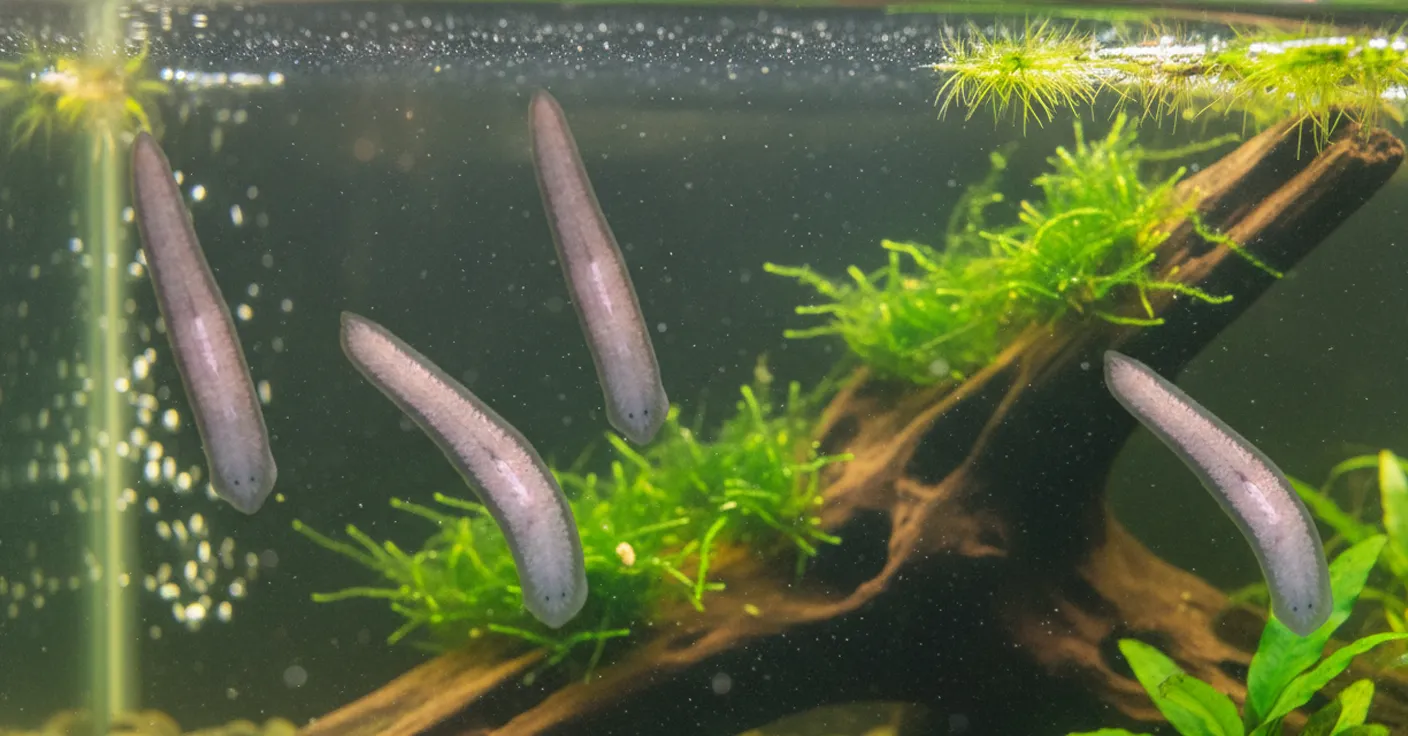
The flatworms move gently in wavelike motion over decorations or glass. Others are safe, like the rhabdocoela that remain minuscule and live off minute algae. Others, such as planaria, are more problematic, since they consume the eggs of shrimp and fish. Planaria have a triangle-like head, with a soft, flat body that may stretch and contract.
3. Parasitic Nematodes
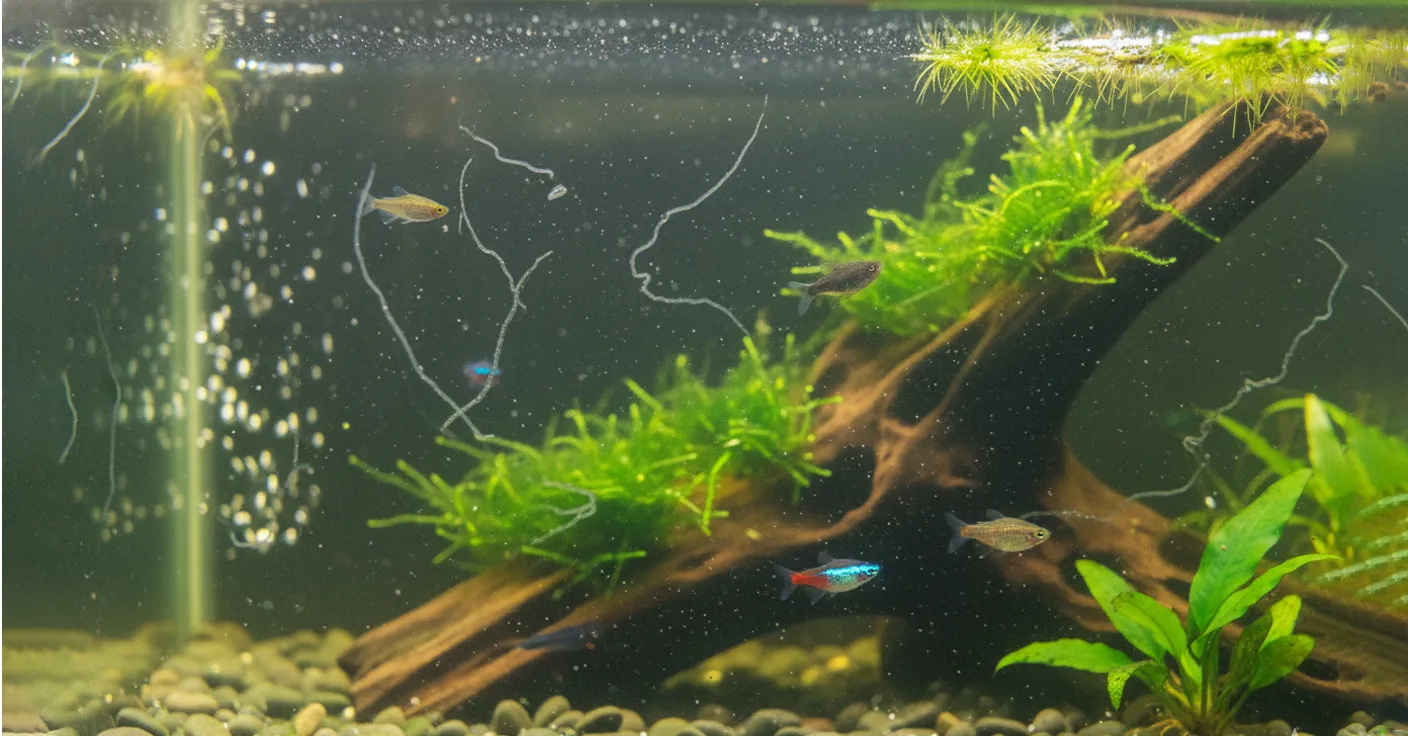
These worms destroy fish and penetrate internal organs or tissues. They are observed when the fish shed them via the cloaca or when the worms are found in new feces. The parasitic nematodes can be red, white, or transparent depending on the species. The Camallanus red worms are the most common nematodes in freshwater tanks.
Quick Worm ID Table
| Worm Type | Where They Stay | How It Looks | Risk in Most Nano Tanks |
| Detritus/annelid | Substrate, filter sponges | Thin, hair-like, white or brown | Low |
| Planaria | Glass, substrate | Flat body, triangle head | Medium to high |
| Rhabdocoela | Glass, plant leaves | Clear, tiny, rounded head | Low |
| Parasitic nematode | Inside fish or feces | Thin, long, red or white | High |
Good or Evil: Worms in Aquariums
Some worms support the ecosystem, while others indicate serious trouble.
When Nano Tank Worms Are a Good Sign
The absence of the worms confirms the presence of a functioning detritus layer. They demonstrate that there are positive bacteria, microorganisms, and small-scale scavengers that are collaborating to decompose organic material. This implies that your tank has already achieved a bare minimum of an ecological balance, even though it may require some maintenance.
Miniature Cleaners
The function of detritus worms is to recycle waste, make substrate aerated as well as, and lessen ammonia spikes. They consume stale food until it spoils, and then it slowly returns nutrients to plants. They act more or less like natural housekeepers.
Ecosystem Health Indicators
An average amount of worms, copepods, seed shrimp, and small crustaceans indicates that your nano tank has a number of trophic levels. These organisms can supply healthy nutrient cycling and demonstrate that your tank is able to bear a biological load.
When Worms in a Nano Tank Mean Trouble
Some worms and certain behaviors are red flags you should never ignore.
Visual and Behavioral Warnings
Worms emerging from the fish’s cloaca or moving through fresh feces.
Planaria bite shrimp, attacking fish eggs, or consuming baby shrimp.
Quantity and Distribution Warnings
An explosion of worms floating in the water or covering the glass.
Fish gasping at the surface, losing weight, acting nervous, or showing disease symptoms.
These signs suggest parasites, severe overfeeding, or poor water quality.
4 Reasons Nano Tanks Grow Aquarium Fish Worms Sooner
You now understand the worm types, so let’s explore the main reasons nano tanks get worms earlier than larger tanks.
1. Higher Stocking Density per Gallon
Nano tanks often hold more fish or shrimp than the space allows, which produces excessive waste.
Small species such as guppies, mollies, and bettas produce more waste than most people expect. When you keep several of them in a nano tank, the biological load increases quickly. Worms thrive because they feed on this constant waste.
Shrimp multiply quickly, and snails breed even faster. Every molt, leftover pellet, or dead plant leaf becomes food for worms. More shrimp and snails mean more micro-waste, which fuels worm growth.
Waste settles under plants, behind rocks, and in sponge filters. Even small increases in waste create concentrated food pockets that worms love. A nano tank simply can’t dilute this waste.
2. Overfeeding Without Scaling Down
Overfeeding is the most common cause of worm blooms in small tanks. Most people feed nano tanks the same way they feed bigger tanks. The result is too much food falling to the bottom. Fish may only eat from the surface, leaving the rest behind.
Food falls into corners, cracks between plants, and gaps under driftwood. Because nano tanks are compact, these spots accumulate waste faster. Worms immediately gather around decomposing food because it provides rich nutrition.
When food is abundant, worms reproduce at extremely fast rates. Rhabdocoela and detritus worms multiply especially fast in nutrient-rich pockets.
3. Improper Maintenance of Nano Aquariums
Nano tanks require very specific cleaning methods. Poor maintenance is a major contributor to worm build-up.
Many fish keepers avoid vacuuming the substrate because they fear disturbing beneficial bacteria. Shrimp owners especially avoid touching the substrate. Over time, fine debris accumulates and forms a thick layer of worm food.
Water changes lower nitrate levels, but does not remove the solid waste stuck under sand or gravel. The hidden debris decomposes slowly and becomes an ideal breeding ground for worms.
Rocks, driftwood, moss, and root-heavy plants trap fine debris. Without routine deep cleaning, these areas remain filled with worm food.
4. Undersized or Under-Serviced Filtration
Nano filters are smaller and clog faster than standard aquarium filters. Hang-on-back filters, internal filters, and sponge filters have limited space for media. Once they reach maximum capacity, water flow drops sharply, and debris remains in the tank.
When water moves slowly, particles fall directly into the substrate. This creates a layer of soft organic waste that worms consume and thrive in.
Sponge filters are excellent for shrimp, but they trap huge amounts of detritus. Worms often hide inside the sponge and emerge when conditions change. If you do not clean the sponge regularly, worms multiply inside the filter.
How to Get Rid of Worms Easily
Now you know why worms appear. Let’s fix the problem simply and gently.
Confirm What Worms Are Present
Identify whether the worms are harmless or parasitic.
Hair-like worms usually indicate detritus worms.
Flatworms with triangular heads often mean planaria.
If unsure, treat the tank as if the worms are harmless and focus on cleaning first instead of jumping to medication.
Fix the Food Source
Fixing feeding habits alone significantly reduces worm numbers.
Reduce feeding amounts gradually over several days.
Feed only one small spot each time so you can track leftovers.
Remove any visible uneaten food within five minutes.
Vacuum Smart, Not Hard
This method keeps debris out while protecting plants, shrimp, and beneficial bacteria.
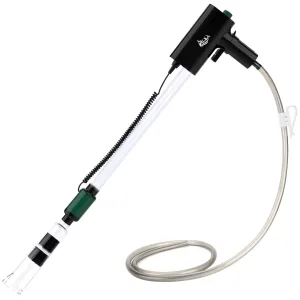
Use a thin siphon or air-line tube for gentle substrate cleaning.
Gently stir the top layer with your fingers to release debris.
Siphon floating particles during each water change.
Conclusion
Nano tanks grow worms faster because their small size makes them more sensitive to waste, leftover food, and filtration problems. Overfeeding, heavy stocking, and light substrate cleaning create the perfect environment for worms. Some worms are beneficial and support a healthy ecosystem, while others signal serious issues.
By identifying the worm type and adjusting feeding, cleaning, and filtration, you can remove harmful worms safely. Pay close attention to your aquarium because early worm sightings help you understand what your tank needs.
FAQ
1. How do I get rid of detritus worms?
Reduce feeding, vacuum lightly, and clean filter sponges. Detritus worms disappear as the tank becomes cleaner.
2. I found black worms in my tank. Are they harmful?
Most black worms are harmless annelids. They help clean detritus but indicate excess debris in the tank.
3. My fish ate small white worms. Is that dangerous?
Most fish naturally eat detritus worms. It usually causes no harm unless the worms are parasitic.
4. What type of fish doesn’t have worms?
No fish species is completely free from worms, but healthy fish in clean tanks have minimal issues.
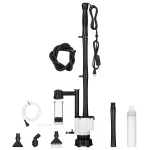
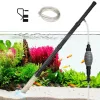
AQQA Adjustable Flow Aquarium Gravel Vacuum, All-in-One Siphon...
Original price was: $19.99.$15.95Current price is: $15.95.



Add comment
You must be logged in to post a comment.