

I can recall that during my first winter as a new fish keeper, I was awakened one morning, and I found my fish crawling slowly close to the bottom of the tank. I was panicking as I did not know that cold weather could influence them so fast, and I was helpless in an attempt to fix the temperature. The same stress might happen to you when you attempt to help your fish survive their first winter.
Cold weather reduces the temperature of tanks quickly, and this may damage your fish and destroy their health. To secure the setup, you can make use of a few basic techniques like attaching a heater, wrapping the lid, maintaining room temperature, etc.
You will learn why winter heating matters, how each method works, and what extra steps help you keep the tank stable. This guide gives you simple fundamentals, practical techniques, safety notes, and useful tips for steady warmth during cold weather.
Why Keep Fish Tanks Warm in Winter
Cold water slows fish bodies because they depend on stable temperatures for normal functioning. When temperatures drop suddenly, fish lose energy, stop eating, and become vulnerable to various infections. Stable warmth helps your fish maintain proper metabolism and reduces stress during seasonal changes.
Why Controlling Temperature Is Important
The temperature is associated with all the key activities within your aquarium, water chemistry, oxygen, and biological filtration. In case of excessively low temperatures, the metabolism of fish slows down significantly, leading to problems in digestion as well as the development of compromised immunity. This low metabolism increases the risk of fish acquiring common diseases like ich, fin rot, or bacterial infections.
When cold water replaces the normal water, the supply of oxygen is also less, as fish become more irritated when their bodies are under stress. You can find your fish remaining close to the outlet or gasping at the surface. All these are indications that the tank environment is not stable and that your fish require warmer water to operate normally.

The other cause is the nitrogen cycle, which can be greatly reliant on useful bacteria. Such bacteria are useful in decomposing ammonia and nitrite, although they do not perform well in cold environments. When the temperature is too low, their activity is reduced, and the toxin increases, which will be detrimental to your fish. Regulating temperature helps to eliminate all these interruptions and maintain your water parameters predictable even during winter.
Stable temperature also assists aquarium flora to thrive better, particularly the tropical species that depend on the warmth. Plants keep the environment friendly as they provide oxygen, absorb waste, and provide a stable environment for your fish. Warm tanks are more bio-balanced, and the bio balance is very crucial during the colder seasons.
How To Keep Fish Tank Warm In Cold Weather
After the above significance of proper heating, you can now consider the useful methods of winter heating for your aquarium. These techniques suit both large and small tanks and provide you with reliable instruments for maintaining constant temperatures.
1. Set an Aquarium Heater
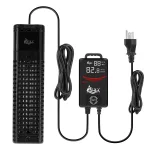
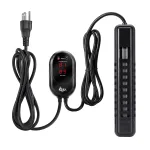
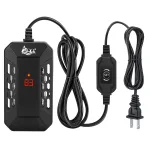
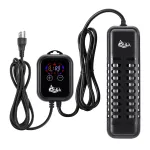
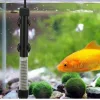
An aquarium heater is the surest method of having a warm and stable tank. The level of winter temperatures may change rapidly in a night, yet a heater prevents your fish from being struck by abrupt changes. Even the species that are easy to keep cannot survive in cold water, and this is why a heater is required in virtually all indoor aquariums.
Benefits of using a heater:
Provides constant and predictable warmth throughout the day
Protects fish from shock caused by cold nights
Supports healthy metabolism and immune function
Works well with most aquarium setups and species
Prevents harmful swings that often stress sensitive fish
Important notes for heater use:
Avoid overheating because high temperatures can be dangerous for fish
Use a heater guard to protect fish from direct contact
Unplug the heater during water changes to prevent cracks
Keep the heater fully submerged when operating
For small tanks (5–20 gallons):
Choose a reliable heater sized correctly for your tank volume
Place the heater near a point with strong water movement
Pair the heater with an external controller for better accuracy
Check the temperature once daily because small tanks lose heat faster
For larger tanks:
Use dual heaters with independent thermostats for added consistency
Add a digital probe thermometer for accurate readings.
Position heaters on opposite sides for even heat distribution
Use inline heaters if you have a canister filter setup.
Practical Setups by Tank Size (Quick Reference)
| Tank Size | Recommended Heating Approach | Key Notes |
| 5-gallon tanks | Compact adjustable heater with external controller | Monitor daily because small volumes cool quickly |
| 10–20 gallon tanks | Single mid-range heater placed near filter outflow | Supports most beginner-friendly species in winter |
| 29 gallons and larger | Dual heaters with independent thermostats | Provides backup in case one heater fails |
2. Cover the Lid
The tank surface is the primary heat source that is lost due to evaporation, which draws heat out of the water. A tightly closed lid traps the heat and decreases evaporation so that your heater can work more efficiently. This is a straightforward modification that helps to maintain the temperature without the additional apparatus.
Tips:
Use a solid glass or acrylic lid during the winter months.
Clean condensation regularly to maintain clear lighting
Leave a small gap for gas exchange, but avoid large openings.
Avoid mesh lids because they allow heat to escape quickly
It is also useful to add insulation around the edges of the lids, or in colder rooms, when the symptom is particularly apparent. Foam strips or plastic weather strips can be used, which narrows the airflow around the top. These modifications bring tangible changes to tanks that have difficulties with temperature falls.
3. Control Room Temperature
Your aquarium is directly influenced by the room temperature, particularly when the tank is placed in an open area. Simple modifications will bring huge changes in winter heating.
Move the tank away from windows, outside doors, and cold drafts.
Avoid placing the tank next to radiators or heating vents.
Use curtains to retain heat during the night.
Add an insulating mat under the tank to prevent heat loss through the furniture.
Keep a steady indoor temperature whenever possible.
Such room-level modifications can reduce the amount of work that the heater has to do and can make your tank more comfortable for your fish. A few degrees of change will help make a significant difference in your tank in handling cold days.
4. Keep Water Flow and Circulation
Circulation helps spread warm water evenly, so your heater does not create warm and cold pockets. Without circulation, your fish may swim into colder zones and become stressed.
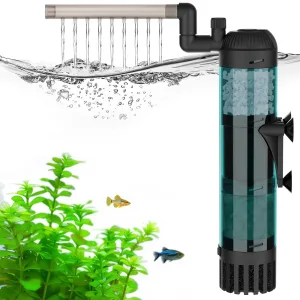
Adjust your filter output to carry warm water across the tank.
Add a small powerhead to improve flow in a larger tank.
Use an air stone to help oxygen levels when temperatures rise.
Ensure flow does not disturb species that prefer calm water.
Balanced circulation also supports the biological filter, which becomes more efficient in evenly heated water.

Set-Up-Specific Guidance In Winter
Some aquariums need more precise care during winter due to their design or species needs. These setups require extra monitoring and slightly more controlled heating approaches.
Bettas and Small Tanks
Bettas need warmer temperatures because they originate from tropical regions.
Maintain a slightly higher range for consistent comfort.
Use compact heaters that provide good accuracy.
Avoid large temperature changes because bettas react quickly.
Community or Planted Tanks
These tanks often house multiple species with different tolerances.
Keep temperatures steady to avoid stressing sensitive fish.
Use integrated heating options or inline heaters for smooth control.
Maintain consistent water flow to avoid cold areas.
Healthy plants also help stabilize the environment, so warm water supports their growth.
Nano Tanks
Nano tanks react quickly to weather changes because they hold very little water.
Check temperatures multiple times a day during severe colds.
Use mini heaters with external digital controllers.
Add insulating foam to the sides to reduce heat loss.
Even minor improvements help nano tanks stay stable in cold conditions.
Conclusion
There is a danger of winter that most novice aquarium owners overlook, but you can keep your fish alive with a little knowledge of temperature requirements and some basic equipment. Your fish will remain healthy, active, and not stressed in cold weather by keeping the tank warm. With the application of best practices like the use of a heater, lid covering, and controlling of room temperature, you establish a stable environment that sustains your aquarium throughout the season. These techniques can be applied in your tank right now and modified depending on the behavior of your tank. You can tell about your experience in keeping your aquarium alive during winter, because maybe your experience can save someone struggling with it.
FAQ
1. Is 30 degrees too cold for fish?
Yes, 30°F is very hazardous as hardly any fish in the aquarium can withstand the temperatures. When placed in such cold water, most tropical species perish in a few minutes.
2. Is 60 degrees too cold for fish?
60°F is too low to be tolerated by tropical species and tolerable to some cold-water fish such as goldfish. The tropical tanks must never reach a temperature lower than 72°F since the fish will soon be stressed.
3. How to heat an aquarium without a heater?
You may cover the tank using towels, heat the room, cover the lid, or use warm water bags to temporarily warm it. Such solutions are emergency ones, and they are not supposed to be used instead of a proper aquarium heater.



Add comment
You must be logged in to post a comment.