

So you finally set up your first fish tank. Pretty cool, right? You probably spent hours picking out gravel and rocks. Maybe you grabbed some yellow stones and you found a nice piece of driftwood for your fish. Everything looked good. Then one day, you notice the whole tank looks cloudy and grey. That’s not what you wanted, right?
Trust us, you’re not the first beginner to experience it. Cloudy water is one of the most common issues new fish keepers face. Especially in the first few days after setup. The good news? It doesn’t mean you’ve ruined anything. Cloudy tank is usually caused by these factors: gravel, algae, and bacterial, also maybe the water hasn’t been changed for a long time. It is one of the most common issues new fish keepers face. Especially in the first few days after setup.
Stick around. We’re going to walk through why your water looks like this. What’s causing it, and the five easiest ways to turn that murky tank crystal clear. Plus, how to prevent it from happening again.
Why is My Fish Tank Cloudy?
You probably followed every step of that YouTube tutorial. You carefully rinsed the gravel, you added conditioner, and you let the filter run. And now your tank looks like a glass of grey lemonade. Don’t panic. You didn’t mess up. Cloudy water happens to a lot of new aquarists. Let’s break down the possible causes.
Bacterial Blooms
This is the most common cause of cloudy water in new tanks. When you first set everything up, beneficial bacteria begin to grow. They establish themselves in your filter and gravel. These bacteria are essential as they help break down waste. But early on, they can grow rapidly. This causes a “bloom” that clouds the water. Don’t worry because this usually clears on its own in a few days as the tank balances out.
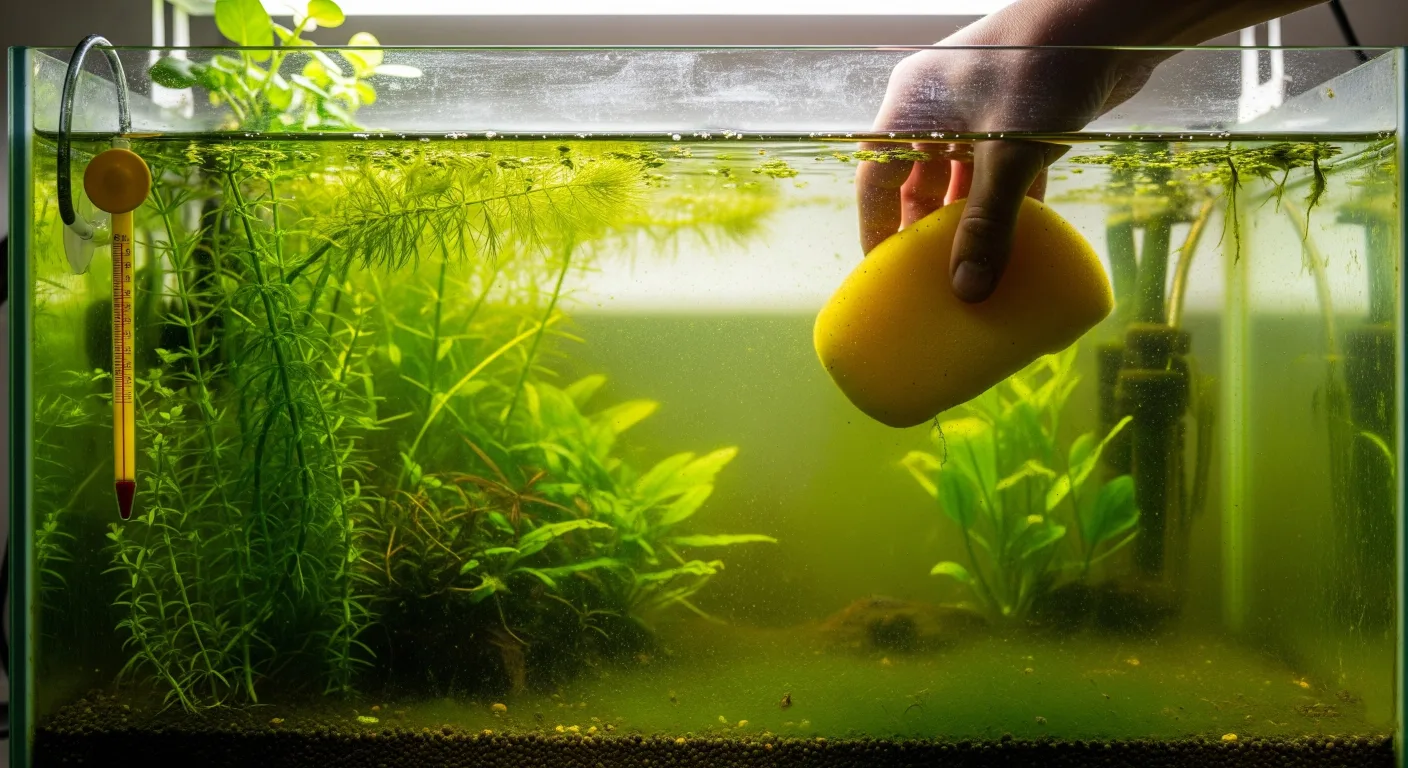
Algae Blooms
If the cloudiness is more greenish than grey, it might be algae. Too much light can cause this. Especially if your tank is near a window. Excess nutrients in the water can also cause algae to multiply quickly. While not harmful in small amounts, it can make your tank look like a swamp.
Agitated Gravel or Sand
Sometimes, the cloudiness is caused by the substrate itself. Maybe you didn’t rinse the gravel or sand thoroughly before placing it in the tank. Or fish are stirring it up. Your filter might be doing it too. Tiny particles can hang in the water. This gives your tank that dusty or foggy look. Especially right after setup or water changes.
Can My Fish Tank Be Clear by Changing Water?
Yes. But only temporarily. A water change might seem like a quick fix. But if the underlying cause is still present, the cloudiness will return. We’re talking bacteria or debris here. It’ll come back within hours or days. Plus, too many water changes can disrupt the balance you’re trying to build. To make your cloudy water be crystal fast, here are specific tips for you.
Top 5 Tips for Making Cloudy Fish Tank Clear
Instead of chasing a quick fix, it’s better to work on stabilizing the tank properly. Below are some helpful tips to clear up your tank the right way.
1. Gently water changes
In a new tank setup, aggressive water change can actually make things worse. They disrupt the biological balance. Instead, go for small, gradual water changes. Do 10-15% every few days. This gently removes excess nutrients and waste particles from the tank. It won’t shock the system.
If your tank only has a few fish, this gentle approach is more than enough. It slowly clears things up while letting the beneficial bacteria grow and settle in. Just make sure the new water is treated properly. Keep it close in temperature to avoid stressing your fish.
2. Optimize the filtration system
Your filter does a lot more than just move water around. It plays a critical role in removing physical debris. It breaks down harmful toxins. It houses the beneficial bacteria your tank needs. For cloudy tanks, check that your filter is appropriately sized for your tank.
A good rule is 4-6 times the tank volume per hour. Also, make sure the filter media isn’t clogged or too old to function properly. Adding activated carbon or fine filter pads can also help clear up water more quickly. They remove microscopic particles that cause the haze.
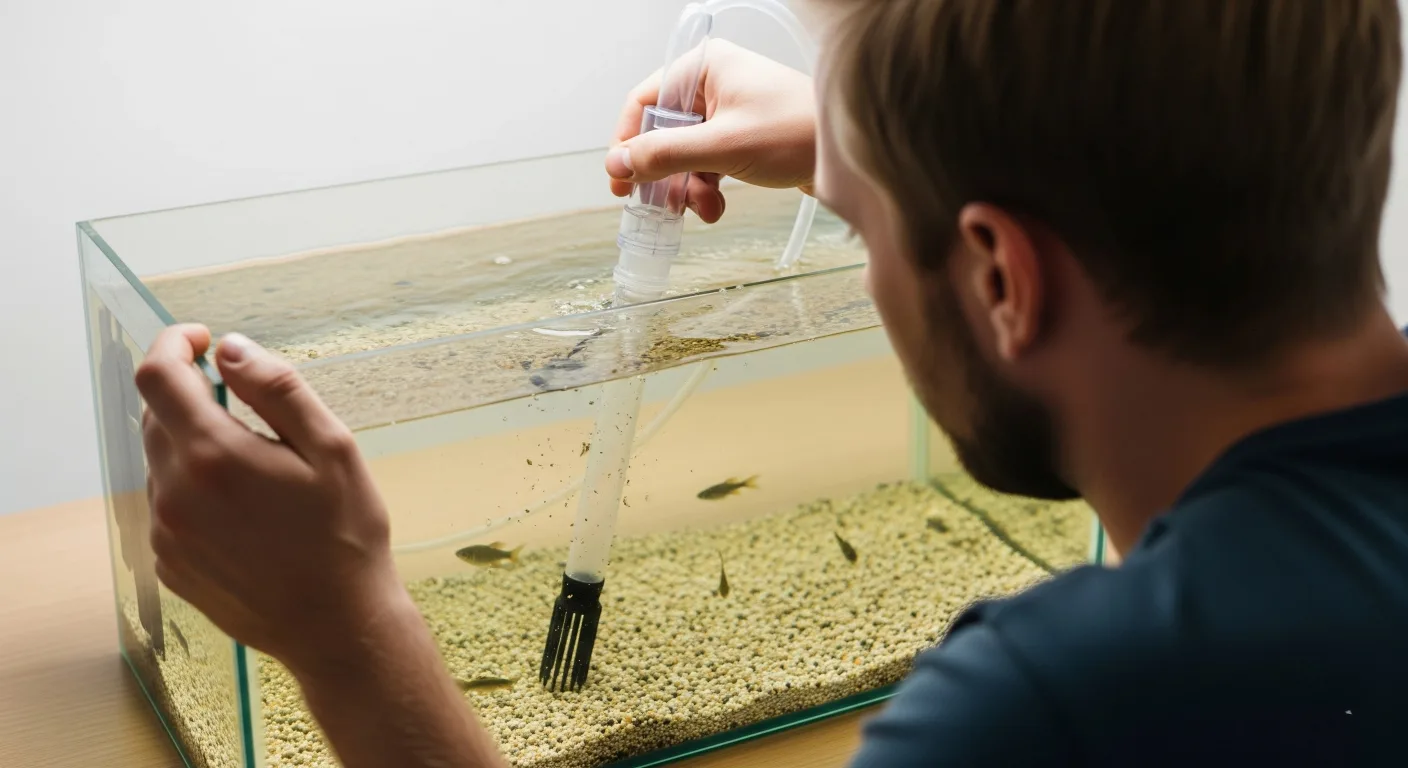
3. Use a Siphon Vacuum Cleaner
Gravel and substrate can hide more mess than you think. Uneaten food settles at the bottom. Fish waste does too. Rotting plant matter often accumulates in low-flow areas. A siphon vacuum helps you target those dirty zones without removing too much water. It won’t disturb your setup. Slowly move the siphon through the gravel to suck up debris. You’ll be surprised how much comes out. Doing this regularly helps a lot. Once a week or every few days in murky conditions. This can significantly reduce cloudiness and improve overall water clarity.
4. Add Some Live Plants
Live aquatic plants don’t just beautify your tank. They actively improve the water quality. Plants like hornwort, java fern, and waterweeds absorb excess nutrients. We’re talking ammonia, nitrites, and nitrates. The same stuff that feeds bacterial and algae blooms. They also compete with algae for resources. This helps keep green water under control. On top of that, live plants release oxygen into the water. This supports both fish and beneficial bacteria. Even a few hardy plants can make a noticeable difference in how clear and clean your tank stays.
5. Reduce feeding
It might be tempting to give your fish a little extra food. Especially when they act hungry. But overfeeding is a fast track to cloudy water. Uneaten food breaks down quickly, and this can release ammonia and fuel bacterial or algae blooms. A hack here is to feed your fish what they can easily eat in 2-3 minutes. Once or twice a day.
If you notice uneaten food touching the bottom of your tank, it simply means you’re overfeeding them. Cutting back on feeding not only helps keep your water clear. It also supports better fish health and lowers maintenance.
How Do I Prevent Cloudy Water in My Fish Tank?
You want to avoid this mess in the first place? Here’s what works. Set up your tank properly from day one. Use dechlorinated water that you’ve actually tested. Don’t wing it with setup. Follow a guide you trust. Keep your filter clean. Don’t dump too much food in the tank. Your tank needs time to find its balance, so let it happen.
If cloudy water shows up anyway, take a breath. Go back through the steps we covered. The better you understand what’s happening in your tank, the easier it gets to fix problems when they pop up.
Conclusion
Cloudy water in a new fish tank can be frustrating. Especially after all the excitement of setting it up just right. But feel relieved because it’s quite a common thing for beginners. Despite the reason why it happens, it’s not a problem that’s beyond a solution. You just need patience and a few thoughtful adjustments.
The key to clear, healthy water is understanding what causes cloudiness. Take small, consistent steps to maintain balance. Remember these things:
Gentle water changes help.
A strong filtration system matters
Vacuuming your substrate makes a difference
Check temperature and pH.
Feeding your fish just the right amount is crucial
These things aren’t any temporary solutions. If you make them a part of your aquarium care, you will be able to keep your tank crystal clear in the long run.
If you’re just getting started with fish keeping, don’t let a little cloudy water discourage you. Every aquarist has been there. Keep learning, stay curious, and enjoy the process of building a thriving aquatic environment. The more you understand your tank, the better it will look. And the happier your fish will be.
FAQ
1. Does cloudy water hurt fish?
No, cloudy water isn’t usually harmful for fish, specifically if it’s caused by bacterial blooms.
2. The water in my fish tank is cloudy but not gray, what’s going on?
If the color isn’t grey yet, you feel it all cloudy, here are some common colors and their causes you could be experiencing.
Green: Likely caused by algae blooms. Usually from too much light or excess nutrients.
Brown: This could be driftwood tannins or dirt from improperly washed gravel. Harmless, but it can stain the water. Use activated carbon to clear it up.

Aquarium Strong Magnetic Cleaner Brush with 2 Detachable...
Original price was: $11.99.$11.24Current price is: $11.24.

AQQA Aquarium Strong Magnetic Cleaner Brush, Algae Magnet...
Original price was: $20.69.$19.54Current price is: $19.54.







Add comment
You must be logged in to post a comment.