

There is no shortage of tutorials on how to set up your first aquarium on the internet. Some of them are, however, may not be that complete. While others offer advice that may no longer be the best for fish keeping. And we have boiled down the latest and the best guidelines to make your first adventure in the water world a splashing success. There is no need to dig through old forums and mixed recommendations anymore, as we have you covered a detailed and up-to-date roadmap.
Installing an aquarium is not as simple as filling a tank with water and putting fish. It is all about establishing a successful self-sufficient ecosystem. To do so, you will have to take into account the following essential elements:
Fish Tank: The foundation of your aquatic world.
Filter: Crucial for maintaining water quality.
Heater:Essential for tropical fish.
Lighting: More than just aesthetics; it’s critical for plants and fish health.
Substrate & Decorations: Providing a natural environment and hiding spots.
Cycling: The most crucial step before adding fish.
Are you ready to jump in? Read on, and we will guide you through all the essential information, including selecting the right tank, getting your initial finned friends, and everything in between.
Choosing the Aquarium You Want
The basis of the whole system is your aquarium. To select the right one, one has to consider the kinds of fish, materials, and size. Let us analyze it.
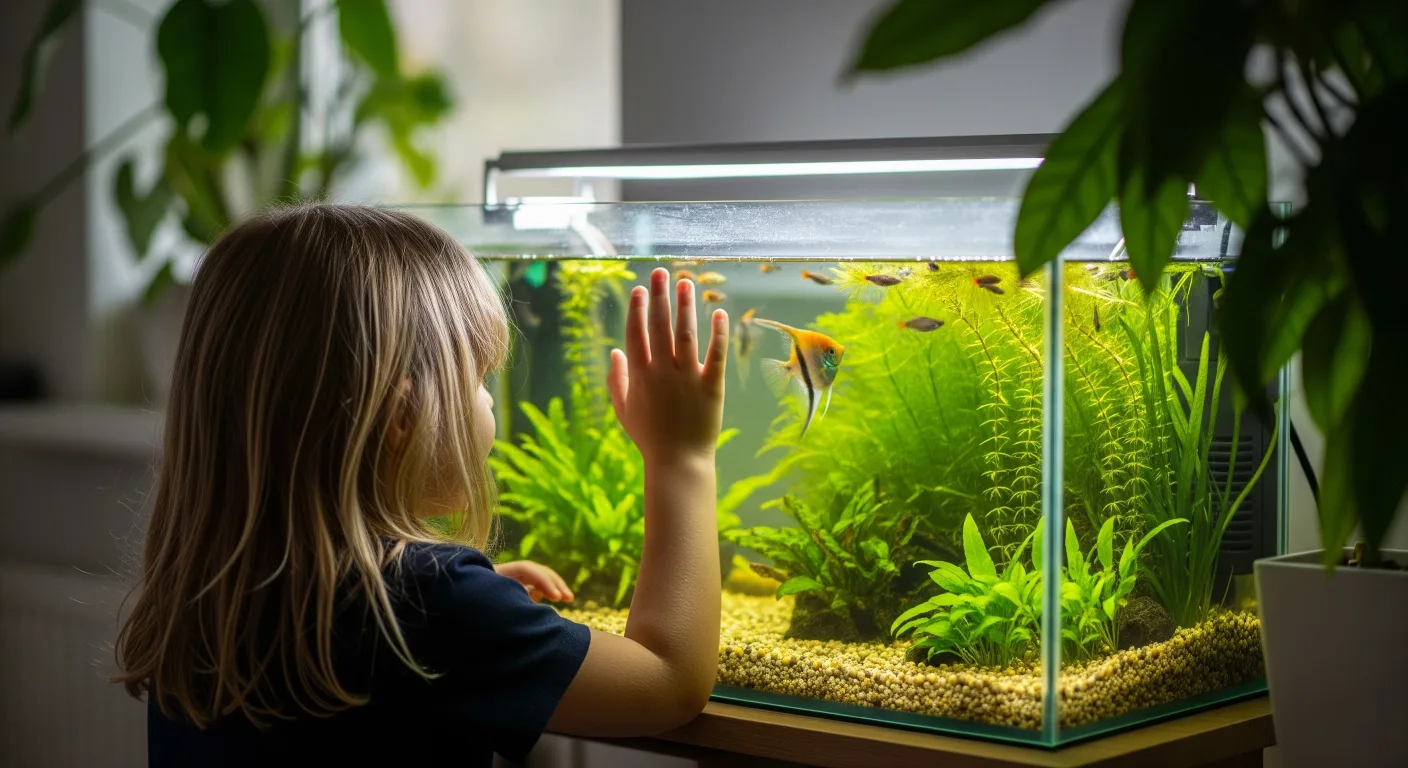
What Type of Fish will you keep?
First, before you can think of the tank size, you should think of the kind of fish you want to keep. It is a basic choice that will determine a lot of other choices. The freshwater and the saltwater differ widely. Thus, necessitating different setups and maintenance procedures for the aquariums.
Freshwater Aquariums: This type is simple and requires less in terms of maintenance, and is therefore normally advised for beginners. They have a large variety of exotic and robust fish species, ranging from colorful guppies and beautiful bettas to active tetras and calm mollies.
Saltwater Aquariums: Saltwater tanks are much more interesting due to the colorful corals and exotically colored fish. But they also require a greater degree of dedication, specialized gear, and more knowledge of water chemistry. As your first-ever aquarium, we strongly advise you to use a freshwater aquarium.
| Fish Type | Water Type | Difficulty | Notes |
| Goldfish, Guppies, Bettas | Freshwater | Easy | Great for beginners |
| Cichlids, Discus | Freshwater | Moderate | Need specific water conditions |
| Clownfish, Tangs | Saltwater | Advanced | Require more care and equipment |
Which Material: Glass Vs Acrylic
Once you’ve decided on freshwater, the next big choice is the material of your aquarium: glass or acrylic. Both have their pros and cons, and the best choice depends on your priorities.
Here’s a quick comparison to help you decide:
| Feature | Glass Aquarium | Acrylic Aquarium |
| Clarity | Excellent, maintains clarity over time. | Superior clarity initially, but prone to scratching. |
| Weight | Heavier, especially for larger tanks. | Lighter, easier to move. |
| Durability | More scratch-resistant, but can shatter. | More impact-resistant, but scratches easily. |
| Insulation | Poor insulator, more susceptible to temperature fluctuations. | A good insulator helps maintain stable temperatures. |
| Cost | Generally less expensive. | Typically more expensive, especially for custom sizes. |
| Shapes/Sizes | Limited to standard shapes and sizes. | Can be molded into various custom shapes. |
What Size of Aquarium do You Prefer
Aquarium size is an essential choice that will influence the species and quantity of fish that you can own, as well as the stability of the water ecosystem. Although a smaller tank may appear to be simpler, one that is larger is better able to maintain the parameters of the water and is more forgiving of small changes.
Here are some general guidelines for beginners:
5-10 Gallons: Can be used by a single betta, a small group of shrimp, or a few nano fish. Needs careful upkeep because of the rapid change of parameters.
20-30 Gallons: This is a fantastic place to begin for most amateurs. Provides additional space to a small population of fish and increased stability.
40+ Gallons: Suitable where there are many people in the community or particular species in need of a greater swimming room. Offers great stability, as well as takes up more space and has a stronger stand.
After deciding which aquarium is your dream aquarium. It is time to consider the necessary accessories that will make it a flourishing underwater environment for your new fish.
Checklist to Set Up Your First Aquarium
After identifying your aquarium, the next essential step is to get all the accessories. Your main concern is to provide a stable and healthy environment for your fish, and the right equipment in the beginning is everything. This is a complete list of what you can buy.
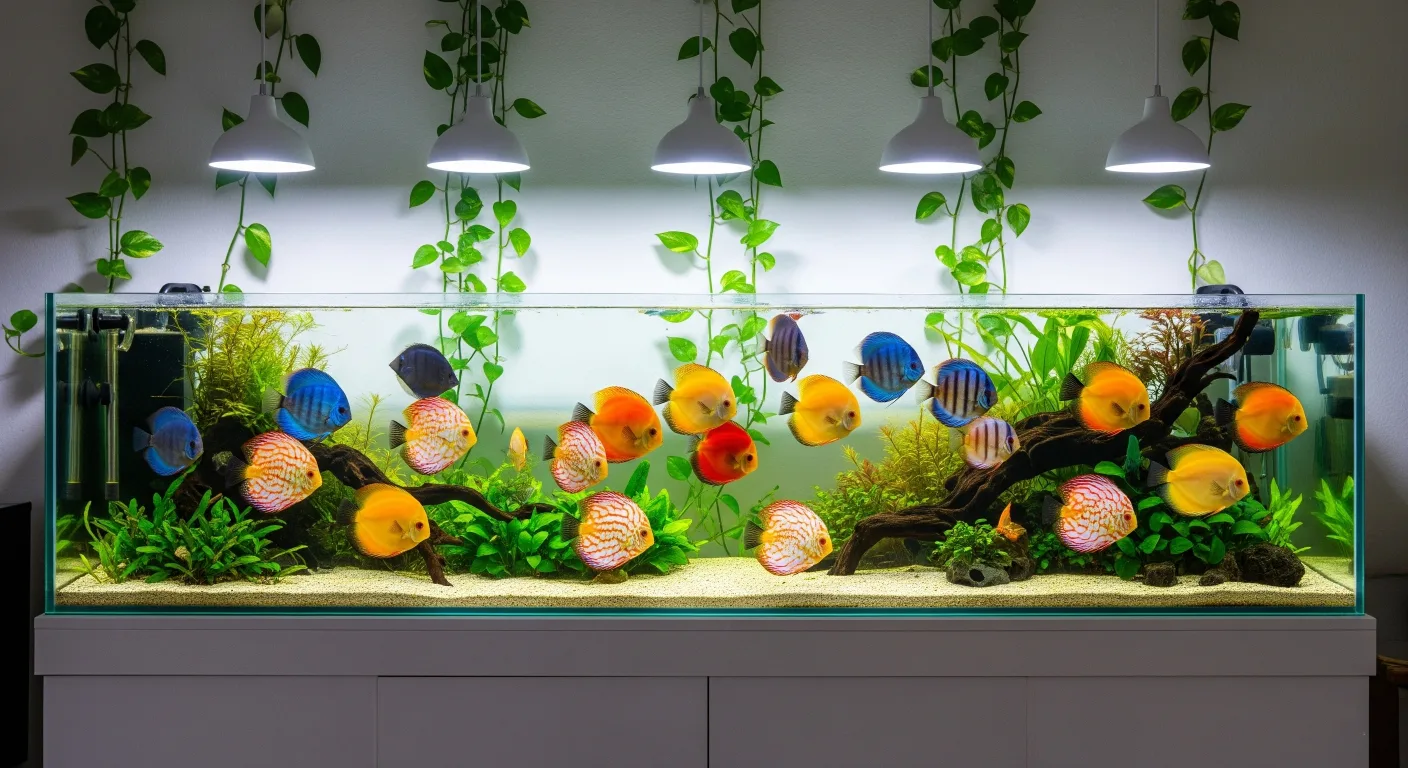
1. Fish Tank
This is the centerpiece as discussed. Before setting it up, make sure it is clean and has no debris or chemical residues. When purchasing a used tank, take it and clean it using a white vinegar and water mixture, and rinse thoroughly.
Soap/detergents should also be avoided since their residues may be toxic to fish.
2. Stand
Your fish tank should have a strong and flat pedestal. Water is extremely heavy. A 10-gallon tank with water, substrate, and decorations can easily weigh 100 pounds! In the case of bigger tanks, it is strongly advisable to spend a few bucks to buy an aquarium stand built specifically to support the tank.
Such stands are made with the intent of carrying this weight and spreading it out to avoid bowing or collapsing of furniture that is not made to support this weight. Make sure the stand is flat and level so that uneven pressure on the tank glass does not occur and cause cracks.
3. Air Pump
An air pump is not always strictly required for every tank, but it is very useful to most beginning setups. It is important for oxygenating the water. This is critical to the well-being of your fish and the useful bacteria that keep the water clear. Water movement is also provided by air pumps. So that there are no stagnant areas and gases can be exchanged.
Here are some reasons why an air pump is a good idea:
Increased Oxygen: Fish need oxygen to breathe, and an air pump helps dissolve atmospheric oxygen into the water.
Water Circulation: The bubbles created by an air pump promote water movement, distributing heat and preventing cold spots.
Aesthetics: Air stones attached to air pumps create visually appealing bubble streams.
4. Air Stone
An air stone is a porous device that is attached to your air pump through the use of airline tubing. It is used to reduce the larger air bubbles created by the pump into a flow of smaller bubbles that are finer.
This enhances the gas exchange area, thus promoting an efficient oxygenation process. Air stones are of many different shapes and forms, ranging from simple discs to fancy bubbling decorations. Select one that will suit the size of your tank.
5. Aquarium Lighting
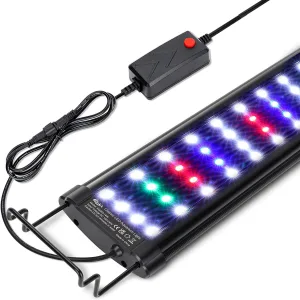
There are many functions of aquarium lighting other than enabling you to view your fish. It affects the behavior and coloring of your fish, and it adds to the overall appearance of your tank. Various lighting has different spectrums and intensities. As a starter, people usually suggest using LED lights because it is energy efficient, long life, and have adjustable features.
Consider these factors when choosing lighting:
Plant Needs: If you plan on keeping live plants, you’ll need lighting with a specific spectrum and intensity to support their growth.
Fish Species: Some fish prefer dimmer lighting, while others thrive in brighter conditions.
Timer: An automatic timer is highly recommended to maintain a consistent light cycle, typically 8-10 hours a day.
6. Heater
A heater is also essential when you are keeping tropical fish. The majority of tropical fish need constant and stable water temperatures of 72-82°F (22-28°C), depending on the species. Temperature changes may stress fish and render them vulnerable to a disease.
Search for a submersible heater that has a varying thermostat. A rule of thumb is 5 watts of heating power per gallon of water in tanks in a moderately warm room.
If you’re keeping tropical fish like tetras or bettas, a heater is essential.
7. Filter System
The most important equipment that is used in maintaining a healthy aquarium is arguably the filter system. It carries out three important processes, namely mechanical, chemical, and biological filtration. The good filter will eliminate physical debris and toxic chemicals. It offers a habitat where useful bacteria can grow and degrade toxic waste products. Learning the fundamentals of filtration is a must for a newbie.
Here’s a brief overview of common filter types for beginners:
Hang-on-Back (HOB) Filters: Popular for their ease of installation and maintenance.
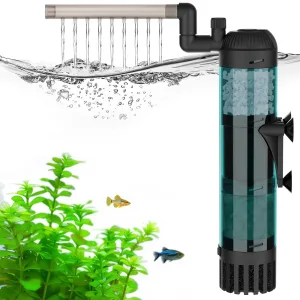
Internal Filters: Submersible filters that are placed inside the tank. Good for smaller tanks or as supplementary filtration.
Sponge Filters: Operated by an air pump, these are excellent for biological filtration and gentle on fry or sensitive fish.
8. Cleaning Kits
To have a healthy aquarium, one should perform regular maintenance. The availability of the appropriate cleaning equipment will make this process so much easier and efficient.
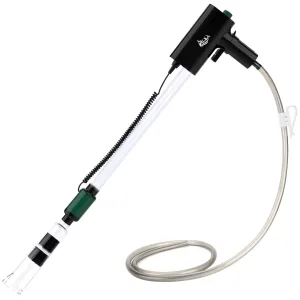
Gravel Vacuum/Siphon: This is necessary to suck out the detritus and food that has not been consumed by the substrate when doing water changes.
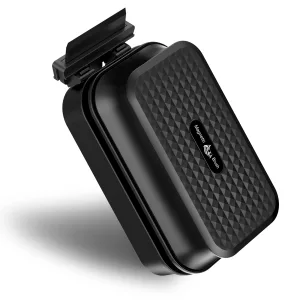
Algae Scraper / Magnet Cleaner: To get rid of the ugly algae on the tank window.
Bucket (Dedicated): Use a bucket dedicated to the aquarium. So that you do not introduce dangerous chemicals.
Net: To catch fish in case of emergency.
Test Kit: Essential in the observation of water parameters such as ammonia, nitrite, and nitrate. This is a non-negotiable item among beginners.
9. Decorations & Plants
Plants and decorations have several functions. They create a beautiful aquascape, define territories, and provide hiding places and enrichment for your fish.
Natural Decorations: Rocks (make sure that they are inert and will not change water chemistry), driftwood (soak before putting in a tank to release tannins).
Artificial Artifacts: Artificial Plants and flowers. Select the ones that are aquarium-specific. Also, make sure they do not have sharp edges that will injure fish.
Live Plants: Have many advantages, such as oxygenating, nutrient uptake (helps reduce algae), and providing hiding spots. Do some research on what plant needs before buying.

Step-by-Step: How to Set Up Your Aquarium
Now that you have everything, let’s assemble your aquarium like a pro.
1. Choosing the Right Location
Place your tank away from direct sunlight (to avoid algae overgrowth)
Ensure the floor is level and strong
Avoid high-traffic or noisy areas
2. Initial Tank Assembly
Set your tank on the stand
Rinse everything (tank, gravel, decorations) with water only — no soap!
3. Adding Substrate & Decorations
Add 1–2 inches of gravel or sand
Arrange rocks, plants, and ornaments before adding water
Tip: Place heavier decorations first, then layer in smaller items for a natural look
4. Installing Equipment
Place the heater near the filter output
Mount your filter and plug in, but don’t turn it on yet
Install the lighting system and secure cords
5. The Nitrogen Cycle (Critical Step!)
Your tank should experience the nitrogen cycle. This is a natural process to decompose toxic ammonia into less hazardous nitrates with the help of good bacteria before fish can be introduced. The completion of the cycle is 4-6 weeks. Check ammonia, nitrite, and nitrate levels using test kits.
Options to cycle:
Fishless cycle: Add pure ammonia to simulate fish waste
With fish (not recommended for beginners): Use hardy fish like danios
6. Adding Fish
Once your tank is cycled:
Start with 2–4 fish only
Float a sealed fish bag in water for 15–30 minutes (temperature acclimation)
Gradually mix tank water into the bag before releasing the fish.
Tip: Avoid adding all your fish at once to prevent ammonia spikes.
What to Do After Setting Up Your Aquarium
You’ve done it! The tank looks beautiful, and your fish are swimming happily. But now comes the real part of being a fishkeeper: consistent care and attention.
1. Observation
Daily observation helps catch problems early. Let’s do the following things.
Are fish hiding excessively?
Are they eating normally?
Is the equipment functioning properly?
2. Feeding
Overfeeding is one of the biggest beginner mistakes. A good rule: only feed what your fish can eat in 2–3 minutes, once or twice a day.
3. Maintaining Accessories
Every 1–2 weeks:
Clean the filter (don’t kill the bacteria!)
Siphon gravel to remove waste
Change 20–30% of the water.
Check temperature and pH.
Conclusion
Congratulations! You’ve taken the first big step into the aquatic hobby.
As a first-time aquarium owner, the prospect of setting up your aquarium can be strange, but having the proper information will make it an interesting and adventurous experience. In the Complete Beginner Guide of 2025, you will learn all the notes, including choosing a freshwater tank, the fundamentals of a filter, heater, and air pump. And why you should cycle your fish tank before you introduce fish.
For beginners, the main tip is to start with a freshwater tank, select the appropriate size and material, and use high-quality equipment. Do not be impatient, allow your tank to run its appropriate cycle, monitor your fish regularly, feed appropriately, and ensure a clean and stable water.
Keep in mind that errors are learning experiences. Be patient, stay curious, and have fun at each stage of creating your underwater world. Be it beautiful guppies or adventurous corydoras, your underwater journey has just started. Keep fish in bold, treat them with joy, and see your tank turn into a live wonderland.
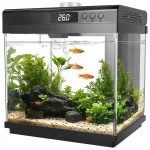
3.7 Gal Aquarium Kit: Filter, 10-Color Light, Self-Cleaning,...
Original price was: $81.99.$77.39Current price is: $77.39.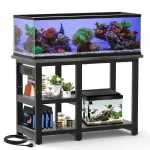


Add comment
You must be logged in to post a comment.