
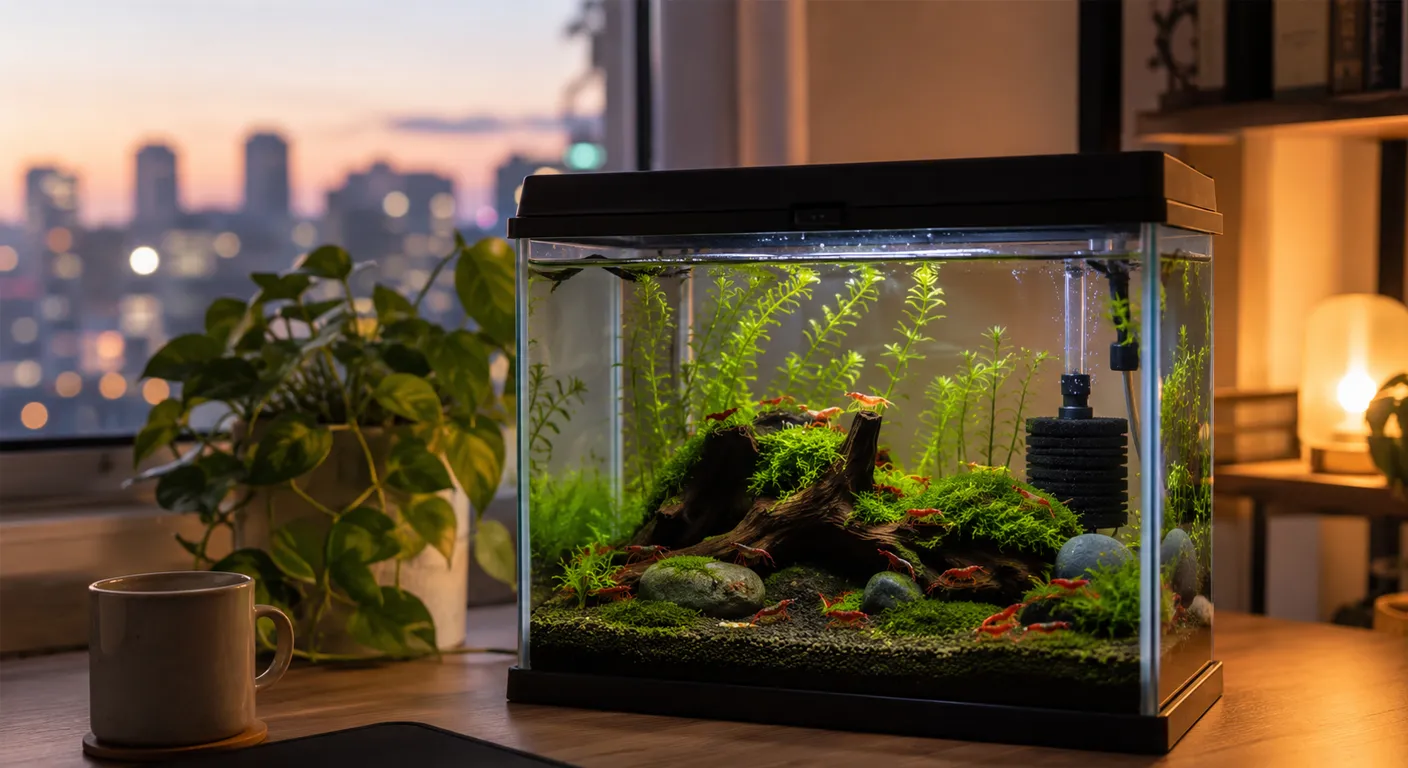
A small shrimp tank on the desk feels like the perfect solution for apartment dwellers who want a pet without the noise, space demands, or daily care routines of traditional fishkeeping. No walks, no feeding schedules twice a day, and no complaints from neighbors. What you get instead is a self-contained, living ecosystem that fits on a bookshelf and practically runs itself once it stabilizes.
Neocaridina shrimp are the right starting point for beginners, full stop. They tolerate a wider range of water parameters than most freshwater invertebrates, come in a striking range of colors, and breed readily without any special intervention. If you misread the water chemistry slightly during cycling, a healthy Neocaridina colony is far more likely to survive it than a Caridina or Sulawesi species would be.
This guide walks through everything from choosing the right tank size for your apartment layout to cycling, acclimation, feeding, plant choices, common mistakes, and what to do once your colony starts outgrowing the tank.
Why Shrimp Tanks Work So Well in Small Spaces
A 10-gallon shrimp tank fully set up weighs around 111 pounds, including water, substrate, and hardscape. That fits on most desks and sturdy bookshelves without any structural concern. Compare that to a 20-gallon fish setup, which can push 225 pounds, and the weight difference alone makes shrimp tanks a practical fit for rental apartments with weight limits on flooring or furniture.
Beyond size, shrimp tanks are genuinely quiet. A simple sponge filter driven by a small air pump produces less than 40 decibels at normal operating levels, which is below the average ambient noise of most indoor spaces. Low evaporation is another real benefit. A lidded tank in a climate-controlled room loses very little water between weekly or biweekly top-offs, which matters in apartments where the nearest sink or bathtub is several steps away.
Common Apartment Constraints Worth Planning Around
Noise: Air pump vibration travels through surfaces. Place a small piece of rubber matting or a folded cloth under the pump, and the hum drops significantly.
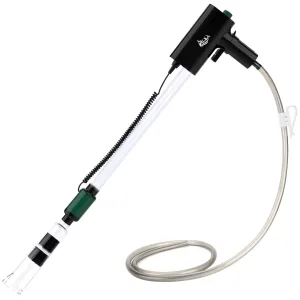
Water changes: A 5-gallon Python siphon works well in apartments with no bathtub access. A bucket and sink hose adapter handles the rest.
Temperature swings: Rentals often have inconsistent heating, especially near exterior walls and windows. Keep the tank away from direct sunlight and drafts.
Landlord rules: Most landlords allow tanks under 10 gallons without written approval. Confirm before setting up.
What Kind of Shrimp Tank Fits Your Apartment
Tank size shapes everything downstream, from how quickly parameters swing to how forgiving the setup is when you make early mistakes. A 5-gallon tank cycled properly can house a colony of 20 to 30 Neocaridina shrimp, but smaller water volumes respond faster to changes in ammonia, temperature, and pH. A 10-gallon gives you more buffer.
Choosing Tank Size and Location
The right size depends on your available surface space, the weight rating of the furniture you plan to use, and how much time you want to spend on weekly maintenance. Here is a breakdown:
| Tank Size | Footprint & Filled Weight | Stability for Beginners | Where It Fits Best | Notes |
| 5 gallons | ~12″ x 6″, ~58 lbs | Moderate | Desk, small shelf | Water parameters shift faster; best with experienced beginners |
| 10 gallons | ~20″ x 10″, ~111 lbs | Good | Desk, sturdy bookshelf | Best balance of space and stability for first-time setups |
| 20 gallons long | ~30″ x 12″, ~225 lbs | Excellent | Dedicated stand only | More forgiving, but requires proper furniture support |
Neocaridina vs Other Freshwater Shrimp
Neocaridina, which includes the popular Red Cherry Shrimp and Blue Dream varieties, thrives in pH 6.5 to 8.0 and temperatures between 65°F and 80°F. That range covers most unheated apartment rooms during warmer months. Caridina species, including Crystal Red and Taiwan Bee shrimp, need soft, acidic water in a tight range of pH 5.8 to 6.8. They do not forgive cycling errors well. Start with Neocaridina and treat Caridina as a second project once your apartment nano is stable and you understand your local tap water.
Apartment-Friendly Equipment and Shopping List
The gear you choose determines how much noise you deal with daily and how safe the tank is for shrimp. Most beginners overbuy on filtration and underbuy on a quality thermometer.
Tank, Lid, and Stand
When talking about tank, it’s necessary to talk about materials: acrylic vs glass tank. A rectangular glass tank is preferable to acrylic for long-term scratch resistance. Get a lid. Evaporation from an uncovered 10-gallon tank can drop water levels by an inch per week in dry apartments, which concentrates minerals and shifts pH. A standard plastic lid with a feeding flap costs under $10 and eliminates that problem.
Weight matters on cheap particleboard furniture. A fully loaded 10-gallon tank at 111 pounds will eventually cause particleboard shelves to bow, particularly in humid rooms. A proper aquarium stand rated for the weight is the safer option.
Filtration and Noise Control
| Filter Type | Noise Level | Shrimp Safety | Maintenance | Best Use in Apartments |
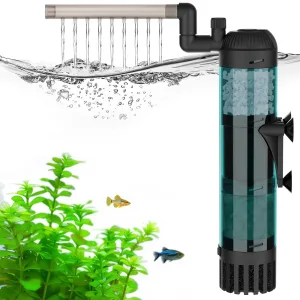
| Sponge filter + air pump | Low to moderate | Excellent; no intake risk | Squeeze in tank water monthly | Best overall choice for 5–10 gallon setups |
| HOB with intake sponge | Moderate | Good with a pre-filter sponge | Rinse media every 2–4 weeks | Works for 10–20 gallon; keep the flow rate low |
| Matten filter panel | Near silent | Excellent | Clean every few months | Best for those who prioritize noise reduction |
To quiet an air pump, place it on a folded microfiber cloth and run the airline tubing in a loose loop before it enters the tank. Avoid suction-cupping the tubing directly to hard glass surfaces, as that transfers vibration.
Heater, Light, and Timer
A heater is only necessary if your apartment drops below 65°F at night. If you keep Neocaridina, a 25-watt submersible heater with an external thermometer is sufficient for a 10-gallon tank. Do not rely solely on the built-in dial of cheap heaters; they are often off by 3 to 5 degrees.
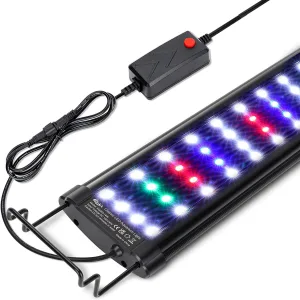
A basic LED light on an 8-hour timer handles plant growth without promoting algae overgrowth. You do not need a high-powered planted tank light for moss, Anubias, and ferns.
Substrate, Hardscape, and Plants
Inert substrates like plain black sand or natural gravel are the easiest starting point. They do not alter water chemistry, meaning your tap water parameters are predictable. Shrimp-specific soils like ADA Amazonia buffer pH downward and are better suited for Caridina setups.
For hardscape, choose pieces with surface texture. Shrimp graze on the biofilm that forms on rough wood and rock surfaces, so Malaysian driftwood and lava rock are both functional and decorative.
For plants, these work well in low-tech apartment setups:
Java moss and Christmas moss: Dense enough for shrimplets to hide in; grows in low light
Anubias nana petite: Attaches to wood; nearly indestructible
Java fern: Grows from a rhizome; never bury the base
Frogbit or red root floaters: Surface cover; absorbs excess nutrients
Easy stem plants: Bacopa caroliniana or Limnophila sessiliflora for filling space quickly
Step-by-Step to Build Your Apartment Shrimp Tank
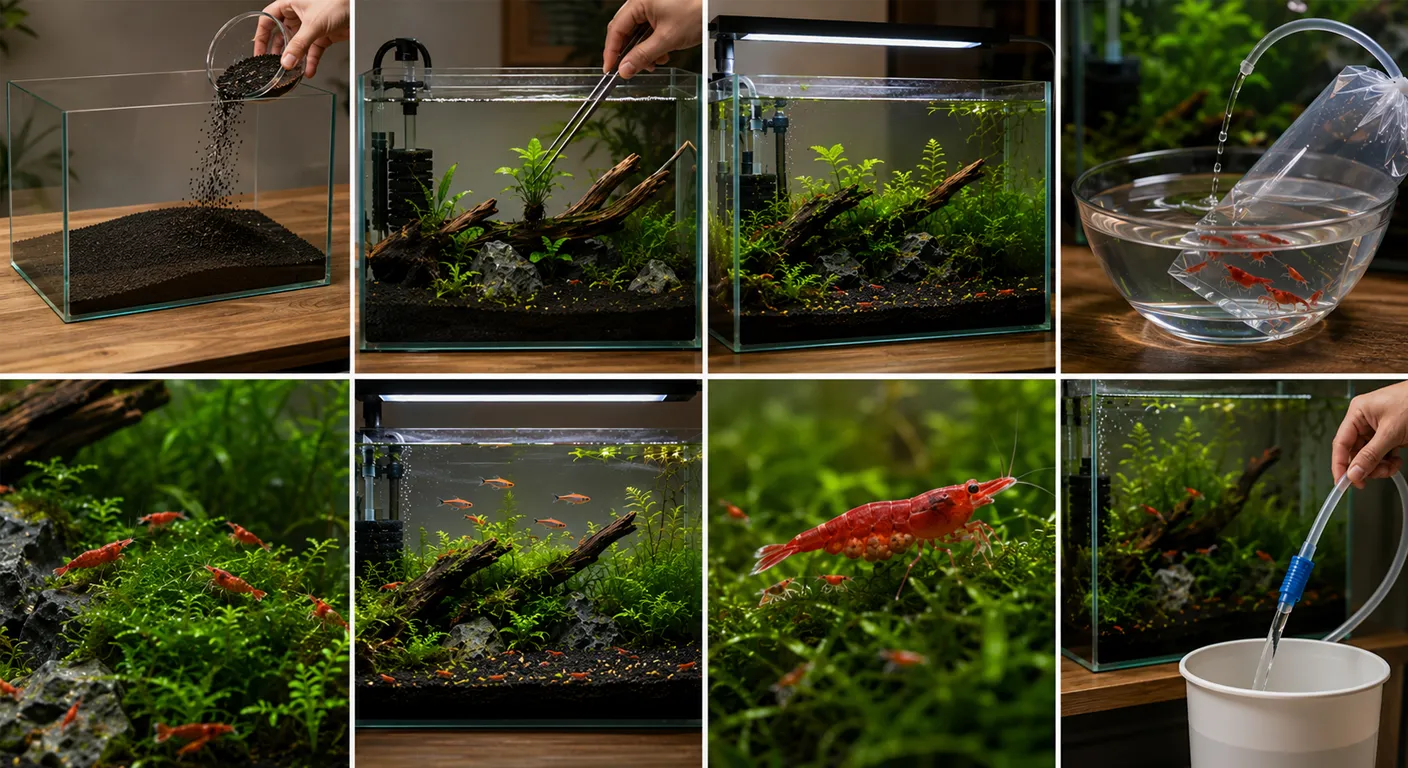
Step 1: Prepare the Tank and Layout (Day 1)
Rinse the substrate under tap water until clear. Add it to a depth of about 1.5 to 2 inches. Place hardscape first, then add plants by tucking roots into substrate or attaching to wood with thread. Fill slowly by pouring water over a plate to avoid disturbing the layout. Dechlorinate immediately with a product like Seachem Prime, then start the filter and any heater.
Step 2: Start the Filter and Begin Cycling (Weeks 1 to 3)
The nitrogen cycle converts ammonia from organic waste into nitrite, then into the far less harmful nitrate. This process requires established colonies of beneficial bacteria and takes roughly 3 to 6 weeks in a new tank. Speed it up by adding a seeded sponge filter from an existing tank, or by using bottled bacteria products like Fritz Zyme 7 or Tetra SafeStart.
During cycling, add a small pinch of fish food or a drop of pure ammonia every few days to feed the bacteria. Test ammonia and nitrite weekly. When both read zero with detectable nitrate, the cycle is complete.
Step 3: Season the Tank for Shrimp
A cycled tank is not the same as a shrimp-ready tank. Shrimp do best in a tank that has had time to develop biofilm, the thin microbial layer that coats every hard surface. You can see it as a faint haze on wood and glass after a few weeks. Adding a piece of Indian almond leaf or catappa bark speeds up the process and creates the slightly tannin-tinted water that Neocaridina thrive in.
Step 4: Adding Shrimp to the Tank
Buy shrimp from a seller who keeps them in water parameters close to yours. Ask before purchasing. For drip acclimation in a small apartment, place shrimp in a bowl with the bag of water. Drip tank water slowly over 45 to 60 minutes using a thin airline tube knotted to slow the flow.
Watch behavior during the first week:
Shrimp actively grazing surfaces: good sign
Shrimp hiding for the first 48 hours: normal
Shrimp swimming erratically near the surface: test the water immediately
Tank Mates, Breeding, and When to Expand
Shrimp-only nano tanks outperform mixed setups in small apartments. Most nano fish species labeled “shrimp safe” will still eat shrimplets under 1 cm. If you want a community, ember tetras and exclamation point rasboras are genuinely low-risk options in 10-gallon setups with dense planting.
Neocaridina breeds without any special trigger. A healthy female will carry eggs under her tail, fanning them daily, for 25 to 30 days before the shrimplets emerge fully formed. Dense moss is the single most useful thing you can add for shrimplet survival.
Once the tank exceeds 60 to 80 shrimp in a 10-gallon tank, sell or trade the surplus through local aquarium clubs or online groups. Never release shrimp into natural waterways. Neocaridina are an invasive species outside their native range and cause documented ecological disruption in non-native environments.
4 Mistakes That Kill Shrimp Colonies Early
Adding shrimp before the tank is truly cycled: Ammonia at even 0.25 ppm causes gill damage over time. Test to confirm zero before adding any shrimp.
Overfeeding in a small tank: Uneaten food breaks down into ammonia within hours. Feed a small pinch every two to three days and remove uneaten food after a few hours.
Large, infrequent water changes: Replacing more than 15 to 20% of the water at once shocks shrimp with sudden parameter shifts. Small, frequent water changes of 10 to 15% weekly are far safer.
Ignoring temperature swings from windows or nearby heaters: A fluctuation of more than 4°F in a short period stresses shrimp and suppresses the immune response. Keep the tank away from exterior walls and direct sun exposure.
Quick Troubleshooting Reference
Sudden deaths with no visible cause: Test ammonia, nitrite, nitrate, and pH immediately. Check for copper in any recently added tap water or fertilizer.
Shrimp hiding or staying motionless: Check flow rate, look for predators, and verify temperature. Shrimp also hide after molting while the new shell hardens.
Parameters look perfect, but the shrimp are struggling: Let the tank sit. Stop adding products. Some tanks take longer to stabilize than parameters suggest.
Conclusion
This guide covers the full setup process for a shrimp tank in a small apartment, from choosing tank size and filtering options to cycling the nitrogen cycle, acclimating shrimp with a drip setup, selecting plants and hardscape, managing a growing colony, and diagnosing the most common beginner problems.
The biggest factor in long-term success is stability. Shrimp tolerate imperfect water far better than they tolerate constant adjustments. A tank that holds steady parameters over weeks is more valuable than one that hits perfect numbers today and swings tomorrow. Build routines around observation, small weekly water changes, light feeding, and consistent lighting. The colony will grow, the biofilm will thrive, and the tank will stabilize into something that practically maintains itself.
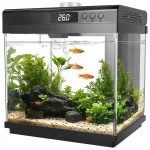
3.7 Gal Aquarium Kit: Filter, 10-Color Light, Self-Cleaning,...
Original price was: $81.99.$77.39Current price is: $77.39.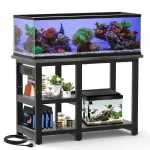

Add comment
You must be logged in to post a comment.