
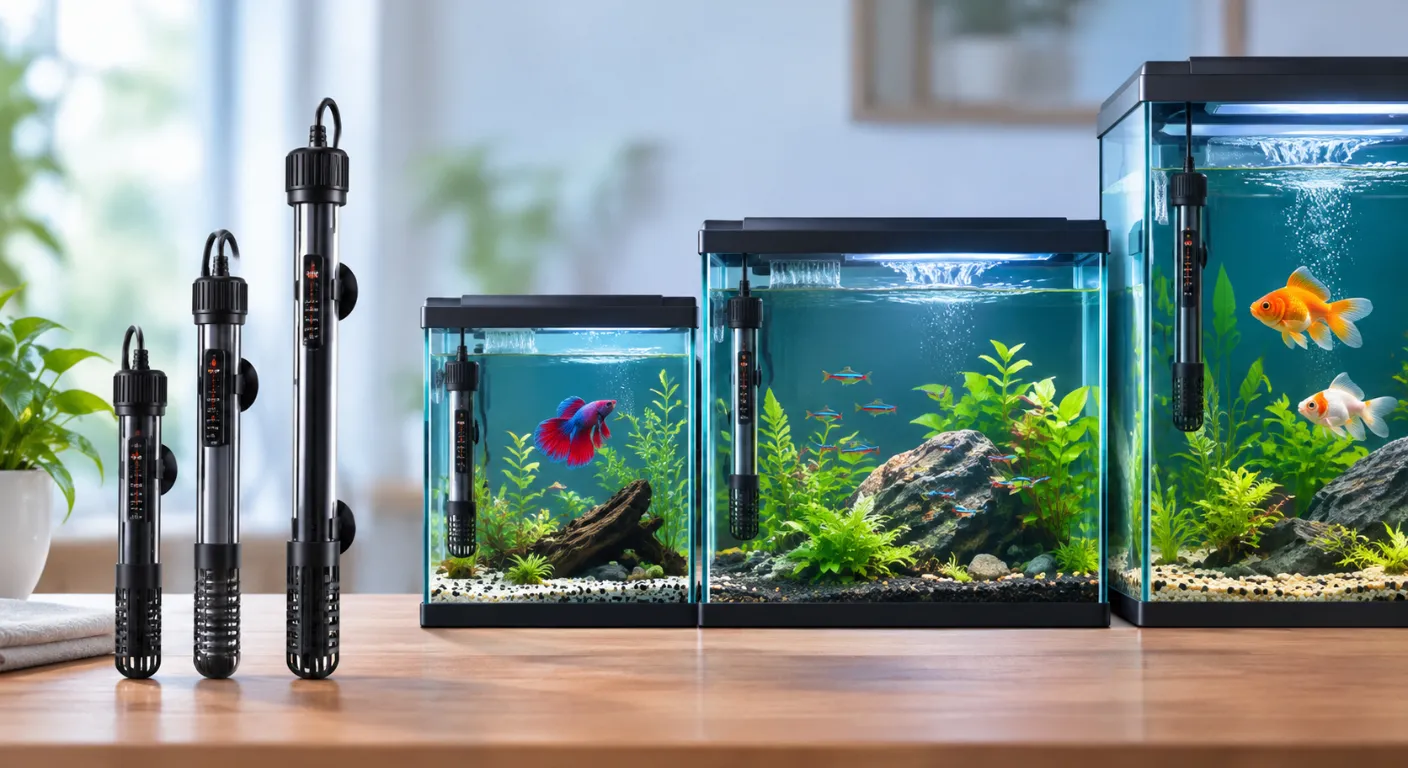
Picking an aquarium heater isn’t as simple as matching watts to gallons. The right heater depends on how much water is actually in your tank. The difference between your target temperature and your room temperature. The fish you’re keeping. And how well heat moves through your specific setup.
In this guide, we’ll go through how to choose the right heater for 10, 20, and 30-gallon tanks. What wattage to start with. What features actually matter. And how to install it correctly so it does its job properly.
Table of Content
ToggleWhat to Consider First
Before picking a heater size, there are a few things worth understanding. Getting these right from the start saves you from buying the wrong heater twice.
Actual Water Volume Vs.Rated Gallons
A tank labeled 10 gallons doesn’t hold 10 gallons once substrate, decor, and headspace are accounted for. The actual water volume is always less than the rated size. Less water means faster temperature swings and less room for error if the heater underperforms.
The Temperature Gap
This is the most important factor most guides skip over. The formula is simple.
Temperature gap = desired water temperature minus the coldest room temperature
A room that sits at 72 degrees Fahrenheit during the day can drop several degrees overnight or near a window or vent. The bigger that gap,p the more work the heater has to do. Tank shape matters here too. Deeper and longer tanks need the heater placed near the filter outflow, so heat actually reaches the far end of the tank.
Fish and Plant Needs
| Aquarium Inhabitants | Temperature Priority | Heater Consideration |
Betta and tropical community fish | 76 to 82°F | Standard heater. Stable temp matters most |
| Tetras, rasboras, corydoras and livebearers | 72 to 80°F | Flexible range. Standard wattage works well |
| Shrimp | 68 to 78°F depending on species | Avoid overheating. Precision thermostat helps |
| Goldfish and white clouds | 60 to 72°F | May not need a heater in most homes |
| Discus and other warm water species | 82 to 88°F | Larger gap means higher wattage needed |
Best Heater for a 10-Gallon Tank
For a 10 gallon tank, start with a 50 watt heater. That covers most typical room conditions without putting too much heat into a small volume of water.
Best setup for a 10-gallon tank:
Warm room with a small temperature gap: 25W is enough
Typical room conditions: 50W is the safer default
Cold room or large gap: check your thermometer placement first before sizing up
What to prioritize:
Adjustable thermostat so you can set the exact temperature you need
Fully submersible design so placement isn’t limited
Compact size. A 10 gallon doesn’t have much room to spare
A separate thermometer placed away from the heater. Never trust the heater’s built in reading alone
Best Heater for a 20-Gallon Tank
For a 20-gallon tank a 75 watt heater is where to start. It handles typical room conditions without running at full output all the time. That matters because a heater that’s constantly maxing out wears out faster.
Standard 20-gallon vs. 20-gallon Long
A standard 20 gallon high is taller. The heater fits vertically and water flows around it naturally. A 20 gallon long is a different situation. The wider footprint means heat has further to travel. Put the heater near the filter outflow and place a thermometer at the opposite end. If those two readings don’t match, heat isn’t reaching the far end of the tank.
What to prioritize:
Accurate adjustable thermostat. Cheap heaters drift over time and stop holding the set temperature reliably
A separate thermometer placed away from the heater to verify the actual reading
Shatterproof or titanium construction if you keep fish that knock things around
A heater guard if bottom dwellers or curious fish might press against it directly
Best Heater for a 30-Gallon Tank
For a 30-gallon tank, a single 100-watt heater is the standard starting point. In a cold room or with sensitive livestock, two 50-watt heaters placed at opposite ends of the tank are a better option.
Why 30 Gallons Need More Than Wattage
A 29 or 30 gallon tank is typically taller than a 20 gallon. More water depth means heat doesn’t distribute as evenly on its own. A stronger filter flow or a small wavemaker helps move that heat through the full water column. Without decent circulation, the area near the heater runs warm while the far end of the tank stays cooler than the thermometer reading suggests.
Single Heater Vs. Two Heaters
| Setup | Best For | Advantage | Watch For |
| One 100W heater | Typical room in a standard 30 gallon | Simple setup. Easy to monitor | Heat distribution in longer tanks |
| Two 50W heaters | Cold rooms or sensitive livestock | Even heat across the full tank. Backup if one fails | Two units to maintain and monitor |
| One higher wattage heater | Very cold rooms with a large temperature gap | More power to close the gap | Risk of overheating in small water volume if thermostat fails |
Installing and Avoiding Common Mistakes
Here are installation steps and some common mistakes to avoid.
Installation steps:
Read the manufacturer instructions for orientation and minimum submersion depth before anything else
Place the heater near the filter outflow so moving water distributes heat through the tank
Put a separate thermometer at the opposite end of the tank from the heater
Let the heater sit in the water for 15 to 20 minutes before plugging it in so it adjusts to the water temperature
Set it slightly below your target temperature first, then adjust upward after checking the thermometer reading
Mistakes to avoid:
Running the heater outside of water even briefly. It overheats and fails fast
Relying only on the heater’sbuilt-inn temperature display. They’re often inaccurate
Forgetting to unplug the heater before water changes
Not letting the heater cool down before removing it from the tank
Placing the heater in a dead flow zone where water doesn’t circulate around it
Quick Decision Table
| Tank and Situation | Start With | Why |
| 10 gallon betta or shrimp | 25 to 50W | Small volume. Easier to overheat than underheat |
| 20 gallon community | 75W | Covers typical room conditions without overworking the heater |
| 20 gallon long | 75W near filter outflow | Wider footprint needs deliberate heat placement |
| 29 to 30 gallon | 100W or two 50W units | More volume and depth needs more consistent heat distribution |
| Cold room any size | Size up one step or add a second heater | Large temperature gap means the heater runs constantly at lower wattage |
Conclusion
Choosing the right heater comes down to actual water volume and temperature gap and the needs of the fish you’re keeping. Tank size alone doesn’t tell you enough. A 30-gallon tank in a cold garage needs a very different setup than the same tank in a warm apartment.
Don’t just buy the highest wattage available. Match the heater to your room conditions. Place it where water flow will actually carry the heat through the tank. And use a separate thermometer to confirm what the water is actually doing rather than trusting the heater’s display.
Start with the recommended wattage for your tank size and room conditions. Check the thermometer after 24 hours. Adjust from there. That approach gets you to the right setup faster than guessing and replacing heaters that don’t perform the way you expected.
Related Products For Your Reference
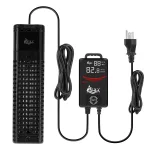
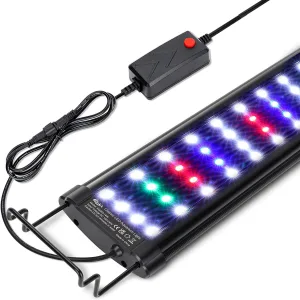
Submersible Aquarium Heater (100W/200W/300W) with External Controller, LED...


Add comment
You must be logged in to post a comment.