
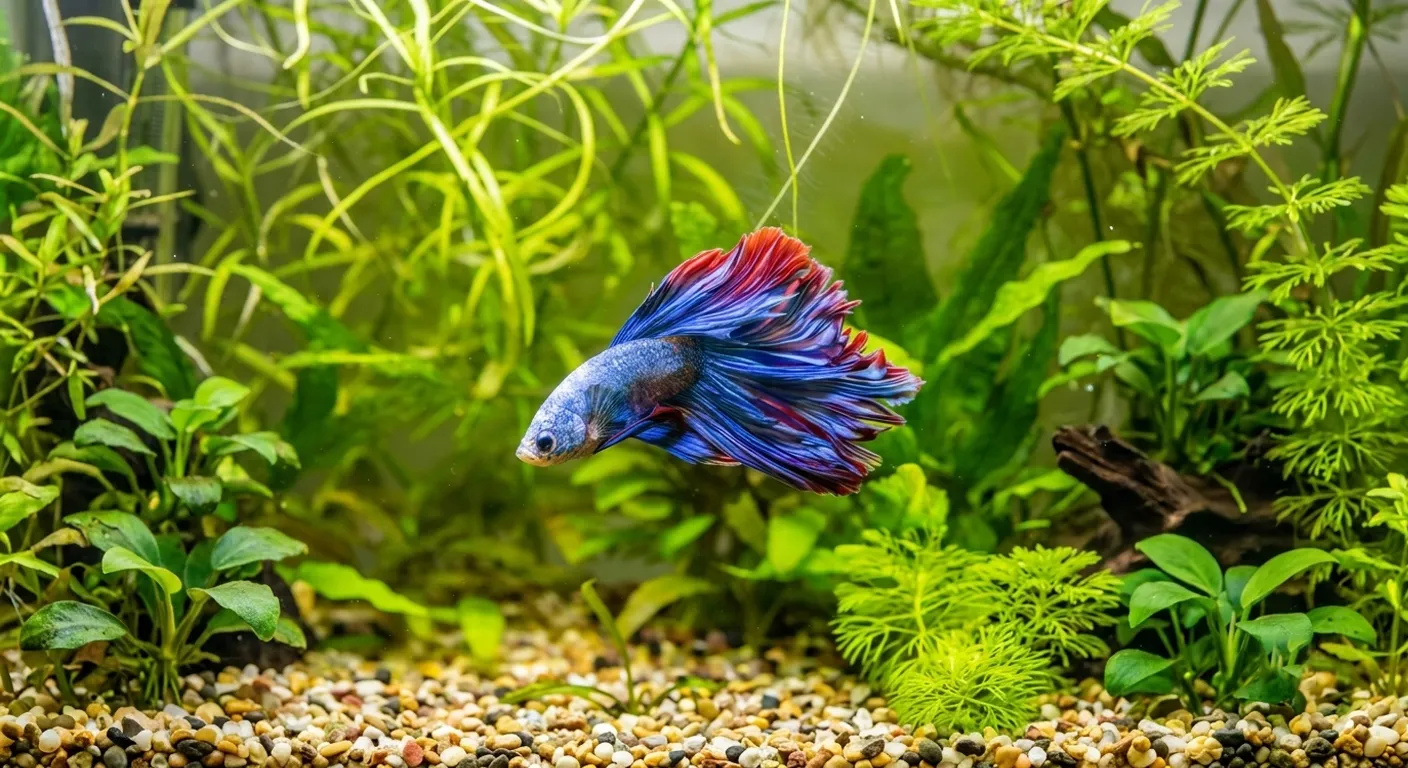
Walk into almost any pet store, and you will see better fish kept in tiny cups, sold as a starter pet that needs almost nothing. That image sticks with people. It shapes what new owners expect before they ever bring one home. The truth sits somewhere between that marketing and the more demanding reputation bettas have earned among experienced keepers.
This guide gives a straight answer, not a generic care sheet copied from a pet store label. By the end, you will know exactly which parts of betta care are genuinely simple, which parts catch most beginners off guard, and what it actually costs in time and money to get this right.
Table of Content
ToggleWhy Bettas Have a Reputation as Easy Fish
Bettas got labeled as easy pets decades ago, largely because they can survive in low-oxygen water using a special organ called the labyrinth organ. This organ lets them gulp air directly from the surface, something most fish cannot do. That biological quirk let stores sell them in cups and bowls without a filter, and the practice stuck around for generations of new fish keepers. Survival, though, is a different bar than thriving, and that gap is where most beginner confusion starts.
In the wild, bettas come from shallow rice paddies and slow-moving streams across Thailand, Cambodia, and Vietnam. Those waters are warm, often a bit murky, and far from pristine, which is part of why the species developed the labyrinth organ in the first place. Knowing this origin helps explain a lot about what a betta actually needs at home: warmth, calm water, and enough space to feel secure, none of which a cup can offer.
The Pet Store Myth That Misleads Beginners
A betta sitting motionless in a four-ounce cup looks calm. In reality, it is often stressful, cramped, and survival on the bare minimum. New buyers see that display and assume a small bowl at home will work just as well. It will not. A betta kept long-term in cramped, untreated water typically develops fin rot, clouded eyes, or a shortened lifespan within months. Many owners report their first betta dying within weeks, then blame the fish for being fragile, when the actual cause was an unfiltered bowl with no heater.
The cup is a temporary holding container, never a long-term home. Treating it as one is the single biggest misconception beginners carry into the hobby. Pet store staff rarely correct this assumption at checkout, since the cup itself implies the fish does not need much else.
What Actually Makes Them Beginner-Friendly
Once the myth is set aside, bettas do offer real advantages for someone new to fish keeping.
They thrive on their own, so there is no need to research compatible community fish right away.
They tolerate a wider temperature swing than many tropical species, within reason.
They show personality quickly, recognizing owners and reacting to movement near the tank.
They eat a simple diet of pellets, with no live food required to stay healthy.
They forgive minor lapses in water change scheduling better than sensitive species like neon tetras.
They are widely available and reasonably priced, so finding one rarely requires a special order.
Are Betta Fish Easy: An Honest Difficulty Breakdown
The honest answer changes depending on which part of care you are looking at. Some areas are genuinely simple. Others demand more attention than the pet store’s reputation suggests.
| Care Area | Difficulty | Why It Matters |
| Feeding | Easy | Pellets are simple to portion, and bettas are not picky eaters once settled. |
| Tank size | Moderate | A small bowl looks fine, but causes ammonia spikes and stress within days. |
| Water temperature | Moderate | Bettas need a stable range of 78 to 80 degrees Fahrenheit, meaning a heater is not optional. |
| Water quality | Hard | Ammonia and nitrite buildup happen fast in small volumes and cause most beginner losses. |
| Tank cleaning | Moderate | Weekly partial water changes prevent waste buildup without disturbing the tank too often. |
| Health monitoring | Moderate | Early signs of illness are subtle and easy to miss until the problem is advanced. |
| Tank mates | Hard | Aggression makes most pairing choices riskier than beginners expect. |
Tail type also plays a quiet role in this difficulty rating that beginners rarely consider. Long-finned varieties such as halfmoon or crowntail bettas drag heavier fins through the water, which raises their risk of fin rot and tears on rough decor.
Short-finned plakat bettas move more easily and tend to be slightly harder for a first-time owner, even though their care routine is otherwise identical.
What You Need Before Bringing a Betta Home
The setup stage decides most of what happens afterward. Get this part right, and daily care becomes routine. Rush it, and you are troubleshooting a sick fish within the first two weeks, often without knowing why.
Tank Size, Temperature, and Filtration
Three things are non-negotiable, regardless of how the fish was marketed at the store.
A tank below five gallons makes water quality nearly impossible to manage for a beginner. A ten-gallon tank gives far more stability and forgives small mistakes, since a larger volume of water dilutes waste more slowly than a small one.
A reliable heater keeps the temperature steady, since fluctuations stress bettas more than a constant temperature on the cooler end of their range. Most rooms drift several degrees overnight, which is enough to weaken a betta’s immune response even if the fish never looks visibly distressed.
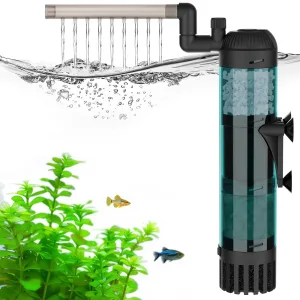
A gentle filter rated for the tank size handles waste, though bettas dislike strong current, so a sponge filter or an adjustable flow filter works better than a powerful canister model.
If the filter output pushes the betta around the tank or flattens its fins against its body, the flow needs to be reduced, either with a baffle or by switching to a gentler unit.
The Nitrogen Cycle: The Step Most Beginners Skip
Here is the part almost nobody mentions at the pet store. A new tank is not safe for fish. It needs beneficial bacteria to build up first, a process called the nitrogen cycle, which converts toxic ammonia from waste into nitrite, then into far less harmful nitrate. This takes anywhere from two to six weeks using a fishless cycling method, with patience being the main requirement rather than any special equipment.
Skip this step and add a betta to an uncycled tank, and ammonia will spike almost immediately. The fish absorbs that ammonia through its gills, leading to burned gill tissue, lethargy, and, in many cases, death within the first week or two. Most beginner losses trace back to this exact mistake, not to the fish being fragile by nature. A simple liquid test kit, rather than the cheaper paper strips, gives accurate enough readings to confirm when a tank is actually ready.
| Item | Minimum Requirement | Whyis its Needed |
| Tank | 5 gallons, ideally 10 | Smaller volumes destabilize quickly and concentrate waste |
| Heater | Adjustable, rated for tank size | Maintains a steady 78 to 80°F range |
| Filter | Gentle flow, sponge, or adjustable | Removes waste without battering the fish |
| Lid | Tight fitting | Bettas are surprisingly strong jumpers |
| Water conditioner | Dechlorinator, dosed per label | Neutralizes chlorine and chloramine from tap water |
| Substrate | Smooth gravel or sand | Sharp substrate tears delicate fins |
| Cycling | 2 to 6 weeks before adding fish | Builds bacteria that process ammonia safely |
Live or silk plants are worth adding to this list as well, even though they are not strictly required. Broad-leafed plants such as Java fern or anubias give a better resting spot near the surface, since they prefer to rest on something rather than hover constantly. Plastic decor with rough edges or mesh netting should be avoided entirely, since both are common causes of torn fins in new tanks.
How to Keep Your Betta Healthy Day to Day
Once the tank is cycled and stable, ongoing care settles into a short, manageable routine. The difficulty here is less about effort and more about consistency, since most problems develop slowly rather than overnight.
Feeding, Cleaning, and Water Changes
The daily and weekly tasks are short once you know the schedule.
Feed two to four pellets once or twice daily, skipping a feeding day every week to prevent bloating.
Check the heater and thermometer daily for any sudden temperature drift.
Perform a 25 to 30 percent water change weekly, matching the new water’s temperature to the tank.
Rinse the filter sponge in old tank water once a month, never under tap water, which kills the bacteria living on it.
Test ammonia, nitrite, and nitrate levels every one to two weeks, even after the tank has fully cycled.
Overfeeding is one of the common mistakes at this stage. A betta’s stomach is roughly the size of its eye, and pellets expand once they absorb water, so what looks like a small portion can quickly become too much. Bloating and constipation, both linked to overfeeding, are easy to prevent simply by sticking to a measured amount rather than feeding until the fish stops eating.
How to Spot a Sick or Stressed Betta Early
This is where most beginners fall behind, simply because the early signs are quiet rather than dramatic.
Clamped fins held tightly against the body instead of spreading out naturally.
Color fading or looking dull compared to when the fish first arrived.
White or fuzzy spots on the body or fins are often a sign of fungal or parasitic issues.
Rolling, listening to one side, or struggling to stay upright in the water.
Loss of appetite lasting more than two days, particularly paired with any of the signs above.
Resting flat on the bottom of the tank for long stretches, rather than its usual hovering near the middle.
Catching one of these early, rather than waiting for visible distress, is usually the difference between a quick fix and a serious illness. A water change combined with a parameter test is often the right first response, since poor water quality is behind a large share of these symptoms before any actual disease takes hold.
Betta Aggression: The Part Beginners Underestimate
Bettas earned the nickname Siamese fighting fish for a reason, and that history surprises a lot of first-time owners who only saw a calm fish sitting in a store cup. Aggression is not a behavior problem to train. It is baked into the species through generations of selective breeding for fighting, and ignoring it leads to injured or dead fish far more often than any disease does.
Can Bettas Live With Other Fish
Two male bettas should never share a tank, since fighting will continue until one fish is seriously hurt or killed. Male and female pairs are not safer by default. Pairing them outside of controlled breeding conditions usually ends with the female getting harassed or injured.
Some calm, fast-moving species, such as small tetras or certain snails, can share a large enough tank with a single betta, but compatibility depends heavily on tank size, hiding spots, and the individual fish’s temperament. Even within the same species, one betta might tolerate tank mates calmly while another attacks anything that enters its territory.
For a true beginner, keeping a betta alone remains the lowest risk choice, at least until the basics of water quality and routine care feel comfortable. Adding tank mates later, once a stable routine is in place, is a far safer second step than attempting it from day one.
Conclusion
So, are betta fish easy for beginners? The answer depends on which question you are actually asking. Feeding is simple. Surviving alone in a tank is simple. But water quality, temperature stability, and reading the early signs of stress demand real attention, more than the pet store cup ever suggests.
Bettas suit beginners well in several respects, yet healthy, long-term care still depends on an appropriately sized tank, a stable temperature, clean water, and daily observation. Set the tank up and let it cycle before the fish ever arrives.
Build a simple daily and weekly routine once you are home. Budget a little time each week for testing rather than only changing water on a guess. Most importantly, learn to notice the quiet signs of stress or illness before they become emergencies. Do that, and a betta becomes exactly what the reputation promises: a hardy, low-maintenance, and genuinely rewarding first fish.




Add comment
You must be logged in to post a comment.