

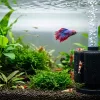
I remember spotting one on a coworker’s desk. A small, glowing tank with fish drifting lazily through the water as soft streams of bubbles rose to the surface. It felt calm, almost hypnotic, and in that quiet moment, I caught myself thinking: I need one of these.
Then the doubts kicked in. Isn’t it complicated? What if the fish die? Won’t it take up too much room? Those are fair concerns and they stop most people before they even start. The truth is, setting up a desktop fish tank is far simpler than it looks. With the right kit and a clear process, you can have a thriving little aquarium on your desk in a single afternoon. This guide walks you through every step, from choosing the right size to keeping your fish healthy long-term, no experience needed.
Table of Content
ToggleWhat Is a Desktop Fish Tank Kit
A desktop fish tank kit is an all-in-one package that includes everything you need to get started: the tank, a filtration system, and LED lighting. Most quality kits are designed so you can unbox, set up, and have running within an hour.
Nano kits, typically between 1 and 5 gallons, are the most popular choice for desks, home offices, and bedrooms. They’re compact enough to fit in a small space, but large enough to keep fish comfortably. They’re also the most beginner-friendly option because they’re affordable, easy to clean, and don’t require a lot of equipment.
What’s usually included in a desktop aquarium kit:
|
Component |
Purpose |
Included in Most Kits? |
|
Fish tank (glass or acrylic) |
Houses your fish |
Yes |
|
Filtration system |
Keeps water clean |
Yes |
|
LED lighting |
Supports fish and plant health |
Yes |
|
Lid / cover |
Prevents fish from jumping out |
Yes |
|
Decorations (gravel, plants) |
Aesthetic + hiding spots |
Sometimes |
|
Water conditioner |
Removes chlorine from tap water |
Sometimes |
|
Starter fish / food |
Get going immediately |
Rarely |
Step 1: Choose the Right Tank Size for Your Desk
Size is the most important decision you’ll make. Go too small and the water becomes unstable. Ammonia builds up fast and fish don’t survive. Go too large and you’ve got a maintenance burden that doesn’t belong on a desk.
A good rule of thumb: 1 inch of fish per gallon of water. For most beginners, a 3–5 gallon tank hits the sweet spot. It’s stable enough to forgive early mistakes, but small enough to fit comfortably on most desks. Remember that a full tank is heavy — a 5-gallon setup weighs around 50–60 lbs, so make sure your desk can handle it.
Here’s how the AQQA nano kit lineup maps to desk size and experience level:
-
Tight desk or first-time owner → AQQA 1.8 Gallon Betta Tank : 9-color LED, internal filter pump, and a built-in aromatherapy function. A clean, stylish solo-betta setup perfect for smaller spaces.
-
Mid-size desk, wants more stocking options → AQQA 2.5 Gallon Aquarium Kit : 8-color LED, compatible with both freshwater and saltwater setups.
-
Comfortable desk space, beginner wanting room to grow → AQQA 3.7 Gallon Glass Tank Kit : 10-color LED, self-cleaning design, real glass construction. The most forgiving option for beginners.
Step 2: Build Your Equipment Checklist Before You Start
Before setup day, make sure you have everything on hand. AQQA kits already include the filter and lighting, which cuts down on extra shopping significantly.
|
Item |
Required? |
Notes |
|
Tank (1.8–5 gallon) |
Essential |
3–5 gallon recommended for beginners |
|
Filter |
Essential |
Included in AQQA kits |
|
LED light |
Essential |
Aim for 6–8 hours per day |
|
Heater (25W) |
For tropical fish |
Not needed for cold-water species |
|
Thermometer |
Essential |
Stick-on strip works fine |
|
Gravel / substrate |
Essential |
1–2 lbs per gallon |
|
Water conditioner |
Essential |
Removes chlorine from tap water |
|
Fish net |
Essential |
For safe fish handling |
|
API liquid test kit |
Highly recommended |
More accurate than test strips |
|
Decorations / plants |
Optional |
Silk or live plants both work well |
Step 3: Set Up Your Tank in the Right Order
Order matters here. Skipping steps or doing them out of sequence is one of the most common beginner mistakes.
-
Pick the right spot. Choose a flat, stable surface away from direct sunlight, heating vents, and air conditioning. Temperature swings stress fish.
-
Rinse everything first. Wash the tank, gravel, and decorations with clean water only. No soap, ever. Soap residue is toxic to fish.
-
Add substrate and arrange decorations. Layer 1–2 inches of gravel on the bottom. Place any plants, rocks, or ornaments now.
-
Install the filter and heater but don’t turn them on yet. Both need to be submerged before powering on to avoid damage.
-
Fill slowly with dechlorinated water. Place a small plate on the gravel and pour water over it. This keeps your substrate from getting disturbed and clouding the water.
-
Turn everything on. Start the filter, heater, and light. Check that water is flowing and the heater light is on.
-
Target temperature: 75–80°F for most beginner tropical fish. Use your thermometer to confirm.
The AQQA Smart Aquarium Kit is a solid plug-and-play option if you want a setup that’s intuitive right out of the box, with clear instructions included.
Step 4: Cycle Your Tank Before Adding Any Fish
This is the step most beginners skip and the reason most beginner fish don’t survive week one.
Cycling means allowing beneficial bacteria to grow in your filter so they can break down fish waste. Without it, ammonia builds up in the water and poisons your fish. It sounds technical, but the process is simple: you just have to wait.
A full cycle takes 2–6 weeks. You can speed it up by adding bottled beneficial bacteria (Tetra SafeStart is a reliable option) and a small pinch of fish food to feed the bacteria while the tank runs empty.
Test your water every few days. Your tank is ready to stock when:
-
Ammonia = 0 ppm
-
Nitrite = 0 ppm
-
Nitrate < 20 ppm
Don’t skip this step. It’s the single biggest factor between a tank that thrives and one that crashes.
Step 5: Choose the Right Fish for Your Tank Size
Start conservative. A good beginner rule: 3–5 fish maximum in a 3–5 gallon tank. Overstocking is the fastest way to spike ammonia and lose fish.
Best beginner fish for nano tanks: Betta fish (solo), Neon Tetras, Guppies, Endlers Livebearers, Pygmy Corydoras.
Fish to avoid in small tanks: Goldfish (produce too much waste), Cichlids (aggressive and need space), any schooling species that require 10+ gallons.
Matching your stocking plan to your tank size:
-
1.8 Gallon → One solo Betta, full stop. The AQQA 1.8 Gallon kit is designed specifically for this setup.
-
2.5 Gallon → Betta plus 1–2 snails or shrimp. The AQQA 2.5 Gallon kit supports both freshwater and saltwater, giving you more flexibility.
-
3.7 Gallon → Betta plus shrimp, or a small school of 4–5 nano fish. The AQQA 3.7 Gallon self-cleaning kit gives you the most stocking flexibility of the three.
Always introduce fish slowly, like 2 to 3 at a time and wait a week between additions to let your tank adjust.
Step 6: Maintain Your Tank Week by Week
Good maintenance isn’t hard. It’s mostly consistent small habits.
-
Daily: Glance at the temperature, observe your fish for unusual behavior, and top off any water that’s evaporated.
-
Weekly: Do a 20–30% water change, wipe algae off the glass with a soft sponge, and check that the filter is flowing normally.
-
Monthly: Rinse your filter media in a cup of old tank water (never tap water, it kills beneficial bacteria). Check all equipment is working correctly.
The AQQA 3.7 Gallon’s self-cleaning design makes weekly maintenance noticeably easier — a real bonus for anyone with a busy schedule. See it here.
Common Mistakes to Avoid
-
Adding fish the same day you set up the tank. The tank isn’t cycled. Ammonia will spike and kill your fish within days.
-
Filter flow that’s too strong for a nano tank. Baffle the output with a small piece of sponge, or look for a filter with an adjustable flow rate.
-
Water that goes cloudy every few days. The most common cause is overfeeding. Feed only what fish can eat in two minutes, once a day.
-
Fish dying despite the water looking clean. Visual clarity means nothing. Always use a liquid test kit — not just a visual check.
-
Mixing incompatible fish. Research before you buy. Aggressive species will stress or kill peaceful ones, even in a tank that looks roomy enough.
Conclusion
Setting up a desktop fish tank is one of those things that feels intimidating from the outside, but once you actually do it, you’ll wonder why you waited so long. The steps are straightforward: pick the right size for your desk, let the tank cycle before adding fish, choose compatible species, and stick to a simple weekly maintenance routine. That’s the whole formula.
The most important mindset shift is to think of it less as a chore and more as a small, rewarding hobby. Your tank will evolve over time, the fish will settle in, plants will grow, and you’ll get better at reading the water and knowing when something’s off. That learning curve is actually part of what makes it enjoyable.
Whether you’re drawn to the calming effect of watching fish, the aesthetic it brings to your workspace, or simply the idea of caring for something living, a desktop aquarium delivers on all of it. Start small, follow the steps, and be patient especially in those first few weeks. Most beginner struggles come down to rushing the process.












Add comment
You must be logged in to post a comment.