
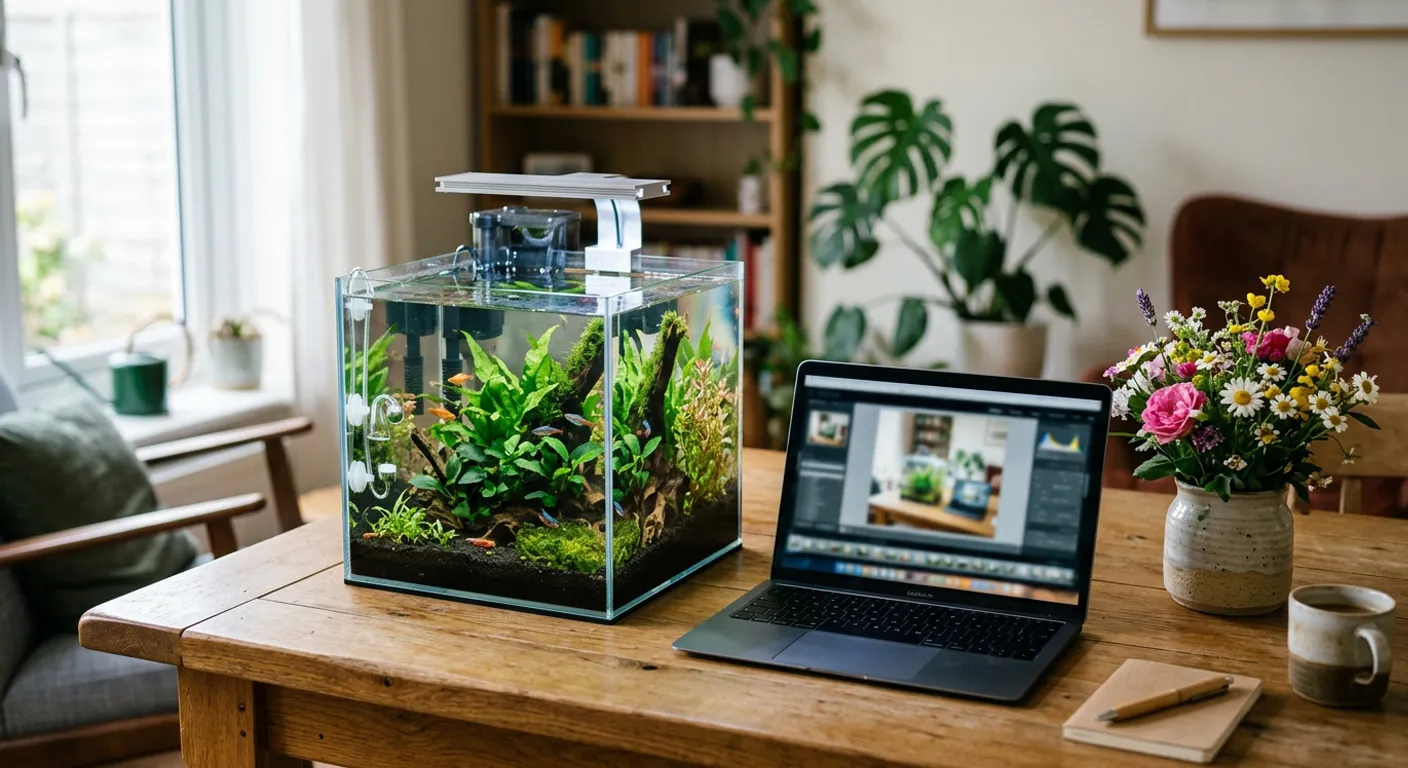
Nano tanks got popular because they fit where bigger tanks don’t. Small apartments, dorm rooms, office desks. You get a real aquarium without needing a whole wall for it. Better equipment, aquascaping, shrimp keeping, and social media all pushed this along over the last few years.
In this guide, we’ll cover what a nano tank actually is. The eight reasons the trend took off. How it compares to a standard aquarium. And what maintenance actually looks like in practice.
What Is a Nano Tank
There’s no single agreed definition. Most people in freshwater use it for tanks between 2 and 10 gallons. Some stretch it to anything under 15. Reef keepers tend to need more volume for stability, so their version sits a bit higher.
A nano tank isn’t just a small aquarium. It behaves differently. Less water means faster changes in temperature and chemistry. A parameter swing that a large tank absorbs easily can cause real problems in a small one within hours. That’s not a reason to avoid them. It’s just something worth understanding before you start.
Nano Tank vs. Regular Aquarium
Most people assume a nano tank is just a cheaper, smaller version of a normal aquarium. It’s not. The stocking choices are different. The maintenance schedule is different. The margin for error is smaller. You’re managing a more sensitive system, and that requires a different approach than scaling down what you’d do with a 40-gallon.
Why Nano Tanks Became a Trend
The trend didn’t come from one thing. It came from several changes happening at the same time. Housing got smaller. Equipment got better. A whole community built up around aquascaping and shrimp keeping. And social media made it all visible. Here’s how each of those things contributed.
1. They Fit Modern Homes and Apartments
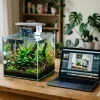
Most people don’t have space for a large tank. A 5 or 10 gallon fits on a desk or a shelf without needing a dedicated stand or a reinforced floor. That one thing opened the hobby up to people in rentals and small apartments who would never have considered keeping fish otherwise. You don’t need a fish room. You don’t need a spare corner of a living room. A sturdy desk is enough.
2. Lower Upfront Cost and Easier Entry
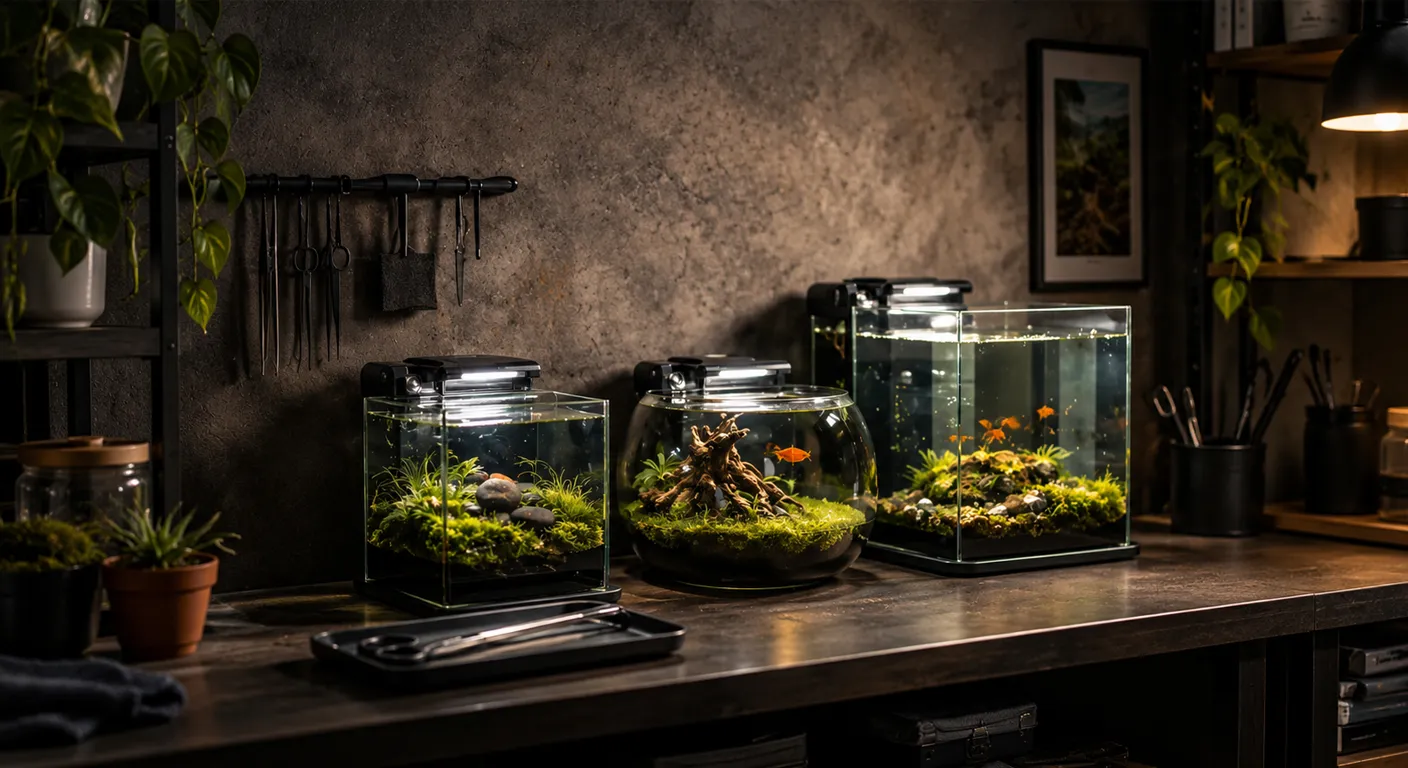
Starting small costs less. Smaller tank, smaller light, smaller filter. Less substrate and fewer plants to buy. That lower barrier makes it easier to try the hobby without a big financial commitment upfront. That said, cheaper doesn’t mean easier to maintain. A nano tank still needs proper cycling. It still needs quality equipment. The cost is lower, but the care requirements don’t disappear because the tank is small.
3. Modern Equipment Made Small Tanks Practical
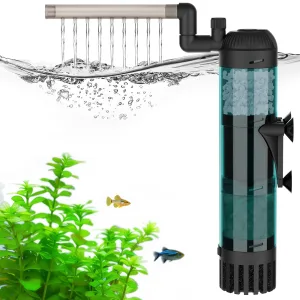
This is probably the biggest reason the trend took off when it did. Small tanks used to be genuinely hard to keep stable because the right equipment didn’t exist. That changed. Compact LEDs with adjustable spectrum and intensity. Reliable nano filters that don’t create too much flow for small fish. Small, accurate heaters.
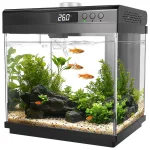
All-in-one systems with filtration built into the back panel. Smart plugs and auto top-off units that catch common beginner mistakes before they become problems. The equipment finally caught up, and that made small tanks a real long-term option rather than a beginner mistake.
4. Aquascaping Made Nano Tanks Desirable
Aquascaping gave people a reason to want a small tank for its own sake. Planted layouts with carefully placed stones. Dense jungle-style planting. Blackwater setups with driftwood and leaves. These styles look great in a small tank.
A nano tank is easier to light evenly and easier to photograph than a 4-foot aquarium. That made them natural content to share online, and that visibility pulled a lot of people into the hobby who weren’t originally fish keepers at all.
5. Shrimp Keeping Fueled the Nano Trend
Cherry shrimp and other neocaridina varieties do really well in small planted tanks. They’re colorful, active, and they graze algae throughout the day. Shrimp breeding became its own corner of the hobby, and nano tanks are the natural setup for it.
You can run a complete and satisfying shrimp colony in a 10-gallon tank. No large aquarium needed. That combination of low space requirements and high visual interest pulled a huge number of people toward nano setups specifically.
6. Social Media Made Nano Tanks Visible
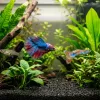
Close-up footage of shrimp moving through plants or a betta exploring a planted tank performs well online. Instagram, TikTok, and YouTube made these setups easy to discover. More people saw them. More people set them up. More content got made. The hobby grew because of that visibility in a way that wouldn’t have happened otherwise.
One thing worth knowing, though. Those videos almost never show what goes into keeping the tank looking that way. What looks effortless in a 30-second clip has weekly water changes and consistent trimming and careful feeding behind it. The content shows the result. Not the work.
7. Nano Tanks Help People Relax
Watching fish genuinely lowers stress for a lot of people. Heart rate drops. The mind quiets down a bit. It’s not a replacement for professional mental health support, but the effect is real and well documented. A nano tank on your desk gives you that same benefit in a setup that takes up less space than a coffee maker.
Living alone is another factor. Having something alive in your space that responds to your presence changes the feel of a room. Fish come to the front of the tank when you approach. Shrimp are active and interesting to observe throughout the day. That low-level daily connection matters more than most people expect before they experience it.
8. The Market Grew to Meet Demand
Manufacturers noticed the trend and built for it. Purpose-built nano lighting rigs. Filters designed specifically for tanks under 10 gallons. Complete all-in-one systems that come ready to cycle, plant, and stock.
The product category exists now in a way it simply didn’t ten years ago. That makes starting easier. Easier entry brings more people in. More people buying drives more product development. The cycle keeps going.
Nano Tank vs. Standard Aquarium
| Factor | Nano Tank | Standard Aquarium |
| Typical Size | 2 to 15 Gallons | 20 gallons and above |
| Space Needed | Desk or Shelf | Dedicated stand or cabinet |
| Startup Cost | Lower | Higher |
| Water Changes | Small volume but more frequent | Larger volume less often |
| Maintenance Risk | Higher. Small errors move fast | More forgiving. Larger volume buffers mistakes |
| Best Livestock | Shrimp, small fish, bettas, snails | Wider range including larger species |
| Best For | Small spaces, beginners, aquascapers | Experienced keepers, larger fish |
Are Nano Tanks Actually Low Maintenance
No. That’s the most common misconception, and it causes a lot of early failures. Nano tanks get marketed as easy and low effort. That framing sets beginners up to neglect them.
Water changes involve less water per session, but they need to happen more often. Less water volume means less buffer between sessions. Skip a week, and you’ll feel it faster than you would in a larger tank.
Why small water volume changes quickly
Temperature, waste, and evaporation all shift faster in 5 gallons than in 40. One overfeeding session can spike ammonia within a day. A missed water change that a large tank handles without issue can stress fish in a nano tank within the same week. The smaller the tank, the tighter the margin.
Common mistakes that make nano tanks fail.
Overstocking because the fish are small. Small fish still produce waste
Overfeeding because it’s hard to judge the right portion for a small tank
Starting with anything under 5 gallons. Harder to keep stable than most people realize
Keeping species that outgrow the tank within a year
Copying a social media aquascape without checking the filtration and stocking and maintenance behind it
Is the Nano Tank Trend Here to Stay
It looks that way. Smaller homes aren’t going anywhere. Aquascaping culture keeps growing. Shrimp keeping keeps pulling in new hobbyists. Manufacturers keep developing better equipment for small tanks specifically.
Nano tanks aren’t a budget compromise anymore. They’re a distinct category with their own community and their own design culture. That’s not a temporary thing. The conditions that drove the trend are still in place, and nothing suggests that’s changing soon.
Conclusion
Nano tanks took off because they fit how a lot of people actually live. Small spaces, limited budgets, and an interest in something creative and alive without a large commitment of space or money.
The results can be genuinely impressive. But small water volume means consistent maintenance matters more than in a larger tank. Not less. A nano tank that gets neglected fails faster than a bigger one would.
Pick the size based on the space you have and the livestock you actually want to keep. Get decent equipment from the start. Learn how to properly cycle the tank before adding anything to it. Keep up with water changes on a consistent schedule. A nano tank that’s looked after properly is one of the most satisfying setups in the hobby and one of the most accessible ways to get into it.
3.7 Gal Aquarium Kit: Filter, 10-Color Light, Self-Cleaning,...
Original price was: $81.99.$77.39Current price is: $77.39.



Add comment
You must be logged in to post a comment.