
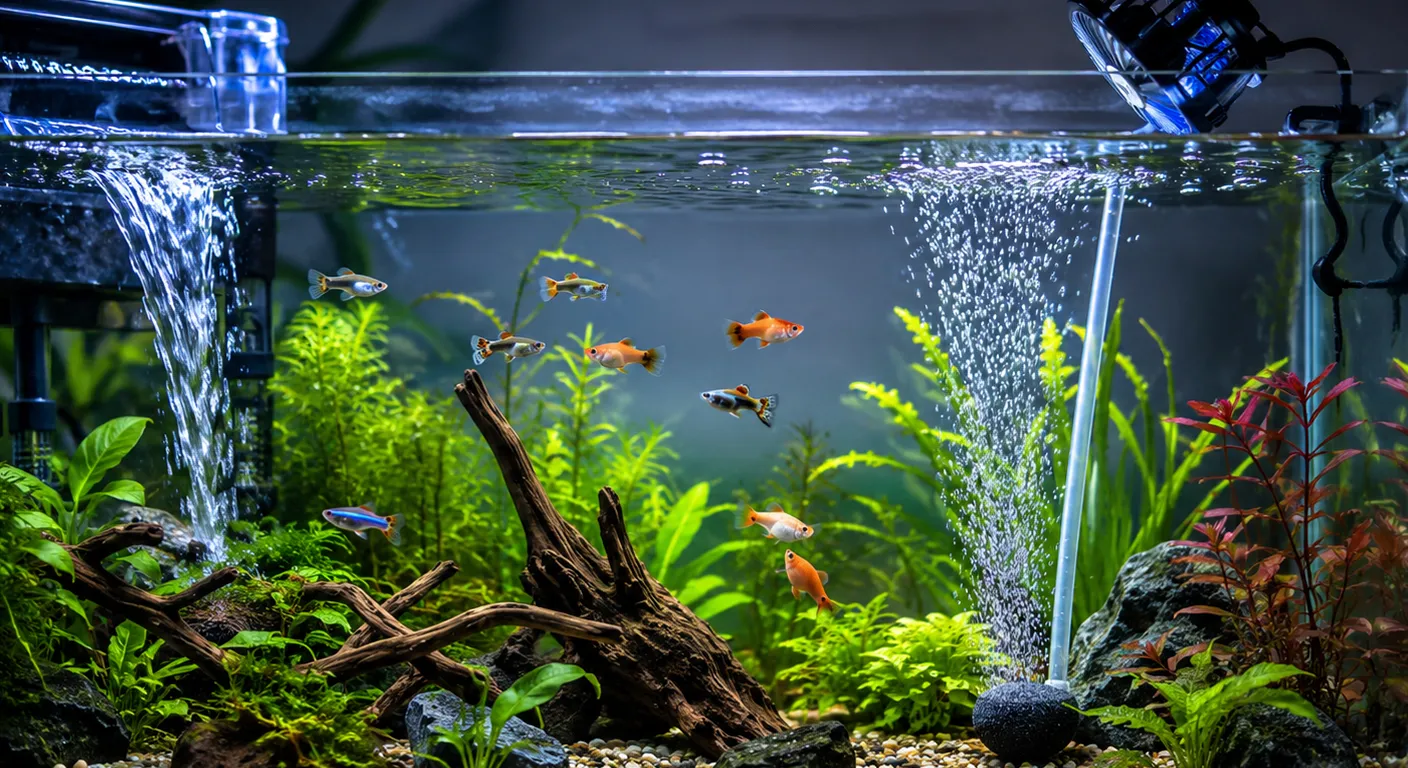
Every living thing in your aquarium depends on dissolved oxygen, not just the fish. Beneficial bacteria that process ammonia and nitrite need it to function. Most aquatic plants consume oxygen at night rather than producing it. Even basic biological filtration slows when oxygen levels drop.
The problem is that a lot of setups work against good oxygenation without the keeper realizing it. Warm water holds less dissolved oxygen than cold water. Sealed lids reduce gas exchange at the surface. Heavily stocked community tanks burn through oxygen faster than a basic filter can replenish it. Any of these factors alone is manageable. When two or three combine, fish start showing signs of distress within hours.
This guide covers seven practical methods to oxygenate a fish tank, including fast emergency steps and longer-term fixes, so you know exactly what to do at each stage.
Table of Content
ToggleIs Oxygen Really the Problem?
Before making changes, it helps to confirm that low oxygen is actually the issue. Fish in a low-oxygen tank will often gasp at the surface, hover near the filter outlet where water movement is strongest, or move their gills unusually fast. Lethargy and loss of appetite sometimes follow.
The tricky part is that ammonia poisoning, nitrite toxicity, and certain bacterial infections produce similar behavior. A fish gasping at the top of the water column is not automatically an oxygen problem. Test your water first. If ammonia and nitrite read zero and the temperature is within normal range, low dissolved oxygen becomes the more likely cause.
One specific pattern worth watching: if fish are staying at the top of the tank without obvious distress during feeding but showing gill stress at other times, oxygen is usually the first thing to investigate.
Method 1: Create Instant Surface Agitation
When fish are actively gasping, this is the fastest thing you can do while you diagnose the root cause.
Pour a cup or two of tank water from a height back into the aquarium. The falling water breaks the surface, releases CO2, and pulls oxygen into the water column. Manual stirring with a clean utensil achieves a similar result. If you have a small fan, aim it across the water surface to create a ripple and mild evaporative cooling at the same time.
None of these approaches fixes the underlying problem. They buy time. The goal here is to get oxygen moving into the water while you assess whether the filter is clogged, the tank is overstocked, or the temperature is running too high.
Method 2: Use Water Changes to Bring in Fresh Oxygen
Tap water that comes out of the faucet is typically close to oxygen saturation. A partial water change introduces oxygen-rich water directly into the tank while simultaneously diluting nitrite, ammonia, or any other compound that may be stressing the fish.
For a tank showing active signs of oxygen stress, a 30 to 50 percent water change is a reasonable starting point. Draw the replacement water from the tap, treat it with a dechlorinator, and check that the temperature matches your tank closely before adding it. A sudden temperature drop of even a few degrees can shock fish that are already under stress.
Water changes are not just a reactive tool. Tanks that receive regular 20 to 25 percent weekly changes tend to maintain better water quality overall, which reduces the oxygen demand created by decomposing organic waste.
Method 3: Optimize Your Filter for Better Gas Exchange
Most aquarium filters can do more work for oxygenation than people realize, without adding any new equipment.
Gas exchange happens at the water surface, not deep in the tank. What drives that exchange is movement, specifically surface ripple, not large rising bubbles. The position of your filter outlet directly affects how much ripple it creates.
A few adjustments worth making:
Angle the filter outlet slightly upward so the output skims across the surface rather than pushing down into the water column.
Lower the water level by an inch if fish are gasping. The increased drop from the filter outlet to the water surface creates more agitation.
Check and clean the filter media. A clogged sponge or impeller reduces flow significantly, which cuts surface agitation and slows down biological filtration at the same time.
Heavily stocked tanks with dirty filters are the most common setup where oxygen problems develop gradually. The filter cannot keep up, waste accumulates, bacteria consume oxygen as they process that waste, and fish begin to suffer over days or weeks rather than all at once.
Method 4: Add an Air Pump and Airstone the Smart Way
There is a common misconception that air pumps inject oxygen directly into the water. What they actually do is push air through an airstone to create small rising bubbles, which drives circulation and agitates the surface where gas exchange occurs. The oxygen enters the water at the surface, not from the bubbles themselves.
That said, air pumps are genuinely useful in specific situations:
Tanks running warm, where dissolved oxygen levels drop naturally
Overnight periods, when plants consume oxygen rather than producing it
Hospital and quarantine setups where fish are already stressed
Heavily stocked tanks that need additional water movement beyond what the main filter provides
If you are not certain whether your tank actually needs an air pump, the answer often depends on stocking density, tank temperature, and how well your filter creates surface movement.
One practical note: air pumps can produce noticeable vibration noise, especially on hard surfaces. If that becomes a problem, there are several ways to reduce aquarium air pump noise without replacing the unit.
Method 5: Improve Circulation with Powerheads or Spray Bars
Aeration and circulation are related but not the same thing. Aeration refers to gas exchange at the surface. Circulation distributes that oxygenated water through the entire tank rather than leaving it concentrated near the filter or surface. Dead spots, areas where water barely moves, can develop pockets of low oxygen even when surface agitation is adequate.
Long tanks are especially prone to this. A filter placed at one end may create good surface movement in that half of the aquarium while the far end remains relatively stagnant. A powerhead mounted at the opposite end, aimed horizontally across the tank, solves this without adding more surface disturbance than necessary.
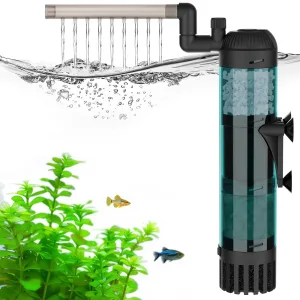
Spray bars are another option. Mounted along one side with the outlets angled slightly upward toward the surface, they distribute flow across a wide area while creating a gentle ripple rather than a concentrated jet.
In planted tanks with CO2 injection, this balance becomes more deliberate. Too much surface agitation accelerates CO2 off-gassing, which reduces plant growth. The goal in those setups is enough circulation to prevent dead spots and distribute oxygen without driving CO2 out of the water faster than the system can replenish it.
Method 6: Lower Temperature and Reduce Oxygen Demand
Water physics makes this straightforward: the warmer the water, the less dissolved oxygen it can hold. At 25°C (77°F), water holds roughly 8.3 mg/L of dissolved oxygen. At 30°C (86°F), that figure drops to around 7.6 mg/L. The difference matters in a stocked tank because warmer temperatures also speed up fish metabolism, which means fish are consuming oxygen faster at the same time the water is holding less of it.
Practical options for bringing the temperature down:
Reduce the heater output slightly if it is set higher than the species in the tank actually require.
Open the lid to allow surface cooling and better gas exchange.
Place a small fan to blow across the open water surface. Evaporative cooling can reduce tank temperature by 2 to 4 degrees in a warm room.
Avoid sudden swings. A drop of more than 3 to 4 degrees in a short period stresses fish as much as the heat itself. Aim for gradual adjustment over several hours.
Method 7: Long-Term Fixes Through Stocking, Plants, and Maintenance
Emergency methods address symptoms. Long-term oxygen problems usually trace back to one or more of three root causes: too many fish, inconsistent maintenance, or a tank that relies on plants to do work they cannot fully perform.
Stocking and Feeding
Overcrowding is the single most common reason a tank runs chronically low on oxygen. More fish means more waste, more biological activity, and faster oxygen consumption. The general guideline of one inch of fish per gallon of water is imprecise but provides a rough upper limit for lightly filtered setups. More importantly, check the actual bioload. Goldfish and cichlids produce far more waste per body length than small tetras or rasboras.
Overfeeding amplifies the problem. Uneaten food decomposes at the bottom of the tank, consuming oxygen as it breaks down and fueling ammonia spikes that stress fish further.
Live Plants
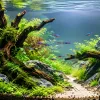
Aquatic plants produce oxygen during the day through photosynthesis, but they switch to consuming oxygen at night. In a heavily planted, heavily stocked tank, overnight oxygen drops are a real risk, particularly when CO2 is not injected, and plant growth is moderate. Floating plants and fast-growing stem plants do contribute to water quality and nutrient processing, but they should not be counted on to replace mechanical aeration in any tank with more than light stocking.
Regular Maintenance
Rinse filter media in old tank water rather than tap water to preserve beneficial bacteria. Vacuum the substrate regularly to reduce the decomposing organic material that consumes oxygen as it breaks down. Combine this with consistent water changes, and the biological load on the tank stays manageable enough that standard filtration handles oxygenation without strain.
Special Section: Nano Tanks and Planted Aquariums
Nano Tanks
Small tanks are less forgiving than larger volumes. Temperature rises faster in warm rooms, oxygen drops faster when stocking is even slightly over the limit, and there is less buffer time between the first warning signs and actual fish stress. A simple sponge filter or nano air pump often makes a measurable difference in tanks under 10 gallons, especially those kept in heated indoor spaces.
Planted Aquariums
High-tech planted setups with CO2 injection require a different approach to oxygenation than fish-only tanks. During daylight hours, plants produce oxygen in significant quantities. After the lights go off, consumption reverses. Running an air pump on a timer that activates when the lights switch off, or increasing surface agitation slightly in the evening, prevents the overnight dip that causes morning gasping in otherwise well-managed planted tanks. Watch for this pattern specifically: fish that appear fine during the day but show stress in the early morning hours.
Conclusion
Oxygenating a fish tank is rarely about a single fix. In this guide, we covered seven practical methods, from emergency surface agitation and water changes to long-term corrections through stocking adjustments, maintenance habits, and equipment setup.
Low oxygen can move from manageable to critical faster than most other water quality problems. The difference between a tank that recovers quickly and one that loses fish often comes down to whether the keeper has a clear response ready. Build the prevention habits first: appropriate stocking, regular water changes, a filter that creates adequate surface movement, and consistent maintenance. When something does go wrong, the emergency methods above give you time to find the cause without losing fish while you work through it.
Related Reading
Related Products For Your Reference
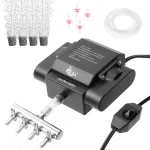
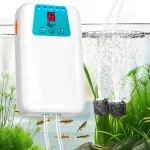
Aquarium Air Pump, 15W 356GPH, 4 Outlets, for...


Add comment
You must be logged in to post a comment.