

A customized aquarium does not require designer tanks, exotic fish, or professional aquascaping skills. Even minor, low-cost modifications can radically alter the appearance and operation of your aquarium in your room. Personalization is important as it makes your tank a personal one and enhances the habitat of the fish.
The custom-designed aquariums are not exclusive to beauty, but when properly done, can be easier to maintain. This guide dispels the deceit that custom fish tanks are costly and complex. We will discuss four of the ways to personalize your own aquarium without emptying your pockets.
What Actually Makes an Aquarium Look Custom
The difference between a cluttered tank and a custom tank is the presence of a plan.
Visual Balance vs. Decoration Overload
The majority of amateurs believe that customization means the introduction of something new, such as some more plants, decorations, coloured gravel, and other tableauverses. This process tends to avoid an eye-catching image that will show your fish,h but rather one that will be in visual anarchy. This customization depends on the design principles that are deliberate and designed to make each item have a unique purpose.
Focal point: Select one central area of the eyes, which in effect will be the center of attention in sighting the tank. This may be a piece of driftwood, an exaggerated rock, or a unique vegetation. All the other elements must serve this central feature and not compete against it to draw attention.
Open swimming space: Fish need room to move naturally without constantly navigating around obstacles and decorations. Open areas also provide viewers with clear sightlines to observe fish behavior and appreciate their movement. A tank crammed with decorations stresses fish and looks chaotic to human observers.
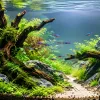
Layering: Arrange elements in distinct foreground, midground, and background zones to create visual depth. This technique, borrowed from landscape design, makes even small tanks feel larger and more professional.
Function Always Comes First
A beautiful tank is a complete failure if the fish aren’t thriving in their environment. Customization must always respect fundamental aquarium principles that keep your aquatic inhabitants healthy and happy. No design choice should compromise the biological needs of your fish community.
Stable water parameters: Decorations and substrates shouldn’t alter pH, hardness, or other water chemistry factors. Research materials before adding them to ensure they’re safe for your specific fish species. Some rocks and substrates can significantly change water parameters over time.
Fish compatibility: Design your layout around the behavioral needs of your specific fish species. Territorial fish need defined boundaries, while schooling fish require open swimming lanes for group movement. Consider whether your fish prefer caves, plants, or open water when planning placement.
Easy access for cleaning: Leave clear paths to reach all areas during routine maintenance sessions. Decorations that trap debris or block gravel vacuuming make maintenance harder and water quality worse. Your design should simplify cleaning rather than creating additional work.
Avoid décor that leaches chemicals into the water, which can poison fish or promote algae. Skip items that block water flow from filters, creating dead zones with poor oxygenation. Remove decorations that trap debris in unreachable corners where waste accumulates and degrades water quality.
The 4 Ways to Customize a Better Home Aquarium
You don’t need to buy a new tank or expensive décor to transform your setup. Simply change how you arrange the equipment and materials you already have at home.

1. Customize the Tank by Controlling Visual Depth
Most articles simply say “add a background,” but few explain why the depth illusion actually matters. Understanding the principle helps you apply it more effectively to any tank size or style.
Core Idea: A tank looks custom when it feels deeper than it actually is.
How to Do It
Use a dark background with light-colored foreground substrate: The contrast creates an automatic sense of distance between front and back. Dark backgrounds make the back wall visually recede while light substrate brings the foreground forward. This color gradient tricks the eye into perceiving more depth than physically exists.
Place the tallest elements a few inches away from the back glass: Positioning tall plants or rocks slightly forward creates negative space behind them for added dimension. This gap prevents the “flat wall” effect, where everything sits flush against the background. The space behind the elements gives viewers a sense of looking into the tank.
Leave a visible space behind aquascaping rocks: Don’t push hardscape elements all the way to the back corners of the tank. Strategic gaps allow light to penetrate behind objects and create interesting shadow patterns. This technique also gives fish hiding spots that feel more natural than decorations.
Why It Works
Creates forced perspective: The arrangement mimics how distant objects appear in nature and landscape photography. Our brains interpret the visual cues as three-dimensional space even on a flat plane. This perception makes the tank feel more like a window into an underwater world.
Fish appear more active: When fish swim between foreground and background zones, they seem to travel greater distances. Movement through layered depth creates more visual interest than fish swimming along a flat wall. Viewers naturally engage more with tanks that have this dimensional quality.

2. Customize Fish Behavior by Designing Swimming Lanes
This creative approach is highly visually appealing while serving the biological needs of fish. Most aquarists focus only on appearance and forget that fish movement patterns affect overall design.
Core Idea: A custom tank guides how fish move through intentional pathway design.
How to Do It
Create one horizontal open lane: Leave a clear path running the length of the tank where fish can swim unobstructed. This corridor typically runs through the middle third of the tank at mid-water level. Schooling fish especially need this space to display their natural swimming behavior together.
Establish one vertical escape zone: Fish need a clear route from bottom to top when they feel threatened. This vertical pathway allows them to flee quickly to their preferred safety zone. Many species instinctively head to the surface or bottom when startled by movements.
Avoid blocking all mid-water space: Don’t fill the center of the tank with tall plants or decorations. Mid-water is where most fish spend their active time and where viewers watch them. Leaving this area relatively open showcases fish movement and reduces territorial aggression.
Why It Works
Fish naturally patrol predictable routes: In the wild, fish follow established paths through their territory for efficiency. Designing clear lanes taps into this instinct and creates more natural movement patterns. Predictable routes also make it easier to observe fish and notice health problems.
Less random darting and aggression: When fish have clear pathways, they spend less time in territorial disputes over space. Confused, stressed fish dart erratically around cluttered tanks looking for safe swimming routes. Well-designed lanes reduce this stress and create a calmer, more enjoyable viewing experience.

3. Customize the Aquarium by Layering Height
Instead of simply adding more plants randomly, focus on vertical structure to build visual impact. This method transforms the appearance without increasing the number of items or maintenance difficulty.
Core Idea: Three distinct heights beat ten randomly placed decorations every time.
How to Do It
Low layer: Use carpet plants, small rocks, or low-growing species in the front third. This layer should stay below three inches tall to maintain clear viewing of fish. The low foreground creates an unobstructed window into the rest of the tank design.
Mid layer: Place medium-height plants, moderate rocks, or decorations in the middle section of the tank. This zone typically ranges from four to eight inches, depending on tank height. The mid-layer provides visual interest without blocking the background or overwhelming the foreground.
High layer: Position tall plants, large driftwood, or dramatic rock formations in the back third. These elements should approach but not quite reach the water surface for the best effect. The high layer creates the backdrop and frames everything in front of it.
Why It Works
Fish occupy different zones: Different species naturally prefer different vertical levels in the water column for feeding and resting. Layered height accommodates multiple species and showcases their natural behaviors at various levels. This diversity creates constant movement throughout the tank rather than in just one area.
Tank feels intentional: The graduated height structure shows planning and creates a professional appearance instantly. Random heights look accidental while deliberate layering demonstrates design consideration and thought. Even simple arrangements look sophisticated when they follow this three-tier principle correctly.
Maintenance stays simple: With clear zones established, you know exactly where to trim, clean, and maintain. Each layer can be serviced independently without disturbing the entire tank layout unnecessarily. This organization saves time during routine maintenance and makes the work less overwhelming.
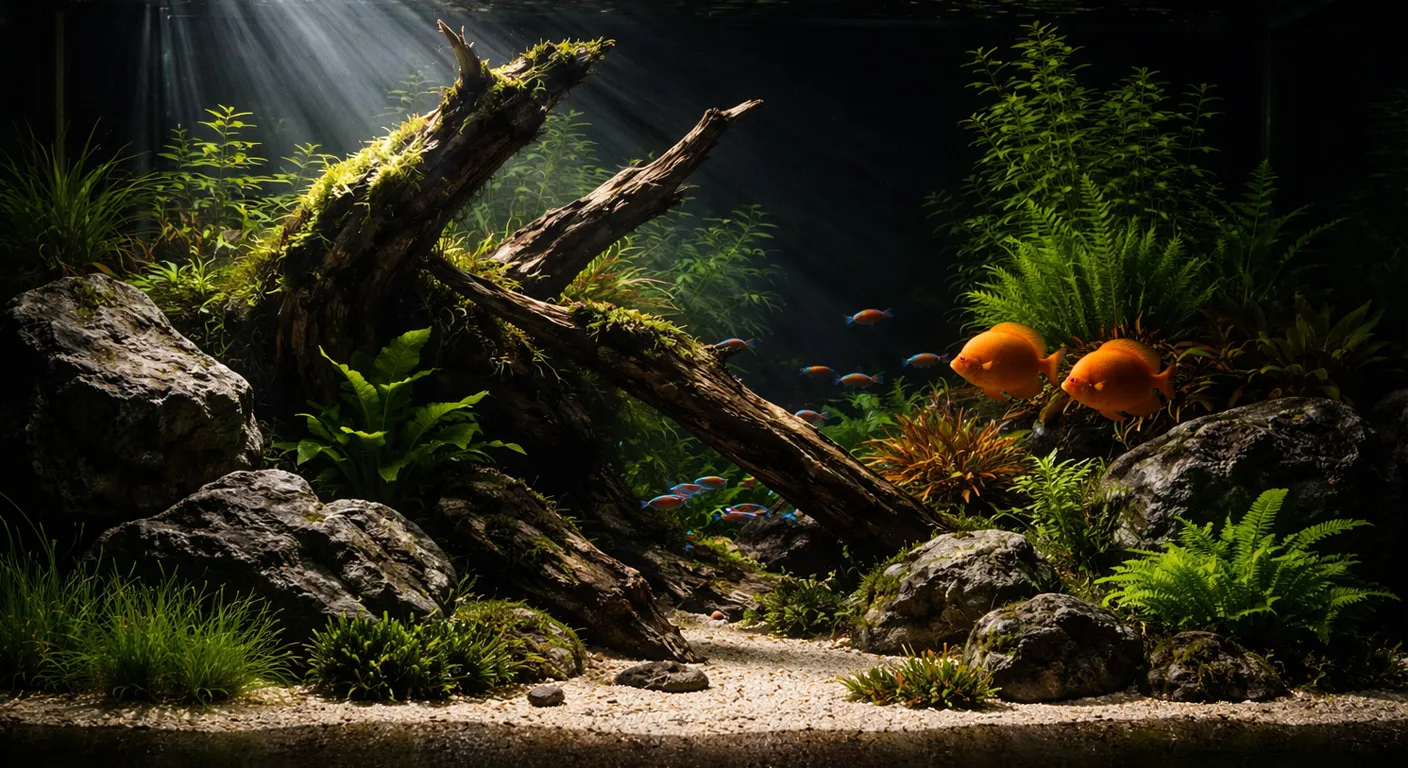
4. Customize the Mood Using Shadow
Most aquarists overlook light direction, but adjusting placement transforms the entire tank atmosphere. Shadows create depth and realism that bright, even lighting simply cannot achieve effectively.
Core Idea: Shadows create realism, while excessive brightness creates algae problems and washes out details.
How to Do It
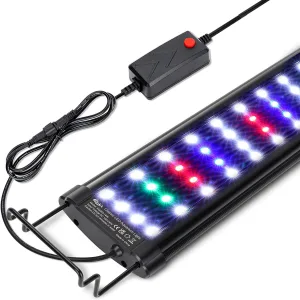
Raise the light slightly: Elevating your light fixture a few inches above the tank creates angled rays. This adjustment allows light to hit decorations from above rather than blasting everything evenly. The angle creates natural-looking shadows that mimic sunlight filtering through water in nature.
Offset it toward the focal area: Position the light to emphasize your chosen focal point rather than centering it. This creates a natural spotlight effect that draws attention where you want it. Areas outside the main light beam become subtly darker and more mysterious.
Allow shaded zones behind hardscape: Don’t try to eliminate every shadow with additional lights or brighter bulbs. Darker areas behind rocks and driftwood provide visual contrast and fish refuge simultaneously. These shadows make the illuminated areas appear even more vibrant by comparison.
Why It Works
Fish feel safer and show natural colors: Many species display their best coloration when they feel secure in shaded areas. Constant bright light causes stress and a washed-out appearance in fish adapted to dimmer conditions. Strategic shadows encourage natural behavior and better color expression throughout the day.
Less algae pressure: Reducing overall light intensity in unused areas limits algae growth to manageable levels. Shaded zones receive insufficient light for aggressive algae colonization, while fish still thrive. This natural control reduces maintenance time spent scraping glass and removing unwanted growth.
Tank looks calmer and deeper: The contrast between light and shadow creates a more three-dimensional appearance naturally. Even lighting flattens everything visually, while varied lighting adds drama and perceived depth. The result feels more like a natural habitat than a brightly lit display case.
Conclusion
Customizing your fish tank is fundamentally about design choices, not spending more money on equipment. The four methods we’ve covered – controlling visual depth, designing swimming lanes, layering height, and using shadow – require minimal investment.
Start small rather than redesigning everything at once, which can stress fish and overwhelm you. Make one simple change during your next regular water change to instantly refresh your aquarium. These adjustments transform ordinary tanks into custom displays that reflect your personal style beautifully.
3.7 Gal Aquarium Kit: Filter, 10-Color Light, Self-Cleaning,...
Original price was: $81.99.$77.39Current price is: $77.39.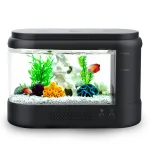

Add comment
You must be logged in to post a comment.