
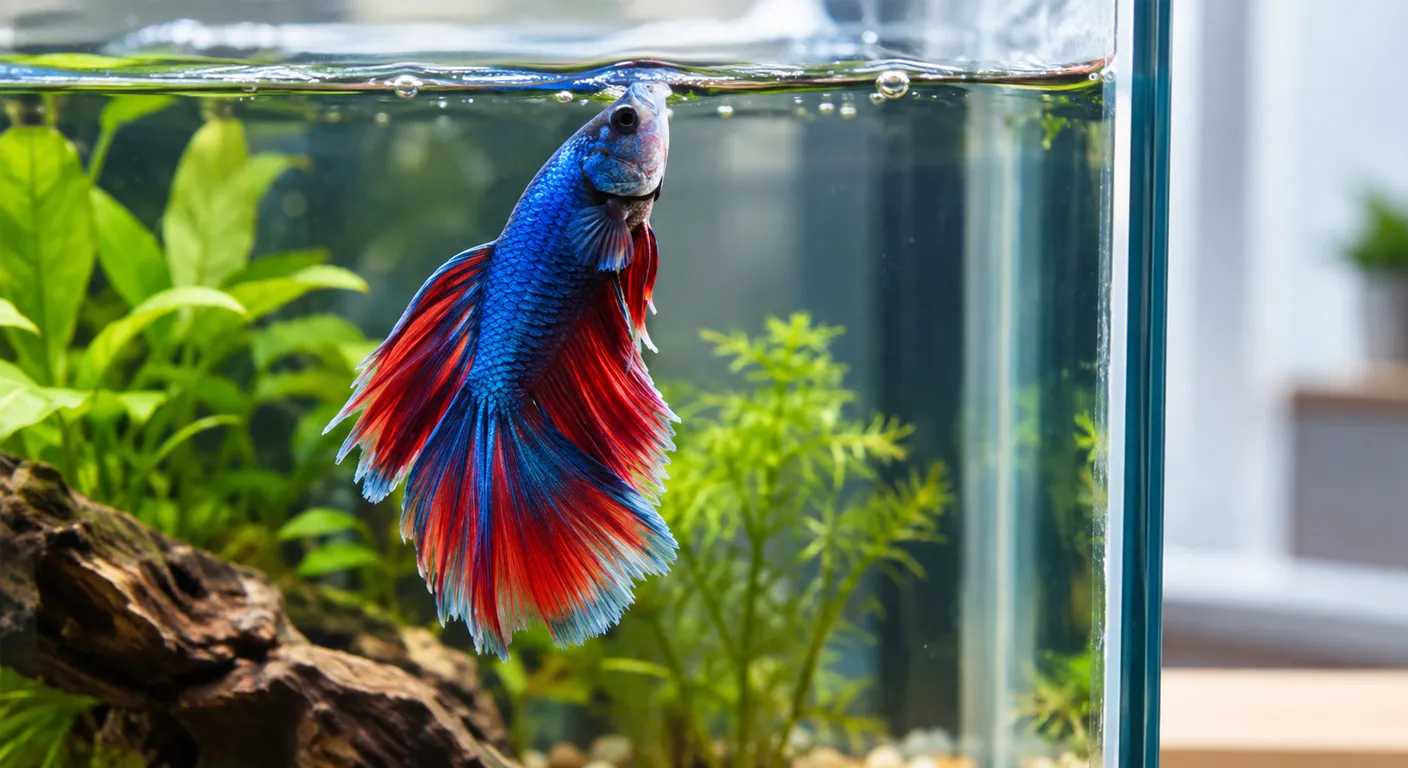
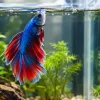
Bettas rest near the surface and gulp air as part of normal behavior, since they have a labyrinth organ that lets them breathe atmospheric oxygen. But when a betta repeatedly jumps, darts along the glass, rubs against objects, or tries to climb out of the tank, something else is going on. That pattern usually points to stress, a tank problem, or an early health issue rather than simple curiosity.
This guide walks through how to tell normal surface time apart from behavior that needs attention, what to check first for immediate safety, the most common causes behind escape attempts, and what to do before reaching for medication.
Table of Content
ToggleNormal vs. Concerning Betta Surface Activity
Bettas naturally spend time near the top of the tank. Their labyrinth organ means they take gulps of air at the surface even when water oxygen levels are fine, and many bettas simply prefer resting there because it feels safer or more comfortable to them.
A betta that floats near the top, breathes at a steady pace, and still eats and swims normally is likely just behaving the way bettas do.
The concern starts when that surface time turns into repeated attempts to leave, rapid gulping, glass surfing, or a fish that looks like it is trying to force its way past the waterline. The table below breaks down what falls into each category.
| Behavior | Normal | Concerning |
| Position in tank | Rests near the surface at times, moves freely through the water column | Stays pinned at the surface constantly, or tries to push past it |
| Breathing | Occasional gulps at the surface, steady gill movement | Rapid gulping, gasping, or labored gill movement |
| Resting spots | Near plant leaves, decor, or the surface film | No consistent resting spot, constant restless movement |
| Body contact | Light contact with plants or decor while resting | Repeated rubbing or scraping against gravel, glass, or decor |
| Swimming pattern | Smooth, deliberate movement | Frantic darting, glass surfing, or erratic circling |
| Fins and color | Fins relaxed or flared normally, color steady | Clamped fins, faded or blotchy color, visible spots |
| Appetite | Eats on schedule | Refuses food or shows sudden disinterest |
If several of these concerning signs show up together, treat it as a signal to check the tank rather than a coincidence.
Check for Immediate Danger
Repeated escape attempts can turn dangerous fast, since a betta that clears the waterline even briefly can land outside the tank or get caught under a lid. Before looking into causes, make the aquarium physically safe.
Secure the lid or hood, and check for gaps along the back where cords or filter tubing pass through.
Confirm the water temperature with a separate thermometer rather than relying on a built-in heater display, since those can read inaccurately.
Inspect the filter, heater, and any air pump for cracks, loose wiring, or signs of malfunction. Unplug equipment before touching the water if anything looks uncertain.
Once the tank is secure and equipment checks out, move on to figuring out what triggered the behavior.
Common Reasons a Betta Tries to Leave the Water
Escape attempts are almost always a reaction to something uncomfortable in the tank rather than random behavior. Working through the most common environmental causes first often solves the problem without needing any medication at all.
Water Quality and Recent Tank Changes
Ammonia, nitrite, or nitrate buildup irritates a betta’s gills and skin, and fish will sometimes try to reach the surface or leave the water entirely to escape that discomfort. This tends to show up after missed water changes, an overstocked tank, or overfeeding that leaves waste behind.
A recent water change can trigger the same reaction if the new water was not conditioned properly, or if the temperature swing between old and new water was too large. A shift of more than a few degrees during a water change can shock a body enough to send it into a burst of erratic swimming.
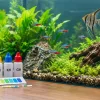
Test the water with an aquarium test kit rather than guessing, since ammonia and chlorine are not visible. Anything above 0 ppm ammonia or nitrite in an established tank is worth acting on. If levels are off, a partial water change of around 25 to 30 percent, using properly conditioned water at a matched temperature, usually brings quick relief.
Temperature and Water Flow
Bettas are tropical fish and do poorly outside a narrow comfort range, generally between 76 and 82 degrees Fahrenheit. Water that runs too cold slows their metabolism and can make them lethargic, while water that runs too warm reduces dissolved oxygen and can push a stressed betta toward the surface looking for relief.
Strong filter output causes a similar reaction. Bettas have long, heavy fins that make them weak swimmers against current, and a filter designed for a larger tank can push water hard enough to exhaust them.
A betta forced to fight current constantly may try to escape simply to get away from the turbulence. Baffling the filter output with a sponge, a plastic bottle with holes cut into it, or a flow deflector often solves this without replacing any equipment. Redirecting the outflow toward the glass instead of open water also cuts down on turbulence while keeping the filtration working at full strength.
Tank Setup: Decor, Plants, and Oxygen
Sharp or rough decor can tear fins and irritate skin, which sometimes leads a betta to avoid certain areas or behave erratically near the object causing the discomfort. Swap anything with rough edges for smooth, safer alternatives.
Low oxygen can also push a betta toward the surface more than usual, particularly in warmer water or a tank without much surface agitation. For a deeper explanation of how oxygen levels affect fish behavior at the top of the tank, our guide on fish staying at the top of the tank covers that in more detail.
One detail worth a quick mention here: pothos plants are a popular addition for their roots, which help absorb nitrates from aquarium water. Just make sure the roots stay clear of any equipment intake, since tangled roots can restrict water flow.
Stress, Reflections, and Tank Mates
Bettas are territorial, and a reflection on the glass can read as a rival fish, triggering flaring, aggression, and restless swimming that sometimes extends toward the surface. Moving the tank away from direct light sources or adding background material can cut down on reflections.
Incompatible tank mates cause a similar stress response. Fin-nipping species, overly active fish, or simply too many tank mates in a small space can leave a betta on edge and search for an exit from that stress. Even peaceful community fish can wear down a betta if the tank lacks enough hiding spots to retreat to. A tank under 10 gallons rarely has room for tank mates at all.
Parasites or Skin Irritation
External parasites, including ich or velvet, often cause fish to rub against decor, gravel, or the substrate in an attempt to relieve itching, and that irritation can extend to restless behavior near the surface. Check closely for small white spots, a dusty gold coating on the skin, or clamped fins, since these point toward parasites rather than a water quality or equipment issue. Ich shows up as distinct white grains scattered across the body and fins, while velvet tends to look more like a fine dust and shows up best under a flashlight held at an angle. Both spread quickly to other fish in a shared tank, so isolating an affected betta early matters.
What to Do Right Away
The safest approach is working through likely causes in order rather than jumping straight to medication. Before assuming the worst, run through this checklist:
Secure the lid and check for any gaps a fish could slip through.
Test the water for ammonia, nitrite, nitrate, and pH using a liquid test kit.
Check water temperature with another thermometer.
Confirm the filter flow is not too strong, and baffle it if needed.
Inspect decorations and substrate for anything sharp or rough.
Look closely at the fish for spots, clamped fins, or unusual coloring.
Consider whether tank mates or a nearby reflection could be causing stress.
Perform a partial water change if test results show elevated ammonia or nitrite.
Most escape attempts resolve once one or two of these issues get corrected.
Treatment, Prevention, and Pothos Roots
Many escape attempts clear up with simple environmental corrections, without ever needing medication.
Should You Use Medication or Salt
Medication or aquarium salt should not be the automatic response to unusual behavior. Different causes call for different fixes, and treating the wrong issue can add stress rather than relieve it. If parasites are confirmed, a hospital tank allows targeted treatment without exposing the entire aquarium to medication. For symptoms that persist after environmental corrections, or that look serious, getting advice from an aquatic or exotic animal veterinarian is worth the cost. Dosing a tank with salt or medication on a hunch, without confirming the actual problem, can stress a betta further and sometimes damage beneficial bacteria in the filter, which creates a second problem on top of the first.
Preventing Future Escape Attempts
A few consistent habits prevent most bettas from reaching this point again.
Keep the lid secure at all times, especially after feeding or maintenance.
Maintain stable water parameters with regular partial water changes.
Hold temperature steady within the 76 to 82 degree range.
Keep filter flow gentle enough for a betta to swim against comfortably.
Choose smooth, rounded decorations over anything sharp or rough.
Add floating plants or resting places near the surface for natural comfort.
Give the betta enough hiding spots to retreat from light, reflections, or tank mates when it wants privacy.
Watch feeding amounts closely, since leftover food breaks down and drives up ammonia between water changes.
Conclusion
This guide covers how to tell normal surface behavior apart from genuine escape attempts, what to check for immediate safety, the most common causes behind the behavior, and what to address before considering treatment.
Do not assume a betta trying to leave the water is simply restless or curious. Check the lid, temperature, water quality, filter flow, equipment, decorations, oxygen levels, reflections, and tank mates before concluding. Correcting the environment first, and reaching for medication or salt only when there is a clear reason to treat, gives a betta the best chance at settling back into normal behavior.
Related Products For Your Reference

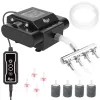
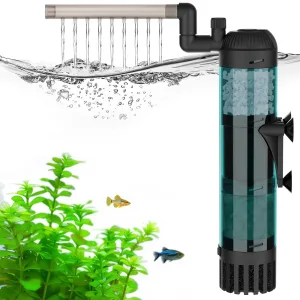
AQQA Adjustable Aquarium Air Pump, 4-Outlet Oxygen Aerator...



Add comment
You must be logged in to post a comment.